What is NaNoWriMo?
NaNoWriMo is a non-profit organisation that encourages and supports writers of all levels to write 50,000 words in the month of November.
They do this through online tools and forums, real life meet ups and daily emails throughout November to keep participants motivated.
Is there a NaNoWriMo prize?
The prize is that you have the basis of a manuscript.
The prize is that delicious feeling of achievement.
The prize is knowing you’re halfway to a finished product.
Priceless!
Have I ever done NaNoWriMo?
Yes, I have. In fact, it’s what got me to the end of the first draft of The Day She Came Home. I had been slowly plodding on with the manuscript and NaNoWriMo came along at just the right time to propel me to the end.
I loved logging on to their website and recording my word count. I enjoyed receiving their daily emails to make me get my butt in the chair. I adored getting my virtual badges whenever I reached a milestone (I’ve always been a sucker for a Gold star and a smiley face from my school teacher!) But more than that I was proud to reach 50,000 words and hold the first incarnation of my book in my hands.
Completing Nation Novel Writing Month has definitely been a defining moment in my career so far.
Did I ‘win’? Yes, I did. I wrote 43,844 words. I didn’t hit my 50,000 mark and although I’m a little disappointed, I’m also thrilled that I am just over halfway in producing that ever-elusive first draft of my next novel.
From time to time, I link to products or services I love using with affiliate links. This means that I may receive a small percentage or fee for referring you to any product you may purchase from one of those sites. It does not cost you anything. These small fees help sustain my small business. I truly appreciate your support.
Support The Show
If you enjoy the Turning Readers Into Writers podcast, you can now support my time in producing the show with Patreon.
If you find that the podcast adds value and you’d like to help support the show, please consider supporting me on Patreon for $3.00 per month and you’ll get bonus podcast content, as well as a personalised thank you from me, and a shout out on the show.
What are the 3 lessons learnt from doing NaNoWriMo?
1. Schedule Your Time
Writing 50,000 in 30 days isn’t easy. The more prepared you are, the better you’ll be.
Set aside the time you need. For example, if you know you can only write one day a week, make sure you’ve allowed enough time to jot down 10,000 words.
If you’re writing daily, allow enough time to write the 1,666 words needed. If you have 3 writing slots available, make sure you get enough words down.
If you need to, cancel other events so you can devote yourself to it for those 30 days.
If you schedule the time, it’s on your calendar, and you are in control. Rather than trying to fit your writing in and when, be in charge. Designate the time and step up for yourself.
Ring-fence your writing sessions and don’t let anyone else tell you to skip them. They are important and will skyrocket your writing life, especially if you’re writing your first novel.
2. Be mentally ready
If you are committed to writing your novel, NaNoWriMo will propel it forward, but that doesn’t mean it’s going to be a walk in the park.
When I’m taking part, I go through rollercoaster emotions.
Last year I kept a log of how I was feeling. Some days I couldn’t wait to drop the kids off at school, head to my local Caffe Nero, and get started. I was excited about what was going to happen next in my story.
Other days I lingered in the school grounds, nervous to go to my desk because I had no idea what I was going to write about. Once there, I’d order my coffee, take my time to unpack my stuff, and remember an urgent social media post I had to write!
When ready, I’d read the previous day’s work, and out of the blue I’d know how a conversation would continue, or how my protagonist could get themselves into more hot water and – boom! – I was off!
Life gets in the way
Last year I got off to a good start and banged out 15,000 words in the first week – Score!
Then life got in the way.
I had a few kids’ school activities to get involved with, my other business needed my attention and ill health reared its ugly head.
These meant I had to take time away from the office (i.e. my local Caffe Nero!) which had a knock-on effect on my word count.
At first this stressed me out because I was so desperate to get that word count down and get my 50k badge at the end of the month. #instagrammoment
However, I had to remind myself of what I teach others – you can only write what you can, when you can.
The important thing was that I turned up when I said I would and wrote the words I said I’d write.
I scheduled in the times I could work on my draft, sat down to do the work at those times, and as a result my word count kept mounting. I was proud to work hard.
3. Have a rough plotline to work with
If you’re a pantster, I recommend you have a basic storyline in place. This can be as simple as the beginning scene, middle scene and ending.
This will help you stay on track and know where each chapter or scene needs to lead toward.
If you’re a natural plotter, you can go to town with this! You can either do a bullet point outline, or a slightly more detailed chapter by chapter outline.
This will save a lot of mental procrastination about what happens next in your story.
It also saves time because you can get down to the writing almost immediately.
Either you can get your word count down quickly, or you can write more in one session.
Prep your story in October (also known as Preptober!). It will save you a lot of time and stress in November.
Why do it?
I encourage all of you, no matter where you are in your writing journey, to give it a go.
If you’ve never written before this is your chance to skyrocket your writing life.
Just think, in only 30 days you’ll have the first draft of your first novel written.
That’s no small achievement.
Even if you’ve started your first draft, use November as the impetus to get the draft finished. Perhaps all you need is the feeling of solidarity that comes with the NaNoWriMo team and community.
If you’ve written a whole first draft, use the month as a pacing mechanism to get you through to the end of draft two.
If you in the Northern hemisphere, November is a dark and cold time of the year. What better opportunity is there to stay warm and cosy at home while putting those long dark nights to good use and creating your masterpiece!
In addition, by the end of November you will have a good idea of whether writing is something you enjoy.
Will I do it again?
Yes, I’m doing it again this year and I don’t mind telling you I’m nervous. 50,000 words are a lot of words, and although there is no obligation to write that amount in one month, it’s the challenge I’ve set myself.
The reason I’m doing it this year is that I have a new manuscript brewing in my head, but I’m procrastinating – making excuses! – so need to make the commitment to get that first draft down on paper.
It doesn’t matter how bad the draft is, the important thing is to get it written. I can’t edit a blank page!
If this article was useful, you’ll love:
If you’ve been working on your novel for years (perhaps even decades) the maybe it's time to consider working with a coach.
If you have multiple versions of your novel and you don’t know which works best, are scared nobody will like your book and don't feel like a 'real' writer, then my guess is coaching is the right next step for you.
Find out more and sign up for your free Clarity Call here: https://emmadhesi.com/personal-coaching/
Shortcuts for Writers
Do you feel as if you don’t have the time or the money to invest in editing your novel? I know an online course that can help you to transform your manuscript WITHOUT breaking the bank. It’s called Book Editing Blueprint: A Step-By-Step Plan To Making Your Novels Publishable, and it was created by Stacy Juba of Shortcuts for Writers.
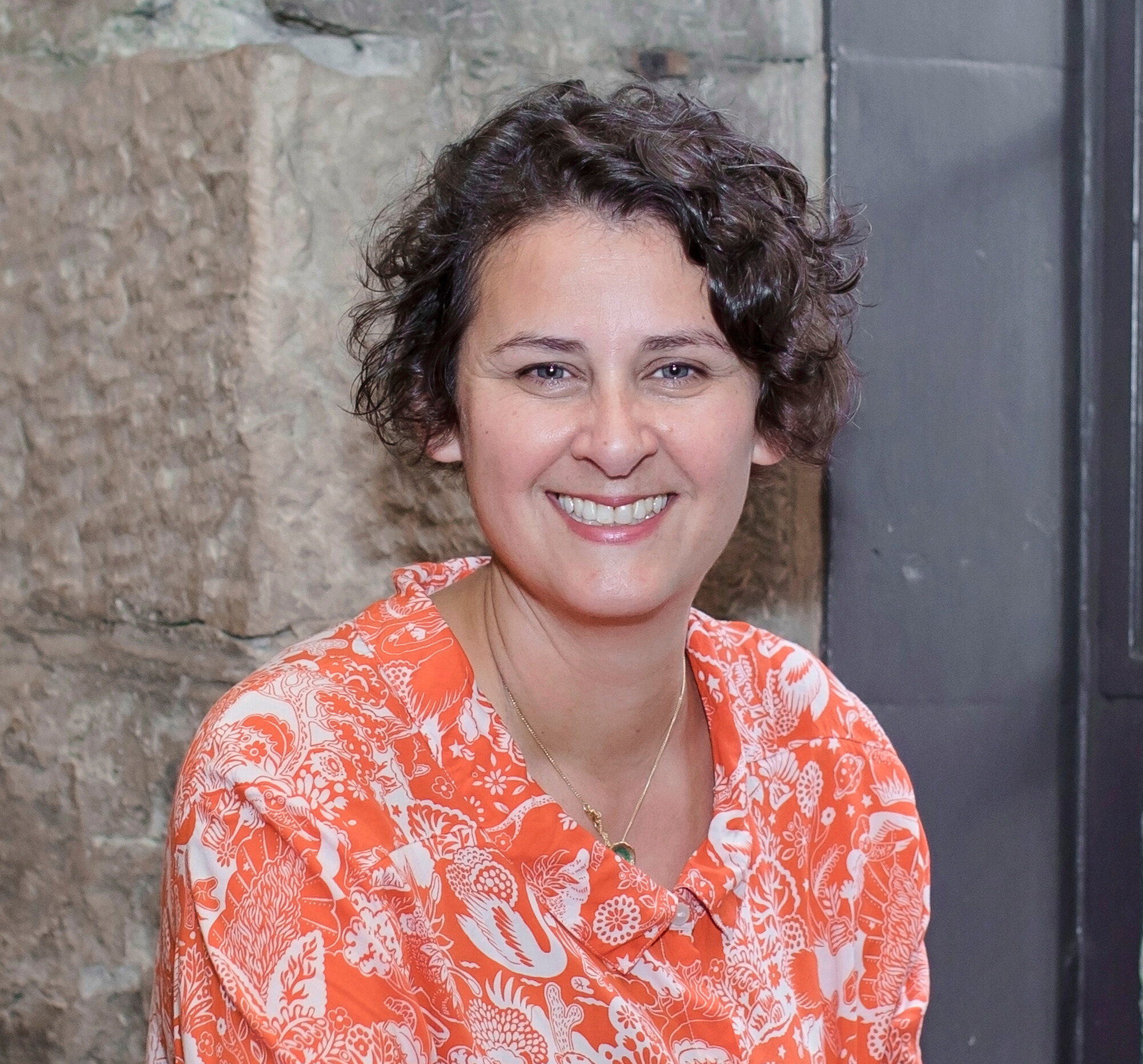
Emma Dhesi
Emma writes women’s fiction. She began writing seriously while a stay at home mum with 3 pre-school children.
By changing her mindset, being consistent and developing confidence, Emma has gone from having a collection of handwritten notes to a fully written, edited and published novel.
Having experienced first-hand how writing changes lives, Emma now helps beginner writers find the time and confidence to write their first novel.
She is a certified Author Accelerator Book Coach