Feel a burning desire to write your debut novel but can’t seem to get past the first sentence?
What’s the invisible wall preventing your story from flowing onto paper?
You feel it, don’t you? The profound call to put your ideas onto paper, yet each time you grasp your pen or open your laptop, you’re met with a wall of resistance, right? 😥
Let me guide you through a transformative journey…
Speaking as a seasoned author with four published works…
Trust me when I say you are not alone.
There’s more to this tale. 😌
The obstacles you’re encountering on your path to penning your first novel? They’re not unique to you. They’re experienced by countless authors across the spectrum, published or not.
The inner critic is that horrid voice inside your mind that, if left unchecked, grows in mass and spreads, stealthily, through your being until it stops you from doing the simplest of things.
Some of you will have heard its voice when you look at your body in the mirror, when you want to embark on a new relationship or have to have an awkward conversation with someone.
Your inner critic will have been loud and proud if you ever had the temerity to ask for a pay rise and it positively screamed in your face when you decided to write your first novel.
You know the kind of thing it says:
Who do you think you are to try writing?
People will laugh at you.
You haven’t got the talent for such an ambition.
You can’t spell, how can you write a book?
You’re too old.
You’re too lazy.
Remember what your teacher said about you? “Could try harder,” which was code for, “So untalented, don’t even try.”
I’ve been at the mercy of my inner critic for my whole life. I’ve spent much of my adult life convinced people don’t like me because I’m too loud, I speak my mind too freely, I always go too far and have the professional knack for saying the wrong thing at the wrong time.
The other thing it tells me not to do is ask questions out loud for fear of looking stupid!
My inner critic had a field day when I became a parent because this was a whole new realm in which it could tell me, every day, I was failing. What made this worse than simply not being liked, was that I was ruining the lives of my children by attempting to parent them.
And, of course, when I wrote my first novel, my inner critic was quick to caution me.
“It’s okay to write and publish your story,” it said. “Only don’t tell anyone about it because it’s so awful.”
“What about my five-star reviews?” I countered.
“They are pity stars.”
“Oh.”
You’re not alone
So you see, the inner critic exists in everybody’s psyche. It’s only because we don’t publicly share the cruel things we say to ourselves that we think we’re alone in this quagmire of self-loathing.
I’ve had so many emails from people who have expressed thanks and relief when I’ve shared the things writers feel about themselves. Someone who, in almost all areas of life, is confident in their abilities will crumble at the first word of self-criticism lobbied at their creative work. Even non-fiction writers who turn to fiction feel the wrath of their inner critic.
In this article, I’m going to share examples of how other writers have moved through their inner critic and how they’ve done it. But I can share up front that it is far simpler than you might expect and it’s been the biggest game-changer for me. Out of all the personal development work and therapy I’ve taken part in over the years, this has been the most impactful.
Ladies and gentlemen, I want to introduce you to your Nerds.
Meet the Nerds
Your Nerds are the personification of the different criticisms levied at you, by you.
One Nerd will criticise your weight and cellulite dimples.
Another will point out every little laughter line around your eyes (a friend of my mother’s made a vow to stop laughing to mitigate the damage. It didn’t last long. She is a woman who loves to laugh, hence the laughter lines!)
Another Nerd will remind you of how bad you are with money, so you might as well spend what little you do have.
Still another Nerd will tell you, you don’t have what it takes to go for your ideal job. You only have four out of the five skills needed, so best you wait until you have the fifth.
Still another Nerd will tell you not to share your writing in the critique group because, although it’s not happened to anyone else in the group, everyone will laugh at what you’ve written and confirm what you’ve always suspected – you’re a hack.
Do any of these sound familiar? I’m sure they do and I’ll bet you can add in a heap more that are specific to you and your Nerds.
Whilst Nerds are universal and tap into your need to be loved, valued and to feel safe, they are also unique to your own life experiences and the little things people have said to you and which have sunk into your psyche as fast as wriggling in quicksand.
One of my regular Nerds appears before I go live on Facebook. It reminds me I have nothing of value or interest to say, so why am I wasting people’s time?
Before, that voice would have stopped me immediately, but now I tell my Nerd to shut up and I hit “go live”. I’m always thankful I did.
Playing Big
Tara Mohr, in her book Playing Big, talks about the eleven types of voice your inner critic has. I would describe them as your eleven Nerds and they all pop up at different times. Some more regularly than others. Of the eleven, these are the ones most relevant to your writing life:
You aren’t ready yet
This shows up for you as needing to read one more craft book, attend another free webinar, one more weekend workshop or perhaps even a new degree in creative writing.
What I’ve noticed with many of my coaching clients is that they have the writing skills but don’t yet have the self-belief.
The 1-2 punch
Mohr explains this as “The inner critic starts mumbling to you about how everyone else in the room has it more together than you do. Then the critic follows up with ‘get a grip, get some perspective’ or, ‘What is wrong with you? Other people are confident and relaxed … just look over there, at Susan.” In other words, the critic first attacks you with critical thoughts, then shames you for having those thoughts. That is the 1-2 punch.’
For you, your inner critic might ask why is it so easy for everyone else to share their work in the group? It follows up with stop being a wimp, share your pages and get feedback. Look at Susan, she’s doing it.
Can you see how prohibitive your inner critic is? Do you recognise it in your own thinking? Take a moment to write down the most common criticism you levy at yourself when it comes to your writing.
Later, when you go to do your writing, note down what your inner critic says then. Take a moment to reflect that this is your Nerds. Nerds that will always sit on your shoulder, that are part of you and are there, believe it or not, to protect you.
Hardwired for criticism
When I say hardwired for criticism, what I really mean is hardwired for safety. Human beings are social creatures, and not just because we like a good chat but because there’s safety in numbers.
We may be at the top of the food chain but, individually, we are one of the weakest species out there. We’re not the fastest runners, we don’t have sharp teeth, thick hides, razor-sharp claws, venomous poison or the muscle mass to squeeze the life out of other predators. Nor do we have wings to fly to safety.
Instead, we have tools, forward planning and each other. That’s how we became top dog. So, back in the cave days, it was imperative we stick together and follow the group thing.
If we were to take a risk or do something unexpected or that didn’t fit with the group, we would have run the risk of being ostracised and kicked out of the clan.
If we were kicked out of the clan, not only were we physically vulnerable, but emotionally and socially vulnerable, and that’s not good for a human.
Even though, as a modern human, you are not under any threat while sitting at your desk; you are hardwired to avoid any new thinking in case you do something foolish and are ostracised by your clan.
But why does your inner critic need to be so mean?
Because, if it wasn’t, you’d ignore it. You’d rationalise with your inner critic and go ahead, anyway.
The body has other ways of being mean so it can protect you. For example, if you eat something poisonous or that’s way past its sell date, your digestive system soon lets you know. You vomit, perhaps experience diarrhoea, and you definitely have painful stomach cramps.
This is your body being horrible to you so you learn for next time. Don’t eat the poisonous berry or the meat that has gone off.
Your inner critic is the psychological equivalent.
Now you know why you have an inner critic, that Nerds are a universal condition of being human and that those Nerds will never disappear, what practical steps can you take to lessen their impact?
Make friends with your Nerds
Think of your Nerds as a personality, a character who shadows you through life, making special appearances when you least want them.
Just like you, that Nerd wants to feel seen, heard and acknowledged. When it next speaks up, let your Nerd know that you’ve heard it, that you know it’s trying to protect you but you’re going to do it anyway.
If the Nerd continues to shout, tell it again, “I hear you, Nerd, and I thank you, but I’m going to write this scene. We can discuss it later”.
This has been one of the most powerful actions for me. As soon as I acknowledge that Nerd and let it know it’s not being ignored, its temper dies down. Instead, whilst it’s still worried, it’s also pacified enough to let me write.
A teacher of mine goes a step further with her Nerd. She sees it as a banana sitting on her shoulder who she feeds from time to time to keep it quiet!
How do you see your Nerd? It will be as unique as you.
Final Thoughts: Your inner critic
The more you try to ignore your inner critic or pretend it’s not there, the stronger it’s going to get. If you’ve let it get to the stage where it shouts you down whenever you try anything, then it’s going to be a longer process to make it feel appreciated.
So, don’t give up, keep going, keep talking to your Nerds, personify them if you need to like my teacher does but find a way of speaking to them, it, he or she, in a way, and with the language, that is most calming.
Don’t give up with it because if the voices in your head are screaming at you, it’s going to take a while to calm them down. Think of a toddler in a full swing tantrum. Sometimes you’ve just got to let them ride it out and when they’ve calmed down, then you can talk to them and help them learn for next time. Your Nerd is the same.
Emma Dhesi
Emma Dhesi is author mindset coach and bestseller author who helps writers let go of perfectionism, self-doubt and writer’s block through her signature programme, Unlock Your Creative Block.
She is the host of the YouTube Channel, Emma Dhesi, where she interviews debut and experienced authors alike.
Through her 1:1 coaching programme, Emma helps new authors start and finish their first novel.
Emma provides personal written feedback on their pages and guides them through the emotional rollercoaster that is writing a novel!
This blog post is going to bust the myths you hold about your writing: you don’t know enough, that you don’t have anything original to write and (this is a big one) you should be able to do it by yourself.
I’ll demonstrate that these common myths only hold you back and stop you writing with confidence.
Myth #1 You don’t have the skills
I can practically guarantee that this isn’t true. If you take an objective look at how much writing experience you have, you’ll see you have more than you think!
Even if you’re right at the beginning, writing your first novel, chances are you don’t think you’ve had enough practice to write with confidence. But take a look at the list below:
Webinars
Workshops
Writing classes
Weekend lectures
Short story prompts
Craft books
Degree/MFA
You’ve taken courses, either online or in person at your local library or college. You’ve read craft books, listened to author interviews, read multiple blog posts and, of course, written short stories, scenes and even attempted a few discarded novels.
You’ve read all your adult life and absorbed those stories, even if you don’t realise it. You’ve taken in all you need to tell a story. Obviously there will be a lot to finesse as you go forwards but ultimately, at the heart of it, you know what is needed to write a good story.
Don’t ignore all those little pieces of learning you’ve done over the years, they add up.
Myth #2 All the good stories have been written
It’s said that there are only 7 to 10 types of story and they’ve all been written before. You may be wondering what is the point of writing a novel if it’s all been told before and you’ve nothing original to say?
You couldn’t be more wrong!
A number of Shakespeare’s plays are retellings of older stories. It didn’t do him any harm! What made his versions stand out was what he brought to them: His voice. You can do the same.
Added to the training you’ve received you also have your own life’s experiences, which count for a lot. You’ve been through the ups and downs of life – the elation when you achieve something you’ve worked hard for. The disappointment of not getting what you want. The pain of a heartbreak and the grief that comes with losing a loved one.
You will draw on the emotions you felt at each stage of life and incorporate those into your writing, putting on paper not only what you felt, but what you saw, heard, touched and smelt at those crucial times in your life; and that is where you have the opportunity to touch a reader’s own memories and emotions.
Do not underestimate your life’s experiences. If you let yourself step into those key moments in your life – and really feel them – they are what make your stories unique.
Myth #3 You should be able to do it by yourself
Nonsense!
You can do it by yourself, of course you can. But why would you?
You’ve been trying to write your novel for a long time now. Maybe years, maybe even decades. It’s hard right? Why stumble along in the dark by yourself?
When I needed help getting my eldest to sleep at night, I hired a sleep coach who taught me the techniques I needed to help my baby rest. When I wanted to get fit, I went to a bootcamp class so I didn’t need to study fitness or buy all the equipment. When I wanted to learn how to run FB ads, I purchased a course that told me how to build a successful ad and then I booked extra 1:1 help.
Those were things I could have figured out by myself, but I wanted solutions and I wanted them sooner rather than later. I wanted my child to sleep and the motivation to keep exercising, even though it’s not my natural state of being!
I wanted to learn how to write successful ads without throwing money down the drain with experimentation. I needed a formula to get me started.
Why would I think that writing a novel would be any different? I don’t, and neither should you.
Every writer, especially new writers, needs a team and I believe that the team should include a coach or mentor who will look at your work and give feedback on it. Who will keep you motivated when you feel like giving up and educate you on those bits of craft you haven’t yet mastered?
You know writing is a lonely practice, which makes it doubly important you get the help you need. That can be from a free writing group, a paid online membership, a long term writing class or – what I think is the best investment of time and money – a book coach.
Writing with confidence takes time and support and it’s a complete myth to think that you should be able to figure it out by yourself.
You might be thinking, “yeah, well Dickens didn’t have a coach. Austen didn’t have a coach. Neither did Shakespeare for that matter. So why do I need one?”
Because you’re not them. And neither am I. They are the standouts of their generations. Think of how many other people were writing at the same time as Dickens, Austen or Shakespeare. We don’t know their names. If they’d had access to a coach, maybe we would!
The bad news is that 99% of you will not be the genius of your generation. The good news is, you don’t need to be in order to write good stories and find readers.
What you need is a team to help you stay on track, hold you to deadlines so you don’t let the writing drift into eternity and give you the craft instruction you need to keep improving.
Final thoughts: Starting point to writing with confidence
But I want this to be your starting point. I want you to know that you have enough craft to get you started, that your originality comes from the experiences you bring to your novels and, importantly, you don’t need to write alone. In fact, I encourage you to find a team.
Stop struggling alone!
If you take heed of my advice, you will start writing with confidence because you’ll know that you have something to offer. You have support and this is just the beginning of your writing journey.
There will come a time in your writing life when you question why you’re doing it and if you should stop writing.
The writing life is such an unstable one. You don’t know if your current project has legs, is worth pursuing, or if anyone else will like it. And, if you’re still trying to finish your first novel, you are probably full of self-doubt and fear that you don’t have what it takes to write any novel, never mind a good one.
If you’re in that place right now – wondering if you should stop writing – this post will give you four reasons stopping might be the right next move for you.
Is it okay to stop writing?
Before we delve into the four reasons to stop writing, it’s worth stating up front that it is absolutely okay if you do stop.
You are not your writing. It doesn’t say anything about you as a person. Rather, if you do decide to stop writing, it’s a reflection of where you are in life and what you want for your future – not the quality of your writing.
Whatever you decide, it must be right for you and your life right now.
Four reasons to stop writing
You have a young family
Raising children is the hardest thing I’ve ever done because it is relentless and, if you’ve got babies who don’t sleep, toddlers who are ‘strong willed’ (read: a nightmare!) then it’s extra challenging.
It’s not until they sleep through the night and can do the basics for themselves (get dressed, brush their teeth, eat – who knew getting a child to eat would be so hard!) that you can start to carve out the brain space and energy to think of anything other than simply making it through the day.
Sure, there are women out there who can write while nursing an infant (Vicki Pettersson) but those women will be writers with a contract, a deadline and an advance they don’t want to repay their publisher.
If you’re writing your first novel, you don’t have those external obligations. It’s you and your muse and, when you’re exhausted and emotionally drained by the demands made by your children, spouse and paid employment, it’s no wonder creativity takes a back seat. It’s not a priority in your hierarchy of needs.
When my kids were little, I found it nigh on impossible to write. It wasn’t until they were in kindergarten that I could find 30 or 40 minutes to sit in a cafe and just think about my novel.
I mean that sincerely. I started off just thinking about my novel. Mulling things over (you can find more about that here).
If this is the stage of life you’re in right now, don’t feel you’re letting yourself down by focusing on getting through the day and snatching as much sleep as you can. You can return to your writing at a later date.
You’ve lost the love of reading
There’s a fine line between compulsively doing something that brings you joy and turning that into a job.
If you want to be a published writer, you’ve likely been a lifelong reader (although not always. Award-winning author of My Name is Leon, Kit de Waal, didn’t discover fiction until she was in her twenties). And it was that passion for reading that led to writing.
Because you now study storytelling and are analysing every book you read, novels have lost their magic and don’t give you the same pleasure they once did.
It reminds me of a friend of mine who was a golfer. He lived and breathed the game. Every spare moment was spent on the course, reading about golf and golfers and keeping up to date with the tours. He was also a really good player, so good he turned pro.
Sounds perfect, doesn’t it?
The trouble was, that hobby he was so passionate about and so good at, became his job.
The pressure was on to win every game and earn a living through the sport. That was his downfall.
He began to resent the game and the role it played in his life. In time, he returned to amateur status, went back to a 9-5 job and his love of the sport immediately came back. He still plays to this day.
Do you recognise this in yourself? Have you switched off from fiction because it’s now a job with the associated pressures? If the answer is yes, perhaps it is time for you to stop writing.
The thrill has gone
You’ve been writing for decades, always with the ultimate aim of writing a novel. You’ve started lots of projects over the years. Perhaps you’ve even been working on the same book for as long as you can remember and now you’re over it.
When you take a moment to reflect on your writing and what it means to you, you realise the moment has passed. The passion and thrill you once felt for writing has died a long, slow death and, in fact, your energy and enthusiasm lies elsewhere.
Life has moved on.
There’s no shame in that. Your life goes through seasons. Perhaps fiction writing was an antidote to the academic work you did as a student, or light relief during your working years. Maybe it was escapism when your children were young, or even a dream your parents had for you.
Writing has been part of your identity for so long now it’s hard to imagine life without it. If you stop writing, you’ll feel like a failure or that you’re giving up on yourself when the opposite is true.
When you let go of something that feels like a millstone around your neck, you are setting yourself free.
I used to feel that way about cigarettes. I had smoked for so many years, I couldn’t imagine who I was without them. Those little sticks of tobacco were an extension of my hand and had been my faithful friends for decades. When it came time to stop smoking and move on to a new season of life, I had to update how I saw myself.
Is it time for you to do the same with writing, now that the thrill has gone?
It’s not worth the cost
Writing your first novel, or indeed any novel, comes with associated costs: emotional, time and financial.
You know yourself there is a whole heap of emotion poured into the novel you’re writing. When you’re on a roll, it takes over your mind completely. It’s the first thing you think about in the morning and the last thing you think about at night.
In that phase of writing, you cannot wait to get to your desk and pour the words onto the page. It feels marvellous and almost frenzy-like in how you pour those words onto the page.
Alternatively, there are periods where you don’t want to go near your writing. And the emotion that comes with that is guilt and shame. It can burn into you and leave nasty scars of self-reproach and recrimination.
It also takes time to write a novel. If you want to get to the end of a draft or rewrite, you need to prioritise your book above almost everything else, so time that you might normally spend doing other things or spending with other people, you in fact spend on your own at your desk with the characters in your book.
This does mean that, for a temporary period of time, other things take a back seat and only when you’ve finished your draft can you reapportion some of that time to the other areas of your life.
And, of course, there is a financial cost. If you are going to publish your books, there’s the cost of working with a coach, hiring an editor, finding proofreaders and beta-readers. If you are self-publishing, there is also the cost of finding a book cover and marketing that book.
You might now be at a time in your life where it’s no longer worth it. The cost is too high for you right now and you would much prefer to do other things.
Again, there is no shame or embarrassment to be had around this. Instead, acknowledge that it’s not a priority to you anymore and instead take that emotion, time and finances and use them in other areas of your life that give you more joy and do feel worth the cost.
Final thoughts:
As you can see, there are at least four reasons you might want to stop writing. Perhaps there are others that are not mentioned here. But for whatever reason you decide to stop writing, please know that it doesn’t mean you’re a failure, it doesn’t mean you don’t have what it takes or you don’t have the talent. What it means is your life has moved on in other directions and other areas.
At one stage of my life, I was an actor and I couldn’t envisage my life any other way. I later trained as a librarian and thought that would be my future. I then thought I was going to be a property magnate, but that was short-lived. Now I’ve found my calling in life and I’m in the right season of life for it. My children have grown. I still love reading and it gives me a thrill every time I finish a new chapter.
Writing my novels is still worth the emotion, time and financial cost.
Which season of life are you in and are you ready to stop writing?
Emma Dhesi
Emma Dhesi is author mindset coach and bestseller author who helps writers let go of perfectionism, self-doubt and writer’s block through her signature programme, Unlock Your Creative Block.
She is the host of the YouTube Channel, Emma Dhesi, where she interviews debut and experienced authors alike.
Through her 1:1 coaching programme, Emma helps new authors start and finish their first novel.
Emma provides personal written feedback on their pages and guides them through the emotional rollercoaster that is writing a novel!
Nikki, thank you so, so much for joining me today. It’s lovely to have you on the show.
Nikki Vallance:
Thank you. It’s lovely to be here.
Emma Dhesi:
And now always start off the show by asking my guests tell us about your journey to writing. How did you get to where you are today?
Nikki Vallance:
Yeah. I’ll give you the potted short history because it’s, as you can imagine, with most of your guesses, it’s a little bit torturous. But basically, I’ve always been a writer. And I, I didn’t actually realize how early I’d started writing until my dad showed me something, he kept sorting out some stuff. And there’s a little story I’d written with some pictures, it was about kangaroo. I don’t even remember writing it. You know, I think it was probably about six at the time. And I wrote loads and loads of poetry. When I was in junior school, I wrote a teenage diary, which lots of people do may or may not be something that people would share. But it was a habit that I was writing every day. And then it all sort of got put to one side. And you know, life took over and work and everything else. And I guess I’ve always been writing because I used to write sort of marketing material. And I was in recruitment for a long time. So I was writing CVS in Habibi write CVS. But I basically had a coach at one point. And it I was pursuing three goals. One of which I said to her, if I don’t want to be structured, my whole life is structured, I’m in sales. I’ve got a sensible health goal, a sensible business goal, that actually is what’s something really exciting and new and fresh. And so I settled on having a creative goal. But I said, well, let’s just leave it free and see what happens. And so within a week, I came back to it, and actually, I think I’ve decided what it is I want to write a book. And within a second week, I said, No, I know what the books gonna be about. It’s going to be a novel, I’m going to publish it. And so it went from being unstructured to being completely structured. And then, and that was sort of, it took me from that point nine years to write my first book. And I’ll chat about that a little bit more. But once I decided I was going to write a novel, effectively, I was sort of prepared to sort of commit to it and admit that I was doing it. But really, it was all quite sort of secretive, really. And then there was a bit of a shift later on, when I went, No, this is gonna finish it. And then I finished it. And then and then we go from there.
Emma Dhesi:
That’s so interesting that you even though you’d made the commitment to yourself, and you’ve made that decision, which I think is kind of that’s you halfway there, once you make that decision, you’re a big portion of the way there. But what do you think it was that made you be sort of reluctant to share that with other people and sort of say, I’m going to do this,
Nikki Vallance:
it’s really interesting, because I think it’s something that a lot of people suffer with, when they first start, if you haven’t gone and studied something formally, but you know, deep down, it’s something you are really passionate about. Sometimes it’s very hard to sort of believe that you can do it unless somebody else validates it. And so lots of my clients now we’ll talk about this later, perhaps lots of my clients now say to me, but I don’t want to share my work. Because what if somebody doesn’t like it? And, and I’ve now realized, obviously, because I’m many years in that the best bit about sharing work is the feedback you get from people. And I say to look, please tell me exactly what you think. Because actually, that’s what helps me get better at what I do. And so I’m quite, I guess, thick skinned now and I say to people, look, not everyone is gonna like every book that’s that’s it’s subjective. The whole thing about art and and writing novels is that they’re not going to appeal to everybody. And so, but actually, if you can be constructive about what you’re saying to people, then that will help them to sort of understand is it something fundamentally that’s causing issue for everybody? Or is it just a dislike because somebody who doesn’t like that particular way of writing or that particular genre, so I’ve gone from being someone who was very reluctant to share, to being someone who’s happy, really happy to do it. And I think it’s actually that turning point is when you realize, if you don’t share, you’ll never, ever get your book in front of people. No one’s ever going to see it. So you have to kind of get over yourself and say, Okay, I’m gonna share my work.
Emma Dhesi:
Take that risk, kind of risking that it will be successful. Yeah. So talking of which your debut novel pivotal was published in 2019. Yeah, I’d love for you to tell us a little bit about it. And the inspiration behind it because it’s a fantastic premise.
Nikki Vallance:
Yeah. So um, it is a story that starts out With four seemingly unconnected lives of four women in their 40s. And they’re basically all thrown by a mysterious request that comes from nowhere. And so it actually does really disrupt their lives to the point where they can’t really cope with making the decision because they’re put under some time pressure. And there are also some strings attached, shall we say, so that it’s not just as simple as saying who you are, here’s some money. So they go to a hypnotherapist to make that decision. And actually, throughout the story, you’re wondering, are they connected? If they’re connected? How are they connected? But also, what are they going to do? And they’re going to say yes, or they’re going to say no, and that’s what pulls you through the story. But actually, the the premise behind it is, is all about what makes us who we are. And each of those individuals has had things happen to them in their lives that have been turning points have been pivotal. And how does that shape us? And it’s those questions about, you know, what, if they’ve done this, or what if they’ve done that? Where would they be now? How would they be responding to this dilemma that they’ve been facing? Yeah. And so that was the premise where it came from Good. Goodness knows, I literally, as I said, earlier, when I had that goal, I thought for quite fancy writing a book, and then I was going to sleep. And often that’s the time when your brain is quite creative, because it’s apparently because I’ve done like colored research with the circus, there’s a stage between what awake and sleep where your brain is in what they call FISA waves, which are below the surface of conscious thinking. And often, that’s where your inspiration can come from. And so I literally had this idea of, okay, if if this event occurred, how would that how would those parts of those those people be affected? And, yeah, so that’s where it came from. So the whole story arc, and those four characters literally landed in my brain, in, you know, in a second, as I was going to say, look, okay, that’s it, then I’ve got the idea. Of course, then you have to build the whole story around that. And that, that takes time. But yeah, but the initial premise came very quickly.
Emma Dhesi:
I can really relate to that, because I’m of a certain age now. And I’ve certainly kind of got to that halfway point, and been looking back on my own life and looking at the decisions that I’ve made, and some I have regretted some I’ve not, would I make the same again, it’s such a interesting period of life, I mean, know, to be able to look back with a bit of distance as well. Think about my kind of youngest now. So I’m sure a lot of your readers must be able to kind of relate to that.
Nikki Vallance:
I think, um, I do think that that is something it’s to do with a certain point when you do start looking back at but also, I think that lots of people are sort of channeled through this sort of standard way points in their life. So they think they have to do things in a certain order. And I’ve never been someone who’s felt that way. And so for example, with careers, I’ve changed direction, four times. And I do it at every point, it’s when I get to a bit more, I think, well, this isn’t actually satisfying me something’s missing or something, I want to explore something else. And I’ve always been interested in lots of things. And we spend so much time working that you have an absolutely passionate about this, you have to be spending time doing something that you love. Writing is an interesting thing, because you don’t actually have to give up a job to be a writer. In fact, probably I wouldn’t recommend that you do. Because it’s not that easy to make money from I mean, obviously, some people are very successful and do but the majority of writers, even some of the best sellers have another job as well. And so actually, the great thing about that is you don’t have to decide between two things. You could do both. But yeah, so I think it is those those sort of waypoints where you think, Okay, what am I going to do now, I’ve always believed from from quite a young age that actually you have to make sure that you are happy to doing what you’re doing. And if you’re not ready to go, you can take control of that, and you can change that direction. But you’re right about the midway point. And I guess I didn’t necessarily deliberately intend to write pivotal for people who are midway, but now I’ve been, I’m starting my second novel, and actually, that is the people I’m writing for. And it’s, it’s basically the kind of book I would want to read. And that’s why that’s why I wrote what I wrote. But there’s also definitely not enough books, written with characters, strong character, strong female characters who are at that stage of life. And I’m kind of trying to redress the balance a little bit and put more of that work out there. Because I’m sure there are lots of People who would like to see themselves reflected in the books they read, and there aren’t enough of them. So yeah, yeah. So that’s what
Emma Dhesi:
I yeah, I’ve read it. And I really enjoyed it. And I love being able to see elements of myself in all of the characters. So I really enjoyed that. Good. But So as you’ve mentioned, you know, you’re you don’t only write you also help other writers as well. And you, and one of the ways you do that is with your Facebook group. Yeah. And the Forgotten Books of lockdown, which I think is a lovely title. And I love what you’re doing here, because you’re matching authors with readers who may not have found each other because of lockdown. A lot of things were cancelled, weren’t they? Yeah. And is that what inspired putting the series on? And can you tell us a bit more about the series?
Nikki Vallance:
Yeah, so Okay, so the groups called the last books, lockdown. It’s a private group, but anyone can join, there’s just a few questions you need to answer to sort of show why why you think it would be suitable for you. And it’s absolutely for that reason to, there are lots and lots of events that didn’t happen, lots of festivals that didn’t happen. And also lots of people published books that don’t have massive marketing budgets, or displays in more stones. And those books are just as good sometimes, if not better than the books that you would obviously find through all that promotional activity. And so I just felt, okay, I can’t be the only one who feels they had a book out that hasn’t really reached enough people yet. What if I just said screw up and see what happens. And quite quickly, it kind of took off. And, and it is a mixture of people who are just pure readers who love finding new authors, people who are who are authors, often also readers, because that’s quite common. And also a few people who offer services to, you know, to the authors, to help them with their marketing, or social media or editing, or whatever it is, I’m trying to bring in those experts as well to help solve some of the problems that the writers have. And also some people who are readers, but I would call an expert readers. So for example, I interviewed Ann Williams, who’s a blogger, she’s got over 10,000 followers. And she is an avid reader. And she reviews for people and she is part of blog tours. And so she is someone who has, you know, she’s She doesn’t do it for money. She does it for the love of books, but she’s someone who the readers might be inspired by the watching. I might fancy doing that. So it’s really meant to be because there’s lots of groups writers, there’s lots of groups readers is really meant to be both
Emma Dhesi:
for both. Yeah, no, I caught that one with Ann Williams. And it was really good, because it just taught me a bit a little bit more about the blogging world, and from a writer’s perspective, more than a reader’s Yes. How influential it is, is quite amazing.
Nikki Vallance:
Yes, absolutely. And I think, you know, what I like about the group is, it’s sort of, it’s not for me, it’s for everybody. And everyone seems to be respecting what the group is for. And it seems to be attracting those kind of people who actually really respect the the effort that somebody like am puts into her passion. She doesn’t get paid for. And I mean, there are lots of people who can be a little bit snarky in the world, particularly in social media. And it seems to be that most people who are there aren’t that they’re actually really genuinely wanting to connect with people and and help each other. So that’s really great. So I do to say at the moment, there’s very few features is quite new. Still, there are two features. One is a weekly interview with an author. And the other one is a monthly interview with an expert. And there are more features coming in the new year.
Emma Dhesi:
Are you able to share at give us a teaser? Or you want to
Nikki Vallance:
know No, hopefully, hopefully, what’s happening is I’ve just literally in the group put a questionnaire together for people to answer so they can actually stay what which features they get when, and also the ideas I’ve had, they may not be the only ideas, some people might have some brilliant ideas of things that we could be doing. So I’ve asked people to make suggestions or to agree with the ones that I’ve come up with to see which ones we do first. And I think probably the first one is going to be a directory so that people can actually search for what they’re looking for. So if they’re looking for help with their book, they can look for that with the business experts or if they’re looking for a particular genre because they’ve got I don’t know, a 12 year old niece and they’re looking for a book for girls about adventures or fantasy or whatever, then they can look for that. Or if they’re authors, they can even if the readers are prepared to share what they’re interested in, find the readers who are looking for their genre, so hopefully it helps people too, because sometimes a feed in a group does have become a little bit outdated quite quickly, it’s hard to follow. This is sort of one way of getting to the action as quickly as possible. So I’m thinking it’s, I’m hoping it’s coming very soon, but I’m not quite sure exactly when it be ready. So
Emma Dhesi:
that’s exciting. And what a great idea. Yeah, I love it. Yeah, um, so you have their Facebook group, but you also kind of on a more personal one to one basis, you have your coaching programs that you offer. And there are fabulously titles. So would you take us through each of those?
Nikki Vallance:
Well, I’d like people to go to the website to look at them. Because it was just a little bit of fun. But basically, there are three different coaching packages which you can take up if you’re wanting to work with me one to one. And I know that not everybody would want to do that. But if you decide to do that, basically, you’ve got people who have no idea what they want to, they just know they want to write a book. So there’s a packaging there for them, they’ve got no idea about anything, and they need lots of structure and support. And I would help coach them through that. And then you’ve got people who have actually had quite a clear, clear idea about what they want, but they really know they’re not very great at staying accountable. So they just want someone to keep them accountable. And there’s one for that. And then really, it’s just if you want to think about the the ideas that you have, and the the kind of mapping that out. So you’ve got quite a strong idea about everything, but you just don’t do it on your own, because it’s quite a lonely thing, then I can help you do that. And yeah, so everybody’s different. But to be honest, what happens is often people start on the program, and then we go wherever, wherever it takes them. So pretty much everybody who works with B, it’s kind of a bespoke kind of variance.
Emma Dhesi:
Yeah, another by one to one coaching is that you do get that tailored approach. So you might start off with the system at the start of the program, you need one level of support. And then by the end, you need a different type of support. And when it’s you’ve got that relationship with your coach, then we can work together and move together through that very fluid. Now, you mentioned at the top of the show there that you’ve also worked with coaches before? And what do you what’s been the benefit, and some of the coaches, you’ve worked with how they helped you?
Nikki Vallance:
And okay, so I would say I’ve probably three or four times I’ve had a coach sometimes, well, nearly always for different reasons. But I would say the most important thing that I have found having a coach does for me is it gets me where I want to go more efficiently more quickly. And the reason for that is that a coach will give you will have a clarity of distance, they can see stuff that you can’t see, you might be saying it, and they can read the energy in what you’re saying. And they can hear the words you’re saying and reflect the back to you. And then you get insight and you go, Okay, well, I understand now why I’m stuck. And it helps move you forward. So you can absolutely write a book on your own. I did, there’s absolutely no reason to go and seek support. However, if you know where you want to go, and you want to get there more quickly, more efficiently, then just having somebody alongside you to make that step change is I think the best thing, so whenever I’ve done it, as I said to Jim, for different reasons, my life has looked completely different at the end of a three month period than it did at the beginning. Yeah, and so many things that I was stopping myself from doing have been lifted, those barriers have been lifted, and I’ve moved forward and it kind of takes on a bit of a momentum. I think you have to be careful to you have to be appreciate that when you start it will be challenging. But it will take on a bit of a life of its own because all those things you’ve told us if you can’t do it will actually show you that you can Yeah.
Emma Dhesi:
Oh so beautifully said I couldn’t have put it better myself. Yeah. Exactly that that transformation that you didn’t even know it’s possible for you being and do you coach across all different disciplines. Do you fiction, nonfiction poetry, or do you have a preference?
Nikki Vallance:
I tend to I think I could I think it’s a bit like teaching if you have a skill to do something you can you can coach anybody but I prefer to coach people who are writing novels. Mainly because there’s quite a lot services out there. So really good coaches you focus on like for example, business books or nonfiction passion projects. And it is actually probably a more structured process because those books tend to be very similar to each other. You know, there’s an expectation of what will be in them in the structure they We’ll have, and I think we’ve we’ve novels, I think it’s harder for people to know what they should be doing. It’s hard for them to be confident in themselves. It’s harder to have the right mindset. I think if you’ve got a business, you’re writing a book for it, you’ve already got a business, you know that this is part of your business model. Whereas when it’s when it’s something you’re doing from your heart, and it’s nurturing your soul, I think it’s, it’s harder for people. So in a way, although I could help anybody, those are the people I really feel would benefit best from my from my support. Yes, absolutely.
Interview with Nikki Vallance
Emma Dhesi:
Oh, my goodness. Now, as if that was not enough, as if you are not busy enough, I also host a writing community as well, called the writers poured. So how did how does that community work?
Nikki Vallance:
Okay, so it’s a very small group. And it refreshes every so often at the moment when we’re not running a program with it within the group. But basically, it’s, it’s what I would what I would describe as a writer’s group. And I set it up, because there’s lots of people who can’t go out well, at the moment, nobody can, but can’t go out regularly to a venue to meet up with fellow writers and the support that you get from being with a group of writers. So I thought, well, if it can’t go out, why don’t we have an online group and, and it’s an on top of that, because I’m a coach, why don’t I coach people, so when they don’t necessarily need or want one to one coaching, they can come to the writers pod. And they get a regular touch point, not particularly detailed coaching, because it’s very difficult to do that with a group. But certainly the structure and the accountability, and different challenges. And they can do different features where if they’ve got issues, they can actually discuss those issues with each other as much as with me. And that is the beauty of I mean, you’ll, you’ll know this, but if you’re in a group, with like minded people, who all have a similar goal, but they’re all individuals, and you feel supported and you feel it’s safe, then you can do that thing where you start sharing, because you may not have ever done that before. And this is a place where you can practice that sharing as work. And it doesn’t have to be part of your novel, it could be any piece of work that you’re working on. And often we would have like a writing theme. And I just get people to do a little flash fiction or something. And, and then it comes back. And then they get feedback, direct feedback straightaway. And, and so it helps to them to grow their confidence in themselves. And the main reason why I did it is because I felt that people more often than not, the thing that’s going to cause them an issue is their mindset isn’t really the ability to write or their creativity or anything else. It’s about their mindset and their self belief. And this this little group, which normally only has sort of an attend to 30 people in at any one time, really did give that to the people who were who are in it when it’s when it’s active, but at the moment is not active. And is one of the things that might get resurrected next year.
Emma Dhesi:
Well, it sounds fantastic. It sounds really perfect free, as you see for those people who are still nervous about sharing, don’t have that confidence, a really safe space for people to sort of spread their wings or put out some tentacles. Yes, you do. Yeah. One of the things that that was part of that, which I was really interested in was your the creators clinic. Yeah, where people could come and ask you questions. And so did you notice there? Were there any kind of themes around the questions? Was there questions that were more common than others? What did you notice? Yeah,
Nikki Vallance:
yeah. So very early on the things that people struggle with most when they say they’ve made the decision to write a book, but they haven’t got any knowledge about how to go about it. So the things that come up time and time again, are concerned about copyright. People worry that, for example, if they send their book off to an agent, what if someone’s going to steal it? And it’s quite a legitimate concern, because you’d have no idea how this thing works. But so yeah, that would come up. And the answer to that is, once it’s written, it’s if it’s in your name, then that’s it. It’s yours. policing, it is another thing. But um, but yeah, so and, and at the end of the day, you’re not going to write the same thing. Even if they stole the idea. It’s going to be written by somebody else. It’s not going to be the same book because that’s not written by you. So yeah, it’s one thing that early concern that ends up not being a problem. The most common the most common thing is, well, there’s two things one, where do I start? People have no idea where to start when they when they think about starting, they just haven’t got a clue. What should they do? Should they plot should they make characters should they? I don’t know. Think about which method they want to publish through. And so basically, there’s, there’s a few key things that they can do to get started. And the main thing is actually to get on with it, is to just start writing. And if that’s a struggle, putting in place some kind of process, so a particular time of day or a certain number of words, just something that structures it. So that isn’t an ad hoc thing. And those are the two things that I recommend to people straight away before they do anything else. And then the other thing, apart from the where do I start? Question is, how do I make myself believe this is possible? You know, how, where do I find the confidence to make this happen? Because I, once they’ve admitted they’ve been over a few weeks, I don’t think I can do this. Something in my head is telling me I can’t. And we just work on that mindset thing. We just work on that and say, Well, you know, actually perception is, I think it’s actually even in my book, I use this phrase perception is nine tenths reality. So if you believe something is possible, it will happen. And if you believe it can’t, it probably won’t. And what you have to do is get in the head of the person who has already written the book, project forward, and imagine it’s happened. And then think about how that affects the way you think and feel and write. And believe you are a writer, I don’t know what happened to me. But when I first had a form to fill in, I think it was about six months after I started writing had to fill in a form for medical appointment or something. And it said, you know, what is your profession, and the first time I put a writer down was like, Oh, I just, I’m a writer, and then put slash recruiter slash. Yeah, so get into that turning point is actually allowing yourself to claim it is is a big step. Yeah. And I think that’s something that people worry about, how can I say that I’m a writer, when I haven’t even got a book to show people what you start writing you are?
Emma Dhesi:
Yeah, it’s one of the things I sort of encourage my students to do as well. There’s just that mantra of I am a writer, I am a writer and just kind of keep seeing it, even if it’s just to yourself, but initially, it’s just a way of sort of building that, that belief in yourself. And until it feels less alien, yeah, and actually becomes a part of you. And when you believe that you’re a writer, you can step into being it and you step up for yourself and start prioritizing your writing and believing that you can do it.
Nikki Vallance:
I did. I did a little survey, it wasn’t a scientific one. I did a little survey in a big writers group on Facebook a few years ago. And once I’d kind of analyze the results. There were three answers that kept coming, because I asked them, what would the three most important attributes of a successful writer be? And three, the three that were most common, and it was surprising. The first one was you need to have creativity. Sorry, that was the third one rather, the third most popular, and I thought I would be the first I’m gonna thought most people would say you have to have, you have to have creativity, you have to have talent. But that came up was important, but not that important. The second most popular was you got to write you got to practice you just got to do it you got to be the more you do, the better you get. But then the most popular answer by twice as many as the others was persistence. It was actually about doing just keep on keeping on you need it for everything you need it when you start writing to keep yourself going. You need it when you ask for feedback you because you get knocked back there. You need it when you’re sending off work to agents, you need it when your book reaches the shops and maybe doesn’t sell as much as you’d like it to. Yeah, you need it when you get reviews and they’re not ones you want. So basically just got to keep going and and know where you want to go. I mean, I think that’s something that people find difficult. They just want they don’t want to write a book. They don’t know why. I think you can find out your real deep down why what are you actually trying to achieve? You know, then actually makes everything else all the decisions you have to make much much easier.
Emma Dhesi:
Yeah, so true. So true. It has become a bit of a cliche. Now this ask What’s your why, what. But the reason it’s a cliche is because it’s so important, and it’s so true. Yeah. And even if it’s just organizing your child’s birthday party, you kind of got to know that you’re going to do that if you want to achieve it. Yes. Big difficult project like writing a book if you know why you want to do it and what you’re trying to achieve and what success looks like for you get that project and make the in the steps in between so so much clearer and absolutely manageable.
Nikki Vallance:
I mean, you’ve probably done this as well if you ask yourself on anything. Why but you ask it five times, you know, like you kids do when they’re little but why but wow. During that, actually you get to the real why? Because I think sometimes people say I want to do it because I’ve always wanted to, well, that’s not really deep enough you need to go. But why have you always wanted to? And they just keep asking that question, you really get to the heart of what it is that makes you tick. And and I would always advocate have the biggest possible goal that you could ever imagine? Because it will take a long time. But there’s no reason why you can’t get there. But you have to be persistent.
From time to time, I link to products or services I love using with affiliate links. This means that I may receive a small percentage or fee for referring you to any product you may purchase from one of those sites. It does not cost you anything. These small fees help sustain my small business. I truly appreciate your support.
Interview with Nikki Vallance
Emma Dhesi:
Yes. Yes. Love it. Love it. So you are working on your second book, as you’ve mentioned, are you able to share anything about it?
Nikki Vallance:
I could share a little bit it is. So it’s a similar audience. It’s the characters are in midlife. And it is a dual timeline. story set in the late 80s. And early 2000s and 10s, attend 2010 2011. And it’s, it’s a very easy to determine the genre is a proper romance is a true, true story. Romance. of second chances. Oh, lovely.
Emma Dhesi:
I loved your timeline. So I’m excited about that.
Nikki Vallance:
And also, I think for our for our age group, but I mean, you’re not the same as me, necessarily. But I think we reach a point and we do look back. And actually we often look back to that really formative sort of teens young adult time. And for me, that was 80s. And so that nostalgia really plays into the book as well.
Emma Dhesi:
It frightens me, you know that. Our youth is now considered historical. Whatever makes me laugh. Oh, well. Lovely. It’s been so nice chatting with you, Nikki, thank you so much for joining me today. And just before we wrap up, I wonder could you let our listeners know where they can find out more about you your coaching and your fiction?
Nikki Vallance:
Yeah. Okay. So it’s very simple. My website is my name.com so it’s Nikki and I K Aki. valance, VA Double L ey nc.com. And I am on Twitter, Facebook and LinkedIn. Although not there very actively, and Instagram, all under my name. Some of them I’ve got underscores, but you should be able to find me quite easily and it’s all linked through my website as
Emma Dhesi:
well. Fantastic. Well, I’ll be sure to put a link to your website in the show notes so everyone can can find you easily. Nikki, thank you so so much.
Nikki Vallance:
Thank you very much for having me.
If you’ve been working on your novel for years (perhaps even decades) the maybe it's time to consider working with a coach.
If you have multiple versions of your novel and you don’t know which works best, are scared nobody will like your book and don't feel like a 'real' writer, then my guess is coaching is the right next step for you.
Do you feel as if you don’t have the time or the money to invest in editing your novel? I know an online course that can help you to transform your manuscript WITHOUT breaking the bank. It’s called Book Editing Blueprint: A Step-By-Step Plan To Making Your Novels Publishable, and it was created by Stacy Juba of Shortcuts for Writers.
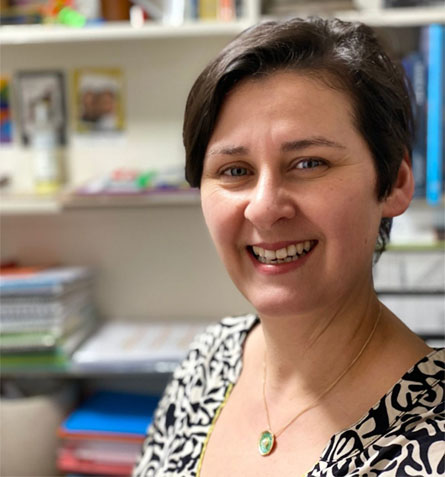
Emma writes women’s fiction. She began writing seriously while a stay at home mum with 3 pre-school children.
By changing her mindset, being consistent and developing confidence, Emma has gone from having a collection of handwritten notes to a fully written, edited and published novel.
Having experienced first-hand how writing changes lives, Emma now helps beginner writers find the time and confidence to write their first novel.
Some of my hyperlinks are affiliate links, whereby I receive a small percentage of sales should you make a purchase. I only recommend resources I use myself. Integrity and authenticity continue to be of the highest importance to me. Read the privacy policy here. Read the cookie policy here.