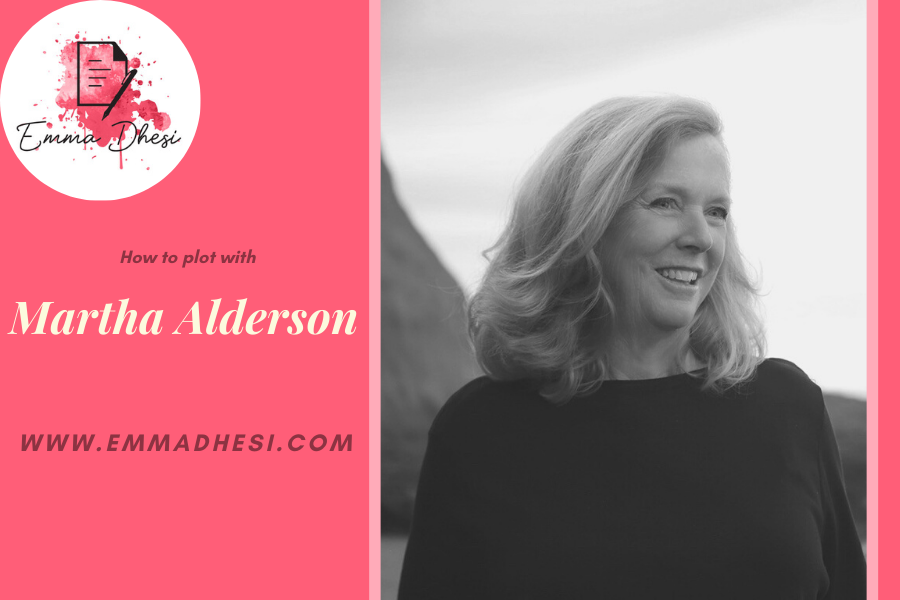
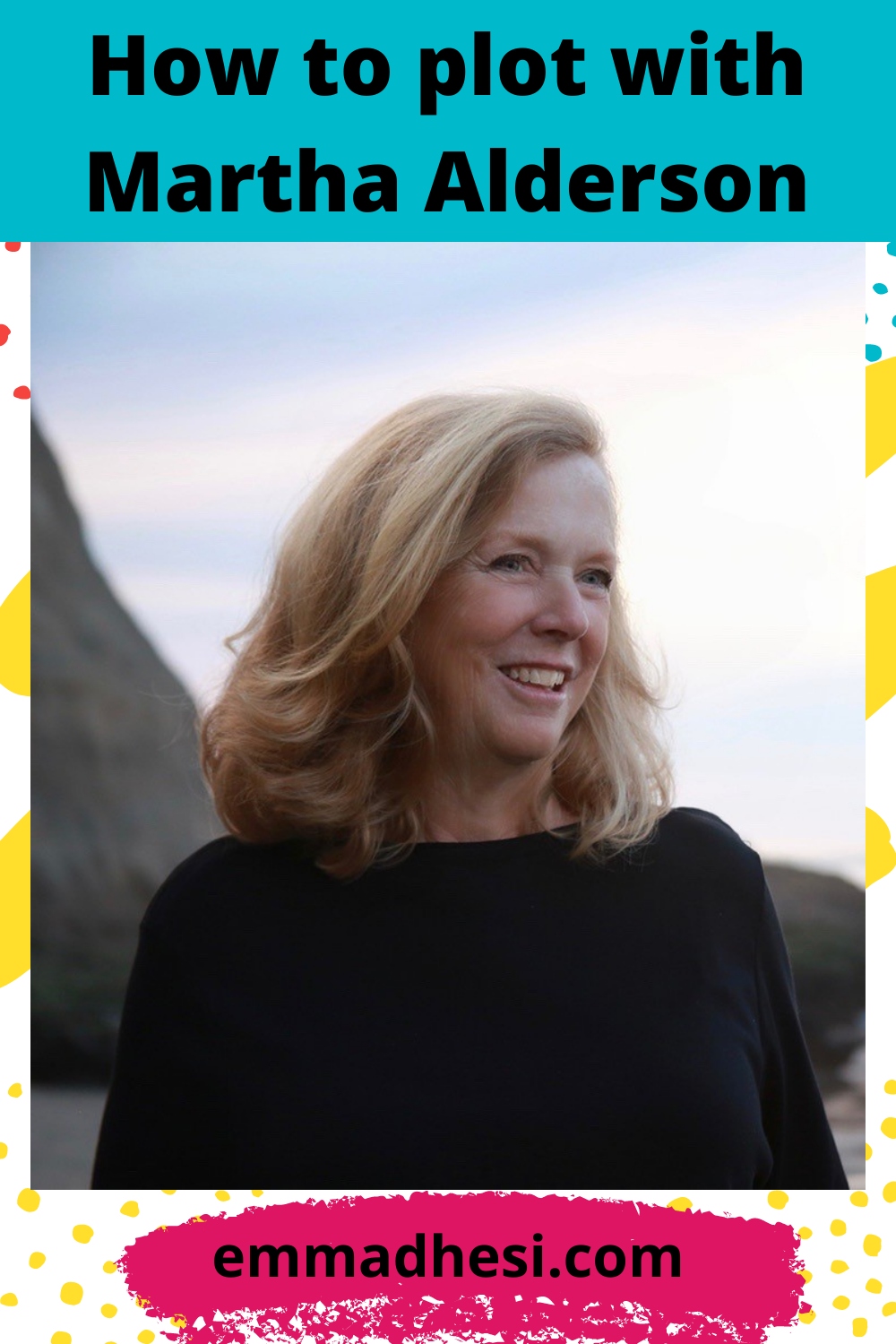
How to plot with Martha Alderson

How to plot with Martha Alderson

How to plot with Martha Alderson

by Emma Dhesi | Turning Readers Into Writers

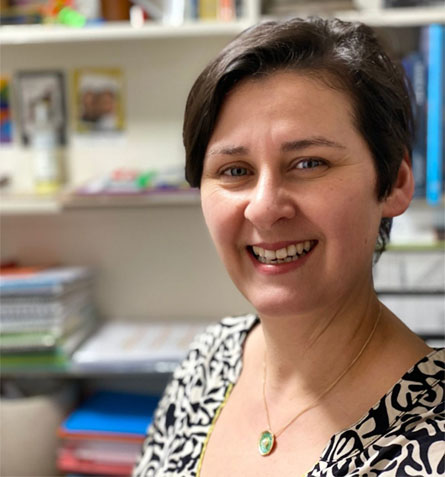
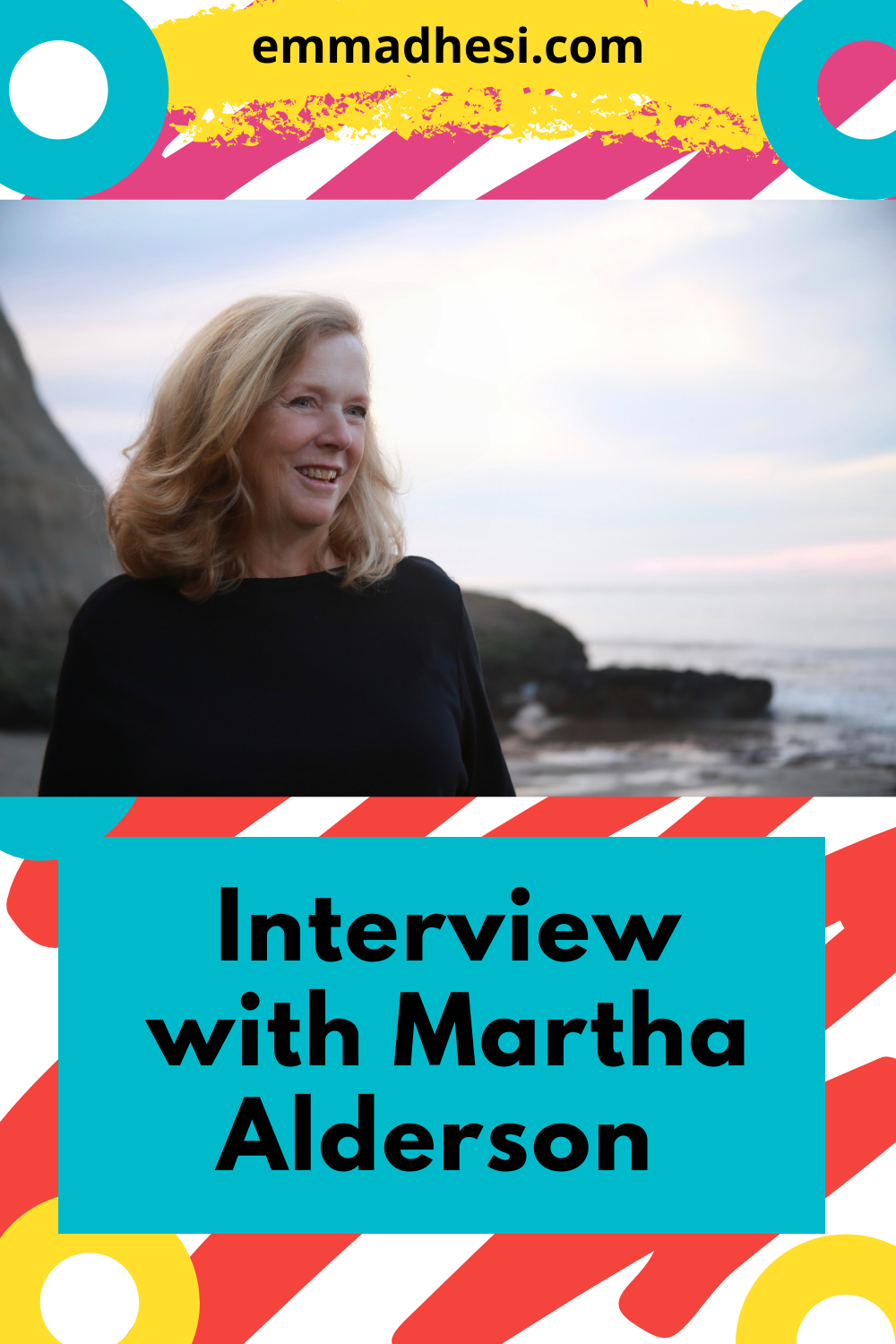
Interview with Sage Martha Alderson

MARTHA ALDERSON, MA is known as the Plot Whisperer for her best-selling The Plot Whisperer: Secrets of Story Structure Any Writer Can Master. 

She writes novels for readers, plot books for writers, and most recently Boundless Creativity: A Spiritual Workbook for Overcoming Self-Doubt, Emotional Traps, and Other Creative Blocks for anyone looking to enrich their lives with more creativity and inspiration. 

She lives and writes in Santa Cruz. 

Learn more about Alderson on her website, and connect with her on Facebook, Instagram, LinkedIn, Twitter, and Youtube.

Well, Martha, welcome to the show. And then thank you so much for joining me today.

Martha Alderson:

Thank you for inviting me.

Emma Dhesi:

A pleasure. I always start off by asking my guests, you know, tell us about your journey to writing two words. How did you get started?

Martha Alderson:

Oh, okay. So I started out by, I had a speech language and learning disability clinic for children for years. And then we moved to Colorado, and my dad was trying to write a biography about one of our ancestors, but he wasn’t getting anywhere.

So I said, Oh, send me everything, and I’ll just get you organised. And, you know, without any writing background, I’d never thought about writing. I wasn’t interested in that I loved what I was doing, helping children, because I grown up dyslexic, and I was nonverbal.

And so I just got hooked. This story kind of came out of me when I was organising these notes. And I just went into this wonderful world of make believe, even though it was a real person. And you know, I was always a daydreamer as a kid. And, you know, I love the fact that you can be a writer and or still be a daydreamer, but call yourself a writer and get away with it, you know, it’s like, oh, yeah, that’s cool.

So, um, but I really struggled with plot, I didn’t understand what it was. And this was back in the day, and there weren’t any books about plot. Now you can find books everywhere about plot, but at the time, even writing, a lot of writing books didn’t even have plot in their table of contents or their index. And so I started analysing hundreds of novels, memoirs and screenplays, and really got what the rhythm was, and what plot and structure was all about.

So I started teaching my writing friends, you know, everybody was asking, oh, will you show me what you’re looking, and it just took off, you know, the saying of following your bliss.

I think the fact that it says follow, because I just felt like I got this hook in me, and I, you know, it was just speeding me ahead, and I was racing to try to keep up. And it wasn’t really planned, you know, plan journey, it was just a reaction journey of, you know, I was being asked to then write books and to speak at conferences.

And so I sort of gave up my own journey of writing fiction in order to help a lot of other people write fiction, which has been so gratifying. Because but what I found was in working with writers, even really brilliant writers, you know, were who had unbelievable mastery of language in this beauty. And we’re just oftentimes the ones that were most fraught with anxiety, insecurity, fear.

And, you know, I was doing these pot consultations, and some of the people I was working with were so nervous about what they were doing, and they were getting rejections or whatever, that they actually had kind of major health issues, some people and, and that really got me to the point of wanting to deal with that part.

Because I could identify with it, you know, I had all those same feelings I think we all do, especially when we’re going into the great unknown, when we don’t know exactly what we’re doing.

We look around, and we think everybody else knows what they’re doing, which happened to me early on with plot, you know, I looked around and I thought, oh, everybody must know plot because nobody’s talking about it. But then I realised once I started teaching it that really, nobody really got what it was either, which was very gratifying.

So that’s sort of what my journey has been. And then this year, I turned 70. And I decided, you know, what, if I don’t do what, what my dreams are, you know, it’s either now or never sort of thing.

So I still do consultations, and I still do, you know, podcasts and workshops, and things like that. But my main focus now is on my own fiction, which is just really a joy.

Emma Dhesi:

Oh, wonderful. Well, I will come to that a bit later. And but I did want to just kind of take you back to that first book, the plot whisperer for which you became most known for, but I find it fascinating to realise to hear you say, no one was talking about plot then it wasn’t a thing.

And yet now as you say, this, this shelves, shelves, of books on plots, that’s really interesting. And it’s another example of, you know, not seeing what you need, and so writing,

Martha Alderson:

what exactly I also think that at the time, sort of thing environment was that for a lot of creative writing teachers, there was a fear that if you got too involved in plot, which is very linear and sort of structured and all of that, that it would somehow tap down the creative process itself.

But what I realised the more that I started, you know, getting into this was, I think that was just a cover, because I think some of these writing teachers didn’t know plot either.

And they didn’t know how to teach it. So it was like, Oh, well, we don’t really need it, we’re just gonna work on this creative writing, which is essential, obviously, but if you don’t know how to satisfy your readership, because all of us who have grown up being read to as children and you know, most writers are voracious book readers.

And, you know, you sort of understand that there is a rhythm to a story to all stories, there’s a, we have certain expectations, whether they’re conscious or not, of, sort of what’s coming next.

And we can use that in a way to twist things around to throw off the, the reader, you know, to get them to be more on the edge of their seat, but you sort of want to know what those things are, so that you can manipulate them in any way that you choose to.

Emma Dhesi:

Mm hmm. Well, I wonder if we could delve into that a little bit more. And and I just wonder what you consider to be you know, the the basics of plotting what what should our listeners kind of at a very fundamental level, what do you feel that they should be most aware of, or giving thought to?

Martha Alderson:

Okay, so I think a plot is both the dramatic action, you know, there’s a dramatic action plot. And there’s a character emotional development plot it lots of times, I don’t know, now, what it’s called, but before it used to just be character development, but I call it character emotional development.

Because we, you know, at one point, emotions weren’t really accepted, you know, it’s like, Don’t show deep emotions, you know, you got to put control yourself or whatever.

But now, people are really into wanting to express themselves fully, which means that we have to express all these emotions. And in a story if you can capture a character’s character, emotional development, how they start, you know, by being a flawed individual, and how they sort of grow out of that or into, you know, emotional maturity.

And then there’s thematic significance, you know, what is sort of the overall meaning, and of your story, what’s pulling it all together into fullness? And so yeah,

Emma Dhesi:

yeah, answer your question. Yeah, I think it did. Essentially, it sounds like these two kind of arcs.

Yes, the action and what’s happening, but equally important, if not more important, would be that emotional arc, that your character is going on a journey, and they have some form of transformation or some form of involvement or understanding possibly of themselves.


Martha Alderson:

I think that the books that are now classics, if you go back and analyse them, you’ll see that part of the reason that they are classics in that they are so beloved, is because the writer did tap into that emotional element.

Whereas for a lot of sort of male fiction, I don’t want to be gender bias. But you know, where I see the mystery, or suspense, or whatever, the character emotional development wasn’t really that involved.

And you can see that in blockbuster movies from, you know, years ago, it was all about the dramatic action, you know, let’s just hit him with all these special effects and all this excitement, whereas I really think writers crave that emotional element, because we know how flawed and fragile we are.

And we want to see that mirrored in the characters that we’re reading about.

Emma Dhesi:

Yeah, yes. And so, when you’re working with new writers, specifically on plots, what are some of the more common mistakes that you see them make as they’re, as they’re sort of grappling with these concepts?

Martha Alderson:

Well, what is the emotional part for themselves, you know, of wanting to give up. Another is that they will constantly go back to the beginning to start over again, you know, like, you get to about the middle of the middle of the story and things get very confusing and dicey because you’ve got, you know, character to all these characters and all this stuff happening and you think to yourself, oh, I gotta go back and get organised.

But really, what’s happening is that you’re set you’re sort of sabotaging yourself because she needs To push through, whether you can get all the holes plugged up in the first or second draft doesn’t really matter, it’s that you want to get to the end. Because in order to know what happens at the beginning, you have to have written the end, not just plotting it out.

But you have to really have written it moment by moment and seeing, not the resolution at the very end, but the climax of the Triumph scene, where the character is able to do something that they couldn’t have done anywhere else in the story, because they had to go through all of the ups and downs and, you know, mistakes that they make along the way and confront all the different antagonists.

And so I think that’s kind of the main thing that I see. And also to appreciate that we don’t necessarily write both plotlines at once, you know, for most of us, we have a preference or a strength, either in writing character, which I find women generally do better with that not to, you know, this whole gender thing is so fluid. Now, I’m not sure how to talk about it anymore, but you know what I mean.

And then for men, often, they do much better with the dramatic action, you know, much more linear, and analytical and logical and all of that. Whereas for a lot of women, it’s much more emotional, you know, what’s happening to the characters internally.

And so when you know what your strength is, or where you feel the most comfortable, you can write the whole first or second draft in that strength straight.

And then to come back and really try to get the other plotline in there in order to satisfy in about the excitement, which is the dramatic action, and the character emotional development, which is sort of the identification between the reader and the story.

Emma Dhesi:

I love that you’ve pointed that out for us actually, that you don’t need to have both plotlines, both arcs worked out entirely. And I 100% agree that you’ve got to finish that draft before you kind of know the entirety of your story, and even what’s motivating your character at the very beginning.

And you’ve put it so brilliantly. Just a moment ago, when you said you don’t need to plug every hole, you’ve just got to get to the end. And I think a lot of em. I think a lot of particularly people who like to plot very heavily they feel they’ve got to have everything worked out before they start writing.

Martha, do you mind? Oh, so yeah. We were talking about plugging the holes. Yeah, right.

Martha Alderson:

And so you don’t need to know everything. And I think what’s interesting is to allow yourself to just write, when you get to a point that you’re not sure, Oh, my gosh, what’s going to come next? It just write in the manuscript, you know, come back to this later, especially if you know, maybe a couple scenes further along.

And, you know, I’m really into these energetic markers, the major turning points in a story.

And if you can at least pre plot those, you know, there’s a major one, at the end of the beginning, there’s a major one, at the end of the first half of the middle, there’s a major one about three quarters of the way through the book, and then there’s a major one towards the end, if you’re aware of what those are both the dramatic action and the character emotional development, then at least gives you this foundation.

And you then are filling in the scenes so that rather than having that daunting task of feeling like oh my gosh, I’ve got to write all these words, and all these pages from beginning to end.

If you instead think about each section as being uniquely different with different expectations, because what’s going to happen at the beginning, and what you’re going to want to convey to your reader in the first quarter of a story is vastly different than say, what’s going to happen in the three court, you know that the third part, so if you can just think of it in four parts, and allow yourself to fill in the scenes between the energetic markers.

It’s not so daunting, it’s much more manageable, and it allows you to feel that sense of accomplishment, because when you get each section done, you know it’s just a very empowering thing rather than feeling like oh my god, it’s gonna take me forever to get all the way to the end.

Yeah, so anyway, I just find that a lot of writers feel comfort in that. Mm hmm.

Emma Dhesi:

Well, let’s let’s let’s kind of move, sort of go with that, that idea of finding comfort and finding confidence and letting go of self doubt because that’s, that’s what you tackled in boundless creativity.

So you’ve touched on a little bit about what drew you to that subject? And was it something that you experienced yourself? Or was it that you saw it around you and thought, I need to address this?

Martha Alderson:

Well, it’s something I’ve struggled with, you know, my whole life, really the insecurity and sort of playing small, and just not feeling like, you know, being enough, you know, not smart enough, not, don’t work hard enough, don’t whatever it is that we beat ourselves up about.

So I definitely could own that. And then when I saw it in the writers that I was working with, it was just heartbreaking.

And it was helpful, because it allowed me to be able to understand what, how limiting that was for myself, but also wanting to reach out and support writers who were struggling. And so in the plot whisperer book, I do talk about that. And that was a big part.

For a lot of writers, it became almost sort of a cult thing, you know that people wanted more of that, which is why I wrote the boundless creativity workbook. Because I wanted to be able to take people, all creative people, because we all creative people suffer with this are most of all that I’ve met.

And take them through the universal story, which is something I talked about the plot whisperer book, but to take them through the universal story on their own journey, which mirrors really a protagonists journey.

And if you can see that similarity, it helps you become a better writer, I think.

And it also allows you to understand that you two will go through the same stages, and you probably will reach the three quarter mark, which is the Dark Knight or the crisis or the you know, the horrible place where everything falls apart, and, you know, whatever you thought you knew, you find that you didn’t, and to not take it so personally, but to understand it’s a universal form, it’s part of emotional maturity, and that we have to die to our old personality in order to sort of become resurrected into who we really came here to be as individuals, and to be able to bring our gift forward to the world.
Interview with Martha Alderson


Emma Dhesi:

Last year, so Okay, so you’re the workbook just helps the writer put themselves in the protagonist of their own life and so yeah, from that way, so is that one of the things that you’ve experienced with the writers you work with is that they if it doesn’t go well, if it doesn’t go right, if they’re struggling, they take it very personally, and think that they’ve failed and they’re getting it wrong, rather than this is actually part of the process or it’s a complicated story.

But they’re just feeling internally oh my goodness, I don’t have this in me I can’t do it. I’m not good enough.

Martha Alderson:

Yeah, and I can’t tell you how many writers who I have found to be you know, really gifted, talented, give up. And it’s heartbreaking because their gift won’t be able to be appreciated by the outside world because they’re playing small they’re holding their gift and judging themselves harshly.

And so I think that by by really seeing it is a journey and appreciating the gifts that are being given to you by going through this journey. And to understand that writing a book a novel a you know, a memoir, or whatever it is, is not that easy.

And if it were everybody would do it, although now it feels like everybody is doing it, but not necessarily well, because they don’t necessarily know or research or, you know, learn what the expectations of the reader really are.

So yeah, I love the boundless creativity workbook because it allows the creative person to take that journey step by step and See, because this universal story is something that is happens over and over and over again, you know, each time we take on a new path, or you know, we take on a new project or whatever, we’re going to start at the beginning.

And we’re going to hopefully go all the way through the, to the end so so people can sort of analyse, oh, I did hit this spot, before I have hit that spot where I wanted to give up, I felt like I was a mess, I looked around and compared to myself to everybody else, and I didn’t, you know, match up.

And so by being able to see that, and also to appreciate those times that you were overcome by self doubt, but persevered, and then came out the other end successful on whatever level that is, to be able to be empowered by that and understand that each time you go through the universal story, you become stronger, more powerful, and you settle into yourself, you know, so that you can forget yourself, and do what you came here to do.

Emma Dhesi:

So would you recommend that people will sort of go through the workbook with every new project that they do, so they can keep themselves on track, and then have that ability to reflect back on the last project and, and sort of say, oh, gosh, yes, I’ve been through this before, keep going don’t give up?

Martha Alderson:

Well, it’s sort of an intense process, going through the workbook, I didn’t really appreciate how many exercises that I offered. But yes, it is. Or even if it’s, you know, every couple of years, you do it, so that you can compare and see who you were, because the workbook you know, you fill in all these blanks, and it’s like a journal, it’s like a life journal, you can then go back and look and see, oh, I’m not that person anymore.

You know, because of these traumas in my life, or because of, you know, the hardships that I’ve suffered, or whatever, I’ve really become a different, better version of myself, let’s say not different, but just a better just become yourself, then you can let go of all the expectations that society in your family, and you know, all the things around us, impose on us, and we take them like they’re our own.

But then, you know, each time you go through a crisis or a dark night, you’re able to slough more and more of that off to get deeper and deeper, which is another thing that I think is interesting about writing, especially fiction is that you when you write something, and then you go back and read it, you can see that, oh, that isn’t my truth. That’s what I was taught to believe.

But you know, really taped down, I don’t believe that.

And so it allows you then to go deeper into your own writing, and, and then convey these new truths that could really help evolve the world, you know, so to speak, that it allows then other people to break out of these moulds, because we’re really taught from a very early age, to conform, you know, it really helps in society, I think, to keep everybody in line.

But in order for us to evolve and move into our greatness, we have to let go of all that to really discover who we are.

Emma Dhesi:

Yeah. And it can be I think, is a sort of good point that you make there about, you know, it’s, it’s, it can be a slow process, it’s an involved process, but it’s worth going through because what you learn about yourself can really boost that inner validation not coming from any one else or from externally, but you begin to see your own value and what you bring to the world.

And as you say, I think you use the word you know, moving to your own potential, moving towards that your own greatness moving towards your own greatness. Yeah, so well


From time to time, I link to products or services I love using with affiliate links. This means that I may receive a small percentage or fee for referring you to any product you may purchase from one of those sites. It does not cost you anything. These small fees help sustain my small business. I truly appreciate your support.

Martha Alderson:

said about the value you know, your own value that the gift that you came here to offer others it gives me goosebumps when I think about it, because it really does evolve the world around us and it allows each of us to convey different truths even in our everyday life, you know, when we meet our friends or whatever, and they say something that is just sort of cliched almost because it’s you know what everybody says, you know, you’re much more you’re stronger and and to be able to present maybe other ideas which then let people

You know, have that Oh, a ha moment of Wow, maybe that’s the truth. You know what I mean? It’s just, it’s a it’s a fascinating process writing, I think it’s just, it takes you on an epic journey. And there’s nothing like even if you don’t get published, even if you don’t finish, which I really encourage you to finish, so you don’t have that hanging over you. But just the process itself is so life affirming. Mm hmm.

Emma Dhesi:

Oh, well, I want to, I wanted to ask you also about changing tack a little bit here. But I did want to ask you about PlotWriMo, which you founded. And I which I hadn’t come across until I was doing my research for today. So I sounds great. I wonder if you can tell us a bit more about it.

Martha Alderson:

Well, so in November is NaNoWriMo. And you know, where everybody writes 50,000 words in the month.

And what I found was, how many writers at the end of the month, you know, they were euphoric because they had passed or whatever, you know, I’ve never done it myself. But I don’t know, I think you get a little certificate or something to say that you again, yeah, words.

But they realise at the end, they just had a lot of words. And no, it’s changed a lot. I knew Chris, the guy who started it years ago, and and now there’s a lot of pre plotting that can go on. And there’s a lot of different things.

But a friend of mine said, Why don’t you do something after the fact so that people can take all these words and then plot them out, and really create a form that is pleasing to the reader. And so I did that, and I started doing it on my blog, you know, this plot was for a blog.

And so every day, there was another assignment. And then I put it on YouTube, I have a free youtube where the 27 steps are there.

And then I did a videos series with my agent who, or who was my agent at the time. And, um, and now I sell it on my, you know, my website. But it’s a way for people after they’ve written maybe the first or second draft, they can go through the programme step by step, and make sure that they’re hitting those points. And some people, you know, watch the videos, before they ever write because they sort of want to know what the expectations are.

Others want to just be able to write, get the words on the page, and then go back into format into a real story. Mm hmm.

Emma Dhesi:

That might I imagine that works particularly well, for pansters who kind of have no idea and I’m one of those not really much idea of what I’m going to write until they’ve written it, and then have that quite lengthy revision process.

But having someone kind of guide you through it will be so so useful, because that thrill of especially for, you know, brand new writers who were just giving this a go to see what happens, that thrill of doing the 50,000 words and thinking, my goodness, I did it, that’s brilliant. Okay, know what,

Martha Alderson:

Exactly, now what, and that’s what I was trying to answer. Now what and I think for pantsers are people that write by the seat of their pants, or you know, just on the fly, I just encourage them to lean into plot, you know, you don’t have to become a full time plotter.

But if you can start to lean into it, but really just become familiar with the energy of the universal story, how it rises and falls, so that you can at least feel like you’re bringing that same rhythm and template into your story.

Emma Dhesi:

Now, we haven’t delved too much into the universal story today, but that’s something our listeners can find out more about the plot whisperer isn’t it.

Martha Alderson:

And in the universal in the boundless creativity, I go into it a lot, too. So if you’re more interested in sort of overcoming the self doubt, you know, you keep beating yourself up and stopping and starting and all of this, you may really benefit from boundless creativity going through the workbook.

If it’s more about wanting to understand plot for your story, then, you know, the plot whisperer could be really helpful.

And I also have a plot whisperer workbook that takes you through sort of those essential steps of the universal story. I did cut back a little bit, because when the plot whisperer book came out, I got so much flak from I think they were mostly men, and they were mostly left brain, you know, linear, logical and, you know, they felt like there was too Match California whoo, whoo. And that, you know, that kind of stuff.

So then of course, I overreacted. And it was like, Oh my god, I don’t want to, you know, have that reputation. So in the workbook, it’s not quite as obvious as it is in the boundless creativity or the original pot whisperer book. Okay, well,

Emma Dhesi:

I’ll make sure that I am I linked all of those in the show notes so people can find them easily. Yeah. So I’d love to talk about your own fiction knows, at the top of the show, you were saying, This is know something that you’re prioritising and doing it for you and for the love of it.

And congratulations on publishing parallel lives last year. Yes. How was that experience for you?

Martha Alderson:

Oh, gosh, well, it’s, it’s there’s, there’s a lot of personal elements in that book. And I had worked on parallel lives for years, and but was very reluctant to bring it forward. And I did independently publish it. I don’t know how many years ago, but it was it was almost like I had to get it out there because I had to own my own story.

And I had to move beyond. And so then I decided to go back and to really refine it in the way that I knew I wanted it to be. So it was thrilling last year to put it out. Again, I independently published it. And I haven’t done a lot of promotion about it.

Because there are a lot of really dicey elements in the book in it’s sort of it’s, it’s challenging to some readers, and and it’s also so personal, it was tough. So anyway, right now I’ve just finished. It’s a surfing love story.

And I’m really excited about it. And so I’m hoping that that’s going to find a home and with a traditional publisher, and I’ll be able to get that out. And in the next few years.

Emma Dhesi:

exciting, exciting. So that’s, you’ve just recently finished that. So that suggests that you were writing that over the last year or two through through COVID. And lockdown, did you find that your writing was enhanced by being at home? Or did you find it quite distracting, everything that was going on?

Martha Alderson:

Well, that’s just the way I live, I’m very introverted, you know, quiet kind of person. And yeah, it was nothing different for me. I mean, I, my husband does all the shopping and all this stuff out in the real world.

And so, you know, I love to be quiet. I love to have that time. And, and I have, you know, through the years when I was teaching plot, all the time, full time, that was my profession, sort of, I was also always writing fiction.

So I have like about another five novels that I would love to eventually bring forth.

But yeah, I’d love that quiet time, I find that in the days that I used to do these huge workshops, you know, hundreds of people, it would take its toll I it would take me like a week or more to be able to recover from that emotional, and that interaction, all that energy sort of pump barding.

You I found it really I didn’t understand at the time, what it was. But now I really understand that that’s not who I am.

Emma Dhesi:

Yeah, it’s interesting, isn’t it? How, how that can impact different people because we can be introverts but still really enjoy that that social side. And introverts are not particularly enjoy that kind of social side.

And a need that Joanna pen talks about a lot that when she does a conference or an event. She there needs to take a few days just to that group and get her energy back. Yeah.

Martha Alderson:

Well, there’s really no, you know, there’s so much in the news now about self care, and all of that. And I think that it’s because it hasn’t been really addressed.

And I’m glad that it is coming forward, because I think a lot of people, whether they’re introverted or not need to have downtime. And I think it’s wonderful to be in your downtime to be able to have a creative process a project to work on. Hmm.

Emma Dhesi:

Oh, well, Martha, it’s been so lovely speaking to you. And we’re kind of out of time Now, unfortunately. But before we do disappear, I wonder if you could let listeners know where the best place to find out more about you online is

Martha Alderson:

sure, just go to my website, Martha alderson.com. And it has all my books there. It has my blog and has some free resources, which I think connects you to the YouTube series that I have up but um, you know,

All social media I only recently got on Instagram so I’m not quite as I love Instagram because I love posting pictures but I’ve got to get better about doing real content on my pot whisperer page because I just let it sort of languish there.

But anyway yeah I’m all over the place you’ll find me if you want to find me I’m they’re

Emma Dhesi:

lovely. I let I’ll make sure our listeners get that in the show notes as well. That’s lovely. Well, Martha, thank you so so much for your time today.

Martha Alderson:

Oh, you’re welcome. And thank you for giving me the opportunity to connect with your your listeners.

If you’ve been working on your novel for years (perhaps even decades) the maybe it's time to consider working with a coach.

If you have multiple versions of your novel and you don’t know which works best, are scared nobody will like your book and don't feel like a 'real' writer, then my guess is coaching is the right next step for you.

Find out more and sign up for your free Clarity Call here: https://emmadhesi.com/personal-coaching/


Alliance of Independent Authors

Shortcuts for Writers

Do you feel as if you don’t have the time or the money to invest in editing your novel? I know an online course that can help you to transform your manuscript WITHOUT breaking the bank. It’s called Book Editing Blueprint: A Step-By-Step Plan To Making Your Novels Publishable, and it was created by Stacy Juba of Shortcuts for Writers.


emma dhesi

Emma Dhesi

Emma writes women’s fiction. She began writing seriously while a stay at home mum with 3 pre-school children.

By changing her mindset, being consistent and developing confidence, Emma has gone from having a collection of handwritten notes to a fully written, edited and published novel.

Having experienced first-hand how writing changes lives, Emma now helps beginner writers find the time and confidence to write their first novel.
Interview with Sage Adderley

Interview with Sage Adderley

Interview with Sage Adderley

by Emma Dhesi | Turning Readers Into Writers

Interview with Sage Adderley

Sage Adderely is a masterful writers coach who is passionate about guiding people on their writing journey. She has over 17 years of creative writing, self publishing and book marketing experience.

Sage is a certified cosmic smash book guide and hosts the annual event finding the writer within she resides in the magical land of the Pacific Northwest where she swings over the breathtaking view of Mount Rainier, as well as being a writers coach and a published author.

She’s a mom of three rad humans, a coffee lover, and a vintage typewriter collector. Sage gets excited about kindness and snail mail, or snail mail, something we could all do with a little bit more in our lives, slowing things down a bit.

So I had the opportunity to talk to Sage about her journey to writing about the businesses she runs and the ways that she helps writers. And I’m interested also in a little bit more about her cosmic smash book guide and what she can tell me about that.

So let’s find out more. Yay. Well, sage, welcome and thank you so much for joining me today.

Sage Adderley:

Hey, Emma, I’m so excited to be here.

Emma Dhesi:

So I’ve wanted to start as I always do, really is by asking my guests, you know, what was your journey to writing and creativity? How did you get started?

Sage Adderley:

Well, I come from artists, parents, both of my parents were artists, and my dad wrote poetry and I don’t really think when I was younger, I recognized how cool that was that I had a dad that was writing poetry until I got older.

And I was like, Oh, that’s so interesting. That’s cool. My first job was a page at my local library. Like from the gate, I was super nerdy about books and writing. And so creativity was a norm in my life. Like to express myself through mixed media art is my my fun thing. So it really started young and at home.

Emma Dhesi:

And so did you because you you’re a writer, as well, and our listeners won’t be able to see but I can see your beautiful art behind lots of vibrant colors and things. But I know that you write young adult fiction too.

So the sort of writing side of that, did that come at that young age as well? Or did that come to you a bit later.

Sage Adderley:

So I dabbled in writing, but it was really when I was introduced to the Xen community that really shifted everything. For me scene are a whole different world in themselves of independent publishing.

It’s like, these handmade stories where there’s no pressure of editing, all the things that I think people feel that pressure with book publishing, it’s off the table, like the intention with scenes is to be raw is is to be super authentic and and I love that you put them together using your hands so it’s got the writing piece and the art piece which then I’m super lit up.

So that’s where I really started exploring, like personal essay nonfiction style writing. And then that led me into self publishing. And then that led me into writing my first book.

Emma Dhesi:

I see, I see. Also you went into publishing the scenes. And then into fiction. Yeah, I’m not kind of I don’t know much about the scene world is that you mentioned there, you know that it’s sort of cutting and pasting and being very visceral with your hands.

If does that still happen in the digital world? Or has it kind of moved on a bit?

Sage Adderley:

Yeah, the digital world has definitely shifted the scene community and the process. And I think there’s like the, the old schoolers of the scene community who are very much still like print is the way to do it.

But then you have this whole new generation of teamsters, who are have only learned digital, and so I don’t see there’s a right or wrong way to do it. I think it’s powerful, however, you want to create it, but there still, a scene community, it’s shifted, it looks different, but it’s still there.

Emma Dhesi:

Lovely and I always like hearing about these other pockets of a real niche, and passionate people who are doing something that they really, really love. Just for that, just for the sake of the love of it. Really.

Yeah, yeah. So you, you, you help writers in many, many different ways. And I do want to kind of look at a few of them today. But one way I wanted to start was by asking you about your coaching, because you do coach writers and I coach writers too, but I think we approach it slightly differently.

And our emphasis is on different things. So I focus very much on the book itself and getting the story written and getting someone to the end of that book. But I think your approaches is quite different. And I wonder if you’d share something about it.

Sage Adderley:

Yeah, I think that I started out much where you are, and what what you’re teaching. And then what was coming up for me as my writers were having issues, just getting to the paper, just getting to the document.

And I thought, well, hold on, there’s something happening here. This is coming up again and again. And so you know, I think one thing when you’re working with people, when the most valuable things you can do is listen, listen to them.

And so I listened, and it was, it was their mindset, the mind. And I thought, Oh, this is where I get to dive deep with them. This is where I get to go first. Because if they’re in a space where they can’t even show up to write, how do I help them write their book.

And so then my whole kind of curriculum, I use that loosely, like curriculum shifted, where I became more of a mindset coach with writers specifically, I helped them with their book and on the journey, but we’re really honing in on mindset.

Emma Dhesi:

So could you give me an example of one or two sort of common fears or common obstacles that some new writers have, and a possible way to sort of get around those fears?

Sage Adderley:

Yeah. So I mean, the one that comes up is getting it right. Wanting to get it, right. And so you know, there’s, there’s the writer that I see that wants to collect all the information, wants to make sure they know every step of the journey.

And it’s really just like, you know, wanting the there’s the fear of getting it wrong, there’s a fear of not being capable, there’s a fear of, they’re out of their element that imposter syndrome really sets in and so working through it is truly identifying and helping people understand what writing a book looks like.

Like really understanding, we don’t just sit down and the book comes out. And we’re like, woohoo, it’s done. Like it’s a whole process. And so really, for me, I know when, you know, I worry about something, it’s because I don’t have the information to really, you know, make a choice that I think is going to be a good fit for me.

So I try to give my writers as much information as possible, like, hey, let’s talk about what’s coming up for you. And let’s talk about what step Are you in right now you’re envisioning, so we don’t have to worry about marketing that will come. But let’s like, Come back to center and focus on the stuff you’re actually in.

Emma Dhesi:

Huh? That’s such good advice and advice I need to take myself as well, I still do that still jump ahead to what feels like the exciting bit when it’s out in the world.

And but actually, I need to focus on what’s at hand right now. Whether that be first drafting, whether that be revisions, whatever it is, but it just yeah, try not to jump ahead and worry about everything.

Right, maybe I can zoom in on the now and just focus on what’s in front of my nose. Really.

Sage Adderley:

Yeah, I think that’s good advice for all of us. It’s easy to do…

Emma Dhesi:

And so talking about just mentioning You know, jumping ahead and thinking of the marketing say, that’s another area in which I know that you do help writers and some of some of my listeners might be surprised to know that actually, the marketing and the promotional elements of of book writing of authorship of being a writer is actually knowing how to market your book, knowing how to find readers crucially.

And so that’s something that we can all do with a bit of help with, and and you do that with, with your company as well. And I know that you do it in sort of two ways. There’s the packaging side, and then there’s the marketing side.

I wonder if you could speak a little bit about what the differences between the two? Yeah, start with that, first of all, what’s the difference between this sort of packaging, and then the marketing side?

Interview with Sage Adderley


Sage Adderley:

Like the, The book production piece?

Emma Dhesi:

Yes, yes.

Sage Adderley:

Awesome. Yeah. So until your stories publishing, I have a team of made up of editors, book formatters, and graphic artist for book covers. And so I get to offer packages where somebody doesn’t have to worry about book production, they can buy a package and get everything they need.

And in the end, they get their files, and they can go wherever they want, and print and distribute worldwide with those files. And then I also have the marketing piece.

And so the marketing is like I have something where I help people build in 30 days, to 30 days, it’s really a breakdown of 30 things that I recommend all new writers do to start building their author platform, and then also offer virtual blog tours to help people kind of introduce themselves to the book world specifically.

So I do play a role from vision to marketing, and you know, do do a bit in that whole entire journey.

Emma Dhesi:

I want to just jump back a little bit when you were talking there about, you know, the the park, the packaging, and the production side of it, just for those who aren’t maybe familiar with what’s involved there.

So what is it that it would be the book cover? And that would be perhaps for for a digital version, as well as a print version? Is that right? And then what do you do?

Sage Adderley:

Yeah, so that, yeah, so with the editing, it would be your standard copy at it. And with the formatting, that would be a formatting for digital and formatting for print. And for the book cover, it would be an ebook cover, as well as a full front spine and back cover for a paperback.

Um, and I think it’s really what I would love to add is I, I love having this package to offer people and I’m a big fan of authors being in control of their books, and being in control of the money that they create from their books.

And I think when you have your files like that, you’re not just putting all of your eggs in one basket. Like sometimes people say, Well, I could just go to Amazon and upload this, and it does it for me. And that is an option. And that is a totally valid option.

And I really love the idea of thinking about where do you want your book, like all of the opportunities you get. So having your files, I just love taking ownership of like your journey as an author? Does that make sense?

Emma Dhesi:

Yes, no, it does it does is one of the reasons that I opted to go down the indie route rather than pursue a traditional One was that element of control. And yeah, I succeeded or failed, it was on on my terms, and I was in control of that.

So and the flexibility as well that you get with the indie space that you don’t really get in the traditional space as much. Definitely. Yeah. Yeah. Thanks for just kind of clarifying. Yeah, production side.

And because I think once we, when we’re writing our first book, in particular, many people spend years on it, and it becomes this baby. And it’s very precious, and we want to hold on to it forever.

But then we have to have this sort of mindset shift from having this precious baby of ours, to actually this becomes a product that becomes a commodity and asset for us. And we have to switch gears, switch hats and think, Okay, how is the best way I can make this product look and produce this product?

And then the next step, then is that marketing side you mentioned before, which is finding the readers a place to put it where people can find it and access it. And you did also mention blog tours just before as well.

So again, I wonder if you can fill us in on what a blog tour is, if somebody hasn’t come across that before, and the ways that it can be helpful to a new writer particularly.

Sage Adderley:

Yeah, so I’ve been helping authors create and organize and run blog tours for almost 10 years now. And there’s been a big shift of what it looked like 10 years ago and what it looks like now.

So for me blog tours are not something that it’s money focused. I think 10 years ago, there was more of creating sales, some blog tours. But where I feel like our industry is now in marketing is now blog tours are a great way to, to gain visibility.

And to make connections with other authors with book bloggers, book bloggers are golden, they usually run their blogs and websites, free of charge, like they don’t charge authors, they do it as a labor of love, because they love reading so much and promoting authors. So blog tours allow you to just start developing deep connections. And I think collaboration is key with marketing.

So a blog tour is visibility. And it’s having you go out into this new book world, because it’s probably super new to a lot of you and start making those valuable connections that where you get to support you know, other authors or other book bloggers, and they get to do the same for you and so to me, that is two of the most important reasons why I would recommend an author, you know, move forward on a blog tour?

Emma Dhesi:

Well, certainly, I’ve certainly discovered it in my own writing life so far that relationships are so so important. And make the journey so much more fun as well and feeling that feeling less isolated.

Now I know a lot of writers too are introverts and blog tours. Are these still as they sound that it’s a blog, it’s a written interview or written article about your book, or has that switched to video now?


From time to time, I link to products or services I love using with affiliate links. This means that I may receive a small percentage or fee for referring you to any product you may purchase from one of those sites. It does not cost you anything. These small fees help sustain my small business. I truly appreciate your support.

Sage Adderley:

Well, I think there are opportunities where you can go on like a bloggers, you know, space. So for me, I keep it on websites, like any kind of book blogs mainly is the type of platform I work with, with my authors.

And so authors have the opportunity to have their books spotlighted. They have the opportunity to have interviews, be a part of interviews, which they would be submitted questions in advance so they can answer it on their own.

So it’s nothing live or real time. But those opportunities are out there for authors who want to get stretchy and put themselves out there.

Emma Dhesi:

That’s good to know. Because I there certainly there are there are those writers who are keen to do that.

And then there are others who are no, no, I’ll just do the writing. Thank you very much. So it’s nice to have that option.

That’s enough. So let’s say yes, no, they are another thing that you do to help writers is to have a wonderful annual event called finding the writer within and I wonder if you tell us about that as well.

Sage Adderely:

Yeah, so I’m finding the writer within is a week long online summit that I do where I bring in, I usually have a vision for each one. And so I think about who would best serve this vision that I have for the online event.

So for example, the I just finished up my fifth finding the writer within summit. And so it was really about nourishment. I think post 2020 a lot of my writers were looking for that nourishment to get back on track with their writing.

So I brought in speakers talking about visioning, talking about self care, things that I felt would really support the intention of it.

So seven days online, it’s free. It’s my gift that I give every year and speakers come and we do an interview style, or most of them lead a workshop.

And it’s fun. It’s a great way to introduce other teachers and writers and speakers into my community. And it’s just it’s a cool break some home break.

Emma Dhesi:

Yeah, new summits are great fun, and it’s such an easy, comfortable way of getting some wonderful training from people who are experienced authors themselves or experienced practitioners in another way that can benefit us or coaches or editors.

I think there are a marvelous thing and particularly because they tend to be free it’s just means they’re so accessible to everybody.

And there’s always I find when I attend them, there’s always at least one nugget from each speaker that I can take and that some one thing they say to me that resonates I think, aha, Okay, that makes sense to me.

I can use that in my own life. So I said yeah, for sure. And you’re also work with cats. Yeah. In cosmic smash booking. And this looks at a really fun adventure. I’ve been looking at the website and it’s looks amazing. Tell us about that as well.

Sage Adderley:

Well, cosmic smash booking was just like, as I mentioned before, with my love for scenes that that mix of braiding and art well cosmic smash Clicking just takes it to this super higher level that I just fell in love with instantly.

So for me, the way I describe cosmic smash booking is it’s an intentional creative process. So scrapping the idea you have to be an artist to participate writers or creatives, we get to take ownership of that.

And so cosmic smash booking is this place where you can vision pieces of your story, you can play around with character development, it’s great for those writers like me, who learned visually, and so or they need that visual kick to get the creative juices flowing.

And so you can create a page around characters, you can create pages to stimulate setting ideas. And you can also intentionally go to a cosmic smash book page and create something around limiting beliefs that are coming up. And so it’s a step by step process.

It’s, you know, anyone can do it. I mean, if you have paper and pen, that is enough. It’s just a beautiful, intentional process. I use it as a tool with my writers. I think it’s just like I said, between visioning and mindset work, it’s it’s so valuable.

Emma Dhesi:

And so is this something that attendees we do on a weekly basis? Do you sort of sign up for a package if you like? Or is it something people can drop in and out of?

Sage Adderley:

Yeah, so right now I’m offering the cosmic smash booking I have a Online Writing community called storytellers and wild creatives. And so we, we smash book every week together.

So sometimes I just check in with everybody and I’m like, where are we at? Let’s do a check in and then there’s always this common thread going on with all of us.

And so I’ll say, oh, it sounds like we get to do a page about releasing, or we get to do a page about this. And so we’ll do a page together.

And within that hour, we you know, I walk through the page and talk about the steps and so it’s, uh, you know, I’ve got a, I’ve got a juicy idea about doing a cosmic smash booking retreat for, for authors, specifically around their book and book creation. So I have so many ideas.

Emma Dhesi:

Sounds great. So storytellers, and writing creatives. And this is where you do your cosmic smash booking. So if people wanted to find out more about that, is that on your website?

Sage Adderley:

Yes. If you if you go to my website, for sure. I’m always sending information about about what I’m up to, if you sign up for the newsletter that goes out, and storytellers and wild creatives is an annual membership community.

And you know, sometimes people like annual I have to sign up for a whole year, but the intention is connection and relationship building with other authors. And so I think that’s important.

I think like you had mentioned, writers tend to be introverts, we tend to do things on our own. We tend to be lone Wolfers. And so this community really brings in this possibility of a space to just authentically show up and what’s, what’s coming up for you as an author. Yes, we get to write together Yes, we get to do the author things. But there’s this realness that I think we just don’t get enough of with other creative women.

Emma Dhesi:

Oh, that’s lovely. We’ll I’ll be sure to put a link to that in the show notes.

Absolutely. So you’ve given us a lot today, you’re clearly a very, very busy woman. But you’re still a writer at heart, you write yourself. So I know you’re writing a young adult series. Would you tell us about that?

Sage Adderley:

Oh, yeah, so I’m writing a young adult series. My first book was called invoking Nonna. My second one is sisters in the craft, and I’m working on my third book now. So it’s a young adult magical realism series about three generations of women set in the 90s.

And the 70s, and the 50s, it shifts and so we get to see the daughter, the mother and the grandmother and really explore in those different areas, their spiritual abilities, and, you know, really them understanding what they mean.

And then seeing the generational tie over the years, and there’s a drama and magic.

Emma Dhesi:

Yeah, I love that you started with the 90s, which would also be classed as historical Now again, and then move back and we get to know each generation.

That’s lovely idea. I like it. Yeah. Now we’re coming towards the end of our time together, but in your biography in your bio that you sent you and you mentioned that you are a vintage typewriter collector.

And so I’d love to know what the interest is in vintage typewriters. And what’s your favorite make or model?

Sage Adderley:

Well, it’s the my favorite one is my cursive typewriter. I even after collecting typewriters, I didn’t realize there was cursive typewriters and when I received a letter from someone The Xen community because one of the beautiful parts about the zinc community is very, it’s very hands on more sending actual letters through the post office than emails.

And so there’s this magic of getting mail when you’re an adult. That’s not Bill’s right. And so, but she had, she had typed her letter to me on a cursive typewriter, and I was just like, on a mission to find a purse of typewriter.

And one day, I walked into our local antique store, and it was sitting there, and it worked. And so that is my favorite, but it’s just beautiful. It’s just like a work of art when you’re typing on that thing.

And I don’t know, I think when I was a teenager, I went through a big Beat Generation phase where I love to be writers.

And I mean, they were just classic writing on typewriters. And so I think that’s where the obsession, collections started.

Emma Dhesi:

They’ve got a sort of aesthetic beauty about them, don’t they?

They evoke a very particular period in time, and a kind of coolness about them.

Yeah, I like it. I like it. And well, just around as authentically, as do let listeners know where they can find out more about you. And actually, and your online writing retreats, where can they find out about that online?

Sage Adderley:

Oh, yeah, yeah. So I’m gonna start sending out some information about the writing retreat that I’m hosting next month. And if you go to Sage at early knocks on knox.com.

You can sign up for my newsletter, and I send out information and I like to think my newsletters are fun and non annoying. And, and but I’m always but yeah, that’s, that’s something that I’m planning.

Next, I’m super excited about being able to offer that retreat. So if you hop on to the newsletter, you’ll get the updates right away about what it’s going to be to see if it’s a good fit for you. And if you want to hop on and join us.

Emma Dhesi:

Fantastic. Oh, that’s wonderful. We’ll say thank you so much for giving me some of your time today. I’ve really enjoyed getting to know more about you and what you do.

Sage Adderley:

This was so fun. Thank you for the opportunity.

Emma Dhesi:

Well, thank you so much for joining me today. I hope you find that helpful and inspirational. Now, don’t forget to come on over to facebook and join my group, turning readers into writers.

It is especially for you if you are a beginner writer who is looking to write their first novel.

If you join the group, you will also find a free cheat sheet. They’re called three secret hacks to write with consistency.

So go to emmadhesi.com/turning readers into writers.

Hit join. Can’t wait to see you in there. All right. Thank you. Bye bye.

If you’ve been working on your novel for years (perhaps even decades) the maybe it's time to consider working with a coach.

If you have multiple versions of your novel and you don’t know which works best, are scared nobody will like your book and don't feel like a 'real' writer, then my guess is coaching is the right next step for you.

Find out more and sign up for your free Clarity Call here: https://emmadhesi.com/personal-coaching/


Alliance of Independent Authors

Shortcuts for Writers

Do you feel as if you don’t have the time or the money to invest in editing your novel? I know an online course that can help you to transform your manuscript WITHOUT breaking the bank. It’s called Book Editing Blueprint: A Step-By-Step Plan To Making Your Novels Publishable, and it was created by Stacy Juba of Shortcuts for Writers.


emma dhesi

Emma Dhesi

Emma writes women’s fiction. She began writing seriously while a stay at home mum with 3 pre-school children.

By changing her mindset, being consistent and developing confidence, Emma has gone from having a collection of handwritten notes to a fully written, edited and published novel.

Having experienced first-hand how writing changes lives, Emma now helps beginner writers find the time and confidence to write their first novel.

How to tell stories with Patricio Maya

How to tell stories with Patricio Maya

How to tell stories with Patricio Maya

by Emma Dhesi | Turning Readers Into Writers

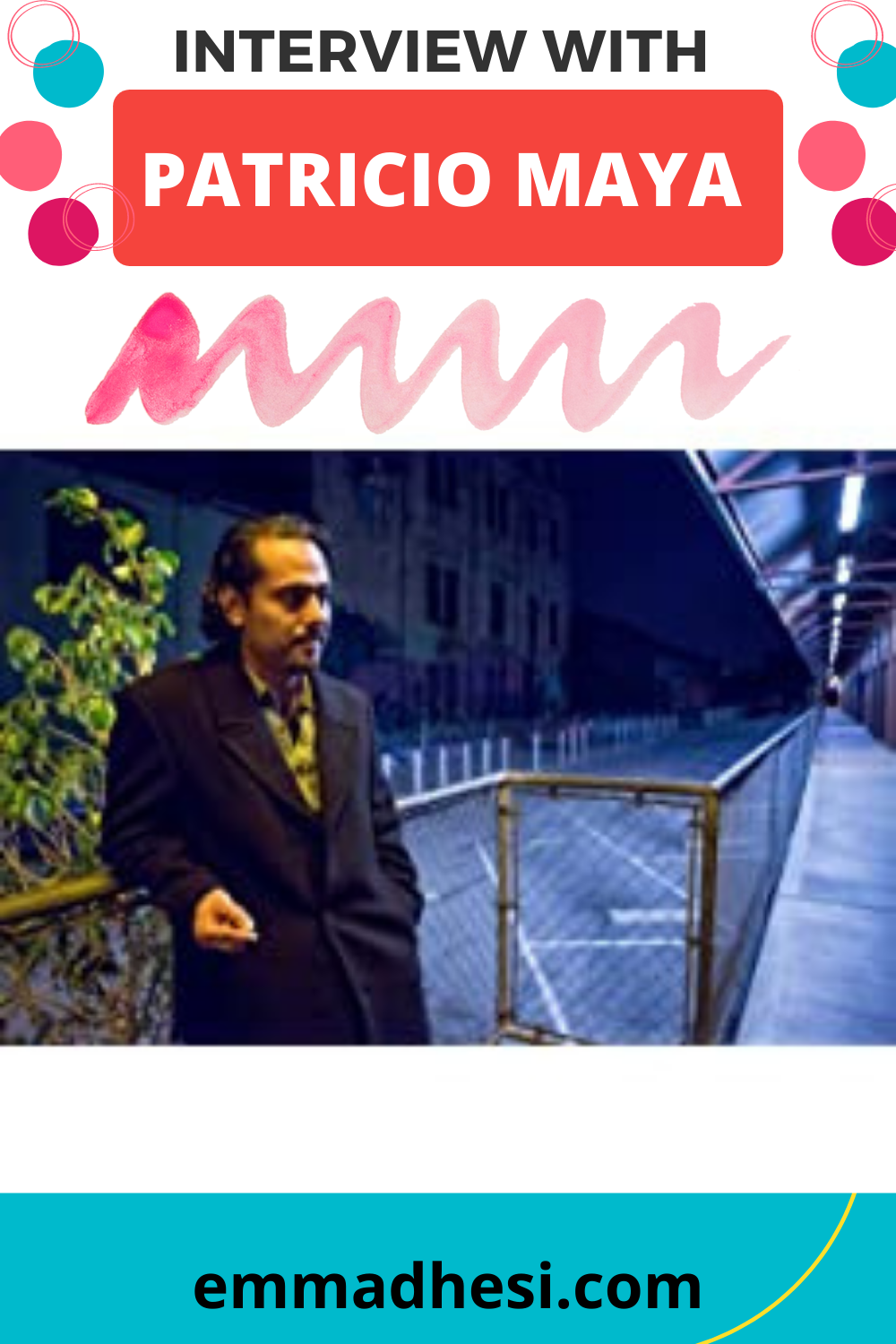
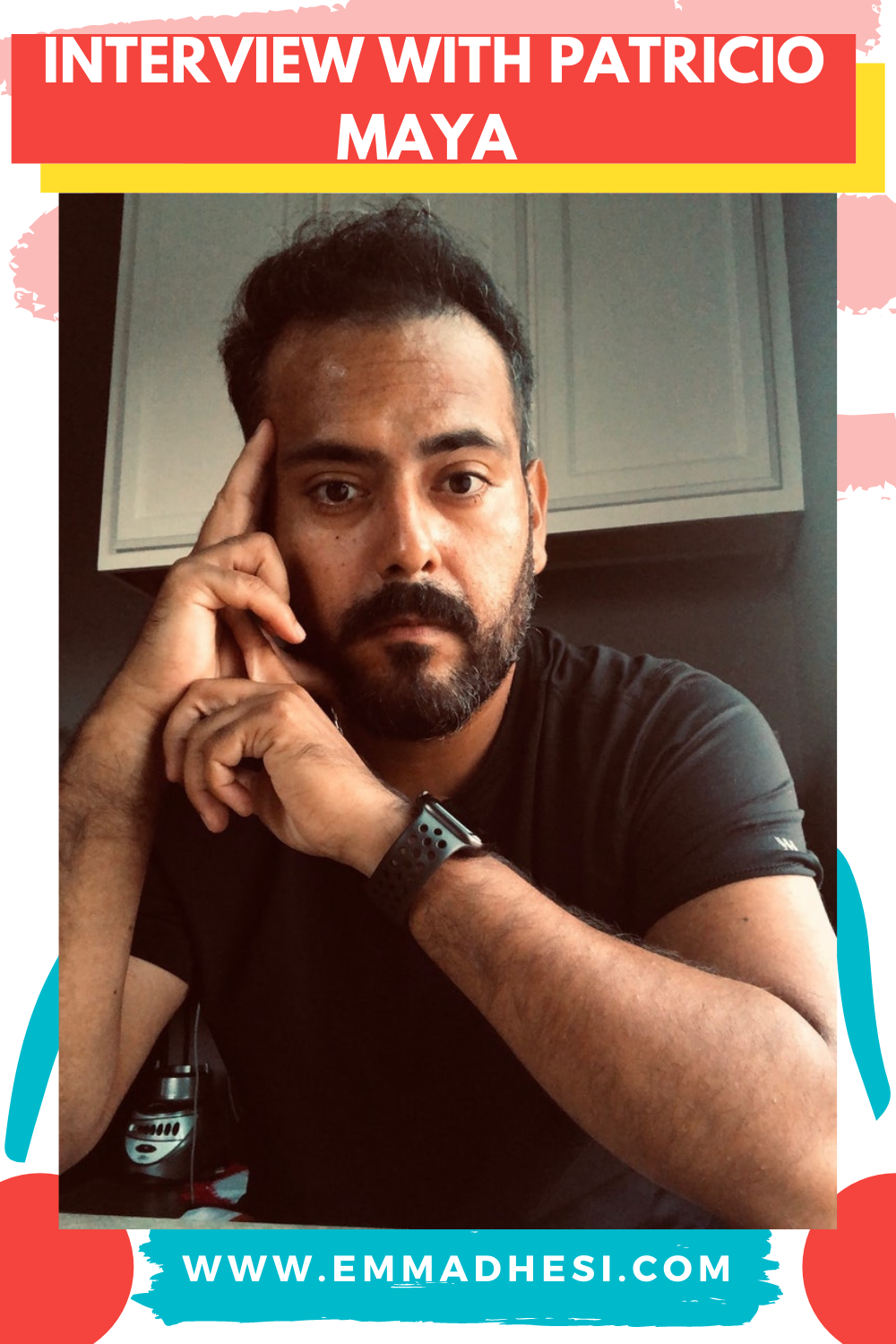
Interview with Patricio Maya

PATRICIO X MAYA SOLIS was born in Quito, Ecuador, but moved to California at age 12.

He writes in both English and Spanish and his first book, walking around with Fonti and Bukovsky is made up of 21 essays grouped into sections about art, politics and autobiography.

His second book 80 miles per hour is a collection of 80 powerful poems written in Spanish. Registration Cruise is the author’s third book and his first published novel his upcoming book too much sweetie is a lyrical novel about Rennie a young Ecuadorian artist, trapped between a moneyed upbringing and his current downer note North American reality when he’s tense worldview all but collapses when he falls for a moo moo, an ambitious time a Seuss who loves him for all that he wants to leave behind.

Too much, sweetie, that strangest of things, essential novel of ideas is set to be published later this year under the Hollywood publisher Grady Miller books, which has also published the writers previous books.

So let’s chat a little bit to Patricio about how he became a writer where his inspiration comes from, and what he’s working towards for the future.

Well, welcome PATRICIO, thank you so much for joining me today.

Patricio Maya  03:09

Thank you Emma, for having me.

Emma Dhesi  03:11

Oh, pleasure. Now, I wonder if you could just tell us a little bit about your journey to writing. So you know, for example, did you always want to be a writer?

Patricio Maya  03:20

Hmm, not always. But, you know, if I go back in time, and I think about what a point when I’m, like, I’m going to be a writer, I think when I was 16, 16, reading, in a class in in English, in a Spanish class,

I read the 20th century, Hispanic masters workers from Argentina and Garcia Marquez. In particular, I was reading a novel by Garcia Marquez, the leaf storm, I guess that’s how they translated it to English.

It’s his first novel. And I thought, like, Oh my god, I really want to do something like this. But it wasn’t like so much like I wanted to do it, but I needed to accept

Of course, I get like most 16 year olds, I like the, the, the experience and the and the words and and so it took that was the beginning of the journey,

I want to say, but you know, it took a good 10 years or more after that, to really kind of start seeing myself as a writer.

Emma Dhesi  04:27

But it does take time, doesn’t it? Especially when you’re young, and you’re still trying to find your way and have a few life experiences that you’re confident enough to talk about?

Patricio Maya  04:36

Exactly. Yep.

Emma Dhesi  04:38

So did you go on to study writing? Or did you just kind of come into it more gradually?

Patricio Maya  04:44

I Well, I started reading a lot. You know, I started studying film.

That’s right. That’s my major was film. And I sort of, in a way I kind of lied to myself. I students outside of that film school one day and and I said You know, I’m gonna major in English for a little bit, just so that I can learn how to tell stories, you know, because I felt like I didn’t know how to tell a story.

A lot of my films were sort of experimental or something and then I said, Okay, I’m going to take that little break. And in that little break, turned into like a bachelor’s degree in English literature, and Master’s in art criticism, and so on.

Emma Dhesi  05:24

It’s funny how it’s always the scenic route that I speak to so many writers, and very few, take that direct path, most do other things in between and kind of end up finding themselves that their true calling those amusing.

That takes us a while. Yeah. We’re going to talk about your novel in a minute, because that’s your first published novel, but you’ve you have been previously published, but it’s more poetry and personal essay, I think, is that right?

Patricio Maya  05:51

Exactly, exactly. And, but all of that feeds into the novel, you know, looking at the novel, I think there’s a big sort of direct line fact that can trace the novel writing to a particular essay that I wrote when I was merely 20s.

Where I blurred the lines between narrative and essay. And that was the point of like, Oh, my God, that’s my voice.

And after that, it was like, yeah, this is my first published novel, but I have another novel that I wrote that will be published next year.

But you know, after that kind of very key moment, it just kind of blew up and I started writing, you know, non stop.

Emma Dhesi  06:35

It’s lovely. When that happens, the news gets you and you just go with it.

Patricio Maya  06:40

And then you read it, and people read it. And they say, like, oh, it sounds it doesn’t sound like you’re trying to be anyone else.

You know, it’s normal. When you’re young, I think to kind of emulate your heroes, you know, I’ve been through so many phases of trying to sound like Joan Didion trying to sound like, you know, Garcia marquez is trying to sound like these trends.

And then but you know, all of that feeds into your own life.

Voice. And once you have that, it’s a matter of, if I could tell you a quote, Joan Didion from I just mentioned, she said,

What is a novel, but a point of view? You know, so a point of so if you have that point of view that voice, then you just start telling the stories that that’s what your life kicks in, I think, you know, you’d have you’ve had experiences.

And most of all of us have experiences, right? So then, but once you have that angle, and that town, then it just takes off.

So you know, to beginning writers Don’t be patient because you’ll find it if you look for it carefully.


Emma Dhesi  07:46

Good advice there. Yes. Don’t be impatient. I like it. So tell us about your novel that came out earlier this year and me if memory serves me, right, and I always say it wrong. Reaggeton Cruise is that right?

Patricio Maya  08:02

Think of reggae, reggae? Right. So reggae music is similar g o n which reggae reggaeton would be that kind of Caribbean Hispanic way of, you know, stating in that kind of music that we all know the Bob Marley music except with tones with that hip hop influences.

And like Latin partitions, reggaeton, reggaeton cruise.

Emma Dhesi  08:24

Reggaeton Cruise. Cool, I’ve got a little bit of education there and music. Good.

So I came out earlier this year, and I, you mentioned just a brief a little bit before that the novel idea came out of something you’ve previously written.

So how did that evolve and become into the novel? It is no, no, even you know, where did the idea of that original short piece come from?

Patricio Maya  08:46

Yeah. So I mean, there. Interestingly enough, I think there are a few episodes in the novel that kind of evolved from things that I’d done or seen or been into, you know, so like, take the main character of the novel, right, or one of the main characters Delfin Kish bear, who’s an indigenous man from the Andes region of Latin America, which has its own culture, its own sort of language events, right?

And he is based upon a real teenager who became famous, you know, in the world of YouTube, or essentially, most of you say his name a lot of people know, it’s still even, like, years after the fact, he posted a very kind of ridiculous and cringy song on YouTube, but like gloriously ridiculous, right?

So that people like you can forget it. And the cringy part is cream, like real cringy. Okay, like, I it’s, you know, I’ll send you the link, and then you’ll watch it. And well, this guy posted and I wanted to write something about that for a long time.

But I didn’t know how to because it was so committed, but I know I knew was serious at the same time. So that was floating my mind for years. Okay. One, two, I went to have a, I went to a barbecue with a friend who happened to with a friend of a friend.

And that that friend of a friend happened to be from Liberia, the country of Liberia, West Africa. Okay.

And we had a couple of drinks. And he’s, when people have a couple of drinks, they start sharing along. And he started sharing his life story, I guess he felt comfortable.

And, you know, I was enthralled because he’s shared a life story of pain and but also triumphs, you know, he was like a really young guy like 26, or something like that. And, you know, essentially, he said he was a war refugee.

And, you know, he Well, he was at the, at the camp, the, there, his mother fell ill, and there was no ambulance, you know, she drank some bad water. Now, this was based off a one conversation one night, but that really kind of shook me to the core. I tell them a little bit about my story. But I mostly what I did that night is I listen to him really carefully.

And I related everything that he said to my own migrant and immigrant experience. So suddenly, I had these experience of the Delfin is this kind of real reality, real based character? My own experience, obviously, right.

And then this experience of this other guy, who had been also through the immigrant situation, but completely different.

And yet, there were a lot of similarities. If you add to that, the fact that I’ve met a lot of people from all over the world, including a lot of Asian immigrants, here in California, I had all the whole sort of recipe. I just had to put it together.

And I think the subconscious did that. I didn’t do it, but it came up pretty well.

Emma Dhesi  11:59

Yeah, I heard a when I was watching another interview that you had done, you were saying that actually it was it was sort of lockdown and being confined, that gives you that space and that sort of breathing room to be able to just sit down and get the story done.

So it was quite an feels like maybe it was quite a cathartic process for you’ve been hanging on to this story about the YouTube star for so long.

And then the Viet right vehicle came along, and you went with it?

Interview with Patricio Maya


Patricio Maya  12:25

Yeah, there was something I think that once I found the tone of the novel, and I haven’t Well, I think I was lucky, or maybe having all of these things work, you know, a lot of just, they just form and clog you late inside of you.

And then you just come up, right. I think it’s good to respect that kind of mystery writing in a way.

But, but but the good, but you know, the physical actual things in terms of the lockdown, yeah, I was certainly home for a long time, right for hours, and not somebody who likes to stay at home too much. So like, I get really restless.

And then it just kind of found it, I found the tone, which was kind of comedic, but but also a little bit sarcastic. And I got it when I found it and then I just kind of it just sat down and I couldn’t do well, you couldn’t go out.

You know, I mean, you still were still in the pandemic, but it was like the worst of it.

So I did three or four hours a day, you know, to the point that I had no idea what was in a way, I had no idea what was going on, on outside of my literary bubble.

And when I woke up from that meeting, when I finished the first draft, it was like literally a shock because I started paying a lot more attention to the news and all of that. And it’s like the world had changed, you know?

Emma Dhesi  13:48

Yes, yes. That can happen to us as writers, isn’t it we can get just consumed by what’s going on in the here and now in front of us on our desk.

And then it’s quite shocked when you you do Lift your head up and see, yeah, everything’s changed the world is not not what it was when you started However, many months ago,

Patricio Maya  14:06

Because there’s so much momentum also behind a big project like dates, you know, like literally, emotional momentum. So you go forward, for months at a time completely.

Your life is solved in a way, you know, the problem that is life is solved, because you have a goal to just like when you go to school, you know, when people go to get a degree, they go to school for three, four or five years, whatever, and then they graduate.

And that’s when they enter the quote unquote, real world. Right? I think it’s the same way for writers, you know, we, like have this scope or this project. That’s the kind of school and then we graduate but then we have to re enter reality

Emma Dhesi  14:49

Is true. So true. So you’ve mentioned Great, so you’ve mentioned, you know, two of the characters that sort of spurred on the idea for this book and sort of helped bring it together.

But I know you have a large cast of characters that you deal with which in itself must have sort of posed a few technical conundrums for you.

But I wonder if you could just give us a little sort of synopsis of some of the main ones that you that we meet when we read the book.

Patricio Maya  15:21

Yeah, thanks. The book, the first thing I should say is that the novel is constructed as a series of narratives that are not necessarily first person narratives, but that are very limited in terms of point of view.

What does that mean that the, when I tell the story of, for example, because Arjun carn, who’s the Estonian video gamer, essentially kid 13 years old, or something like that? Who is like a video game sort of master already at that early age? Right?

The whole book is based upon his point of view, which is his at home, alone playing video games during like a summer break. Okay. And he’s at the computer and he’s with his cat, he goes to breakfast. So it’s very limited, right?

And then he goes to the Hollywood PC room in Estonia in Tallinn, and, you know, and then and then that’s the first chapter. And, you know, so everything is told from it’s not first person, but it’s limited in terms of scope.

Okay, he goes to the chat room, he goes to the, to the computer, and plays video games and, and talks to his friends, his teenagers do with the language, teenage teenagers, and even emoticons, you know, and all these things.

So, in a way, that’s so that’s the tone, and then the tone shifts.

When we go to the second chapter, for yet, we can call it a chapter, the second for the section, where you have another teenager, a slightly older teenagers, 16 years old, who is in the Andes region of South America, and his father passes away from a virus, the NdS virus, which is real, and it’s where the virus is real.

So like his father dies, and he is in the in the mountains, and essentially, he says, Okay, I want to move, right. And so the whole story is told from his perspective with these vocabulary, you know, with it, like a peppering of foreign terms in each chapter.

Okay. And then we’ve have different chapters, you know, we have the Furukawa sisters chapter, which is told from the point of view of three Japanese sisters, who are in America learning English, but who are also it’s a kind of extended vacation for them.

And so they’re all and they’re also well to do in terms of monetary income and all of that. So like, they are their reality of just the chapter. It’s like, takes on that kind of mask of, of that voice, and so on. There’s other there are other chapters.

There’s Liberian refugee who’s like very focused on working and making it the United States, there’s a former tennis player from Ecuador, who is sort of in between what to do after he has sort of not retired but got injured, and he can’t play tennis anymore.

So he’s there and, and that host of other characters. Yeah, they’re all intersect.


Emma Dhesi  18:38

So they all come together on this cruise and intersect on the cruise towards the sort of, towards the we learn about them as they’re going through their life and as they make their way towards this cruise, and then that’s when they intersect.

Patricio Maya  18:49

Exactly, exactly. And and and there’s a kind of, there’s an there’s a structure that connects them all, in a way that there’s a structure that connects us all right.

So, like, in fact, we might be in different countries right? Both of us here, and then you have your own cultural and let’s say family background and so do I and linguistic right, but due to the superstructure, that is globalization and the contemporary capitalist world, we can interact and attend to technologies also right.

We can interact and speak to each other and communicate and we use English which is the world language, right? So in a way that the novel really reflects that reality.

You know, so that we have characters that are utterly different, but when they enter what I call it, the novel The core, meaning the core of the global world, of the of the very, sort of developed world, the United States, right.

The they entered that In a way, it’s kind of like an extended Disneyland. Right? Like they’re in America, we’ve entered America.

And so they are, they start interacting in ways, you know, and they can communicate.

And it’s kind of it’s funny in ways, but also very, very interesting how they’re able to sort of put their cultures behind in order to step into the global, the global culture, because there is a global culture.

Emma Dhesi  20:23

Yes, I see what you mean. Yes, because I think we have to have a degree of commonality, I guess, for us to be able to come together and communicate, we don’t give up everything, we still have our background and our, the culture that our parents gave us and their parents gave us but we need to maneuver in the modern world where there are people from where you were talking, before we started recording, for example, you were talking about Los Angeles, which is such a diverse group of of inhabitants.

And so in order for results, to live together and move together, there needs to be sort of compromise, I guess, along the way to fit to fit together in big cities.

Patricio Maya  21:03

Yeah, and you know, more and more. So the big cities of the world are becoming battling global cities, which is, you know, I’m not foolish enough to think that there’s no loss there.

There there is, the every gain also entails a loss, right? So there’s a gain of cosmopolitanism. But also, and I think there’s that that’s also themes of the one of the themes of the novel, particularly as it relates to the theme, but also their characters, that sense of what is gained and what is lost.

Right. So what is gain is they gain access to to they become sophisticated individuals, you know, through English, they are able people are able to communicate with each other and talk about popular culture, right. So like, I sometimes the line gets blurred between reality and fiction here.

But you know, I’m a teacher, and sometimes I asked my students, and I teach them music criticism class. And I asked them, I have students from all over the world, like literally all over the world, okay.

And I asked them, What can music Tell me like one or two famous singers or artists from your countries, right?

So Chinese students will say two or three famous Chinese singers, the Mexican students will do the same.

The Americans will not American, but mostly from all over the world, they will say, I don’t know, Saudi Arabia, they will say famous singers, right?

And then I say, how many of you know of at least one famous singer from another country, of all these singers or musicians that were mentioned? And literally most, like, 99.9%?

Don’t know, even one? Right? And then I say, Who knows? Michael Jackson, and everybody raises their hand. Right?

And it’s kind of obvious, right? And who knows, Justin Bieber was actually a comedian, you know, everybody racists and you know, and so on, we we know both of them.

Right? So that is the kind of common culture that people step into.

That is the sort of common money in a way for the common denominator for them to exchange ideas.

And there’s something to that in the No, but something is lost, lost, because they cannot talk about unless they explain who you know, so and so is then that that that is not does it translate?

From time to time, I link to products or services I love using with affiliate links. This means that I may receive a small percentage or fee for referring you to any product you may purchase from one of those sites. It does not cost you anything. These small fees help sustain my small business. I truly appreciate your support.
Emma Dhesi  23:21

Yeah. Gosh, very deep.

There’s lots of different layers, there is no, you could look at kind of almost every aspect of every culture and see where there is alignment, and also where there’s when it’s very different and very separate. Yeah, but I’m gonna move on.

Thank you. But I was intrigued, because you’re, you’re bilingual, you speak and you write in both Spanish and English.

And so I was wondering if that has any impact on the writing that you do?

You know, is Do you find that you’re drawn to certain types of stories or poetry when you’re thinking or reading or writing in Spanish?

And likewise, are you drawn to different things when English is the the language of choice?

Patricio Maya  24:08

Yeah. I suppose sometimes a lot of my English writing, stylistically, comes out as sort of a little Baroque, or perhaps the syntax gets a little sort of weird, you know, but but that is a reflection of my original Spanish.

So sometimes I don’t like get rid of that. But in fact, I emphasize that depending on the character, you know, and I find so in Spanish, you would say like, a car read, right? So that the the noun comes first and the adjectives come second.

So sometimes that sort of becomes part of my English, not exactly in that way, but in most subtle ways.

And so I think a lot of times like keep Kind of the spirit of Spanish in English. Whereas I, sometimes I do employ some English words in my Spanish writing in order to give it a kind of modern feel because my Spanish is a little formal for some reason, I think because I was a teenager in the United States.

And yeah, a child in Latin America. And a child of, you know, private schools and Catholic upbringing. And families where you couldn’t really say too many bad words or whatever suits, it’s, and then I became a teenager in Los Angeles, you know, free from all those sort of family and cultural influences.

And you know, so I’m much more comfortable with popular language, even, you know, cursing and all of that in English or in Spanish, I wouldn’t even go there.

So, you know, so those those two kind of tones are very present. But I do cross over.

Emma Dhesi  26:06

You do? Yeah. And so do you. Do you still write in Spanish

Patricio Maya  26:10

Yeah, I still write in Spanish. And I write a lot of poetry in Spanish. I think Spanish lence, I’m more comfortable writing poetry in Spanish and prose in English.

Emma Dhesi  26:20

Okay, that’s interesting. I wonder why that is what I mean, it’s just an innate draw to one or the other, maybe it’s

Patricio Maya  26:30

I think voice maybe, you know, poetry is more essential. I don’t know, that’s, that’s the right term, but it’s more sort of connected to the rhythms of the old country, you know, which I can’t let go of and just just step into the English world.

So you know, I keep those old rhythms very alive. In the employer tree, and and so the rhythms are more important than anything else in like poetry. In English. Yeah, rhythm is important. But you know, there’s also a lot of ideas and concepts.

Emma Dhesi  27:05

And you get to go back to Ecuador, much to sort of,

Patricio Maya  27:08

You know, there’s I have gone back, but it’s not something I do. I think, like a lot of it migrants immigrants, the possibly the returning.

Okay, so there was a who said this, I’m gonna mess up the who wrote the heart is a lonely Hunter.

Emma Dhesi  27:32

We don’t know.

Patricio Maya  27:34

Okay, I don’t know, either. But she said that she was a southern writer from from Carson mccullers. I say, bright colors. Yeah. So she, she’s, and this is not what I’m not necessarily what I’m going to say. It’s not necessarily how I feel.

But there’s an element of the kind of situation, she said, I go to the American South, in order to renew my sense of core. So she had moved to the north, right to New York or whatever, right.

And then she, she went to the American South to renew her sense of core, but only briefly, and then she went back to, you know, wherever she lived. So there’s no sense of horror for me in, in Ecuador.

But there’s, there’s, it’s almost too much, you know, so I’ve my sort of identity is forged as a as a sort of exile really. So you know, going back takes like, okay, a breather, okay, I’m going to go back. But that’s not to say that I don’t read the newspapers every day.

And, you know, from from there, and the poetry and everything, you know, so

Emma Dhesi  28:47

Keep that connection going. And so now, you not only do rights, but you also teach as well, as you’ve mentioned, and I wonder, how do you manage to balance that time between doing this sort of the nine to five day job, but also leaving enough?

Not just physical time, not just time time, but actually kind of brain space as well to have that creative side of your life, too? How do you manage that? Or is it each day as it comes?

Patricio Maya  29:17

Well, I’ll tell you what I don’t do. And I see it. And this is come off as a criticism of other like, teachers or educators. You know, I see that they kind of, there’s a very clear clears sort of wall or line between what they do in their creative life and the teaching.

To me, it’s just one right? So it literally I have a really hard time separating my literary or creative output from my teaching.

So there’s a so I’m, sometimes I think I’m a rather non structured teacher. So I just come into the classroom. I’ve been reading something Um, like, you guys got to read this, you know? And then I, we talk about that.

And the plus side of that is that I, you know, I really, if you ask me, Well, what is globalization? globalization is the ongoing process of world integration of the economic, cultural and political levels.

So that is some that definition is like, embedded in my head, right. And so I go to class, and that is something that I work into the the teaching, but it’s something that I’ve been thinking about for years, myself.

So there’s like, there’s really, I just, I just feed the classroom, from my readings, and from my work as a writer, and vice versa.

So I’m lucky enough that my, my bosses tend to be really sort of relaxed, and because I think they know that it’s going to really create a more fertile ground for my teaching.

Emma Dhesi  31:00

So that sounds good, that sounds like that gives you that. Good, you know that that sort of thinking that we do around our work.

And before we actually start waiting, there’s always kind of all this not mess, but it’s a soup of ideas and thoughts going on in our brain before we managed to put them on paper.

So it sounds like your, your teaching is a great time to be able to do that and even kind of possibly sound out the thoughts of your students and what works, what doesn’t, what’s a good idea what’s not, then there comes a time, especially for long form fiction, there comes a time where you have to sit down and write it.

So how does how do you balance that element of the writing life with your…

Patricio Maya  31:44

There’s no balance, like when write a good novel just just takes over?

You know, and then I managed his to live sort of, however, I you know, I go to work, I show up to work, but I might be just like, literally, as I step into the classroom, thinking about the plot, and then it’s like, Good morning, everybody.

Okay, what are we doing today?

You know, and I’m not saying that it sounds like a bad teacher, but sometimes, then I’m able to work all that I’ve been doing in ways that are, of course, it’s not this, I’m not gonna tell my students who they need to learn how to write an essay about my characters.

But you know, I might be able to tell them how to write, like rhythm, say, like, you have long sentences and short sentences, and that’s something that I’ve been working on.

So really, you know, in terms of time, yeah, you show up to work because you got to make money.

But to me, like, literally, this separation between the kind of work and the teaching is, it’s very, it’s not adult, it’s there, because it needs to be like a different activity. But at the end of the day, you know, writing is writing and reading is reading.

To me, what’s most important, more important than anything is being able to exercise work out.

So like, if I, if I have three things in my life, you know, earning an income so that I can eat and pay rent, and then the writing, which gives me role and a sense of structure, and, you know, kind of outlet for my imagination, and then exercise, I need to work out like hard, you know, and I think murakami, you know, is a runner, right at the Japanese author and I, when I read that he that he jogs and he runs in faith, I felt like, Oh, my God, I can relate so much to that.

Because, you know, to me, it’s just like, I don’t know how there’s that kind of idea that a lot of writers or intellectuals are sort of non physical, because to me, it’s just goes hand in hand, if I didn’t exercise, good.

If I didn’t go to the gym or play tennis or boxing, or that I wouldn’t be able to, like, you know, sit down in front of a computer.

Sort of I know you were late work, but but really, to me, that’s more of the balance, like the physical activity.

Emma Dhesi  34:03

Okay. Oh, interesting. Yeah, no, that’s good. No, and said that before. So that’s a really nice dynamic to bring into it.

And so what are you working on at the moment? what’s, what is, what are you thinking about when you’re in between classes?

Patricio Maya  34:17

Yes. So I’m thinking about a Spanish novella that I just started. And, because I think I’ve been reading a lot of ballads, you know, like the 100 pager kind of thing. I recently just read and taught the master.

It’s a master Margarita, the heart of a dog by Mikhail Boudicca, you know, and that’s like 100 pages long, and it’s divided into like, 10 chapters, which are like 10 pages each and it’s very funny, and it’s, and because I’ve written a lot of poetry in Spanish.

I thought, you know what, if I write a novella, a novel in Spanish is maybe too much of a challenge to go to just go to the narrative in Spanish, so my voice is completely different in Spanish. So anyway, I’m working on a novella.

And a lot of it is influenced by what I’m reading, which is the heart of a dog by bullet Cove and some stroke by Roberta Vanya, from Chile.

And they a moralist by Jean, Andre g gene, which is also a great book that I recommend, which are all very short, like about 100 pages long.

So I’m reading and writing and thinking about the fact that the novella and that particular like 10 chapters, 10 pages, it seems so it’s like already structured for you just have to like, fill in the words.

Emma Dhesi  35:40

It’s a nice round number a nice feel to it. Well, that’s fantastic.

Thank you. Just before we go, and I wonder if you could tell listeners where they can find out more about you and your work online.

Patricio Maya  35:51

Yeah. Okay. So I have a website. It’s Reggaetoncruise.net, reggaetoncruise.net, REGGAETONCRUISE.net

And you can find all about myself and the novel and my other work there.

You can also go on Amazon and just type up reggaeton cruise, and then it’ll or Patricio x Maya and it’ll, it’ll appear there.

Emma Dhesi  36:22

Fantastic. can find it easily. Well, Patricio, thank you so much for your time today. I really enjoyed chatting to you and getting to know more about your novel.

Patricio Maya  36:30

Thank you, Emma. I really enjoyed it. Thanks for your great questions.

Emma Dhesi  36:36

Well, thank you so much for joining me today. I hope you find that helpful and inspirational.

Now, don’t forget to come on over to facebook and join my group, turning readers into writers.

It is especially for you if you are a beginner writer who is looking to write their first novel.

If you join the group, you will also find a free cheat sheet.

Called three secret hacks to write with consistency.

So go to Emmadhesi.com/turning readers into writers. Hit join. Can’t wait to see you in there.

All right. Thank you. Bye bye.

If you’ve been working on your novel for years (perhaps even decades) the maybe it's time to consider working with a coach.

If you have multiple versions of your novel and you don’t know which works best, are scared nobody will like your book and don't feel like a 'real' writer, then my guess is coaching is the right next step for you.

Find out more and sign up for your free Clarity Call here: https://emmadhesi.com/personal-coaching/


Alliance of Independent Authors

Shortcuts for Writers

Do you feel as if you don’t have the time or the money to invest in editing your novel? I know an online course that can help you to transform your manuscript WITHOUT breaking the bank. It’s called Book Editing Blueprint: A Step-By-Step Plan To Making Your Novels Publishable, and it was created by Stacy Juba of Shortcuts for Writers.


emma dhesi

Emma Dhesi

Emma writes women’s fiction. She began writing seriously while a stay at home mum with 3 pre-school children.

By changing her mindset, being consistent and developing confidence, Emma has gone from having a collection of handwritten notes to a fully written, edited and published novel.

Having experienced first-hand how writing changes lives, Emma now helps beginner writers find the time and confidence to write their first novel.
How to write a great fight scene with Alicia McCalla

How to write a great fight scene with Alicia McCalla

How to write a great fight scene with Alicia McCalla

by Emma Dhesi | Turning Readers Into Writers

Interview with Alicia McCalla


 Emma Dhesi  00:00

Hello, I’m Emma Dhesi and welcome to another episode of turning readers into writers.

If you’re brand new here, welcome and here’s what you need to know. This is a community that believes you are never too old to write your first novel, no matter what you’ve been up to until now, if you’re ready to write your book, I’m ready to help you reach the end, I focus on helping you find the time and confidence to begin your writing journey, as well as the craft and skills you need to finish the book.

Each week I interview debut authors, editors and industry experts to keep you motivated, inspired, and educated on all things writing, editing, and publishing. If you want to catch up, head on over to emmadhesi.com, where you’ll find a wealth of information and tools to help you get started. Before we dive in, this week’s episode is brought to you by my free cheat sheet 30 Top Tips to find time to write.

In this guide, I give you 30 ways that you can find time to write in the small gaps that appear between the various errands and tasks and responsibilities that you have in your day to day life. Now, you might be thinking that you don’t have any time to spare, but I can guarantee these top tips will give you writing time you didn’t think you had. If you thought writing always involved a pen and paper or a keyboard. Think again. If you thought you needed at least an hour at a time to write your manuscript. I help you reframe that, you won’t be disappointed.

Get your free copy of 30 Top Tips to find time to write by going to emmadhesi.com/30 Top Tips.

Okay, let’s dive in to today’s episode.

Alicia McCalla began writing and self publishing professionally back in 2012. In the beginning, she wrote part time while she worked full time as a school media specialist tragedy struck and her only child an officer in the US Navy was lost at seeing this single event changed everything.

 With the overwhelming intensity of her grief brain. She had to relearn how to live fully while honoring her son’s legacy, and she often takes time to acknowledge her grief journey in her blog posts. Now Alicia is a full time writer and merchandiser, sharing stories and products of courageous, brave and strong black women warriors.

 She enjoys writing sisters with skills, swords, and superpowers. Alicia is black girl nerd, and regularly cosplays strong female superheroes, warriors, and maybe even a fairy because of her love of fan merchandise, and a desire to see black women represented in sci fi and fantasy merchandise. she launched her own shop

Alicia McCalla’s Emporium, featuring superheroines, vigilantes, huntresses, and much, much more. And in this interview today that Alicia very kindly came into my facebook group to do, we talk about how you can write fight scenes, and how it can become more than just a kick and a punch, Looking underneath the fight scene and how you can actually give that some depth how you can bring it out to be a vital part of the story.

And also say something about the characters who are involved. It’s a really interesting interview with Alicia. So if you are someone who writes fight scenes, or are curious to know how you can make your fight scenes better, then this is a must listen for you.

So let’s dive in and hear what she has to say. Yay, we are live. Good morning. Good afternoon. Good evening, wherever you are in the world. Welcome to our Facebook live tonight. And I have the lovely Alicia McCalla with us today.

He’s very kindly agreed to step in and answer some questions about how to write a fight scene because it’s something I know nothing about. We were just talking before about how all my scenes are domestic. So there might be a slap, but that’s about it. So I’m not good with the this this kind of this area.

So I at least here was very kind and said that she would join us tonight. So I’m just kind of hanging about gonna wait, see who jumps on with us because I know that Facebook has a little bit of a lag time.

But while we’re doing that, I’m going to just read a little bit about Alicia so that you can get a feel for where she’s from. And the background that she’s got in terms of writing and I I shared with you in the Facebook group, they’re there. I love that image, Alicia maybe you can talk to us later about where you got that image done for yourself, you know of you as a superhero.

Yes. Great. And but she’s been publishing, writing and publishing since 2012 and more tragic kind of circumstances got you started. But from that you’ve come on to leave a legacy for your family, and you’re now a full time writer, and you’re a merchandiser as well. And you share your stories and your products of courageous, brave and strong black women warriors. So maybe as to before we start, you could talk to us a little bit about those.

And you write you enjoy writing sisters with skills, swords down super powers.

Alicia McCalla  05:20

Yeah. My favorites are superheroes, supernatural thrillers, and huntresses. I love those kind of characters.

 Emma Dhesi  05:31

Well, that’s brilliant. We’ve got some people with us. So um, hi, Christy, nice to see you here. Hello, Facebook user. If you’re happy to have your name shared on stream yard, there’s a link and there that you can click and it just allows them to share your name.

But if you’re you prefer to stay anonymous, that is not a problem. So Alicia, welcome today. Yeah, I wonder if you would tell us just a little bit about the series that you’re right. And then I’d love to know where you got your image as well.

 Alicia McCalla  06:00

Well, the hour start with my images, because that’s really a big part of my brand. So I like to cosplay. And so I will dress up like, oh, all kinds of superheroes. I love Captain Marvel. I love Shuri I love Wonder Woman.

And so that image, the one of the images on the website is me in cosplay as Shri so that’s exciting. And then my Emporium that is my logo. And it’s kind of the character Nubia. So Nubia is Wonder Woman’s twin sister, and she’s black.

And so I have them create me a new obeah with the shield, shield and a sword for my logo on Fiverr. So that was pretty simple. But I love artwork, and I love basically very strong women warriors. Those are fun to me.

 Emma Dhesi  07:00

And I’m looking at the the backdrop behind you there. And that kind of says all to that said, Yes. No, I sent out an email to my email list earlier in the week asking if they have any questions that they really want answered.

And then a lot of people very kindly responded. And so we’ve got some prepared questions. But for those of you who are here, live today, then get your questions in as well. If anything crops up as we’re going through the session, and then you’re thinking, oh, I’ve got a question, please pop it in the comments. And we’ll we’ll answer it live here as well.

But Alicia you’ve got the questions there and you haven’t looked through them. And you’ve kind of been able to put some together because we had some similar questions, and then some very different questions.

So as the novice here, if you’re okay, I’m going to hand over to you to let you kind of take over with the session. And as I see comments come in, I’ll, I’ll jump in and let

 Alicia McCalla  07:59

You know, is exciting So originally, I was thinking about what my favorites fight scenes were. And then when you sent the questions, it made me because I actually was a librarian for 20 years. So I love researching and I just have a whole ton of books that I just enjoy.

So at the end, people can get a list for me of my favorite book. But I do want to put this out there. I went and found mine was it knives and swords of visual history. And I found my gun digest from of course 2017. And for those of you who don’t know me, I am a Marine Corps veteran.

And I’m also a Detroiter, so I grew up in the hood fighting and I know how to fight in both ways, trained as a marine vet and train in the hood. How can you say that? But I was I was a geek too. So okay, there. There’s There’s my twist. Right?

 Emma Dhesi  09:05

Credential for this type of event.

 Alicia McCalla  09:07

Yeah, yes. So I really love a good fight scene. I really get into those. And I love putting those in my stories. I do just want to talk a little bit about just the questions overall, from what I’ve noticed. So I think it was some questions about whether or not a fight scene is predictable. And how do you make it not be boring, you know, and for me, I’ve learned that, yes, things can be predictable.

But what makes it interesting is the twist or the spin or something that sheds a light that gives you the understanding of the protagonist in the fight, or what I call Brian McDonald calls the armature Or the theme or the spine of that story.

When people can take those concepts, and put them all together, it makes your fight or fight scenes or your story in general, not be so predictable. So I know we have some youngsters out there, but I’ll say this amazing fight scenes are kind of like, amazing, I don’t want to say the word but romance scenes or, you know, relationships. And so they should be really dripping with that emotional connection that the reader has.

And so at the end of the fight scene, the reader needs to have some type of release, right? They need to have an experience. And I think for me those experiences, it really could be, if it’s a, it’s a SmackDown, meaning there’s this character that says, Jeff gotten on the reader’s nerves, they have just been a bully, or they have just been something. So you get to the end, and the reader doesn’t want you because that person is evil, they just want you to smack that person down and the story.

And so in the end of that climactic battle, there is a release for the reader because they, they’ve gotten their revenge, or they’ve gotten their whatever is that’s necessary, it’s released and so for them, it results in something, you know, really exciting for the reader.

 Emma Dhesi  11:37

What’s not so interesting, this is not just about the physical hitting and kicking and all the rest of it. It’s the emotion that goes along with it. I yeah, way before. Yeah, yes.

 Alicia McCalla  11:48

So I think, you know, sometimes you people don’t want to look at fight scenes, like they look at romance scenes. But I think we have all read romance novels, where you just go from one sex scene to the next sex scene to the next and it’s like, okay, so these people are getting busy. Why, right?

I mean, so there are some authors who I really love to read like Sherrilyn Kenyon, for example, like I, you know, I’m not a romance reader by any stretch of the magic that I like violence, gratuitous violence, like me and my husband are switched. He loves romance novels. And I love to do with this violence.


Emma Dhesi  12:28

Can you actually do if you don’t mind me interrupting? Can I ask you what it is you love about it? What is it that you enjoy about kind of the violence in the story?

 Alicia McCalla  12:37

I think I just like justice, I like to see that protagonists win, right. So I don’t know what kind of stories people are writing. But oftentimes, we hear the discussion of the try fail cycles, that a hero or heroine, they try really hard, but they fail. And so that failing they learn a lesson. Well, if you’re somebody who’s writing high thriller, or high action, you’re going to have a try when cycle, right?

That character needs to win every time. So if you look at some of the famous anime stories, like St. ceja, or you look at Legend of Korra, or there’s all kinds of different manga, anime TV shows out there that people fall in love with? Well, that’s because they, they always have to win, right? They, they win that big battle, and then they go on to the next one, right? And that next one is just as high as the other one.

And why is that? Because you’re watching them as a winner. They do. They do suffer when they win, right? Um, but there’s a cathartic connection when your hero wins, or they struggle to win, basically.

 Emma Dhesi  14:05

Okay, okay. Oh, interesting. Interesting. I’m sorry, I interrupted you, Carrie on

 Alicia McCalla  14:13

Is anybody else have more questions in there? You think there?

 Emma Dhesi  14:17

We don’t have any further questions. No, no, in the live chat.

 Alicia McCalla  14:22

Um, so one of the things that I really enjoy thinking about is characterization. And that question of why or why not, you know, like, why does, why does this fight scene? or Why do these fight scenes connect with the protagonists?

What’s the lesson that they need to learn here? Or what’s their armature with a stake for them? Right? And I think that’s a big problem, or a big concern when you’re writing a fight scene if you don’t have a reason, like so. For example, I was telling you about St. seya.

Or one of my Netflix shows that I kind of get into that I don’t really talk about is troll hunters, right is that like kid who’s a troll Hunter, he like fights all the time. And you could tell that his lesson learned or his armature is he just doesn’t give up, right? So he just goes to the next battle to the next battle and my husband says something really funny. He’s like that little Joker likes to fight, man.

Does he fight to his art is out. So I think that’s important, but it’s not necessarily that he fight. But why is he fighting. And so if his tip is lesson being learned, or his armature or his third rail is about perseverance, or is about never giving up, then every time you see him in a battle or a fight, then he can’t give up, right?

That’s not a part of him. That’s not how he goes. And so every time you see a fight, that’s hard for him, where whoever that villain is, or whoever that antagonists is, well, then you’ve got to understand what’s at stake for him and that lesson that he needs to learn

 Emma Dhesi  16:19

Well, okay, oh, that might fit in nicely. was where that might fit in nicely with this question that we’ve got about, you know, how can you make a superhero character with a lot of power?

Seen vulnerable? And, and maybe that comes into effect when with that lesson, perhaps? Or Yeah, yeah.

 Alicia McCalla  16:40

So you do have to be really careful. If I’m thinking Wonder Woman 1984 I was watching that movie as far as screaming because Wonder Woman can be bent over crying like a damsel in distress with a knife with that. I was so mad. She’s the Amazon where Superman cried because Lois Lane bad he might, he’s not gonna break down. So the question is the vulnerability and I think you’re right, it has something to do with the characterization.

But remember, you have to set about doing your characterization, and make sure that that character is doing it in the proper way.

So one of the people that I really love is Jeff Elkins, the dialogue doctor, and he had an assignment where we had to do a cat a dialogue and character cheat sheet. I know, I don’t know if Ron is out there. But, um, so I liked that dialogue character cheat sheet, because you have to lay out what that character might say, or what they might do from the beginning. And I kind of take that and I add the things like the archetype.

And how does this character respond? What what what both a words be that they say? What are their facial expressions if they’re in a fight or a lesson, right. And I think that’s really important.

So I think characterization is definitely the way to show up a character who is seemingly powerful, be vulnerable. But I also do want to mention this thing that, um, is about the cheat in the systems.

And that comes a lot in the anime and manga world. And we don’t necessarily do that in our stories. But if you have a system if you have a cheat, meaning, does this person have a special weapon? Or does this person have a special superpower?

So what are their limitations? So yes, Superman has his kryptonite right now or Wonder Woman? If a man binds her her bracelets together that makes her helpless like a lamb or sheep, right? No, every superpower has a limitation.

And that limitation that you put on their ability or their power, that needs to also not just be a limiter. So that person can get something out of it. That’s fantastic. But it has to also make their lives complicated. You know, that’s a part of your story and your world building.

 Emma Dhesi  19:34

So, and Facebook user who asked that question, does that Does that answer the question for you? And maybe you could let us know what type of stories you’re writing and if that’s useful in the stories that you are writing? Thank you for your question. Um, cool. Yes. If Lauren is there, and I’m not sure if you…

 Alicia McCalla  19:55

Well, um, so let’s talk while while we’re waiting for more people to ask So the choice of the weapons is very important. So you have a choice of a weapon. So is it? Is it connected to the weather? Is it connected to being in a closed location? Can it have an obstacle with this weapon? is an unusual choice is is something that’s culturally sensitive or some type of symbol?

Does it involve technology superpower? Is it magical? Is it like a Excalibur kind of a weapon? Is there a gun? Or is it a knife? Or is it brass knuckles? Is it a sword? And somebody was asking that question about the sand? So is it beach, sand, beach, on sand, sand on the beach, you know, what it? What is the weapon that this person is going to be using? And why?

But the choice of weapon is uniquely connected to the characterization. And the more that you can add that predictable, but unusual twist to it, the better. That’s what makes it exciting.

So for me, I get really excited. I think the best fight scene of the decade was Arya Stark and Game of Thrones, right? Whoever thought this little girl was gonna take down the night King with her itty bitty little knife leg needle weapon.

And she started off with needle. And then she ended it with needle but ended with needle and that secondary, you know, like she was coming at him aggressively. But in the end, it was hard taking Nieto in a small puncture. That’s the night came down. So that’s a big deal, right?

And people around the world were like, Oh, yeah, that collective like scream. Yeah, well, Arya Stark, because whoever would have thought she could have did. But her choice of weapon was unique and unusual.

But specifically for Aria, it is how Aria is going to take down the night King. And we thought her plot or her armature was revenge. But actually, in the end, it wasn’t. She saved the world, right? she takes, that that was something very, very different.

 Emma Dhesi  22:31

I think really well with what you’re saying about characterization, because it was her as the character and her change that the needle stayed the same. Change that what you were saying?

 Alicia McCalla  22:45

Yeah, we saw her grow up right, right in front of our faces and harder to take down on Nineteen. I guess

 Emma Dhesi  22:51

I run almost, Oh, good. Facebook users saying Yes, that was helpful. She’s writing fantasy, with characters that have elemental powers that are empowered by emotion. Ah, yeah.

 Alicia McCalla  23:07

So I already see limitations with something that’s empowered by emotions, right? I mean, maybe her limitations are, they’re only empowered by certain emotions, right?

And so if they can’t tap into those emotions, well, you just put your character in some really serious trouble, right? Especially if, if they can only use anger, or they can only use happiness, or they have to go to their happy place.

How are you gonna battle and you’re happy in your good place, right. So there’s some great limitations that she can put on her character based upon that.

 Emma Dhesi  23:50

Fantastic, Cool, thank you for that. I’m glad that was helpful. Yay.

Interview with Alicia McCalla


Alicia McCalla  23:55

So one of the things I also I’m interested in is the choice of the fighting style. So I grew up in Detroit, my husband grew up in my country, right. But what’s the backstory with that what we choose to fight differently?

Because of where we grew up? Is there some culturally sensitive style? So there’s like a Brazilian kind of karate style or Brazilian martial arts that people love to use?

Or is it just traditional martial arts? Or is the fighting style about survival? Or are they some type of warrior or some type of barbarian? Or in this world building? If you’re a fantasy world builder or a sci fi world building?

Is there something about that world building that creates a weapon? And again, does it involve superpowers? Or does it involve some type of magic or technology? And, you know, thinking about fighting style?

Is there something about that character’s backstory that has a twist? Like for me, for example, I was a librarian for 20 years. But before I became a librarian, I was a Marine Corps veteran.

And many times I remember when I work in a school that was gang infested. And some of the boys, when they saw me came in, they decided I was going to be their gang initiation. And so they brought this kid in there, and he was bigger than me. And he attempted to kiss me. Because they were like, oh, we’re gonna make her cry. And do you know what happened to that little boy.

By the time I put him down, and put my foot on his neck, put picture him up, pants in one hand shirt in the other, kicked the door open and threw him out into the cafeteria. Everybody was very shocked right?

 Emma Dhesi  25:49

Now what you expect from your local librarian?

 Alicia McCalla  25:51

No, No. So I looked a certain way. But whenever. And then in the end, when he was getting thrown out of school, he was like, I never thought she would have did me like that. I’m six foot and I’m only five, seven.

I was like, you went down really quick and fast and hard. I’m sorry, I hurt you. But don’t ever put your hands on me again. Right. And surprisingly, I didn’t lose my job because he attacked me. Right. And it was on film, I was on camera.

So I guess what I’m trying to say is, what is the backstory? Or what is a unique twist for your character that you can bring in. And that can create a unique fighting style for that particular person? I don’t know.

 Emma Dhesi  26:43

A really good example, your own experience, there is a really good example of that. I love it. So Christie is asking how do you change or build the intensity of the stakes of each phase over the course of the novel?

 Alicia McCalla  26:58

So I think that the, I think it depends on the type of novel that you’re writing and the type of fight scene that you’re creating. So um, let’s, I’ll give you a couple examples. What’s the difference between James Bond and Jason Bourne? Right? They’re both spies, right? But James Bond, his fight scenes are choreographed really well, the old not the old James Bond, the newer one are kind of like Jason Bourne.

But Jason Bourne is like, gritty, right? And so you get a sense as you’re going along, that James Bond is winning, because I think he has that try win cycle as well. So you start off with one event, and then maybe he’s chasing down, tell somebody that he knows is a bad guy or spy.

And then he captures them. They have a little choreograph, you know, sparring thing. So that to me is like a mini fight.

Right? Okay, which you might think is very different from when James mana is going to take down gold finger at the very end. Right? So that’s like a climactic fight. I think it just depends on for you and your story.

How do you escalate that? Or how do you make the try win cycle more and more in depth? Right? And what type of fight scene are you creating? Is it choreographed? Or does it get grittier as as you go along with it?

 Emma Dhesi  28:43

Mm hmm. I think that fits in with I see that Ethan’s here. Hi, Ethan, good to see you here. Because Ethan was one of the people who put in a question and I think it fits in with this, you know, how do you he asked how do you create tension and keep the reader guessing during the fight scene?

Sounds like varying the the varying the the intensity of the fighting, and maybe the length of the fight that kind of thing?

 Alicia McCalla  29:10

Yeah. So it could be the intensity of the fight. Is this a mini fight? Is it something that just kind of helps you to find out a piece of information? Or is it something like it’s just a scuffle? I think you have to kind of decide actually what that actually is, and go from there. And so I got some notes here about like, the different types of fight scenes.

So you’ve got the choreograph and you’ve got the gritty fight scene. You’ve got is it many is it just a duel between two people or two people who are maybe evenly matched?

Or is it literally David versus Goliath, like one person is just huge. And the other one is just really tiny? Or is it some type of SmackDown? And what kind of SmackDown? Is it is a Smackdown? On like multiple people that Smackdown just between, you know, like the protagonist and the antagonist? Is it like one opponent just so much more powerful than the other one?

That is like, What the heck? How is this person going to like, when this is laughable, this person is gonna get squashed? Or like you said, Is it a victim? Like a woman? Who is fighting for her life? Or fighting to save her children? Or to save a loved one?

Or is it a battle or a fight or duel between a mentor and a mentee? And the mentor is doing this to help make the mentee stronger? And if that’s the case, what’s the what kind of mentor is that? Is this a mentor? Who’s not gonna hold back?

Hang on, take that character down? Or is it a mentor who’s going to be gentle and kind, right? So you’ve got a lot of types of fights there. And so some of them can be escalated higher, and some of them can be lower.

But I think the climax like a Smackdown that’s probably a climactic kind of fight. Because you been with you been with that protagonist, and they’ve suffered at the hands, you go down, and I’m gonna figure out how to do it, right? That’s kind of that mano a mano type battle, right?

 Emma Dhesi  31:45

Chisty is wonderful, thank you. She’s writing more on the choreography style.

 Alicia McCalla  31:49

Right, right. Somebody also asked a question about the dialogue in my scenes. And one of the things that I did want to mention is that, again, the characterization is one of those that’s very important, and the lesson that’s learned, so you’ve got secrets that can be revealed in the fight, you’ve got something that’s surprising that could be reveal here or some type of revelation about the motive, right?

But when you talk about the type of icing, is it if it’s gritty, like Jason Bourne, you know, talk where he fighting, he tried to take that and put somebody’s eye out, or, you know, do something with this, I forget, I’m gonna push this off, I get down until you die.

There’s no words, there’s just like, I’m gonna kill you. You were as James Bond, really might have some words, or less famous Batman and Joker, right? They fight all the time.

Batman hardly says anything but Joker, he got jokes, he got the state of bad joke, forgive me like losing. He was like, yeah, you might beat me down, okay.


Emma Dhesi  33:12

So it’s an element there of, you know, suspend your disbelief there. In a real life, there might not be much conversation going on in a real life fight. But in our stories, we can give them a bit more depth as fights a bit more depth by adding in some dialogue, to move the story on a little bit, or as you were saying, you know, share secrets. Brilliant. Okay, that’s really great.

 Alicia McCalla  33:39

Um, I want to mention too, I don’t know if people have seen Ryan, the last dragon, I have a little niece who loves Disney. And so we watch it. And so Ryan, her technique, or her style for fighting was just like her and her also her weapons, it was honorable.

So she thought in an honorable way. And I think our armature was probably something like trust or truth. And her fighting style was rather trusting and honorable, right? She’s not gonna be somebody that necessarily does something dirty or underhanded.

And so that’s something to consider that your characters fighting style could could be connected to them. And that could be a limitation for them. Right? Because if if you are somebody who always fights with honor, but you’re fighting somebody who’s dishonorable, well, you could be problem you might lose, right?

 Emma Dhesi  34:39

 Mm hmm. Yeah. And so just on that, kind of the dialogue element, so I’m just looking down here. That’s Darrell Leffler. And she was asking, you know, how would you rate the vocal signs of someone being hit?

And because does it get a bit repetitive After a while, and do you just have to put a few in perhaps to kind of give the reader the feel for the scene? Or should you include them on every punch in every hit?

 Alicia McCalla  35:09

So the thing that I was thinking about when I saw that question was about the facial expressions, and about the sounds that people make. And so we’re always talking about Jeff Elkins on his character and dialogue sheet.

So I was start with that first. So before set your sexual world building, set your characterization beforehand, and put your character in that fight scene, and just have a little box in your or put a little descriptor, and how will my character respond?

How will they what will they say? And what does their facial expressions look like when they’re fighting? Right? So that one is constantly consistent. And two, it gives you have a basis for what to how to deal with that person.

 Emma Dhesi  35:58

Okay. So things like you know, bam, that kind of things that we think about with Batman, presumably there, you wouldn’t use those anymore. Those are a bit dated. Could you maybe give us an example of

 Alicia McCalla  36:12

I would be careful about saying that their data because it depends because you have things that are genre specific. So in the superhero genre, bam, and Oof, really work. Right? People understand what that is, and that’s where it should be right. So if you add Batman Oof, to Jason Bourne, somebody is gonna look at you like, what are you doing?

Right? Because it doesn’t fit was born, Jason Bourne is gritty. Like, I’m gonna kill you. And that probably is like, what he’s gonna, you’re gonna die. And he may say it in a very even tone manner. So I think that’s very important. The characterization, like, who those two combatants are. Sounds like you got some battles going on there. But what’s the rivalry between those combatants?

One of the classes I took years ago was from Bonnie Lin. Right? smarter, not harder. And she was talking about the the, the arch enemies relationship, what is their rivalry about? So you bring in these few characters in who are combatants? And we need to understand why are they battling what I mean, the Why is very important. And then the how, so let’s say you have a character who’s a crusader.

And you have a character, that’s a beauty queen, right? Both of them are going to fight very differently, and say different things. So maybe like a crusader might be a I would say, maybe Wonder Woman as a crusader versus Buffy the Vampire Slayer right?

So Buffy, she’s gonna stab the vampires. And this she’s gonna finish my leg doing her hair, or, Oh, I got my I got my outfit dirty. Right? That’s Buffy. And that net makes it work for Buffy. But if you don’t have the characterization, and so how does Buffy look, Buffy doesn’t she’s not going to have the same facial expression as Wonder Woman. Right? Yeah, they’re going to be very different in their reasoning.

And so Buffy fighting spike, because you know, they have that relationship is very different than, say her fighting just another evil vampire. Right? Her reasoning for doing it is different. So the reader is gonna get sensitive, because they’re like,

Oh, my God, Buffy has to do this to spike, or Angel. Oh, she’s got to let Angel go. I feel like everybody you see Buffy, right? You go have to kill Angel. Right? I mean that. That’s hard. Right? So you know what’s at stake for a Buffy character. Right? You know what that for her?

 Emma Dhesi  39:19

Yeah, well, cool. Okay. Yeah, it surprised me actually. And I don’t know why but how much of it actually comes down to the character rather than the technical knowledge of a fight.

It’s more about how each individual character would enter that situation would respond to their protagonist and and the choices that they make then about perhaps which move which competent combat it into move, they use it in those terms before I was wondering just to kind of just to be technical for a moment, when we mentioned earlier, the the kind of different Types of fight scenes that there are leading up to that big climactic one that big Smackdown?

And is there a no formula? But do you have a, a structure that you use for your fight scenes, you know, so the smaller fight scene might be kind of one page long, and then they will progress to two or three pages long.

And then maybe it would be five pages long by the big fights? Or does that not really come into play for fight scenes?

 Alicia McCalla  40:27

So so your climax usually be about 10 pages depending upon what type of story that you’re writing, because you kind of want that to go on because you want people to get that final cuff, that final cathartic feeling like this person has won, right? But I’d be less inclined to say this fight seems to be one or two pages and more inclined to go, why are they fighting?

Okay, and to think about it in terms of what’s predictable? What kind of fight does everybody think this should be right here? And then I would brainstorm maybe 10, 20 or 30 different ways to make whatever fight scene that is twisty.

So I think it’s, it’s less about the length and more about what it reveals to the reader about the why, you know what I’m saying? And then you can actually put pressure in fight scenes based upon, like, we talked about that unique choice of weapon, some environmental circumstances, is it raining? Right? Where are they?

What’s happening with it? Is it in an unusual location? And how does that unusual location, you know, make it more scary? Is there some unusual reason for them to engage in this fight? Like, what brought them to it? Is it a gang initiation?

Or is it or did they just happen upon it? So what how did they get into be in this circumstances? And at the end of this fight, is there an unusual consequence that they’re fighting for? Or an unusual consequence that might happen to the winner?

Or an unusual consequence that might happen to the loser? Right? Okay. I mean, you raise the stakes, just by adding those, like environmental pieces, as well as some of these other things that can put the pressure on? I think.

 Emma Dhesi  42:35

yeah. Okay. Okay. I’m going to jump to our questions and our pre pre prepared question, just to see, just to check that we’ve kind of gone through the mall.

From time to time, I link to products or services I love using with affiliate links. This means that I may receive a small percentage or fee for referring you to any product you may purchase from one of those sites. It does not cost you anything. These small fees help sustain my small business. I truly appreciate your support.

Alicia McCalla  42:46

You. Okay, so you asked, so I think we answered Ethan, because he said, How do you create and keep the tension reader guessing during a fight scene? And I do want to make I did write myself a note, if you don’t already have tension that before the fight, there’s something wrong, right?

So that fight has got to be a release of whatever tension that you’ve already created in your story. It has to be a natural outgrowth of that. If it’s not, then you don’t need that fight scene, you need to drop it.

 Emma Dhesi  43:17

So if you’re still here, what kind of stories are you telling? Are you thrillers superhero? Let us know what your what your particular genre is? That’d be really interesting to know.

Um, I was asking about problems with running out of descriptive words, but I think you’ve addressed that really, really well about how it’s actually all comes from the character.

 Alicia McCalla  43:42

Yeah, so I wrote a Heron note, create a characterization board and pick a few descriptions for each character, along with the dialogue and create a dialogue cheat sheet also said to decide what kind of fight scene you’re writing and what’s at stake there because I think what’s at stake is important.

I do want to answer last question, because he asked me Do I ever find myself acting out a complex fight scene?

I was like, Yes, I do. I do it right. And then me and my husband were battling I was the last vampire Huntress and I was dressed in cosplay with my my sword, and he was a vampire. So my little niece came over, and she put the makeup on and put this wig on him.

So we had like a whole choreographed thing. So people want to go on YouTube and watch the last vampire hunter if they certainly can, right. It’s foolishness.

 Emma Dhesi  44:36

But fun, fun, foolishness. It sounds like

 Alicia McCalla  44:39

Yeah. Darrell asked about how to write the vocal sounds.

Okay. So I think one of the things I didn’t talk about was the POV and whether it’s written in first or third person, and I think either way, it needs to have that focal character that uses the characters.

And why to decide, because if it’s coming from a first person, and this kind of person has a certain type of character at will maybe they’re really super gritty, and they’re not gonna go for like, they won’t go for a gun or a knife or they’re gonna go for their they carry brass knuckles, right, like a Clint Eastwood type of person. So it’s a very different person of why they choose to do something.

And listening to Clint Eastwood’s voice is very different say that even listening to like john Wayne’s voice, right? I will say this, my dad, so most little girls, when they were kids, they would watch my dad’s a marine also.

So they would watch like, love stories or something. So I grew up on Charles Bronson, Clint Eastwood and john wayne. Third is like, what stories are you telling little girl? Right? Um, let’s see, am I sisters are the same way to this, like, yeah, good revenge story.

It’s marvelous. Um, somebody was asking me about word vomiting. And I think the gestures need to come from that character. And if your character doesn’t shrug, then that’s not something that you should put there.

So I would encourage people to really focus on their characterization boards and make sure that you’re creating unique characters, and that they say and do different things to me.

 Emma Dhesi  46:44

Ethan’s come back to us just simply saying that his stories are set in a fantasy world, the US have to learn how to control their power. So that’s an interesting one, that idea of controlling their power, and also the use of magic weapons and armor.

 Alicia McCalla  46:58

So I think the way to control powers is about the limitations. So they have a cheat, and maybe their cheat is excalibur, but maybe at excaliburs limitation is that it sucks them dry. You know, every time they use exit caliber, it takes a part of their soul, right?

So that the reader gets, ooh, you don’t want to use that caliber too much. Because it could be problematic, right? So I think for every magical weapon, or every piece of armor that you have, that’s a cheat. And so it needs to have an indelible limitation.

Man, maybe, maybe for some armor, the limitation is it not necessarily that it’s not powerful for certain time, but maybe it has to stick into the skin and make the the person bleed right? Or attaches to them in a way that’s painful. You can tell I’m kind of into violence. So my, my limitations always really, really hurt.

 Emma Dhesi  48:15

Well, this might work because everything, you know, this idea of the weapons working as a conduit for the power so that there would be some kind of interconnected in a very strong way. nicely, lovely. Okay, great. Thank you. For that you then thank you.

 Alicia McCalla  48:31

Okay, so it says is this Carla said that she’s got a fight thing between two brothers in their early 50s. One is drunk, and one is emotional, tight wire, the other is sober and trying to keep their younger brother from doing something stupid.

And she was curious as to how I would handle that. And I think the questions that I had was, which brother is the protagonist? What’s the armature? Or the lesson that they will learn? How does how does or why are they fighting and relate it to this armature or lesson and what’s at stake for them?

For example, you got two brothers, and maybe their mom died. And so maybe one brother is the oldest brother and one is the youngest brother. And so they got drunk because they felt like the youngest brother, or the oldest brother felt like he was never mom’s favorite. Right?

And so I was never mom’s favorite, so I’m gonna punch you out. Do you know what I’m saying? Who knows? I don’t know what their backstory is. I don’t know what their reasoning for fighting. Or maybe the oldest brother was like, I’ll let you hit me once, but you’re not hitting me again a second time. I’m gonna punch you back. Right.

And which one of those brothers will use sand as a weapon? Right. What’s the riveting backstory behind these two brothers that would make them fight? Or was it even worse than One brother sleep, went the other brother’s wife and that wife died or something, you know. And so now you got this situation where you slept with my wife and I hate you. So one, maybe even feel guilty about it, right?

 Emma Dhesi  50:17

Raise the stakes. They’re..

 Alicia McCalla  50:18

Just a fact that the reader is coming to that. And they’ll be like, Oh my God, oh, and maybe this is a wonderful opportunity to where in the end if their mom died, and the one brother says, Mom, you are always mom’s favorite, and tries to punch the one brother and they know their brother mumbles.

Why was mom left you the million dollars? She didn’t leave her for me, right? So there’s like this secret?

Or this piece of backstory that comes out? Everybody likes to leave Oh, hey, do you know so and between Matt, you’ve got something that could be really potentially riveting while they’re fighting on the beach, right?

 Emma Dhesi  51:09

Yeah. Again, it’s the emotion behind it rather than the physical fight that’s driving the scene forward. Just kind of conscious of time, because then I don’t want to keep you beyond the hour, because it’s very generous of you to give up your time. Do we have there are just a couple more questions that you you’re happy to answer?

 Alicia McCalla  51:30

Sure. Do you want to pick one?

 Emma Dhesi  51:33

Um, I don’t know what how do you feel about? Oh, yes. How Christopher when Lisa Williams was asking, how do you write the scene without bogging it down?

 Alicia McCalla  51:48

I think that’s the same thing that we’re talking about the armature and lesson, you just want to tell people or tell the readership just enough for them to focus only on the Y to reveal something of that lesson that’s learned.

So the example that we used about the two brothers, right? I mean, really, it’s not necessarily about the fight between them as much as it is about the backstory, and the information that’s revealed. So maybe that fight scene?

That’s a good question, Where does that occur? Is that the climax of the book? Or is it right smack dab in the middle of the book, right? So if it’s in the middle, you give some revealing information?

Well, maybe that’s my thing is just one brother swinging on the other one, but you put it there to drop that critical piece of information that spirals off into something more as it comes up.

So I think you whatever your purpose, or your reason behind the characterization, and the lesson that needs to be learned, is just as much is what you want to put in there. And also the location of it. Right? Is it a, is it a mini fight? Is it a mini battle?

Or is it more escalated? And then it’s a climax? I think you have to decide where that is. But I mean, generally, climaxes are going to be longer. There.

 Emma Dhesi  53:28

Yeah, I’m surprised to how long that was. Well, I just looking at the questions, I think that you have really encompassed all of the questions a lot about, you know, the structuring the scene, the language being used, and, and the pace of the scene and things like that.

And I think that you’ve encompassed a lot of these and thinking about, where does the scene take place?

What kind of fight? Is it? What weapons are being used? What tools are being used? So I think cam, you’ve covered them all. So thank you so much for this year. It’s been very, very gracious of you to join us tonight.

Very good. Before you go. I’d love it if you would tell us about your series and your books. And I’m going to link to your website. So if anybody’s interested in the reading and seeing them for themselves, action.

 Alicia McCalla  54:18

I have superheroes short reads, that’s my latest work that I put out. And I’ve just gotten into learning about recording my own audio books. So that’s my first audio book, and it’s got three short stories in it.

One is a post apocalyptic story about a mother trying to survive against a pack of wolves.

I have one that’s a vigilante story, and then one that’s a little bit of a romance story, and also have a supernatural thriller series. And that is a more that would be what I call my women’s fiction book. survive a a serial killer trying to get her in that series, um, and there too, yes. And my last vampire Huntress.

It was a short story that I just published in a vampire anthology. And so I’m thinking about turning that into a serial. But as far as my current project that I’m working on, it is a serial superhero story because I really want to write something.

So I think what I have is a new adult girl who’s a techno morph. And so your techno morph basically means she can change into her technological supersuit. And she’s actually grieving the murder of her grandfather and the accidental death of her grandmother.

And she wants to figure out which one of the villains killed them. So that she can, so that it will help her to get the justice that she feels like her family needs and deserves theory.

 Emma Dhesi  56:07

Oh, cool. If mentioned that, that’s a series that sue a serial or a series.

 Alicia McCalla  56:14

I originally started as a series, but I think I’m working more towards writing it as a cereal. Cuz I’m looking at Kindle vello. Right now. What I love about learning about writing a cereal is that every ending at every chapter is some kind of Cliff or mini Cliff of like, you those, I do want to mention, like we were talking about what the fight scenes.

So when I first started writing, I would pants it and I would like write myself into walls.

And let me throw in this card cheese to make it work, right. And the problem when you do that, if you don’t have a connection to that lesson that that character is supposed to learn, you just dump things.

And that’s when you get your biggest conflicts. So if there was one piece of advice that I will offer to people, is don’t just throw in a fight scene, just because you’ve written yourself into a corner, it seems like a good thing to do.

Whatever you do, you need to build up the tension. So that that fight scene is in there. I mean, Echo it throughout from the beginning, so that we understand that it’s a potential for this fight scene to occur, and then let readers know what’s at stake, so that they get an understanding of why this person has to fight.

 Emma Dhesi  57:48

Okay, so there’s the purpose behind it, not just to fight for a fight sake. Lovely. Yeah,

 Alicia McCalla  57:54

I mean, I think that’s what makes it boring. You know, I was thinking about Kill Bill. And I like Kill Bill because it was kind of cool. But Kill Bill just fought for the sake of fighting. Just like, we don’t want to watch this, can I just fast forward? Fast forwarding through them?

Because they’re just fighting for the sake of fighting because you don’t as a as a viewer, watcher reader. You’re just putting this here as a distraction.

Mm hmm. So I think that people have to be careful when they’re putting their fight things out there. It needs to be a natural outgrowth of what’s happening in this story to the lessons that the protagonists, or your main character needs to learn.

 Emma Dhesi  58:45

Lovely. Well, let me go to Christie. Christie is saying, Thank you for this wonderful talk. Within the same thank you for your time, this was so helpful. We’ve got someone saying hello.

And Facebook users saying I’m a beginner and practicing makes perfect. Absolutely.

 Alicia McCalla  59:13

And another person saying writing is good therapy, isn’t it just it’s so much better to find on the page, and it isn’t real life.

 Emma Dhesi  59:22

So I feel like I need space time away on my own. If I want to write an autobiography. Well, hopefully there won’t be too many fight scenes in your autobiography, but you never know.

That’s lovely, Alicia, I’m going to leave it there. And if anybody wants to get in touch with the VC has any more questions, you can get in touch with her through her website.

And she’s very kindly given us a document or resource document for doing research and delving into what she has been talking about tonight in more depth and so I’m going to share that in the Facebook group too.

So you can link straight to it. So I want to say thank you. Very much to everybody. And in particular, thank you very much to you. And you see, thank you.

Alicia McCalla  1:00:03

You’re welcome.

Emma Dhesi  1:00:04

See you all soon.

Well, thank you so much for joining me today. I hope you find that helpful and inspirational.

Now, don’t forget to come on over to facebook and join my group, turning readers into writers.

It is especially for you if you are a beginner writer who is looking to write their first novel.

If you join the group, you will also find a free cheat sheet.

Called three secret hacks to write with consistency.

So go to Emmadhesi.com/turning readers into writers. Hit join. Can’t wait to see you in there.

All right. Thank you. Bye bye.

If you’ve been working on your novel for years (perhaps even decades) the maybe it's time to consider working with a coach.

If you have multiple versions of your novel and you don’t know which works best, are scared nobody will like your book and don't feel like a 'real' writer, then my guess is coaching is the right next step for you.

Find out more and sign up for your free Clarity Call here: https://emmadhesi.com/personal-coaching/


Support The Show

If you enjoy the Turning Readers Into Writers podcast, you can now support my time in producing the show with Patreon.

If you find that the podcast adds value and you’d like to help support the show, please consider supporting me on Patreon for $3.00 per month and you’ll get bonus podcast content, as well as a personalised thank you from me, and a shout out on the show.

Alliance of Independent Authors

Shortcuts for Writers

Do you feel as if you don’t have the time or the money to invest in editing your novel? I know an online course that can help you to transform your manuscript WITHOUT breaking the bank. It’s called Book Editing Blueprint: A Step-By-Step Plan To Making Your Novels Publishable, and it was created by Stacy Juba of Shortcuts for Writers.


emma dhesi

Emma Dhesi

Emma writes women’s fiction. She began writing seriously while a stay at home mum with 3 pre-school children.

By changing her mindset, being consistent and developing confidence, Emma has gone from having a collection of handwritten notes to a fully written, edited and published novel.

Having experienced first-hand how writing changes lives, Emma now helps beginner writers find the time and confidence to write their first novel.
How to say no with love, with Bonnie Wolkenstein

How to say no with love, with Bonnie Wolkenstein

How to say no with love, with Bonnie Wolkenstein

by Emma Dhesi | Turning Readers Into Writers

How to say no with love, with Bonnie Wolkenstein


Emma Dhesi  00:00

Hello, I’m Emma Dhesi and welcome to another episode of turning readers into writers.

If you’re brand new here, welcome and here’s what you need to know. This is a community that believes you are never too old to write your first novel, no matter what you’ve been up to until now, if you’re ready to write your book, I’m ready to help you reach the end, I focus on helping you find the time and confidence to begin your writing journey, as well as the craft and skills you need to finish the book.

Each week I interview debut authors, editors and industry experts to keep you motivated, inspired, and educated on all things writing, editing, and publishing. If you want to catch up, head on over to emmadhesi.com, where you’ll find a wealth of information and tools to help you get started. Before we dive in, this week’s episode is brought to you by my free cheat sheet 30 Top Tips to find time to write.

In this guide, I give you 30 ways that you can find time to write in the small gaps that appear between the various errands and tasks and responsibilities that you have in your day to day life. Now, you might be thinking that you don’t have any time to spare, but I can guarantee these top tips will give you writing time you didn’t think you had. If you thought writing always involved a pen and paper or a keyboard. Think again. If you thought you needed at least an hour at a time to write your manuscript. I help you reframe that, you won’t be disappointed.

Get your free copy of 30 Top Tips to find time to write by going to emmadhesi.com/30 Top Tips.

Okay, let’s dive in to today’s episode.

Bonnie Wolkanstein is a writer, photographer and psychologist based in Seattle. Her poetry, essays and photography explore what lies below the surface of everyday moments.

Her published work includes Penumbra poetica magazine, The Good Life, Kansas City voices drash Northwest mosaic 56 days of August and La presa. Featured readings include easy speak Seattle, renier Valley lit crawl poetry bridge, she is the host of the Guanajuato writing retreat in Mexico, and is finishing a bilingual book of poetry inspired by Guanajuato in Mexico.

So let’s find out a little bit more about Bonnie her writing and the Guanajuato writing retreat. So Bonnie, thank you so so much for joining me today. I’m really excited to have you here and and chat about your writing life.

Bonnie Wolkenstein  02:45

Oh, thank you, Emma, I’m excited as well, what a great conversation we’re going to have.

Emma Dhesi  02:49

Yay. So I wonder if you wouldn’t mind starting. So I am always interested in how am I guests their journey from where they were to writing and publishing? What was yours?

Bonnie Wolkenstein  03:02

Well, thank you. It’s a big question. And I think like many writers, it has not been a straight line. And it hasn’t been a singular path. Mine began in childhood with, with writing and illustrating little tiny stories, I moved into adolescent, teenage kind of angsty poetry.

In college, I had the dream that I was going to pursue a degree in creative writing. And my folks were a bit more practical.

And they invited or encouraged me out of that idea, thinking that something more more professional would be of use, they thought journalism might be my path. And in that suggestion, I’d never thought about journalism before, what I realized is I have no interest in telling stories about events that are happening, you know, anywhere out in the world, that I’m so interested in the interpersonal, and the intra personal experience.

And so I, I began to study psychology, and I made my sort of my career and my professional identity in the world of psychology. And I kept my writing pretty much to myself on the side poems to help me make sense of something that happened, poems that maybe helped me process things and, but never really thought of myself as a writer.

So I became a quote unquote, psychologist. And the writing was, I don’t know, like, we brush our teeth every day, but we don’t walk around saying I’m a professional tooth brusher. So it didn’t seem important. I guess it was clearly something that I would do, but You know that but writers did something else.

Emma Dhesi  05:05

I’m writing saying I don’t think I sort of specified at the top of that questionnaire that poetry was your first love. Is that right?

Bonnie Wolkenstein  05:12

I think it was, I think it was Yes. Um, you know, over the years, I’ve tried a variety of different genre. It’s like sometimes you go into a hat store, and you try and all the different hats and you just want to see.

So I tried short stories, I tried a novel, but what I hear from my, from my writer friends who write short stories and novels, that they have a, like a cast of characters, a menagerie that live in their mind, I don’t have anyone up there other than me.

So. So as far as I could get was a semi autobiographical first novel that didn’t go anywhere. I tried a mixed genre, like biography, memoir, nonfiction, telling the story of geriatric depression, through the basically through the lens of my maternal grandmother, who had never been depressed through her entire life, until she entered a nursing home, and then suffered from a kind of depression.

And so I thought, maybe my writing could go in that direction. At one point, I thought maybe memoir or short essay is would be, would be the thing. And so I tried some of those in all the while poetry was just there, like I would always write a poem or something, trying something else.

And also, like, like many of your readers, and your listeners, I just read as broadly as possible, trying to find kind of my tribe who writes like me, who interests me, how do they do it? And I ended up understanding that there was a group of people who were keen observers of their internal life, and keen, keen, keen observers of other’s internal lives.

So people like Cheryl Strayed, who wrote wild and then tiny, beautiful things. Ocean Vong who wrote you know, on Earth, we’re briefly gorgeous. Julie Powell, who wrote Julia and Julia, the people who just could not get enough of what makes us tick.

And, and I started to understand that that was really where I should be writing.

Emma Dhesi  07:47

So being on top of it isn’t a big part of our journey, I think finding where it is that we fit what because if we’re broad readers, and we enjoy reading across all different types of fiction, we can get a bit confused at the beginning.

And it can take a little bit of time to strategically think about Okay, well, what actually lights me up? And what my natural style, where does it fit in?

And what am I actually interested in? So it sounds like you went through that and and you’ve come out kind of feeling like you were saying, it’s the internal stories, there’s perhaps there’s quieter, more literary stories that are that are appealing to you. Does that be fair? To say?

Bonnie Wolkenstein  08:26

Exactly, exactly. Right, you know, that if I was in a writing workshop, and the prompt was, you know, an astronauts journey to the moon, I’m likely to write something about what the astronaut is thinking or the memories that come up, I might miss the comment that went by, I might forget to describe the soil of the new planet.

And I’m going to be all in that astronauts had because that’s, like, apparently, that’s where I go

Emma Dhesi  08:55

Hmm. And so where do you get those ideas now for your poems that you’re still writing? And I know you’re making a move back into fiction? So where, where do your ideas come from?

Bonnie Wolkenstein  09:07

Oh, that’s such a great question, Emma, I think for me, it comes from lived experience, what happens to me or what happens to other people who I encounter?

For me, art is a great inspiration, a painting or a sculpture that I can imagine the interest psychic story for it, and then I might write from there.

Travel and sort of being in other cultures being around people who’ve lived very differently than me, starts to kind of unlock me from the sense of Oh, there’s one way of being or those of you know, of course, it must be blah, blah, blah, and it gets flipped upside down.

And it’s like, there are 1000 of course.

Emma Dhesi  10:02

I’m just wondering to just thinking about what you’ve been doing in your professional career as a psychologist. And that’s definitely dealing with people and the internal stories of people.

So are you ever kind of inspired by some of the experiences your clients have had, even though obviously, you wouldn’t be writing specifically about them, but that ever kind of spark an idea?

Bonnie Wolkenstein  10:25

Every now and then absolutely.

I’ll tell you something that I that I’ve come to understand about myself, which is that I think I’m the same person, when I am in the role of the psychologist as I am, when I am writing something, you know, when I’m the poet, or when I’m the writer, that I really do see the world the same way, I show up asking the same kinds of questions, right, like, okay, here’s this pain, and what are we going to do with it? And how do we connect through pain, rather than feel lost in a kind of existential isolation.

And often for me, knowing that the purpose of writing, I mean, there’s lots of purposes for writing, but one of them for me, is reaching across that divide, to make contact with another person. And they might have a moment of feeling connected, they might have a moment of being seen, even if my words, you know, even if I didn’t know anything about their personal situation like writing does that?

Emma Dhesi  11:37

Yeah, yeah, it really does, it does. And now, I’m going to change tack just a little bit, because I’ve really enjoyed listening to kind of your sort of origin story, if you like, how it sort of came to be.

And you’ve been making this move more and more towards your writing and your creative life. And as a result, you’ve been featured in a number of publications. And so everyone’s always looking for the winning formula. How do I get published?

And you’ve been published a number of times, do you find that there is a kind of formula or a way that you do it that gets you published?

Bonnie Wolkenstein  12:13

And that’s, that’s a good question, too. I wish the answer were more exciting. I wish the answer were more I don’t know, maybe even romantic, or anything that I knew, but anybody would want to write about.

For me, I had to first overcome the fear of rejection. Sometimes I think of myself as a thin skinned creature, and I didn’t understand that in order to publish, we really have to be willing to get all the rejections and and then how to understand that a rejection isn’t personal.

And I took some advice from some other poets and from some publishing workshops. And the idea that they had was submit, submit, submit, submit, again, submit, even again, take the pieces that had been rejected and boom, turning them around and submit them somewhere else.

Start at the bottom in the sense of, you know, like this, don’t shoot for the Atlantic Monthly or the New Yorker magazine poem. But start small and kind of just build up that muscle.

And eventually something gets accepted. And you’re never quite sure why they accepted that one out of the three or four others that you sent that you might think is a better piece or has a wider audience. So submit, submit, submit.

Emma Dhesi  13:42

I think that’s the same for our short story readers as well. We have I have a number of people who do write, they’re not specifically poets, but who do write poetry in my audience and a lot of people who also write short stories, and when submitting to magazines for those, it’s the same thing. keep submitting, keep submitting.

Don’t take it personally. It’s such a big part of it, I think. Absolutely. Right. And you’ve reminded me actually of a story that Elizabeth Gilbert talks about in her book, Big Magic, and she submitted a piece to the New Yorker, and that was about it was about an animal.

I think it was the elk. It was about an elk. And it was initially rejected.

And then 10 years later, she submitted it again, and they accepted it and all the things that had been disliked the first time Ryan Renaud liked the second time round, was really emphasized to me just how subjects if it is often as well, it can be the mood what’s in the Zeitgeist and what people are interested in at any one time.

Bonnie Wolkenstein  14:39

Exactly, exactly. It’s kind of capricious, and if we can live with that uncertainty, and remember that maybe we’re writing primarily for ourselves. I mean, some people are writing professionally, they do have booked deals they have, you know, income that’s coming in from it.

I’m not in that situation. So so my writing doesn’t have to pay a bill. So that frees me up to, to take some of that inks out of it.

Emma Dhesi  15:11

Hmm. Do you find as well then because there isn’t that pressure you can be, take more risks with your writing, try things that you might not normally try. If you you know, had if your agent or your publisher, given you a brief kind of, you know, told you this is the story we won’t, do you find that the sky is your limit?

Bonnie Wolkenstein  15:32

And yes or no, the yes for is, is that I do have that freedom. And interestingly enough, because I’m a psychologist, because I have clients, there’s been a way that I’ve wanted to protect a little bit of my privacy or protect, in some ways protect.

Like, how much vulnerability Can I show on the page, if I’m not writing fiction, if these aren’t characters, if most of you know poetry has a way of, of being kind of raw sometimes, and the poet is so close to the words that are on that page, that, that I struggled for a little bit of time about how to protect my vulnerability, and, and maybe I shouldn’t say or write certain things that it would expose me to too deeply.

And as I’ve matured, and as I’ve, I think, gotten more comfortable in both these identities. I am a psychologist, and I am a poet, I am a writer, and I can merge these two things that, that I do have a sense now that I am taking more risks, and I am showing something deeper each time.

So my risk isn’t financial, but it’s more of the what happens with that visibility.

Emma Dhesi  16:57

And being vulnerable can be very, because it’s forcing you to dig deeper into yourself the places you might not want to go. Exactly. So you mentioned just there that you are able to marriage these different facets of your life.

So as you say, You’re very busy. You’ve got your own clinical psychologist, psychology practice. You’re a poet, you’re a writer, you’ve got a social life, family and friends, all of these things.

How do you balance that time between your professional life, your writing life and your personal life? Oh, balance. It’s something I get asked a lot of how do you do ?

Bonnie Wolkenstein  17:37

Of course, of course. My take on it, Emma, is that I’m happy to get balanced wrong. And I think often I do get it right. I think often we do. But I often get it right, as well. And for me, what became very, very useful was I don’t know if you ever read the book by Oh, I might get her name wrong. Shonda Rhimes.

And she wrote about the basically the the magic of saying no. Okay. And I think that for any of your the writers that you work with, or the writers, for your listeners, we are all asked to do so many things. And they all make sense.

And we all need to do them. And especially the women, we are socialized to say yes. And we’re socialized to do as much as we can.

And to kind of be at that bottom of holding all those spinning plates. And I have to say that I’ve gotten better at saying no, but a true No. And also at the same time saying yes.

So yes to time for writing every day, and maybe no to being on my phone or checking email or social media or things that aren’t going to feed my creativity or replenish me.

And so it’s this, this balance, you know, is that the right? No? Is that the the right?

Yes. And by asking those kinds of questions, I think no matter what I’m attending to even if it’s grocery shopping, it feels like the right thing to do at that moment.

Emma Dhesi  19:31

Because one of the questions I get quite a lot, or one of the things that I sense from a number of the people I’ve talked to is that it’s not where they find the push in the pool is and what they find it difficult to say no to is when other people ask them to do things, particularly if it’s someone within the church community or that they knew is in dire straits or is needing a bit of support and that can feel very, very difficult.

It can feel very selfish to say I’m sorry, but I need to take this time for me for my writing? I wonder if you have any words of wisdom on that.

Bonnie Wolkenstein  20:07

Um, I think that’s such a hard situation for us when we’re in it. And I think there’s two things. One is we live with, we’re going to live with regret no matter what. Because there isn’t enough time for us to fulfill every role obligation perfectly.

On the other hand, if we can live with a little bit of disappointing others, and live with a little bit of guilt, and live with a kind of honesty, where we can say to somebody, I love you, and I know that it would mean a lot to you, if I could fill in the blank.

And then also say, and right now I met a really crucial part in my book, or I met a really crucial part with this imagery. I need to I need to pull back a little bit.


Interview with Bonnie Wolkenstein


Emma Dhesi  20:58

Mm hmm. Yeah. Thank you that I think that that will, it will help a number of people to hear hear somebody else say that. And I particularly like that. It’s okay to say no, with love.

And you know, say to somebody, I do love you, I do care for you. But I just need to take this little bit of time to myself. Exactly. Which is what you did for yourself, because I know that you took a sabbatical last year.

Bonnie Wolkenstein  21:26

I did. And that was, oh, Emma that came from, you know, first off, I also want to say to this idea of, of saying nose or saying “yes”, like I think that we say too many “yes” to other people and too many “no” to ourselves.

And so this idea of taking a sabbatical, this idea of living somewhere else, a few years back, I’ve been traveling, I was in Sevilla Spain, I turned a corner and it was filled with yellows, and oranges.

And just the way that severe is filled with color. And I heard myself say, I’m going to live here one day. Now, this is not something I’d ever sat before, not to any other place that I had been in that travel any other place.

I’ve been in that. And my first thought was no, who does that? Right? And so that little tiny idea germinated for about three years. And every time it would come up, it was met with a no, like, how can you do that you’re a parent, you’ve got your practice, you’ve got your patience, you’ve got like, You’re like a regular citizen, like who can pick up in the like, No, you have to wait till you retire.

A million knows. And then one day, I just started thinking, well, what if I said yes to it? What if there were a way of doing it that didn’t completely topple my life, I’m also not a huge, like, risk taker, I’m not interested in blowing up my life in order to add something great into it. So over time, it things started to fall into place.

And the one thing I did come to realize is that the true “yes” have the support of forces that are greater than us. We get we learn of something that says, oh, check this out, you really can do it.

And oh, here’s a little assistance from the universe. And here’s a little assistance and sometimes the assistance comes in in that great way. I had been living in a rental house for 15 years. And my landlord said to me one day, sorry, Bonnie, we’re gonna sell the house so that we can retire in Arizona.

And there was this first response like clench Hold on tight to that, which wasn’t, I was like, oh, if I don’t have to live here. Maybe this is a little message that says, hey, Bonnie, where else could you Ah, and so things like that started to happen.

Emma Dhesi  24:06

And I thought that serendipity when you start seeing the connections,

Bonnie Wolkenstein  24:11

Yes, and being open to them, right, not not dismissing them, not letting our self doubt get in the way. And so I crafted a year off and I will be forever grateful to to my clients who we had about a years worth of time to work toward my being gone for a year.

And I envisioned it with them. You know how in the Olympics, there might be 100 people on a Olympics gymnastic team, but the team sends maybe 10 people to the games, you know, 10 of them wear the jersey.

And I thought you know, I’m gonna wear the jersey for for my team of clients. Where we talk about bravery. We even talk about risks and we talk about following something that feels or seems true or seems to draw you.

And so maybe I should go do this and, and not just like talk about it, and take all those risks myself and live to tell about it

Emma Dhesi  25:19

Is a big thing, not just do I go live in another city, but to live on another continent as well. It’s a it is an X ray very, very much. And I wonder what it was that you prompted? what it was that you wanted to take from that year?

What was the was there a purpose behind it? Was there something you wanted to explore? Or is it simply just to have that change?

Bonnie Wolkenstein  25:41

You know, Emma, it was my, the last time that I was going to ask the question, am I a real writer? Or am I a quote unquote, hobbyist, which is not a lovely term for people who have actually been writing their whole lives.

Because I think people who write their whole lives, whether they ever publish, whether they ever do anything with their writing, same thing with a painter, or a sculptor. You know, I don’t like the idea that there’s this division between if something is marketable, that makes it real.

And if it’s not marketable, it’s not. Me, I wanted to experience what I call the writer’s life, what would it be like, if that was the my quote unquote, job that I was to wake up every day and write and then have around me the inspiration, the new experiences, and basically all the structural support, so that I could write and that’s the question that I that I asked, and then I set a goal, which was that I would finish the sabbatical with a book of my own poetry.

And I didn’t know if it was going to be anything that I had written before. I had no idea if I was actually going to write on my writing year.

And so I figured the, the goal didn’t matter, like I couldn’t fail. It was either going to be pulling together poems that I had written since I was 17, or things that I wrote, while I was on that year. That was my goal.

Emma Dhesi  27:31

Did you hit that goal?

Bonnie Wolkenstein  27:33

I did.! Despite COVID despite not being able to finish my itinerary, and instead of going to for living in four different countries I lived in to it, you know, as if that’s a hardship.

I had thought that I was going to finish the sabbatical working with Leight Shulman, who you know, from, from the writers, I was gonna go to CELTA, and have a little residential retreat with her for about a month and pulled together the poetry and because I didn’t know how to do that, I figured she would help me.

But I couldn’t get to Argentina, they were on lockdown, and couldn’t get in the country. So at the very end of the sabbatical, I realized that I, I was going to either have to give up the goal of the book, or pull it together myself without having any idea of how to do it. And I chose B, because that was..

Emma Dhesi  28:40

Another act of bravery. Yeah, just were saying yes, I’m going for it.

Bonnie Wolkenstein  28:45

Exactly. It was the thing to continue to say yes to I wanted to say yes to that book.


Emma Dhesi  28:51

Oh, beautiful. And well, that’s not all you said yes to because I know that the idea for a writer’s retreat to host a writer’s retreat came to you. And you said yes to that. So I wonder if I’m okay. I’m never sure if I pronounce it correct. But you’re you’re hosting a retreat later this year in Guanajuato, one at all Guanajuato.

Bonnie Wolkenstein  29:14

If I said it, right. I’ll give you my pronunciation and it may or may not be completely accurate Guanajuato

Emma Dhesi  29:22

Guanajuato. Okay, cool, thank you.

Bonnie Wolkenstein  29:25

And that is where I ended up staying for the majority of that sabbatical year because I started in Guanajuato.

And then I went for my three months in Sevilla, Spain, and then right before Spain closed for the pandemic, I went back to Mexico instead of going back to the states and ending the year I thought, I’m not working this year anyway.

So why not just keep keep not working. And keep the the idea of the sabbatical. So I went back to Guanajuato And I continued with my writing and walking and photography, things that were still available even in, in a stay at home situation.

And the last place that I was living in Guanajuato was this gorgeous compound of Casitas named Flora Sara Casitas. And the owner is Liz Mapelli. And she’s a graphic designer, originally from from the States.

And she’s now been living in Guanajuato, I think close to 20 years. And in the past because of the way the grounds are set up, there’s a big house with multiple rooms and then separate little Casitas. She had hosted artists retreats, over over the years.

And one day, she just turned to me and said, you know, Bonnie, would you be interested in hosting a poetry retreat or a writing retreat here? And again, that say yes, without having any idea of what I was doing, like, of course, I will love it.

And thus was born the Guanajuato writing retreat. And indeed, it’s going to have its inaugural year this coming November, on top person face to face in Guanajuato. Mexico, which is, it’s a magical town, I, I can’t imagine that anyone who comes to Guanajuato is untouched by it.

And so I think in a way that I was inspired, and it gave so much to me in that year, I’m really looking forward to being able to kind of pay that forward and inspire other writers and and help them go a little bit more deeply inside.

Emma Dhesi  31:56

Yes, because the the the the title of the retreat is writing from our depth. And so I was wondering, especially now that I knew about your year, I wonder what does that mean for you waiting from your jet?

Bonnie Wolkenstein  32:09

Exactly? Well, you know, and I think as writers where we’re pulled sometimes to write what we think somebody wants us to write or pulled into a genre or a style of a teacher or a mentor, or, or we’re distracted, and we don’t have enough time.

And so with some time and some exploration, what I’m hoping that writing from our depth means is that we’ve got some time to go in, like in in in and find out the guidance that comes from there.

And when we locate those kinds of our truth, so you know, I can’t ever write your characters, and you couldn’t really ever write, you know, a character that I might write.

But for me to give that character, its truest essence, I have to go to a place in me that sort of shakes off all those other ways that were pushed or pulled or the expectations or the fears of the not being good enough or that fear that no one’s going to understand what we’re doing and, and this chance to stand in our own internal landscape and right from there.

Emma Dhesi  33:35

Yeah. Well, that sounds wonderful. And I really pleasurable way of kind of finding your voice. Because that’s something a lot of writers particularly at the beginning phases, kind of battle with a little bit don’t weigh in.

What is righteous voice anyway? How do we find it? And so by having a place to go and retreat, like you’ve said, and in a beautiful place, and with that, that space of physical space and mental space to look deep within a really good chance?

Yeah, that you come away knowing yourself better, and knowing your writers voice better. It sounds magical.

Bonnie Wolkenstein  34:14

Exactly. I think it might be.

Emma Dhesi  34:19

So it’s, it’s been it’s taking place in GUANAJUATO And how long is the retreat? Can you give us a little few details about it?

Bonnie Wolkenstein  34:30

Sure. I sure can. Thank you. So it’s a week long retreat. And so GUANAJUATO is located in central Mexico north of Mexico City. It’s an inland colonial city. It dates back to the 1500s when it was a silver mining town.

It’s a World Heritage UNESCO site. It’s colorful. Everybody will be staying at the EPA. casita compound, it’s limited to only 10 people. So this is a very intimate experience.

Every day, there’s a, there’s a topic or a theme for the self discovery, and then an excursion where a little bit of Mexico gets to be experienced, but through that filter, and there’ll be time to write individually each day.

In the evenings, there’ll be time for people to share their writing and maybe workshop it a bit.

And as you as you might know, from from traveling, sometimes the thing that really makes a journey is to be able to meet people who live full time in the area.

And I’ve set up the retreat to have to two times to meet local Guanajuato writers. One is there’s a couple of writers that are going to come in and lead some workshops in the middle of the week.

And at the very end, we’re going to have basically an open mic, a community reading, so the participants will, will be reading what they’ve been working on for the week, but also, it’s going to be open again to the local writing community.

And so they will be coming in and sharing their writing as well. And that we’re going to end on an evening of just this rich immersion in, in writing that’s inspired by the place in the people.

Emma Dhesi  36:34

What a wonderful way to not only get the writing done, but also build relationships with other writers who have a different perspective and tell different stories, as well as other kinds of writers who might have the same philosophy as well.

It just sends a magical mix, I’m I wish I could go it sounds really good. That’s only 10 spaces. So people, if people are interested, they need to look up and not miss out.

Bonnie Wolkenstein  36:58

They do you know this early, I’m really excited where we’re at 40% capacity already. So there’s, there’s a limited number of slots that are still open.

I think that that what it offers this, you know, this combination of time and experience, and that support piece that living with other writers and hearing the other voices that you know that you know, it’s sort of sparks us we we we get deepened every time we hear another person share their writing.

Yeah, so I’m really looking looking forward to that. And I just want to make sure that your listeners know that it’s going to be held in English.

So So even though it’s in Mexico, and and even though I continue to practice and work on my Spanish, that English will be the the language of the retreat and all of our activities, and anyone who comes in who is Spanish will either be well, I’ll either be translating, or they’ll be bilingual so well, okay.

People do not have to know Spanish in Word.

Emma Dhesi  38:16

So I’m sure our listeners are excited. And there’ll be someone out there who are chomping at the bit to know how can they book a space on this retreat?

Bonnie Wolkenstein  38:25

Well, I’ve got a website, Emma for the retreat, and unfortunately, it’s a long and bumbly website name, it’s guanajuatowritingretreat.com. And I think you’re gonna post a link to it. So maybe people will get the spelling, right.

Emma Dhesi  38:42

Absolutely. Well, yes, I’ll definitely put that in the show notes. Wonderful. Um, so I’m conscious of time and keeping you keeping you for a long time. And I don’t want to do that for you. You’re a busy person.

But I wonder, can you share with us what it is that you are writing at the moment? What are you personally working on?

Bonnie Wolkenstein  39:04

Two things come to mind. So one is, you know, that book that I promised myself that I would write, it ended up being a book of bilingual poems, in Spanish and in English, all inspired by my time in Guanajuato.

And so it just finished editing all the poems in English. And literally this afternoon when when we are done talking here, I have in my email inbox, the final revisions of the Spanish poems, there’s an Ecuadorian poet, who was kind enough to offer his assistance in polishing up my my Spanish is, is functional, but it’s certainly not poetic, poetic. And so he, he sent me the manuscript back yesterday.

So I’m going to be in the process of basically trying to Not basically. But I’m I’ll be trying to find the publishing home for that book.

Emma Dhesi  40:05

Oh, well, I wish you luck with that. That’s very exciting.


From time to time, I link to products or services I love using with affiliate links. This means that I may receive a small percentage or fee for referring you to any product you may purchase from one of those sites. It does not cost you anything. These small fees help sustain my small business. I truly appreciate your support.
Bonnie Wolkenstein  40:08

Thank you. Thank you. And then the other project that I’m working on is to start writing about and pulling together the poetry that I wrote when I was in Spain for those three months and

Emma Dhesi  40:21

Will not be bilingual as well. Do you think? Or will you stick with English for that one?

Bonnie Wolkenstein  40:25

You know, here’s the best way I know how to answer questions like that these days. I’m gonna let the writing Tell me what it needs to be written as.

Emma Dhesi  40:35

I love it. Good idea. And so far listeners who are perhaps interested, not just in the retreat, but also learning more about your writing, where can they find out about that?

Bonnie Wolkenstein  40:45

I have a writing website. And it’s called thoughts from a thinking girl. And that’s thinking girl thoughts.com.

And it is not well curated. It’s it’s chronological. And so early on, there are some some of those first person memoir style essays. And then there’s a shift in the middle. And it’s mostly poetry.

Now, there’s also my own photographs are the ones that come up through the through every page when you when you open it.

And so if people want to get a sense for how I write, or they want to kind of struggle to see the development of a writer over time and some clunky stages, it’s all out there. Thinkinggirlthoughts.com

Emma Dhesi  41:36

Lovely, thank you all. Bonnie, it’s been a pleasure speaking to you.

Thank you so much for sharing with us about your own writing journey. And of course, the retreat. Thank you.

Bonnie Wolkenstein  41:45

Oh, thank you, Emma, this has been so delightful.

Emma Dhesi  41:50

Well, thank you so much for joining me today. I hope you find that helpful and inspirational.

Now, don’t forget to come on over to facebook and join my group, turning readers into writers.

It is especially for you if you are a beginner writer who is looking to write their first novel.
If you join the group, you will also find a free cheat sheet.

Called three secret hacks to write with consistency.

So go to Emmadhesi.com/turning readers into writers. Hit join. Can’t wait to see you in there.

All right. Thank you. Bye bye.


If you’ve been working on your novel for years (perhaps even decades) the maybe it's time to consider working with a coach.

If you have multiple versions of your novel and you don’t know which works best, are scared nobody will like your book and don't feel like a 'real' writer, then my guess is coaching is the right next step for you.

Find out more and sign up for your free Clarity Call here: https://emmadhesi.com/personal-coaching/


Support The Show

If you enjoy the Turning Readers Into Writers podcast, you can now support my time in producing the show with Patreon.

If you find that the podcast adds value and you’d like to help support the show, please consider supporting me on Patreon for $3.00 per month and you’ll get bonus podcast content, as well as a personalised thank you from me, and a shout out on the show.

Alliance of Independent Authors

Shortcuts for Writers

Do you feel as if you don’t have the time or the money to invest in editing your novel? I know an online course that can help you to transform your manuscript WITHOUT breaking the bank. It’s called Book Editing Blueprint: A Step-By-Step Plan To Making Your Novels Publishable, and it was created by Stacy Juba of Shortcuts for Writers.


emma dhesi

Emma Dhesi

Emma writes women’s fiction. She began writing seriously while a stay at home mum with 3 pre-school children.

By changing her mindset, being consistent and developing confidence, Emma has gone from having a collection of handwritten notes to a fully written, edited and published novel.

Having experienced first-hand how writing changes lives, Emma now helps beginner writers find the time and confidence to write their first novel.