Tasha Hunter Advises How To Write Memoir

Tasha Hunter Advises How To Write Memoir

Tasha Hunter advises how to write memoir

by Emma Dhesi | Turning Readers Into Writers

Interview with memoirist Tasha Hunter

Emma Dhesi  00:00

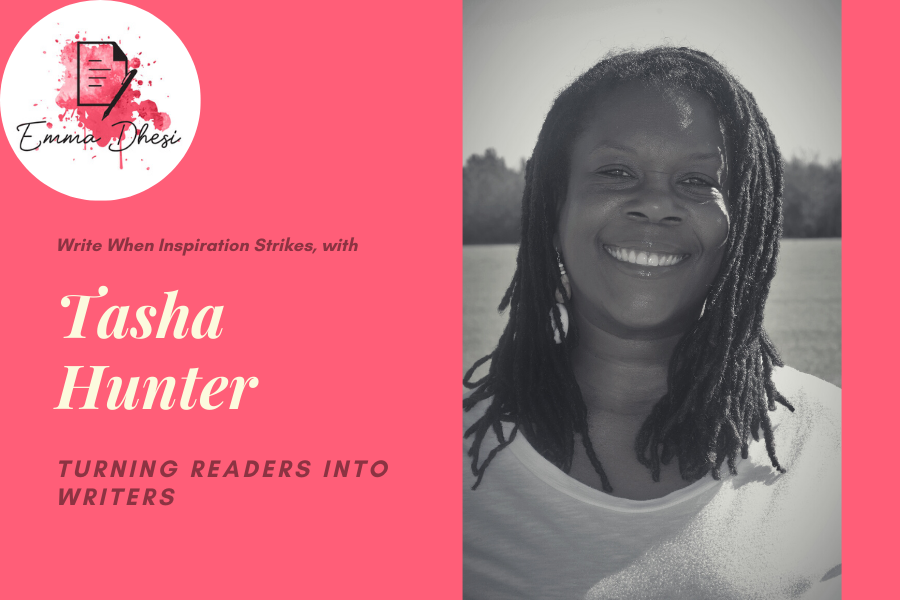
Tasha Hunter is an Air Force veteran with a master’s degree in Public Administration and social work. She’s a licenced clinical social worker and resides in Goldsboro, North Carolina, with her husband and daughter. She specialises in the treatment of PTSD, depression, anxiety, and stress, and works to eradicate the stigma of mental health by speaking to others at workshops and seminars about trauma and mental health-related topics. Driven and well informed by her personal experience. Her mission is to spread awareness about complex trauma, and to give survivors a safe space to heal. Her practice integrates mental, emotional, spiritual, and physical health. Today, she talks very openly about the subject matter of her memoir, what children remember. But she also talks to us about how she wrote the story, how long it took her and all the things that she thought about. And in particular editing, she spent a lot of time making sure that she got the right editors for her book, because she wanted to make sure that she had the best product you can possibly put together. So find out and be inspired by Tasha hunter today. Welcome to the turning readers into writers Podcast, where we teach beginner writers how to find the time and the confidence to write their first novel. I’m your host, Emma Dhesi. And I’m very excited that you’re here. Thank you for joining me today. Because if you’ve been longing to write your novel for forever, then this is the place to be. Think of this as your weekly dose of encouragement of hand holding and general cheerleading, as you figure out how you’re going to write your first novel. Trust me, as a mom of three young kids, I know how tricky it can be to tuck some time aside for yourself on a regular basis. And even when you do find that spare five minutes, you can feel so overwhelmed that no rating gets done. Trust me, I have been there. But this podcast is going to help you in practical ways. Because once a week, I’ll be delivering an episode that gives you steps to building a writing routine, encouragement to build your confidence and cheerleading until you reach the end. Okay, let’s start. Well, Tasha, thank you very, very much for joining me today. I’m delighted to have you on the show. 

Tasha Hunter  02:28

Oh, thank you. 

Emma Dhesi  02:29

I wonder if you could just tell us a little bit about yourself, you know, where you work and where you live and what you’re up to. 

Tasha Hunter  02:38

So I am originally from Little Rock, Arkansas. I currently reside in North Carolina. And I’m a licenced clinical social worker, I am in private practice. And my target population, my niche, so to speak, are two areas one is adults who have experienced childhood trauma. And I’m really specific in terms of, you know, working with people that that have childhood trauma, most of my population are what we call caretakers, helpers, medical providers, nurses, teachers, hairdressers, people that are in the helping profession in some way or another. And then women who have experienced infertility, so those are the two groups of people that I mainly work with. 

Emma Dhesi  03:35

Okay, um, know, that kind of leads quite nicely into into your memoir, you know, what children remember? Because I believe that is, well, it’s a memoir, so it’s based on your life story. And, and you also experienced kind of childhood trauma. I wonder if you could tell us a bit about the memoir and what prompted you to share your story? 

Tasha Hunter  03:58

Sure. I believe it was Toni Morrison that said, you know, if there’s a book that hadn’t been read, or that hadn’t been written yet, you know, it’s so to speak, I guess I’m paraphrasing, then you write it and I’ve read a lot of books and I just couldn’t find anything. That that was really honest. Um, especially as it relates to mixing faith, faith in God, you know, spirituality, and trauma and really being able to be honest, and authentic and vulnerable about exactly how the trauma impacted the person without this. Sometimes there’s I think there’s a pressure for people who write memoir to have a happy ending. And to make it seem like it’s all good, you know, I’m okay. And so I wanted to really capture the impact from childhood into adulthood, the impact of childhood trauma, and really explore Post Traumatic Stress Syndrome, and what that looks like in a six year old and an eight year old and a 10 year old and, you know, basically the entire lifespan, what that looked like, and I hadn’t seen I, you know, again, I read a lot of books, and I want it to write it from my perspective, and also from the perspective of being a black woman, because, you know, from my experience, that’s not something that we really talk about a whole lot. And, and I wanted my story to be told, and, and not just for my story to be told, but my experience isn’t that unique. There’s a lot of adults that go through all kinds of trauma during childhood. And I have lived with the belief that there is that pain can be purposeful. And so I’m not the kind of person that says, oh, everything happens for a reason. I think that’s really ridiculous. You know, to say, Oh, well, you lost your child, everything happens for a reason, or Oh, you were abused, everything happens for a reason. I don’t believe that. But I do believe that everything that we experience in our life, if we want to, we can use it for a greater purpose. And for me, that greater purpose. And the reason I wrote my book, is to say to a young, you know, woman that’s gone through some things similar to myself, you’re not alone. And hey, by the way, you can get through this, you know, you can, you can absolutely heal from this and have a good life, no matter what. Mm hmm.

Emma Dhesi  07:11

Are you happy to tell us a little bit about the story that you’re, you know, what happens in the memoir? 

Tasha Hunter  07:19

Yeah, so and thank you for asking. So, I’m basically I’m gonna, I guess, give you the short of the long is that at I often say that I was born in the wilderness, and my first language was pain. Okay. And the, you know, so so as it relates to childhood, abandonment, childhood neglect, childhood child abuse, physical abuse, verbal abuse, sexual abuse, I experienced it. I was born to a woman who told me she did not want me and wished she would have aborted me. She told me that many times throughout my life and so I grew up very much feeling unloved and being told I wasn’t loved in a number of ways. And so that was that six by eight, I was sexually abused and had had experienced physical abuse. By the age of 10, I started walking to the school bus and praying for God, praying to the heavens, hey, you know, I’m 10 I’ve been experiencing this pain this wilderness for 10 years. Can I come to heaven now? Can you release me from this life, I want to go to heaven, whatever that looks like I want to be there. And just saying to God, I’m done. And I was only 10 years old praying this prayer as I walked to the school bus by 21 I say it to God. Okay, I am done. And I attempt to kill myself. I shot myself and according to the surgeon and the ER Doc’s and nurses at the time, they say it that the doc specifically said to me that the bullet was one inch from my heart. And the bullet was designed to mushroom in. And what happened instead is it didn’t mushroom it didn’t hit my vital organs, as it was designed to do. It got stuck and travelled downward in my body. Wow. So here I am today. Here I am. And at 21 I had not even booked gun to live my life. So, yeah, I didn’t. Yeah, I’m so I’m so thankful that that this thing happened, this fluke happened and, and I’m still here. And so now several This has been 20 years ago that this happened. I’m 41 this year, and being a mental health therapist and working with people who were right at the brink, and they’re thinking, I have no reason to live. Talking to a child that comes from a home where there’s serious neglect, and abuse and saying keep living, keep living, it means a great deal to have been to have experienced that same thing. And to be living proof that you can get through it, does the pain go away? No, it doesn’t go away. But, um, I can still have a good life. And, and if I can learn, because my first language was pain, if I can learn pain, I can also learn purpose. And I can also learn the language of hope. I can also learn the language of love, which is what I needed. Yeah. 

Emma Dhesi  11:32

It’s such a, obviously a very tragic story, but also very uplifting, because here, you are still here, still helping other people. And so in your book, you talk about some very, very challenging subjects. And you have a family now. So how did you negotiate that talk writing and putting out in the public sphere, something so traumatic? And mould? 

Tasha Hunter  11:57

Awesome question, because so with everything that I shared, there were certain aspects of my history that I just didn’t know how people would react. And I imagined that there would be a lot of mumbling, like, Oh, I can’t believe she said that. I can’t believe she sharing this, she should have taken that to her grave. I could imagine the faces of people that would kind of judge me for sharing my turns. But sharing my truth was really a matter of life and death. For me, I didn’t want my story to die with me. And so, me sharing my truth, and encouraging and helping other women. trumped the shame, it trumped the, the fear of judgement, the anxiety over Oh my god, you know, what’s going to happen? My, my family, most of them understood, I had to reach out to some of my family to get, you know, facts regarding my history, because I couldn’t remember everything. And I told them, I’m writing a book, I’m writing a book. And so they didn’t know what that man I don’t come from a family of people that that do things like that. And so, um, I don’t know that they understood it or really felt that I was really serious about it. Um, so, and that’s okay, you know, with the fear, the fear of what are people going to say? How am I going to be judged? I just kept writing. I knew that, that that, that, you know, in the grand scheme of things that they, their opinions wouldn’t really matter, because they’re not really that important. So I don’t know, a nice way to say that. You know, when you because I left home, am I left home at 17? Right? I don’t come from the kind of family where it’s really close knit and we’re out would really need to be concerned with people I think I would still write even if we if it was a close knit family. So I left at 17 I’m estranged from my abusers and anybody that would think negatively of my story I’m a strange from and then when I published my book, oh, there was so much anxiety because I speak about my questioning faith questioning Christianity, which was scary. Questioning I’m just even speaking about my suicide, which a lot of people didn’t know and I also talked about my sexuality. And so those were the things that that I was like, oh, what are people going to say? What are they going? And it’s since then it’s I’ve gotten support from the places where I knew I would get support from. And then I’ve gotten a lot of positive from family that said, Wow, you really hit the nail on the head, while you put this is beautiful. And, and so even for them, it’s been some healing that that that took place in their own lives from just reading my story and being able to to verbalise the things that that that I experienced, which is some of what other family members also experienced in some way or another.  Yeah, I think that is why memoir is so so important is, mean, there’s a good example from you, in one family, many members of the family are going through something and they don’t know the others are. And when we feel so, so alone, and we see somebody else’s experience in black and white, then we begin to realise, oh, it’s not just me, I’m not mad. I’m not bad. I don’t deserve this. It’s so so empowering. I love memoirs, especially when, you know, there is not necessarily a message or a sort of moral at the end of it. But it does just give people hope.

From time to time, I link to products or services I love using with affiliate links. This means that I may receive a small percentage or fee for referring you to any product you may purchase from one of those sites. It does not cost you anything. These small fees help sustain my small business. I truly appreciate your support.

Emma Dhesi  16:29

And I’m absolutely sure your story does that for many of the people that you work with. And because the subject matter is so very challenging. I’m wondering if there was there were aspects of your life story that although they were perhaps a big part of your story, you found either they’re too sensitive to write about, or that they didn’t fit with the narrative of the story that you were telling? 

Tasha Hunter  16:58

Yes, absolutely. When I first started writing, I didn’t know that if it would be a full memoir, I consider myself to be kind of a rebel. So I didn’t want to follow the rules, the writing rules, so to speak, or the industry standard. And I wanted to put some, some meditations in there, I wanted to add some poetry. And, um, and then there were other parts of my story where I shared about the abuse, but sometimes it was like, okay, we can cut that off here, we don’t need to know every single instance of abuse. Or there were things about certain family members that in the earlier versions of my writing, I shared and then later redacted. All of that took all of that out. Because it wasn’t my story to tell it wasn’t. They weren’t my experiences, right. And so, you know, I, I kind of questioned what, what’s the purpose of adding this good editors will help you do that as well. And so I had really excellent editors that helped me to figure out what to, to keep and what to take away. When I speak. I’m sometimes redundant. And so again, a good editor said, Oh, you said this several times. Take this out. But yes, there were several parts of my story that that ended up not being in there mainly regarding the abuse, because how much can one person handle, you know, reading? Um, because it’s a lot. It’s a lot. And so, for my first and only book, I don’t know if I’ll write another one. You know, we’ll see. It’s a hefty memoir. It’s over 300. It’s like 340 pages. Okay. So I had to take a lot out. 

Emma Dhesi  19:04

But I imagine that first draft writing that first draft over and just spilling your soul light onto the paper, I imagine that was very therapeutic just in itself, even if later down the road, you had to take notes. 

Tasha Hunter  19:18

It was so therapeutic. years ago, I used to blog. So I have this blog that I would I would kind of write on and it was anonymous. I didn’t tell anyone. I had some followers and I just kept it to myself. And I’ve always been a person that journaled so I have lots and lots of books that I journaled my thoughts in. And in 2016 I decided I’m going to just write this book, I’m going to write it so I went back to my blog I went back to my journals and you know just kind of look to see what’s what’s there. And what can you hold on? Let me make sure I answer that question. What did you ask me again? I don’t want to lose. I’ve always been a person that when I used to have my blog, I remember writing a post and a journal entry. And I wrote whenever I, when I’m not speaking, I feel like a stuffed pig. With the apple in the mouth, you know, really bound stuffed with all kinds of goodies that I just can’t get out. Right. And, and so it’s important for me to speak, it’s important for me to write, I’ve been doing this keeping a diary kind of a thing since I was a little girl. So it is extremely therapeutic. That entire again, just like you said, even the stuff that didn’t really make the cut, you know, at the final product, it was really therapeutic for me to just write it down. And then the additional validation of having the editors I utilised for my book, five different editors. And to have them more specifically two out of Yeah, two out of the five to really validate my experience, even in them, just editing my work. Just being able to read it and say, Wow, you’re so strong. I can’t believe you live through that. These are my editors, and for them to even validate my story. It was all very therapeutic. 

Emma Dhesi  21:52

I am just curious, because from what you said earlier, did I understand correctly that your family is not a family of readers? 

Tasha Hunter  22:05

I don’t come from a family of readers, no, I read a lot growing up. But in the toxic and abusive home that I grew up in. Books weren’t that big of a deal. 

Emma Dhesi  22:23

Because that’s what your passion, first of all your passion for reading as a child, but then also finding that that tool of journaling. How do you think you found that? 

Tasha Hunter  22:35

Oh my goodness, I had an aunt that her name was Faye, and she introduced me to Dr. Maya Angelou. Why caged? Why? You Know Why the Caged Bird sing? And she introduced me to poetry, Langston Hughes, Dr. Maya Angelou, Nikki Giovanni, Sonia Sanchez, E. Cummings. Emily, I think Robert Frost, Emily Dickinson there’s so many I could go on and on the real mix is a huge mix. And she so she introduced me to poetry and to, to just this way that people poetry is just really honest, in and of itself anyways. And that’s what I believe in. And it’s just a different way of getting your thoughts out. And, and it was during that time when I when I couldn’t speak to my the people that were closest to me. I would write and I would write poetry. That was my outlet. And I didn’t again, I didn’t announce it. I didn’t tell anyone. This is what I do. I just, it’s the only thing that I had, um, as a way to get things out of me and kind of paper it was really therapeutic at a young age. 

Emma Dhesi  24:04

Your aunt must have recognised you needed it. 

Tasha Hunter  24:08

She did and then I had another art debt. Her name is Renee and Renee she said I was in high school. And she said you should write a book. And and she said and when you write it make sure that you copyright it so no one steals your stuff. And I’m like, What? What are you talking about? And so, um, I didn’t take it seriously at all. I just was like, I can’t write a book. I don’t know anything about writing a book. Well, lo and behold, look at me now. All right. 

Emma Dhesi  24:51

Well, now talking about writing books. I want to I want to get practical with you know, we’re you have a very full on job you work with A lot of people who need you, you have a busy life. So how did you manage your time so that you could make space for the writing in your life? 

Tasha Hunter  25:08

So what I did is, I kept a journal in my purse, in my car everywhere. And I made time, every day, every moment, because inspiration would come to me while walking inspiration would come while driving inspiration would come while reading another book or watching a movie. And so I made a promise to myself that when inspiration arrived, I would write it down. Whatever would come to mind, I would write it down. And that is what worked for, for me. And just making time, every day, whether it’s first thing in the morning at four in the morning, or making time at night at 8pm. You know, once the house is settled down and dinners cooked and everybody else in my home is taken care of making time and I was really quite religious about doing that just I needed that structure. Because without structure, I’m not going to get anything done. So I stuck with it. And I just again, I made a promise to myself that when inspiration arrived, so that I wouldn’t lose the thought or lose whatever I would if I’m walking if I’m you know, taking a jog or something, I would record myself speaking about the thing that I want to write about. Excellent. And so yeah, I just I stuck with it. And I knew because you know anybody that’s a creative, you just never know when inspiration is gonna come for me. It’s, it could be two in the morning. Yeah, and I vowed I imagined. Here’s the other thing. And I would imagine speaking to Oprah, which I have a whole chapter in my book dedicated to my love of Oprah. And she journaled a lot throughout her life. And so I have that similar thing. And so I would say, I’m going to be like Oprah, Oprah didn’t sleep a lot. She would talk about waking up in the wee hours of the morning and getting to work or writing or meditating. And I would do the exact same thing, because I wanted to make sure that I captured it all again, even if it didn’t make the final cut. At least I got it down somewhere. Maybe it’ll be useful later on. You never know. 

Emma Dhesi  27:47

So it sounds then that you didn’t write the memoir linearly that you wrote it sort of as in when a subject or an idea hit you. And then you pieced it together at the end.  And you said you had five editors? Wow. So how did you find your editors? 

Tasha Hunter  28:07

So, um, I had a list of maybe 50 people that I found in various Facebook groups. There were several editors that I followed on Twitter, on Instagram. And then I had editors that I found on YouTube and on Upwork. And so not that I researched all 50 because I didn’t. I didn’t, um, let’s see. One came from a Facebook group of writers and just people that are editors. And then I think the rest of them came from Upwork To be honest, yeah, well, one came from Facebook, one came from Twitter. And then and then the other three came from Upwork. And so yeah, that’s how I wanted, you know, five different women, five different perspectives. They had to be women, though. And, and I told myself, I’m good at two, I tell myself lots of things, by the way. And I said, Okay, I buy a lot of books on Amazon and from Target and I want my book as professional as any book that I pay for. Mm hmm. Yeah. Whatever I have to do to make sure that when somebody is reading it, they’re not like, Oh, my God, I know she’s self-published, wolf. It’s okay. Yeah. Ah, I wanted it to be just as professional as the people that I look up to. Even though I don’t have their money, and I’m not on the New York Times bestsellers list and all of that I wanted a professional book. So I would do that all over again. And even more if I if I had to.

Support The Show

If you enjoy the Turning Readers Into Writers podcast, you can now support my time in producing the show with Patreon.

If you find that the podcast adds value and you’d like to help support the show, please consider supporting me on Patreon for $3.00 per month and you’ll get bonus podcast content, as well as a personalised thank you from me, and a shout out on the show.

Emma Dhesi  30:16

So I’m curious as well, the editors that you found, did you know that they edited memoir specifically? 

Tasha Hunter  30:25

That’s one question that I had, yes, when I, because many editors, you know specialise in sci-fi or romance or you know, different areas. And I wanted an editor that specifically listed memoir, in their profile, or in their, on their website that they had experience with memoir. And so yeah, that was really important. Also look for editors, it was really important that they, I’m a communicator. So if communication isn’t on the top of that editors list, and then that’s not going to work for me, I needed editors that that wouldn’t mind a 20 minute, you know, weekly or biweekly phone call to kind of talk about the feedback or, you know, I needed to hear their voice. Yeah. Or to see in their writing that they could communicate really well with me regarding, you know, how they’re doing, you know, with writing things up, or if I had questions, that communication was really, really important. And I had to amazing two out of the five that were phenomenal at giving 

Emma Dhesi  31:48

right, it’s nice when you find someone that you click with and who you you realise gets you and what you’re trying to say? 

Tasha Hunter  31:55

Yes, it was, it was really I, you know, I’m handing you over my life, my legacy of work, that’s really important. And I would always feel kind of naked every time I handed it over to someone. So it was really important to have to have two out of the five that understood that level of vulnerability for me, given the topics that I discussed. Yeah. And they honoured my request to every so often every week or every Blue Moon. Let’s can we can we talk on the phone? Can we have a conversation about what you have written up? And how do I proceed based off of your feedback? Yeah, um, those 20 and 30 minute phone calls? It just that it did it for me. I needed that. And not everybody needs that. But I needed that 

Emma Dhesi  32:55

relationship building, isn’t it? 

Tasha Hunter  32:57

Absolutely. 

Emma Dhesi  32:59

How long do you think that it took you to write your memoir, say from when you first started making your news through to publication day, 

Tasha Hunter  33:06

It took me four years. It several different changes in the book title. Every now and then I would kind of give up and I would say, oh, nobody wants to hear my story. We’ve had enough of these stories about abuse. We’ve had enough sob stories, not going to write another book, you know, who’s going to want to read this. And I gave up several times. And even right before when it was all done, I was with the last editor who proofread my book. I said, I’m not publishing this, I’m not gonna do it. And, and then I thought, I’m gonna do it. Do it. So it took four years. 

Emma Dhesi  33:59

And so I’m glad you did stick with it. And what advice would you have for others who are perhaps in a similar situation to you where that you were in four years ago? And are not sure if they should do it? Or and how would you suggest they start? 

Tasha Hunter  34:14

Mm hmm. I would say to anybody out there listening in, they’re wondering, you know, they’re wanting to write the book, and they’re just not sure I would say, stick with it. Someone gave an analogy. I don’t remember where I saw it somewhere on social media. And they said, you know, whenever you think about the fact that you know, do I have a story to tell, go to the grocery store and look at the aisle that has all of the different waters. And every manufacturer that has bottled water and everything’s Oh, well someone else has bottled water, I’m not going to make bottled water. And so we have all of these options as it relates to water. And so when I thought about that, I said you know what, I’m gonna To write my book because no one has has lived in, nobody has walked in my shoes. No one has written a book in the way that I am going to write it and telling the story in the way that I am telling it. And so I would say write your book, we need your specific story. And there’s someone that’s going to read your book, whatever genre it is. And they’re going to be so glad you wrote it. So write it and make time whether that’s once a day, as inspiration sparks the way that I did. or once a week, once a month, have a schedule, and stick to it, whatever you do, stick to it. And before you know it, you will have accomplished the goals that you have set for yourself. 

Emma Dhesi  35:49

I’m a big believer in setting setting those schedules. And otherwise, it doesn’t happen. 

Tasha Hunter  35:57

Absolutely. 

Emma Dhesi  35:58

So Tasha, thank you so, so much for your time today. I really appreciate it. Before we go, can you let listeners know where they can find your book. 

Tasha Hunter  36:06

So for anyone that is listening, my memoir is titled what children remember. And it is available on Amazon. It is available in hardcopy, paperback, and ebook. And, you know, the E-book is available anywhere, that’s where you get your ebook. So you can buy that anywhere, but the paperback and the hardcover is available on Amazon. It’s what children remember by Tasha Hunter. 

Emma Dhesi  36:37

Fantastic, I should put a link to that in the show notes. That’s wonderful. Well, that’s great. Thanks so much. Enjoy the rest of your day. 

Tasha Hunter  36:45

Thank you. 

Emma Dhesi  36:49

Before you go, I want to tell you about my Patreon page, whenever anyone supports the show, it expresses just how much you’re enjoying the content and how much you want it to continue. Your support helps maintain the podcast and keeps it going. It means I can create better resources for you. When you’re listening to the podcast or checking out the webpage, it means I can focus on getting a higher reach of audience. And when we get a higher reach of audience, we can get more guests, guests that are really going to help you and then who knows where it’ll go from there as a new podcaster and someone who’s starting out and finding their feet in the podcasting world. Just as I’m helping you find your feet in the writing world. I can’t do it alone. I always need help. So I’d love it. If you would support the show by signing up. There’s just one to $3 a month. And for that I’ll make sure that each week I’m delivering the best podcast I can for you and as a way of saying thanks. I’ll give you a personal shoutouts on the show. So check out the page at patreon.com forward slash Emma Dhesi. See you next time.

If you’ve been working on your novel for years (perhaps even decades) the maybe it's time to consider working with a coach.

If you have multiple versions of your novel and you don’t know which works best, are scared nobody will like your book and don't feel like a 'real' writer, then my guess is coaching is the right next step for you.

Find out more and sign up for your free Clarity Call here: https://emmadhesi.com/personal-coaching/
 

Alliance of Independent Authors

Shortcuts for Writers


Do you feel as if you don’t have the time or the money to invest in editing your novel? I know an online course that can help you to transform your manuscript WITHOUT breaking the bank. It’s called Book Editing Blueprint: A Step-By-Step Plan To Making Your Novels Publishable, and it was created by Stacy Juba of Shortcuts for Writers. 


Photo of a woman with dark hair wearing an orange blouse

Emma Dhesi

Emma writes women’s fiction. She began writing seriously while a stay at home mum with 3 pre-school children.

By changing her mindset, being consistent and developing confidence, Emma has gone from having a collection of handwritten notes to a fully written, edited and published novel.

Having experienced first-hand how writing changes lives, Emma now helps beginner writers find the time and confidence to write their first novel.

She is a certified Author Accelerator Book Coach

Productivity with romance writer Cadence Keys

Productivity with romance writer Cadence Keys

Productivity with romance writer Cadence Keys

by Emma Dhesi | Turning Readers Into Writers

Interview with Cadence Keys

Emma Dhesi  00:00

Cadence Keys writes steamy, contemporary sports romance stories about complex alpha males and the women who love them. She loves football, coffee and watching Gilmore girl marathons. She has been raising for almost a decade knows or has lots to share with us. But only recently did she get the gumption to really do something with her work. She looks forward to publishing many more novels, especially her le wolf series, let’s find out what cadence can teach us about getting started in our writing lives. Welcome to the turning readers into writers Podcast, where we teach beginner writers how to find the time and the confidence to write their first novel. I’m your host, Emma Desi. And I’m very excited that you’re here. Thank you for joining me today. Because if you’ve been longing to write your novel for forever, then this is the place to be Think of this as your weekly dose of encouragement of hand holding and general cheerleading, as you figure out how you’re going to write your first novel. Trust me, as a mom of three young kids, I know how tricky it can be to tuck some time aside for yourself on a regular basis. And even when you do find that spare five minutes, you can feel so overwhelmed that no rating gets done. Trust me, I have been there. But this podcast is going to help you in practical ways. Because once a week, I’ll be delivering an episode that gives you steps to building a writing routine, encouragement to build your confidence and cheerleading until you reach the end. Okay, let’s start. Well, thank you cadence for joining me today. I’m really thrilled to have you on the show. Yeah, thanks for having me. I wonder if we could just start by you telling us a little bit about yourself, and what drew you to writing how you started writing. 

Cadence Keys  02:01

I’ve always loved writing, I was an only child for a really long time. And so my imagination would run rampant. And I loved reading. I was one of the last kids in my class to actually learn how to read. But once I started, I never put a book down. I would carry books with me in my purses whenever I’d go somewhere. Like I always had a book. So we mentioned what Kindle was really exciting for me. But yeah, so I’ve always been an avid reader. But I and I would write kind of on the side but never really got the confidence to pursue it, mainly because I just thought it was something you had to do. You had to be through a big five publisher and you had to go through all of that there was no way and then with the, you know, rise in self publishing and it becoming more acceptable to be a self published author. I finally decided to push forward and try my hand at that. 

Emma Dhesi  02:54

fantastic was very similar to mine. And I was quite slow to start reading. But once I did that was it I couldn’t believe this whole other universe opened up in my life, I think Well, probably the same just was never the same again. So now you write a romance and you’ve said you write steamy romance. And so without without getting having to give myself the E reading on their iPads. And what’s the sort of main difference between a standard kind of mills and boons romance and steamy romance? 

Cadence Keys  03:29

I don’t know mills and boons. 

Emma Dhesi  03:32

Ah, okay, so like Harlequin, you know, sort of our Okay, we begin the eating. Yeah, so 

Cadence Keys  03:39

I’ve not read a lot of Harlequin. I know that’s probably like big romance. No, no, but um, I don’t know, I feel like this is kind of a questionable thing. Because there’s so many different levels of themes. These days, like I hear some authors are like, oh, I’ve got a mid level theme. And I was like, What is the mid level theme? And so I guess there they say it depends on the number of themes where you get very, there’s more visuals of what’s happening in the intimate moments. And so, um, so for me, I, I see it as steamy because I have a couple of those, like just a handful. But for me, that would be a mess that if I were reading, if I were expecting a clean romance, I would probably be really jarred to open my book and read it. Or even if I was expecting, like, you know, low theme, or low intimacy or more closed door where it’s implied but nothing’s actually stated. Versus mine is actually hated. So. Yeah. 

Emma Dhesi  04:43

I see that. Yeah. So you’re writing the LA wolves series. So tell us a little bit about that series. 

Cadence Keys  04:55

So this le will series started off with jack which is the lead In a football theory of American football, I should say it’s an American football series that started with jack. He’s book. He’s one of the main characters, a male lead and book one. And it just kind of came to me. And as I was writing that, that first story, I was like, What about if this player had a story, and there’s some chemistry between Paige she’s my female lead in that book, her best friend and one of the other players on the team. And I was like, Well, what if they got a story, and then it just buy over from there. And I now have five books that I’m planning to release next year, or through the, from here on out, there will be five releases between December of this year in December of next year, in that series that are all interconnected standalone. 

Emma Dhesi  05:48

I was just gonna ask you to indicate if it was a serial or so you have. You’ve published the novella, the prequel novella, and then they are coming in three month intervals. So I I only write standalones, I don’t write to us at all. So my, to my mind, I’m thinking, oh, wow, that’s super intensive. How have you gone about writing the series? Are you doing them all in advance? Are you writing them and kind of one after the other? 

Cadence Keys  06:19

So I guess a little bit of both, I don’t like to write two stories at one. But I will work on editing a story and writing a story. So for example, I have like three projects right now. So book one, the novella is also being I give out for free to people who sign up for my newsletter. And then, and that’s just kind of their jackin page, it’s a second chance romance. So their story is just, it’s just a preview to their story. So that book, in the graph is the first one and that comes out in December, that one’s basically done. I’m just waiting for December to get here. Book Two is across the middle. And that book is in editing stages. I wrote it in September, in three weeks doing sprinting, which I’m now a huge advocate for sprinting. I like think it’s the best thing in the world. And I can definitely talk about that if you want me to Yeah. So I wrote that in three weeks, three and a half week during sprinting. And then I’m currently editing working on editing that one. And I’m prepping for Book Three, which I will be doing, that’s my NaNoWriMo project. So I’m doing NaNoWriMo. And I plan to get the first draft of that done during November. 

Emma Dhesi  07:39

Cool. I’m gonna do nano as well. So I’ll be thinking about you. So you haven’t planned paying for that at the moment? What does prep for NaNoWriMo mean for you? Oh, 

Cadence Keys  07:49

I’m kind of old school. I love No cards. I know lots of people are like, Oh, I want to buy plotter and do all these things. There are all these different programmes and I just can’t do it. One because I stare at a screen enough during the day that I it’s just too much. And I jot notes down throughout the day or put them on my phone throughout the day of ideas. And so I usually get note cards so I’ll so yeah, so I’ve got no cards for I basically break it down by chapter like if I see specific scenes, I put that scene on note card. And that ends up being a chapter and I kind of have like chapter goals for a novel. But I’m also I also leave myself some room to add things. Because like, for example, my last book, or book two that I just finished the first round or first draft of that one, I had all my note cards, my outline several themes, like really ready to go. And then as I was writing it, I realised there was a whole chunk that I was like, No, this happens too soon. And so I ended up adding like five chapters in between to really lengthen it out and add more depth, I thought to their characters and mirror their building relationship. And so that’s what I like about notecards is then I can lay it back out and say, okay, where does this fit? or How can I adjust things without throwing off how I’d really visualise the story. And I also find that it makes editing, going back and editing a lot easier, because I already see how everything plays out. And so I can just go back and figure out okay, where does this fit appropriately, but it won’t totally throw things off. And it will enhance the story instead of just being like wow, this came out of left field. Yeah. So, so I’m old school and, and that worked for me. And then I do some other things. I’ve been learning some other techniques to dive a little bit deeper into my characters I’m currently taking Mary bekam plotting course, break into fiction. And that’s been super wonderful. Just to help me really dive deep in knowing who my characters are, and make sure that my conflicts aren’t meaningless that they are They have point and purpose. They’re not just I’m not just throwing a bus in front of them to throw a bus in front of them. But that there’s a point and they’re given a choice. And we see the poll between what choice do I make? Why am I Why is this even a struggle for me? And so I feel like my characters for my next book are going to be even deeper. Because of, of all that work that we’ve been doing. 

Emma Dhesi  10:27

Mary Buckham, I’ll put a note of that in the show notes. That’s interesting. 

Cadence Keys  10:36

Yeah. Yeah. So I found out about it through Alexandre Tory ingrooves group, somebody had dropped it in and I it was about a plotting thing. It was a free webinar. And I like to plot, but I don’t like to strict plot. But I do like the plot. And I was like, well, maybe this will help me plot a little bit better. You know, because you never know what you don’t know what you don’t know until you find out what you don’t know. So. So then I signed up for this full course, because I did learn some things. But I was like, Oh, I didn’t know that. So I signed up for the full course. And I’m loving it so far. I find I find it really helpful. And it’s made me look at my characters in a way I never had before. 

Emma Dhesi  11:14

Oh, fantastic. I’m gonna check that out myself. Yeah, yeah, yeah. Character development. It’s them. It’s, it’s I’m realising that and realising more and more just how important that is. It’s not just about the storyline, but about the equal stay as well. Yeah. 

Cadence Keys  11:30

Yeah. Especially in romance, because romance is so character driven. That we have to have a strong characters. 

Emma Dhesi  11:39

So yeah, I know, you mentioned and sprinting and that you, you’ve fallen in love with sprinting. So tell us about your methods. 

Cadence Keys  11:46

Yeah, so I love sprinting, I have a baby at home, and I have a full time job. So my time is super limited and not my own. And I love printing because I can definitely find i. So I had watched a webinar about it, where the people recommended either doing like 25 on and five minutes off, and then 25 on and five minutes off, or you sprint for an hour. And I was like 25 minutes doesn’t feel long enough to me. So I feel like I’m just yeah, it just doesn’t feel quite long enough. And then an hour feels too long. I was like, I don’t know that I can find an hour at a time. So I started sprinting, doing 30 minute intervals. Because I was like, I know, I can dedicate 30 minutes. And what really struck me about their advice about sprinting was that you have to shut off your editor, your internal editor, which is something that I didn’t realise how badly my internal editor was getting in my own way. And, and so it really does help you shut it off. Because you just have to write, you just have to go, you just have to get the words on the page. And you can go back and fix that later. But you can’t fix with not written. And so I thought that was really powerful advice. And so I do 30 minute intervals. And I have found I’m a pretty fast typer. So depending on what scene I’m working on, or if I’m well usually, depending on what scene I’m working on, depends on the word count. But I can usually get anywhere from 1100 to 1600. We’re in a 30 minute sprint. So if Yeah, and so there have been a couple times, like if I’ve been having a really off day, or just like my writing Mojo was totally gone, I maybe got like 800 but I can usually get a pretty decent chunk out. So if my goal for the day is like 3000 I can bump that out, usually like two or three sprints, which also helps. Yeah, which helps, it also helps me feel one more productive and two more efficient because I if I have this big lofty goal like 3000 words a day, that’s a lot. That’s a lot of words in a day. But knowing I’m like, oh, but I know that my word. This is my average word count when I do a half hour sprint. So really, when I break that down, at most, that’s like three Sprint’s that’s an hour and a half out of my day. And then it makes it feel so much more manageable. Instead of like staring at a computer like oh my god, I have 30,000 words I have to write, you know, which feels like it’s the hardest thing in the universe. And so it just it helps mentally me be able to get those words on a page one because it shuts off my internal editor and two because it gets me out of my own head of like, Oh my god, this is so many words. And so I love it. I would write I rave about it to everybody that I can I’m like have you tried sprinting sprinting is amazing. When I first started using it, I didn’t have a whole lot of writing buddies yet. Because I’m I was just getting really active into the writing world and writing community. And so I would hold myself accountable by putting on Twitter, like hey, I’m starting a 30 minute sprint. In Touch later, and people would actually comment, like, because I would do like hashtag sprinting or hashtag and writing romance or whatever. And people would actually comment like, hey, the book or you know, what’s your account and and then I’d post it later again, it just helped me feel accountable of like, yep, there’s somebody there that is gonna notice, oh, hey, she had her word count, or Hey, she, she did finish her sprint. So that was one way for me to hold myself. Come on. Now I have writing buddies, but we all talk about sprinting together. And we all have equally crazy busy lives. So. So that’s fun.

From time to time, I link to products or services I love using with affiliate links. This means that I may receive a small percentage or fee for referring you to any product you may purchase from one of those sites. It does not cost you anything. These small fees help sustain my small business. I truly appreciate your support.

Emma Dhesi  15:34

I love that it’s certainly something I do encourage all of my students to do is get a an idea of roughly how much you can write in any given timeframe. And then you can, as you see kind of shedule that through your day or through your week. And for me scheduling, particularly in the early stages, when you’re transitioning from somebody who writes just for fun to somebody who’s wanting to be more intentional with their writing, I really, really encourage my students to shedule in their writing time as well over the the forthcoming week. Do you plan ahead with your writing over the week? Or do you do write every day for example? Or do you know that you’ve got c two days available to you when you can do your writing Sprint’s How do you try and formula formulate that over your week. 

Cadence Keys  16:22

So I try to write at least a little bit every day, when I’m writing something new. Once I hit like the editing stages that kind of adjust a little bit. But when I’m in the middle of writing something new, I try to write a little bit every day, even if it’s just 500 words. And so I find that I write the best in the morning, I’m just usually way too tired at night, and I fall asleep, my kid falls asleep. And so I try to get up a little early if I can, and do like 30 minutes before I have to go to work. And then, you know, on my lunch break, I’ll try to do 30 minutes there. Sometimes I’ve used text to voice or voice to text to just because sometimes you can’t typer I hate typing long stuff on my phone. It just gets, it just feels like a lot of work to me, I prefer typing on a keyboard because I’m faster. And so I’ll just talk into my phone and get it all out that way. So those are ways because those words still count. Like you may not be typing them, but they still count. And then the other thing is, I think the biggest thing for me is not comparing myself to other writers because it’s really easy in this community. There are so many writers doing amazing things for us to compare like, Oh, no, I’m, I’m not writing as much or I’m not doing as much or I’m not releasing as many books. And that pressure can really get in your way. And so just knowing like, whatever’s good for you is good for you. Like you’ll work your way up. You know, it took me four years to write my first book. So the fact that I could even the fact that I’m even taking the time every day to write my second and now my third, like that, to me is progress. And so I just keep that in mind on days when I can’t write as much. And then on weekends, but I usually try to write more because I can write more while my my son is napping or I just have more time during the day because I don’t have my job. 

Emma Dhesi  18:17

Yeah, it’s just so organised. I’m so impressed by your your energy to having your baby. 

Cadence Keys  18:24

Yeah, well, I have a hand planner that I use for like all my writing, like to structure all my like if I writing stuff or takeovers or like webinars that I want to watch, and then like my phone, I have my calendar up on my phone that has everything else on there. I mean, yeah, it takes a lot of work to get organised. And I’m definitely like losing a lot of things, I’m sure but I just I found I love writing and it feeds my soul in a way that nothing really ever has before. And I having my son just really kind of inspired me to pursue it because I want him to be able to pursue his dreams and what really makes him thrive. And so just finding even the half an hour a day to me, is my self care. Like that’s how I take care of myself and that’s how I was okay, this is mommy’s time. And I’m just going to write and then I feel good. And it’s my creative outlet. And you know, I’ve made lots of friends down this community and those are my people, you know, and like we get each other and, and so it’s it’s just like it feeds my soul. And so I I find that I have to make time for it or else I start to just get stressed out and kind of grumpy. 

Emma Dhesi  19:38

It is true. I am a big believer that in that. A happy mummy equals a happy happy baby 

Cadence Keys  19:44

very much so yeah. 

Emma Dhesi  19:46

Now you mentioned Can you see there before so you’ve said that when you first started you put on Twitter to just give yourself a feeling of accountability. But no, you have either accountability buddies or just kind of writing friends. Did you find them through Twitter or? 

Cadence Keys  20:02

No. So I’m actually like not even super active on Twitter, I really only use Twitter for when I need that, like extra accountability or something. I found them all through Facebook, which I’ve never been a super huge fan of Facebook. But the but I’ve really loved the writing world, at least the ones I’ve stumbled on, I’ve heard there are some that are hit or miss. But the writing world I’ve found I really love and they’re all on Facebook. So the interest group, I’ll senatore English group. That was my first experience with a writing community. And I found so much information from there. In fact, I was on tutorial publishing course, was the first thing I ever, like, read or not read on publishing, but it’s what really helped guide my publishing journey and the structure that I took, at least getting started. And so that was my first group. And then I’m a wide author, I published wide and not and not exclusive to Amazon. And so I joined the wide for the wind group on Facebook, which is awesome. I love that group. Fish those that love it. But yeah, so I love going on there and seeing what people are talking about and different strategies that people use. And then I’ve got another group, just like kind of a beginning writing romance group, we’re all kind of freshly getting started. But all in different stages, some of us have published multiples, some of us haven’t published at all. And so it’s just a very diverse group. But we’re all supportive. And we’re all like, Okay, so what are you doing to do this? And how do you feel about these and, you know, so it’s been, it’s been fun to get to know each other. And now we start, we started zooming in zoom meeting, where we actually could like, see each other and just chat about life, or books, or whatever. And so it’s really been awesome. And that all just happened organically, I get started, I joined one group. And the thing is you have to participate in the community, that’s what I found, you have to be an active participant, not just a fly on the wall. And that’s really for your benefit, because I get so much more out of building those relationships, than if I just sit back and passively scroll through the comments. I might even though I get a lot of information out of like the wind for the wind group, I’m not as active on there, because I’m, I’m not fully published yet, like my first book is still kind of getting ready to grow. So I know that I’ll be more active once I actually feel like I have something valuable to say. But in my other groups, I tried to, you know, be as active as I can when I have the time because obviously social media is its own beast of time management. But, but yeah, just being really active in that community. And not for what not just for what you can get out of it before you can give back. Like if you can say, hey, you’re like, if you see someone’s freaking out, hey, you’re not alone, like this is really overwhelming and stressful. Just keep your head up, like you’ve got this, like even to something like that. You don’t have to have any publishing experience to be a shoulder for somebody or just like a cheerleader for somebody. And that can be really powerful because it makes someone feel heard and seen. And so I think that’s just the biggest piece of being active.  

Emma Dhesi  23:27

Yeah, no, I said, lovely. I am you just kind of a member of a few groups, because I’ve discovered because Facebook groups are so big. Now I’ve discovered them. I feel like I’m a member of hundreds of them. And it’s difficult to actually participate in so many groups. And have you been quite selective about the ones that you’re a member of, or the ones that you participate in? 

Cadence Keys  23:49

Yeah, so I’m a member of a lot because I do takeovers. And so I will participate still, like in some of those groups. If I see stuff like I’ll drop comments in or as needed. Or I still thought like I’m in some author groups. Because I’m myself, I’m Canada’s authors. And so I’ll totally comment like, just the other day. Take a number by Amy Dawes came out and I and she loves Gilmore Girls, I love Gilmore Girls. And so, you know, I definitely commented on how much I loved the opening Gilmore Girls argument scene. And, and I do that kind of stuff all the time. Well, when I can, because I still, it’s still a lot to comment on. Like there’s so much that goes on. And there’s hundreds of comments, but even just dropping in there. And then there are, I would say, three writing groups that I’m a part of that I’m active in participating in. And those ones I definitely prioritise just because I feel like I’ve done so much from that community that I want to nurture that relationship and give back.

Support The Show

If you enjoy the Turning Readers Into Writers podcast, you can now support my time in producing the show with Patreon.

If you find that the podcast adds value and you’d like to help support the show, please consider supporting me on Patreon for $3.00 per month and you’ll get bonus podcast content, as well as a personalised thank you from me, and a shout out on the show.

Emma Dhesi  24:58

Good advice there. I think I need to take Take your advice on that one. Yeah. And I think if I want my other question was going to be kind of around how you balance your writing time with working full time and having family. And I think you’ve kind of answered that. And I’m guessing that your partner is supportive of your writing and kind of facilitates that as well. Because it’s not about what’s going on in our brains as a solo activity, that kind of the writing life is not a solo job, we kind of need other people around to support us. So do you get that from your partner? 

Cadence Keys  25:32

Oh, absolutely. Yeah, my husband is probably my biggest cheerleader. He’s actually the one who pushed me to publish in the first place. He’s like, you need to get the story out there. Like you need to write like this. This is good for you, and you love doing this. And so he is constantly cheering me on and helping out when he can. And I know cuz he works, too. And so he’s been a huge support. It’s like watching our time, even now, for my longtime listener, DJ. He is, you know, he’s just awesome and been very supportive. And I frankly, couldn’t have done what I’ve done without his support. 

Emma Dhesi  26:09

Now talking of family, and I knew that you use a pen name, I’m not going to ask for your real name. But I do like your name, and it does m cadence keys, it does fit a few very well with your genre. How did you sort of come up with the name and or why did you feel the need for a pen name. 

Cadence Keys  26:28

I’ve always loved alliteration. And so I just loved the flow of Katie’s keys. And I see a lot of like, new generic last names when people go pen names, but I didn’t want to be so generic like stone because I feel like I’ve seen a tonne of authors with last name stone, or something like that. And so I looked up different author names. I even went on like the romance Writers of America membership list and was like, How many? No, okay, and I thought of different names, different like last names, but I like 10 different first names that I like. Although I’ve always been leaning towards Kayden, because I just love the meaning of the word. You know, it’s about that rhythm and flow and, and I was like, How appropriate for a writer. And it’s beautiful. It’s a beautiful name. And, and so I was like, Okay, well, looking at that Katy keys, like, Oh, that’s a full name. So I looked at that, and then hardly any, like, I didn’t see how many keeps us like, okay, so no one was confused me with someone else. And that, to me, was kind of important. And so that was the thinking behind that. 

Emma Dhesi  27:36

It’s nice. It’s nice. And why? Why did you feel the need for a pen name rather than your own. 

Cadence Keys  27:45

So nobody in my life outside of my family, and a very, very select few friends know that I even write novels, let alone steamy romance novels. And so I, I didn’t want people at my job knowing. Because I just really wanted to keep that life separate. And it’s not like a, it’s not a I’m not ashamed of my writing. Like, I am very proud. I think it’s a huge accomplishment. And so I’m very proud of the work that I’ve put out that I’m about to put out. But it was just, I don’t feel there’s a lot of judgement around romance. Like if people aren’t in that world. And for my professional career, like I need my job. And so I just felt keeping it separate, was for the best. In the long term, I’d love to go full time as a writer down the line. And so, you know, keeping a pen name would be fine for that. So that that was the main reason was just, I didn’t want people in my real life to know until I was ready to let that one out. So when I go full time, then I’ll be like, Hello World. 

Emma Dhesi  29:00

Fair enough. I think those are fair enough reasons. Now I’ve been on and I’ve had a look at your website. And it’s a really good site it’s in, you know, it’s quite as quite simple one, but it does everything that you need. And it’s got really nice graphics and movement on the page and stuff. So wonder though, it made me think, Oh, I wonder what you’re doing in terms of kind of marketing and advertising and that kind of thing. Because I think, especially for indie authors, but maybe traditional authors as well. The biggest job in our life, we think is going to be to just write this book, and then we write the book and we publish it and we realise, oh, my goodness, actually, something to work has just begun. So wondering what your thoughts were on marketing, whether you’ve put anything into place or whether you’re going to wait till we’ve released everything and then and then sort of do a big push what’s what’s your strategy?  

Cadence Keys  29:54

At the moment, there’s a little bit of a hybrid of that. So my my current strategy is I’m not paying for ad I’m not even paying for paid newsletters just yet. That is my plan here probably in the next book or two, I. So I currently try to push everything to my website, because I’m a white author. So I’m not on just one platform. So I try to keep my website really up to date with everything. And then I do a newsletter that goes out once a month. And I’m using story origin, which is in its beta stages, right now it’s free. So if you’re brand new writer, or just starting out, that would be a great resource to start building up your newsletter, and they’ve got all kinds of tips for how to do that. And so that’s where I started. And I use my novella, intentional grounding, which is the prequels to book one as my reader magnet. So whoever signs up for my newsletter, they get that for free. And so I’ve done that is a little bit of a marketing strategy, I am really active on social media, primarily Facebook, and Instagram, I post at least once a day. And I schedule those posts, usually about a week in advance, so that my week I can focus on writing. And then for the book release, because there’s a lot behind a book release that we don’t really think about when we’re writing the book. So I really wanted to get my book out there in front of as many eyes as possible, but I just didn’t have those kinds of relationships cultivated just yet. And I’m sure it’ll probably take me more time. And so I hired a PR company, to do my cover, reveal, reach out to bloggers, but cover reveal arc, and then a blog tour the first week of release. And so they’re handling all of that, which, on the one hand to the load of stress off my shoulders, because I could focus on, you know, formatting and then editing Book Two. And at the same time, it’s a little bit terrifying, because I’m like, how many people signed up? Is anybody going to read my book? So, yeah, but my cover reels in a week and a half, but then I’m sure I’ll start seeing where we’re at with that. 

Emma Dhesi  32:10

And how did you find the company? I wouldn’t know where to start. 

Cadence Keys  32:15

Yeah, so Britain cook group, they’ve been great. Like I like and that’s the thing is, it’s a pay to work. Sometimes I’m like, I’ve definitely stumbled on a lot of really good information just by like, cool. Yeah, this is I’m curious about this. And so I found that group on the interest group, and quite a few people had worked with them and spoke highly of them. And they were within my budget, because that was the thing I, I did have a very tight budget for this first book. Because I am treating my writing like a business and getting a business started is expensive. And so you know, the priorities when you’re starting out are going to professional cover, because that’s the first thing your readers are going to see. Make sure that the genre you’re writing in, like I looked at a lot of different sports romance covers, before deciding what to do with and working with my designer who was amazing, I absolutely adore her. And so, you know, making sure it fits. And then editing, make sure you have good editing, I was fortunate enough to have some connections that I didn’t even realise I had until I was like freaking out like, Oh my god, I cannot afford, you know, this, because editing can be really expensive, especially the more word count you can have. And I was just like, I cannot afford this. But then I realised I have some connections. And I utilise those instead to to save me a little bit of money. But that’s where a lot of your expenses should go is to those things first, and then all the add stuff can come later. But I I decided to take a chunk of that change and put it towards this as a way to promote since it is my first book, I don’t have a huge audience yet, but I want to get it out there.


Emma Dhesi  34:05

So that sounds really sensible. I just particularly holding back on the ad spend. I did I did pay for ads for my first book. And and it was it was good experience to do I kind of understand it a little bit more. And I did see some return on it. But I think is particularly if you’re writing series, it’s best to wait till you’ve got them all out. And then you can really push the first book in series and then get the renew. So one of the things I enjoy actually about the indie world but and is that you’re always learning it’s, you know, it’s easy to get overwhelmed by it all. But if you just take one little bit at a time and learn about that before we move on to the next. There’s always something new and fun to learn and you begin to get a feel for what you enjoy doing and what you don’t enjoy doing. 

Cadence Keys  34:53

Yeah, exactly. Yeah, it’s good. Yeah, 

Emma Dhesi  34:55

I’m knowing just going to turn kind of turn direction for them. And then sort of talk about more of the craft side of writing. And when it comes to romance. I know that there are it’s kind of quite famous for the different tropes, that it’s got the expectations within, in the many, many sub genres of romance, and who have you kind of turned to to help you with that side of things? Or has that come quite organically, because you read in that genre, too. 

Cadence Keys  35:25

I think it’s come organically, because I do read heavily in that sauna. Because that’s primarily all I read these days, as well, man, and I just soak it up. But when I’m looking for inspiration, I definitely have a few authors that I’ll go to, for craft. And those are typically morlin page. She right, like beautiful, I mean, they’re dark and twisty. But they’re totally beautiful. And so well crafted, like the writing is just, I could get lost in the writing for days. And she’s definitely like a one click author for me, because I know I’ll always get a good story, and really developed characters. And so she’s one of my go to, I’m Megan Quinn, I also really like her. Her she does sports romance. So I really like reading her sports romance. And she again, does a really great job of craft. But the writing is just beautiful. The characters are developed. And and then Amy dies is another one I really like. And she she does a nice job of that as well of all those things. And so whenever I am getting kind of stuck, or just need inspiration, usually I’ll go to one of my go to authors and just see how do they develop these stories, you know, or, or I’ll read some of my all time favourites, I’ll just reread a favourite book so that me by Jennifer creepy, was the first romance I ever read. And so that book holds a very special place in my heart. I was like 13 and stumbled on it in the library. And I will go back I read I read that book probably like a million times, because I just I love it. And it’s, you know, the older I get, and the more I read it. And now that I’m looking at as a writer, you know, it’s just still so beautiful. Like, I could just read it endlessly. Samantha young is another one. And she’s actually a Scottish author. I love her. Her books are long, but they’re long, because they’re long with a purpose for you that doesn’t feel endless, and really build that backstory. And she must never fails to make me cry. Which I guess is like the sign of a good author, because I’m always so invested in the last book of hers I read was black tangled heart, and I was just literally like a ball of tears. I was like, thank you, Samantha young. But I like it Really? Yeah. Yeah. Her on Dublin street series is what got me started on her. And it’s so well written. It’s really great.  

Emma Dhesi  37:57

Well, I’ll link to these in the show notes so others can go and discover them too. So you’ve said that you’re working on Book Two and Three at the moment. And so I can imagine that you’re going to keep up with your schedule, and people can see your release schedule on your website. But I’m wondering if you have any plans for once the series is finished, you know, is there Do you know that you want to stay writing in in romance, for example, perhaps move on to another team or another sports or something different altogether. 

Cadence Keys  38:29

So I have several other ideas. So I do think that the next. So after these first five books, I’ll probably take a little mini break from the sport. But my idea with Ellie wools is that they could kind of be endless. Because players could get traded in I mean, made so much that could happen with that, which is one of the things I love about it. But I did so in Book Two bears. There’s a rock star that gets introduced. And there’s going to be a spin off series with him. So he’s a friend of the main male lead and book two. And, and so he’s going to have his own series and this going to be a four book series. So that one’s going to be just a set number of books on each of the people, the men in a band. Okay. And then I do have a couple other ideas. My husband is ex military. And so I’ve talked to him about helping me write some military romance, which he always laughed that because he doesn’t understand our love for men in uniform but uniform so. So you know, there might be some of those. I’ve got some of those stories down and then I have one. One story that’s pretty close to the my heart because it’s a fairly personal story, and one I probably relate to the most and would definitely be putting a lot of myself And that story. But I don’t know that I’m ready to write it. But down the line, I would love to, I’ve got quite a few chunks of that already written. But it’s just a very emotional story. And so it’s one that I have to write it and release it when I’m ready. And I just been tired to go back to right now. 

Emma Dhesi  40:17

So yeah, I was talking to someone who teaches people to write biography and memoir. And she that was her recommendation is when you’re still so close to it. And it’s hard to write about it, not just passionately, but with a degree of objectiveness. And so you’ll know when your body kind of will tell you when you’re ready to put this out and ready to write them. It’s really interesting how our bodies can be a real kind of guide to us in our writing in this kind of what’s going on in our head. I was just interested in what you were seeing there about a lot because I’ve talked to a few romance writers now. And as an interesting thing, I’ve noticed that romance readers really love, not just the principal characters in book one, but they want to know about the best friends and then the Friends of the best friends, and so on and so forth, for getting to know a whole school or a whole tone. And I think that’s quite like that aspects of the kind of romance world, but it’s, it makes it I suppose it fits in with a sort of romance idea, but it’s like this big cosy family and everybody gets to know Yeah, big family where there’s lots of disputes and disharmony. But then everyone comes together again at the end and makes friends and or is that then is that kind of stories that you enjoy as well? 

Cadence Keys  41:34

Yeah, well, yeah, I do. And I, you know, I didn’t even think about doing the rock star series really came out of I was writing books, too. And I was like, oh, how cool would it be, you know, if they know each other, and then, you know, oh, and then he could have a spin off. And then it was like, oh, and then I just like, was down the rabbit hole. And now I’m, like, you know, outlining. Yeah, it is, uh, you know, I do love that, because I do get very curious about those side characters. And so then I love it when they get their own book, which is probably why I was driven to write interconnected standalone, because all those characters are going to be introduced when we see them and, and I love that you see them from someone else’s lens. But then you get to see them from their own perspective. And it’s like, wow, like, there’s so much more to a person, which I think is true in life, like you can see someone but you don’t know their story. But I do think it’s really funny because my, my best friend read my book. And she was like, I want to know more about max. And Max is the best friend and personal assistant to jack who’s my lead character. And I had no intentions of ever writing a story about Matt. And she was like, I need a story about max. And so now like, Max is going to get himself a novella down the line. All right, all right, on my story, you know, and, and there are little pieces that have come up kind of organically, you know, now in Book Three, is there’s, there’s some max stuff happening, and I’m like, Okay, okay, so he’s gonna get into eventually, but because she keeps asking me about it, 

Emma Dhesi  43:00

I love it a lot. You never kind of obeyed years, that way is great. Now, I’m very conscious of time, I’ve taken a lot of your time. So I wonder if you could just let listeners know where they could find you online. 

Cadence Keys  43:12

Yeah, so the best place to find me would be my website, which is cadence Keith author.com. And from there, I’ve got links to my social media. I’m on Instagram King, cube author and Facebook came keys, and I’ve got a reader reader group on Facebook as well, King keys, book lovers. And so yeah, feel free to find me on there and join my newsletter, because my cover reveal is next Thursday, but newsletter subscribers will get to see it on the fourth. Because I’m gonna I can’t hold on to it anymore. And so yeah, so I send out lots of freebies and things in my newsletter, and I don’t spam people. I hate getting newsletters, like every week. So yeah, so those are the best ways to get in touch. 

Emma Dhesi  44:02

Lovely. That’s great. Well, cadence keys. Thank you so much for your time today. 

Cadence Keys  44:07

Thank you.

If you’ve been working on your novel for years (perhaps even decades) the maybe it's time to consider working with a coach.

If you have multiple versions of your novel and you don’t know which works best, are scared nobody will like your book and don't feel like a 'real' writer, then my guess is coaching is the right next step for you.

Find out more and sign up for your free Clarity Call here: https://emmadhesi.com/personal-coaching/


Alliance of Independent Authors

Shortcuts for Writers


Do you feel as if you don’t have the time or the money to invest in editing your novel? I know an online course that can help you to transform your manuscript WITHOUT breaking the bank. It’s called Book Editing Blueprint: A Step-By-Step Plan To Making Your Novels Publishable, and it was created by Stacy Juba of Shortcuts for Writers. 


emma dhesi

Emma Dhesi

Emma writes women’s fiction. She began writing seriously while a stay at home mum with 3 pre-school children.

By changing her mindset, being consistent and developing confidence, Emma has gone from having a collection of handwritten notes to a fully written, edited and published novel.

Having experienced first-hand how writing changes lives, Emma now helps beginner writers find the time and confidence to write their first novel.

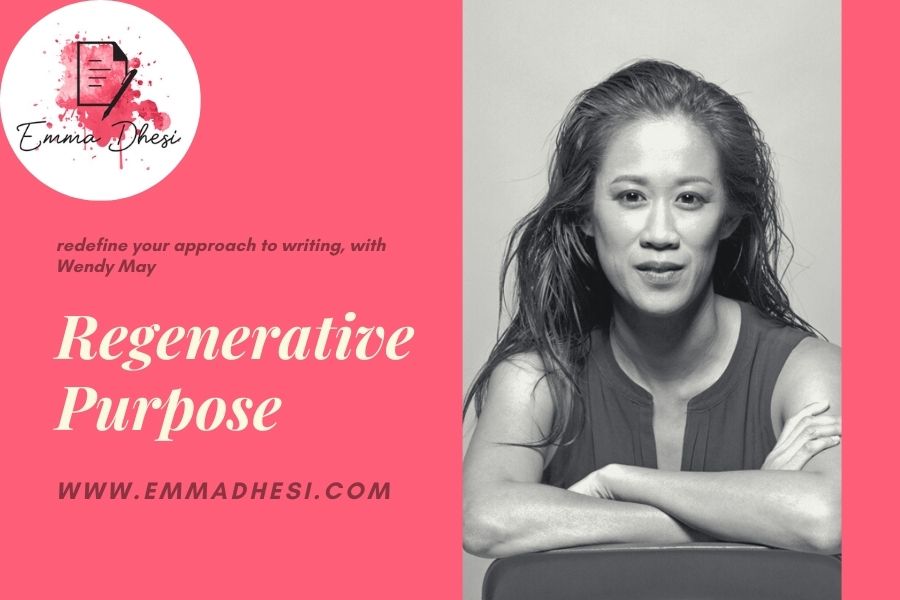
Wendy May shows how to regenerate your purpose

Wendy May shows how to regenerate your purpose

Wendy May shows how to regenerate your purpose

by Emma Dhesi | Turning Readers Into Writers

Interview with Wendy May

Emma Dhesi  00:00

Wendy May is an author, speaker and coach. She helps her clients find success in their lives. In her book regenerative purpose, she shares how she started her own purpose journey. She says that to make big changes in her life, she had to starve the ego to feed the soul. She had to let go of old goals and all that entities redefine her concepts of success, and learn entirely new ways of being and leading in the world. She works with individuals and organisations who have a deep desire to participate in CO creating a new normal by saying yes to purpose, the source of purpose that is dynamic, interdependent, and in harmony with nature. Listen to how Wendy can help you make the necessary changes in your life. So you can start and finish your novel. Welcome to the turning readers into writers Podcast, where we teach beginner writers how to find the time and the confidence to write their first novel. I’m your host, Emma Dhesi. And I’m very excited that you’re here. Thank you for joining me today. Because if you’ve been longing to write your novel for forever, then this is the place to be Think of this as your weekly dose of encouragement of hand holding and general cheerleading, as you figure out how you’re going to write your first novel. Trust me, as a mom of three young kids, I know how tricky it can be to tuck some time aside for yourself on a regular basis. And even when you do find that spare five minutes, you can feel so overwhelmed that no rating gets done. Trust me, I have been there. But this podcast is going to help you in practical ways. Because once a week, I’ll be delivering an episode that gives you steps to building a writing routine, encouragement to build your confidence and cheerleading until you reach the end. Okay, let’s start. So hey, when Jimmy, thank you very much for joining me today. I’m really excited to talk to you about the work that you do. 

Wendy May  02:13

Yeah, thanks for having me on. 

Emma Dhesi  02:15

Well, I wonder if we could start with you telling us a little bit about yourself and the work that you’re doing at the moment.  

Wendy May  02:23

Yeah, so I left my corporate job about five years ago and went independent as a coach and consultant for organisations. and small business owners and I now do a lot of different things. I have an online business that I run, I teach something called the enneagram. I run online, women’s circles, I do a bit of speaking and teaching around purpose, and work with both individuals and organisations around purpose alignment. 

Emma Dhesi  02:56

So you have a book out at the moment, but also a programme that’s called regenerative purpose. I wonder if you can tell us a little bit about that, particularly, and how it sort of defers to the traditional idea of goal setting and achievement.  

Wendy May  03:12

Yeah, so the concept of regenerative purpose is really kind of just counter our traditional notions of purpose, which are, generally we think about having a single purpose, or we talk about my purpose and your purpose, that it’s a very personal thing. And my take on it is that purpose is fluid. It’s experiential. And it’s relational. Meaning that it doesn’t ever exist in a vacuum, that it’s not an individual thing that you can own and label and sort of brand. But it’s actually something that’s dynamic, and always shifting and changing in the space between you and whoever you’re relating to, or between you, as a person and the rest of the world in a broader sense. 

Emma Dhesi  03:55

So kind of by that you mean that, you know, as we go through life or ambitions change or goals change over time. And, and is that is that kind of what you mean? 

Wendy May  04:09

Yeah, that’s part of it. But I think it’s more just looking at purpose from the perspective of being in harmony with nature, that it’s not this sort of linear logical, we’re trying to get from point A to point B, and we have a strategic plan, how to get there, which is very much this sort of patriarchal process that we’ve all been educated in. But that’s the way that I experience it is that there’s a cycle, you know, I’m getting feedback from life and I’m responding to it. And that creates another impact. And then I get feedback from that. And it’s kind of always moving in this given take, you know, imagine that there’s sort of like a energy movement going out and energy coming in. And that’s, it’s about being attuned and authentic and responsive to that. 

Emma Dhesi  04:57

So I see so within having your You know, for us as writers, for example, our goal is to write our first book. Yeah, I get the feeling that you’re the regenerated purpose is the purpose changes, you still have this goal in mind, but how you go about it is more fluid rather than being stuck on one path? 

Wendy May  05:18

Yeah, for sure. I think the the purpose qualities that I talked about in regenerative purpose is about being authentic. So being true to yourself and your true voice being attuned meaning like that you’re listening to what’s going on, you know, that you’re sort of paying attention to what’s going on around you and getting signals from life and the environments and then the action is being responsive, rather than reactive. What I mean by that is that we’re not moving from this place of contraction or like self criticism, but we’re moving really from an expanded place of moving from love and sort of creativity and playfulness. And there’s this quality of sort of experimentation, almost, that it’s not so outcome focused, you know, that we’re not so singularly focused on the outcome. But we can be a little bit more adaptable to what we see happening around us that we take actions, and then we see what’s happening. And then we respond to that. And then the fourth quality is around receptivity, which a lot of people think about receptivity in terms of financial feedback, you know, am I getting paid for this. But to me, receptivity includes things like feeling appreciated, feeling validated, getting guidance, meeting the right people having sort of these synchronistic coincidental connections that happen between you and other people who can support you on the way. So noticing that as it’s happening, and sort of allowing yourself to be guided that way. 

Emma Dhesi  06:46

I love that idea. I really, really do. I particularly respond or resonate Well, with your point number three, they’re about how often we criticise ourselves and move forward from a place of criticism, rather than seeing life, as you said, more experimentally, and, okay, this didn’t work this time. So how can I change it and do it differently next time and still get to move forward and still get to achieve what I want to achieve or without losing the goal, but you you’re not as rigid. And I guess, even Actually, I love that idea that it comes from a place of love, as you say, rather than looking at the being critical of ourselves, which I think for women particularly is something that we are very quick to do. 

Wendy May  07:29

Absolutely, we’re super conditioned. And that actually shuts down the creative process, you know, if we’re in that judging mind, it’s really kind of stops the whole process, you know, so it is so important for us to have this quality have childlike, you know, kind of innocence that we’re just playing, and it’s not so serious. And if it doesn’t work, it’s fine. We’ll just try something else. You know, like little kids, when they fall down and scrape their knee. It’s not such a big deal. You know, they don’t sit there and beat themselves up like we do as adults, you know. 

Emma Dhesi  08:02

Following on from that you. You mentioned in your bio, that you, you described things when you left your corporate world, and you were going through your kind of change. And you described yourself as yourself as having to start from ego to feed the soul. And I wonder when you were finding your new purpose, what did that mean for you at the time?  

Wendy May  08:24

Well, yeah, I mean, that’s a big shift. This process of starving the ego to feed the soul meant dismantling everything that I believed to be success and redefining that. So you know, I used to think success was getting promoted in my job or getting a salary increase, or getting a bigger title or more responsibility, you know, a bigger team, more direct reports, or, you know, like the big visible project at work that, you know, sort of says, oh, you’re good, right. So this idea of success really had to die. In order for me to really find out what’s true for me, you know, I sort of had to deprogram myself from all of this. Yeah, it goes along with the self criticism that we were talking about, but really redefining for myself on my own terms, what is success to me, you know, is it making more money? Is it impacting more people? Is it just being happy and peaceful and satisfied with myself? You know, it’s just changing that perspective. And that can be hard to do, I think, yeah, particularly in sort of Western world. We are very and target driven. And success does come from perceived money, the house, the car, the 2.4, children, all that. 

Emma Dhesi  09:44

So I guess feeding the soul is looking at what other things in life will make you feel good and feel successful. And I wonder how that might translate into into writers people who are perhaps at the beginning of their literary journey and you’re trying to Establish all what might this mean in my life? I could, how do you think we could maybe repurpose things to Yeah, to head on?

Wendy May  10:10

I think it’s really about, for me, it’s about getting nourishment from the inside, instead of from the outside. So it’s easy to get caught up in this, you know, how many words did I write today, or how many people bought my book. And these are things that are sort of outside of our control. But what’s really valuable I think about the whole writing process, and the creative process, in general is the own transformation that happens within us, right, and being able to value that and write for ourselves. Because to me, writing is actually it’s a form of therapy, you know, it’s a way of really digging deeply into yourself and coming up against your own fears, and yeah, your own sort of insecurities and being able to move through that. So it’s not about how many people actually read the book, it’s like, for me, even finishing the book, and having the courage to put it out there and be exposed and vulnerable in that way, is already a huge accomplishment. It doesn’t matter that it’s not like a best seller or something like that, you know? 

Emma Dhesi  11:14

Yes, no, I absolutely agree. 100%. And my audience probably fed up hearing me say this, but I really do think that when you write your first book, you know if this is something that you love, and have dreams of doing, when you write your first draft, even, it can be life changing, because suddenly you’ve achieved something, and then not in substantial project. But you finally achieved something that you’ve wanted to do for a long time. And I remember that feeling myself of Oh, my goodness, look at this, I’ve finished this first draft, what else can I do? I’ve achieved something I never thought I could do. And just that made me feel amazing. Exactly. It’s it is life changing. 

Wendy May  11:52

Iwould say that’s definitely my experience. It’s life changing to write a book. 

Emma Dhesi  11:56

So talking about that you have written your first book, and also called regenerative, I get to come to a regenerative purpose, regenerative purpose, what made you decide to put pen to paper and write the book? 

Wendy May  12:13

Honestly, I didn’t want to write a book. It was really like, you know, like, you get these messages and sort of signs and signals from life that becomes so loud that you cannot ignore them anymore. And this is what happened with me with the book. Because, you know, I had, the first drop in the bucket was somebody that I had known from years ago, contacted me on Instagram, and she was starting a publishing company and said, Oh, I really like the things that you share on social media. Have you ever thought about writing a book, you know, and it was just a very casual, friendly conversation that was sort of the first like, poke, you know, but then, over the next few weeks and months, I started to get more and more of these signs. You know, like, I met someone who had just published a book, I met a writing coach, I ran into somebody who was a book illustrator, you know, suddenly, I was seeing this everywhere in my space, then I went to a writing retreat with a bunch of other aspiring authors and bloggers and things like that. So it was just that it became so in my face that I couldn’t ignore it anymore. You know, it was that choiceless choice of like, Okay, I guess I’m supposed to write this book, because it doesn’t want to leave me alone, sort of, like, nagging me and I couldn’t sleep and this kind of thing, you know, as I was, like, kicking and screaming, dragging my feet, like, No, I don’t want to write a book. I don’t know what I’m doing. I’m gonna fail at this. And it was sort of like, yeah, just, I was carried along into it. 

Emma Dhesi  13:35

The universe told you otherwise. 

Wendy May  13:38

Yeah, pretty much I couldn’t help it. You know, at that point, it was like, Okay, this is just happening. 

Emma Dhesi  13:44

And so, um, as a new writer, I know that one of the things we all struggle with quite a bit is making space in our already very busy lives for our writing. How did you schedule the time to do that? No. Did you make space for it? 

Wendy May  13:59

Yeah, I mean, in this sense, like, I’m super lucky, because I quit my job. And I moved to Thailand, where I don’t have a very high cost of living, and I don’t have a family or a partner or kids, you know. So it’s, it’s a bit easier for me in that sense that I don’t have all of these responsibilities. And I sort of made space that way by choosing an alternative lifestyle. Now, I’m not saying that that necessarily makes it easy, because actually, I think that the time crunch has nothing to do with the actual amount of time that you have, it actually has to do with your own resistance about the process. So even though like technically, I had, like, sort of all the time in the world, I mean, I was working, I was coaching and teaching and facilitating women’s groups and things like that even during the process, but it was really a discipline still, for me to show up every day, you know, to make it like my job. So it’s it’s funny because like, however much time you have somehow gets filled, it gets filled with people uses it gets filled with distractions. And it was super easy even without having a full time job for me to avoid writing. So I basically made an agreement with myself that I made a ritual, I got addicted to coffee in this process, actually To be honest, because I would just get up every morning and go to the same cafe. And no matter what was happening, I would say, this is what I’m doing every morning, when I wake up, I’m going to go sit in this cafe with my laptop and stare at a blank screen, if that’s what it takes. But I showed up, you know, and sometimes I would end up surfing Facebook, or just, you know, answering messages or watching YouTube videos, but I would every day is a ritual, commit to taking my laptop and going to this cafe with the intention to write. And if I needed to just sit there and stare at a blank page for an hour, that’s what I would do. But the space was there. And I gave myself the permission to go there and not right. But I went there every day, the same cafe, the same table, the same, you know, matcha latte, like that was my daily ritual.

From time to time, I link to products or services I love using with affiliate links. This means that I may receive a small percentage or fee for referring you to any product you may purchase from one of those sites. It does not cost you anything. These small fees help sustain my small business. I truly appreciate your support.

Support The Show

If you enjoy the Turning Readers Into Writers podcast, you can now support my time in producing the show with Patreon.

If you find that the podcast adds value and you’d like to help support the show, please consider supporting me on Patreon for $3.00 per month and you’ll get bonus podcast content, as well as a personalised thank you from me, and a shout out on the show.

Emma Dhesi  16:05

And rituals, I think are so important. They’re they’re so unglamorous having the teams, but they do just free the mind up a little bit. You don’t have to think so much about what you’re doing. It just becomes habit. You do it, yeah. And then you give your, as you say, you know, you give your brain that little bit of space, then hopefully, that opens up in a creative way. So given that you were being very, sort of, I don’t want to use the word flexible, but you’re giving yourself permission to not write that day if the news didn’t come? Yeah, how long did it take you to write your book. 

Wendy May  16:38

And it was honestly very active for a couple of months. And then I took a couple of months off, and then it started moving again. And then there was several months of like an editing process that I went through with support from a couple of different friends as well as the professional editor. So I think in total from the time that I really seriously committed to it. I mean, I first sort of decided I was going to write a book, I would say in August of 2018. In December of 2018, I made a public declaration on my Facebook wall, that I’m writing a book, so then I was really in it. So I also escalated the commitment, right? So in August of 2018, I committed to myself, I decided I’m writing a book, December of 2018, I made a public announcement on Facebook, I had a few months like December, January, February, while I was there was things flowing, and I was writing and things were coming up. By March, I kind of hit a wall, and nothing was coming. So I kind of put the book aside. And actually, in that time, I decided that I was going to escalate my commitment even more by creating a Kickstarter campaign. So in December, I had announced to my Facebook family that I’m doing this in April, I actually asked for money to support the process. So that actually made my self feel even more accountable, you know, and it also was sort of my way of asking for feedback from the universe of like, do you really want me to do this? Is this really aligned? What I’m, is this really what I’m supposed to be doing with my time? If you want me to finish this book show me and I had 226 people contribute to the Kickstarter campaign and gave me $11,000 to support the production and the editing and the illustrations and publication of the books. I was like, Okay, I’m going to continue. And that actually gave me a huge energy boost. After the Kickstarter campaign finished in May, I again, had the inspiration and motivation moving again. So from May to July, I was writing I think by July, I had sort of finalised the draft. And then August, September and into October when I published was the editing and sort of final touches and illustration. So the total thing was about 10 months. But this was with me being fairly dedicated to it and not having a full time job. 

Emma Dhesi  18:56

Question. I love that though. I love how you did that in very. You committed and you did it and you did it in quick time. But even with lowering yourself those days, where if something wasn’t happening, that that was okay, you could surf the net that day. That was all right. And that’s worked really, really well. I’m fascinated by your and your Kickstarter experience. How did you find that and what was then? Because often I believe I’ve never done it. But I believe that for the people who support you, you Kickstarter generally has to you know, you give something back to the supporter in some way. What was the sort of the, the promise that you made to your supporters or the agreement?  

Wendy May  19:40

Yeah, so I had a few different levels of contribution. I promised people that they would get an early copy of the book of the E book. Also, there were people who contributed to the level to get a printed book, which obviously costs more for the shipping and the printing. I also had people who could contribute to Pay for the audiobook production. I offered some purpose alignment coaching sessions, which is something that I do anyway, I offered personal retreats, which no one contributed at that level because that was a very high contribution level I offered. What else did I offer recorded meditations related to different exercises that were in the book. I also offered people I basically said, anybody who contributes to the book, your name will be in the acknowledgments. I had a free sort of Facebook group community, which everyone was added to.  

Emma Dhesi  20:40

Yeah, yeah. And proactive in rewarding your sponsors. And was it an enjoyable experience? I’ve heard it can be a lot of work. 

Wendy May  20:51

Wow, it was such a Yeah, again, a transformational process, you know, because there’s it actually I think the Kickstarter campaign prepared me for the publication of the book, because what I feel like happened with that is that I had to practice facing rejection, you know, because we all have this thing that we want to be loved and appreciated. We want everybody to like what we post or what we write. And, you know, I was asking, not just on my Facebook, but like, personally in individual messages reaching out to friends and family and acquaintances and colleagues saying, Hey, can you support me? And you know, four out of five times, I would get no response. And sometimes people actually wrote me back and said, No, I don’t want to support your project. And that was like, wow, okay, ouch. But just kind of building almost an immunity to that rejection and and practising not taking it personally say, Okay, cool. They don’t want to support me, that’s okay. There’s plenty of other people who will just like when you publish your book, it’s not going to be for everybody, you know, same same, but you realise that there are people out there who want to read what you have to write, and that energetically kind of, for me, it was like gathering reinforcements of like, getting validation that like, oh, there are people who are waiting for me to finish this book, you know, that’s building a community of support and also accountability, because now people have given the money, I have to finish the book. 

Emma Dhesi  22:14

Yes, I think it’s an amazing thing to do. And as you say, it really must spur you on to get things done. And also lovely to know that in amongst all the people who didn’t want to support the project, to know that there are people who did want to support it, and that must sometimes just feel amazing, that must be lovely, and so supported. 

Wendy May  22:35

Yeah, but you know, it’s so funny, because our mind always focuses on the people who didn’t support us. Because even as we’re talking about it, now, I’m like, thinking of people who didn’t support and even explicitly said, they don’t want to support. But, you know, I just want to remind myself that 226 people did give money to this, like, unrealized vision that I had, you know, so that’s a beautiful thing, like, especially I think, when your motivation is low, because we always go through enthusiasm, dips, you know, like, you’re like super gung ho at the beginning. And then you get to a point where you hit a wall. And I was like, Okay, I need a little bit of reinforcements. Like, I need to hear from people that they want me to write this book, that they’re supporting me, you know, and that kind of kept me going through the last wave that I needed to finish. 

Emma Dhesi  23:20

Yeah, I think it’s very brave of you to put yourself out there like that. I really do. They think also, you mentioned there, that kind of that motivation dip. I think that is really, really true for probably all novelists, but particularly when we’re starting out and we’re still fearful of all the things we don’t know. And we have what’s described, you know, as that soggy middle where we’ve got a brilliant name to the story, we love how it’s going. And then things get difficult, and we lose that momentum. So what an amazing way of regrouping and, and building that momentum up again, and maybe for some of the listeners hear it rather than doing a Kickstarter that perhaps you could be more gentle with yourself and just tell someone about it, tell someone that you’re writing this book and give yourself some accountability that way, that could be another way. A slightly more gentle. 

Wendy May  24:08

Yeah, and I would say that, you know, when you experience that motivation, dip, it doesn’t mean that there’s something wrong, it’s totally normal. And I would almost be suspicious, if somebody told me that they created something without experiencing that, you know, it’s so part of the process, you know, like, and I did, like, late in the process, have these sort of book aside? thoughts. You know, like, I remember at one point, I almost was like, I’m just gonna delete the whole thing. This is total shit. You know, I’m just gonna, you know, and I actually like, had to have a fairy godmother of the book come in, and I sent it to my friend and gave her a backup copy of what I had written. And I was like, I’m having crazy thoughts about killing the book. Can you be a safeguard and hold this copy of the current draft so that I can’t do that? 

Emma Dhesi  24:57

Yeah, I like it. Well, you’re right. Yeah. There is There’s always those moments of doubt isn’t there where we think we don’t have what it takes. And we don’t have the skills that we need to do it but, and welds on you for pushing through and also sort of knowing yourself well enough to say, let’s get this to the fairy godmother. 

Wendy May  25:13

Yeah, yeah, I need someone to hold a copy of this so that I’m not tempted to wake up at three in the morning and delete all the copies of it that are exist, you know? 

Emma Dhesi  25:21

So kind of leading on from that, then what did you find one of the hardest aspects of writing it? You’ve mentioned that you had that low in motivation? But was there anything more kind of MC craft based that you found hired? Even just getting started? Or knowing how to finish the book, for example? 

Wendy May  25:40

 Yeah, I mean, to me, the writing part was, it flowed much more easily than the editing part. Because after a while, you start reading what you’ve written yourself, and you don’t even understand it anymore, you know, you like you sort of lose perspective. So I also had to ask for help with that process. Like I would say, editing your own work is really, really difficult, if not impossible, because you’re not unbiased. And also, you’ve read it yourself. So many times that you start to repeat yourself, and you don’t see things from an objective point of view. So I would just say, it’s really amazing to have a community of support to peer edit, or to just have friends read through things also good for validation, you know, to have somebody say to you like, oh, wow, this is really good.

If you’ve been working on your novel for years (perhaps even decades) the maybe it's time to consider working with a coach.

If you have multiple versions of your novel and you don’t know which works best, are scared nobody will like your book and don't feel like a 'real' writer, then my guess is coaching is the right next step for you.

Find out more and sign up for your free Clarity Call here: https://emmadhesi.com/personal-coaching/


Emma Dhesi  26:28

Yeah, no, absolutely. And so just talking about editing, how did you find your editor, and you’re going to be two readers. 

Wendy May  26:37

Two of them were just very close friends of mine. And one of them was somebody that I was recommended by my writing coach. So that’s the other thing that I would say is that I had a writing coach working with me during the first three months that I was writing, which was absolutely critical, because this was somebody who was an experienced author himself and published like seven books, and could give me the encouragement and sort of validation that what I was feeling all the emotional process that I was in was totally normal. And also, from a critical standpoint, could look at what I was producing and say, This is really good. Like this is actually worth publishing, you know, and hearing that from someone is really important. Because in the beginning, you don’t have that perspective. You’re just like, I don’t know, I’m not sure if this is even worth writing, you know, that kind of thing? Absolutely. Absolutely.  

Emma Dhesi  27:29

No, I think having a mentor or a coach in any area of life is, is I think we used to particularly here in Britain, I think perhaps it was something that we used to be a little bit dismissive about, I think, they were learning that actually everybody needs a mentor, everybody needs a coach, the coach needs a coach, the therapist, yeah, therapist, and that we all is one big, you know, on the shoulders of giants, I think is the phrase I’m looking for that we we all learn from each other. And it’s, as we move through life, we never have all the answers. So we’re always needing to look around us for people to help. 

28:00

And then it’s not just one person. Also, I think it’s also about building that community of support and feeling that you’re sort of you have a little village, you know, like I call this my virtual village, the regenerative purpose village of everybody who supported me, like the people that I interviewed for the book, the people who edited it that contributed that we’re beta readers. You know, it’s like, literally hundreds of people were involved in this in some way, you know, nobody, we don’t do anything big by ourselves. It’s an illusion that we can actually do anything without community support. 

Emma Dhesi  28:31

And so you have you had your mentor for writing your book, and I know that you help new writers as well, you have a programme called the emerging author focus. Can you tell us a little bit about that? 

Wendy May  28:44

Yeah, I mean, I don’t imagine myself to be a writing coach. Like I’m not the person to sort of guide someone through the entire process. But I just basically these emerging author focus Sessions is what I would say. It’s a chat with an experienced friend, basically, like a lot of the things that I’m sharing with you now. Like I talked to people about their own specific fears and insecurities. I help people to clarify what exactly their project is about, think through, like what kind of platforms they would want to publish on. You know, what is their process for creating a ritual and discipline around this kind of thing. But I would hand that off to somebody who’s actually a writing coach to kind of carry forward it’s just a single session, I think of it more like a strategy session. So it’s appropriate for somebody who’s at that stage where they’re like, I’m thinking about writing a book, but I’m not sure yet. If I’m totally committed to this, and I need to think through it. So I help people with that process. 

Emma Dhesi  29:47

That’s really helpful because I think that it’s particularly if someone’s writing a memoir or a nonfiction book, it can be hard to know what the beginning is. Does anybody want to hear about this? Do I have enough to share with people can I help people which might be

Wendy May  30:11

So having someone who’s been there who’s done that, who understand the landscape, that can be really, very, very helpful, in fact, on clarify projects where you go forward, and understanding what are you, what are you hoping to get out of the process? Right? Is the process of writing a book really just, you know, for your own therapy? Are you trying to use it as a lead magnet to build your business? Are you using it as a way to build your reputation as a professional in whatever field you’re in? Are you hoping to sell a lot of copies and make money off of it? Is it something that you want to use as a hook to get speaking engagements? You know, all the different reasons to just really get clear on what is the purpose of writing the book. So you know, my thing is all about purpose. So understanding what the writing process is serving in the broader landscape of your life. 

Emma Dhesi  30:52

That’s what I would, do you read much fiction as well as nonfiction. And what’s your favourite novel? or What are you reading at the moment, even?  

Wendy May  31:03

You know, what, actually, I don’t read. I have to admit. And in fact, I mostly consume content in audio, which is actually part of the reason why I wanted to do an audiobook because I also prefer to get content via audio these days, because I feel like I look at screens so much that I want to get my eyes a break and just close my eyes. And listen, I think it’s just personal preference.  

Emma Dhesi  31:29

But there definitely audio is a growing market. And it’s, I find interesting, though, you’re not the first person I’ve asked about this. And if they do, I don’t read and listen. And it’s interesting to kind of debate around if you listened to an audiobook, is that reading? Because I think it is, I think it’s still just a different way of reading a book. But yeah, I think is amongst the kind of book worlds is slightly contentious about whether you whether you read or you listen to a book.


Wendy May  31:57

Actually, when I was in the process. When I was in the process of writing my book, I actually very consciously decided I’m not going to read anything on the topic, right. So like, I’m in professional circles with lots of purpose coaches, or you know, life coaches, and people who are helping in this way. Like I’m connected with a lot of people who do similar work. And I very deliberately decided, I’m not going to read anything that they’re writing, like, not a blog, not a book, nothing, because I didn’t want to be influenced in connecting with my own authentic voice. So I very clearly put a moratorium on reading intentionally while I was in the creative process myself. 

Emma Dhesi  32:37

I think it’s wise, I think I will I certainly do the same. And I wonder if we’re not alone. Because if although I write fiction rather than nonfiction, I do avoid my favourite authors, because then I end up unconsciously mimicking them, and I don’t write as well as them. So I must not do that. Find your own voice, isn’t it? Yeah. Yeah. No, I wonder before because I’m conscious of time. And we’re going to wrap up soon. But I wondered if you wouldn’t just mind telling us a little bit about the book itself, and the sort of the the different chapters in the book and how it might help someone who is looking to find a different way of finding purpose in their life. 

Wendy May  33:18

Yeah, I mean, the book starts, I mean, there’s my own personal story as woven throughout it, although I do say that it’s more of a missive than a memoir, like I have a very sort of, I guess, strongly stated opinion about my perspective on purpose. And you know, really, the beginning of the book is really talking about debunking some of our commonly held notions around purpose like that I mentioned the beginning that we conventionally Think of it as this, this and this, and really kind of flipping that concept on its head. And literally looking at it from the opposite perspective of how can we treat purpose as something that’s alive and dynamic and impersonal and in a shared way that’s cyclical, not goal oriented, all of that. So it’s that and then I talk about in this cycle, this flow of purpose that I call it, what are the qualities that we need to cultivate within ourselves to allow that flow to move through us, which I mentioned before authenticity, attunement, responsiveness and receptivity. I further go into those four qualities and deconstruct them. So in my view, there’s sort of three different layers to each of those four qualities that come from the inner self outwards, or from the outer world inwards, right? They can spiral in both directions that were sort of in this conversation with life. So I talked about the different layers of the qualities. I also share different practical things that we can do to cultivate those qualities in ourselves, like what are the practices, and I share about sort of these, what I call sort of the basic orientations around how we keep boundaries around our space. Then how we do devotional decision making. And then I talk about the cyclical nature of purpose and how that relates to our relationship with nature and kind of losing contact with nature’s rhythms and cycles. And then towards the end, there’s a, there’s a chapter around purpose and privilege, because I think this is a really important thing for us to address about, how does our privilege impact the expression of purpose? And then, you know, it’s closing with really looking at kind of zooming out from a higher perspective, you know, where we’re going in the world, right, looking at all of the change that’s happening around us socially, politically, economically. You know, everyone can kind of see that, you know, we’re going through huge, massive shift in terms of humanity’s relationship with each other with the planets. And how does that connect with purpose, right? When we kind of zoom out from a larger global perspective, like why is this so important for us as humanity right now to engage in this conversation? 

Emma Dhesi  36:07

And I know you’ve got a sort of infographic if anyone’s interested in understanding a little bit more about your the flow work. So you’ve got an infographic? How can people get a hold of that if they wanted to? 

36:19

You can find everything about the book at regenerativepurpose.com. 

Emma Dhesi  36:24

regenerativepurpose.com. And where else will people find you online? 

Wendy May  36:31

my personal like business website is HeyWendyMay.com. And that’s also my social media handle on Facebook, Instagram, LinkedIn, and medium. Hey Wendy May 

Emma Dhesi  36:46

I like it. And where can people find your book? 

Wendy May  36:51

Also on regenerativepurpose.com 

Emma Dhesi  36:53

Fantastic. Lovely. Well, hey, Wendy May, thank you so much for your time today. I’ve really enjoyed chatting to you. 

Wendy May  36:59

Yeah, thank you so much.

Alliance of Independent Authors

Shortcuts for Writers


Do you feel as if you don’t have the time or the money to invest in editing your novel? I know an online course that can help you to transform your manuscript WITHOUT breaking the bank. It’s called Book Editing Blueprint: A Step-By-Step Plan To Making Your Novels Publishable, and it was created by Stacy Juba of Shortcuts for Writers. 


emma dhesi

Emma Dhesi

Emma writes women’s fiction. She began writing seriously while a stay at home mum with 3 pre-school children.

By changing her mindset, being consistent and developing confidence, Emma has gone from having a collection of handwritten notes to a fully written, edited and published novel.

Having experienced first-hand how writing changes lives, Emma now helps beginner writers find the time and confidence to write their first novel.

How to pivot in a pandemic with Andrea Fink

How to pivot in a pandemic with Andrea Fink

Andrea Fink is a 2nd grade teacher, and it was a pupil who encouraged her to follow her dreams. Find out how she did just that and learnt to pivot in a pandemic.

How to pivot in a pandemic with Andrea Fink

by Emma Dhesi | Turning Readers Into Writers

Interview with Andrea Fink

Emma Dhesi  00:00

Before we get into today’s show, I want to give a big shout out to Kat Caldwell for supporting the show on Patreon. Kat, your support is so appreciated, and I can’t wait to deliver better content to help you. Right let’s get on with things. So today I am talking to Andrea Fink who lives north of Seattle, Washington in the US with her husband and daughter. Throughout her years of teaching elementary school, she has encouraged her students to follow their dreams. But now she is tackling her own dreams. And finally writing the series she’s been sitting on for a decade. Her first young adult fiction book mask was published in August 2020. And the sequel wave is expected in early 2021. So let’s get on and find out what Andrea has to teach us about writing in a pandemic, and how important it is to be able to pivot. Let’s get listening. Well, welcome, Andrea, thank you so much for joining me today. I’m really thrilled to have you on the show. So good to have you here. Thank you for having me, I’m really excited. Well, I wonder if you could just start off by telling us a little bit about yourself and how you got started writing.

Andrea Fink  02:30

So I am a second grade teacher up in near Seattle, Washington. I loved writing when I was a kid. And I kind of just gave up on it. Because I didn’t think I was creative enough. I didn’t think I was passionate enough. So about Middle School, it’s when everyone kind of everyone else in the class started showing how creative they were. And I’m like, Well, I’m not up to that task. I’m and then I just stuck with the sciences. I love sciences. So you’ll see lots of that in my writing, but it feel creative enough. And when I hit like two years ago, at a student who she wants to she wants to be a teacher when she grows up, she was so excited. And she, like straight up asked me thinking there couldn’t be another answer in the world. Oh, Mrs. Thank you always wanted to be a teacher. And you know, it’s like, oh, do I tell her the truth? Um, and so I, I tell her version of the truth. And I said, Well, when I was in second grade, I wanted to be a writer. And all the kids got like really excited about that answer for some reason. And they’re like, Oh, that must be why you loved reading of the class or why you love talking about books that you’ve read and why you love this and that. And yeah, it probably is. And so I the next summer, I started writing a story that I’ve been thinking of since high school, and it just started flowing. And it felt really good. And I’m like, I want to do this. So I committed to finishing that story. And I just wanted that to be done. Whether I liked it or not. I wanted to finish it. Yeah. When that was done, I published it. And I’m in the editing phase of the second book, and I just love it so much. Wow, well done you that. So you really kind of just ran with it, then you took the idea. And I love the fact that it was your students as well who sort of really inspired you to think, Yeah, why not? I don’t I just try and do this. Maybe that is why I love reading out the stories. So you mentioned in your bio, that this first story that you worked on mask, you’d actually been a sort of described as you’ve been sitting on it for that for a decade. And so could you tell us what that kind of meant for you? Did that mean that that was something you had just had in the back of your head? Or is it something you’d scribbled notes down about even or was it just a kind of vague idea of something? It was all in my head? I’m a big What If’er. So I’m all constantly like in my mind thinking oh well what if this what effect sometimes or like real scenarios like worst case scenarios that might happen, it’s my anxiety always on. And then sometimes it’s just complete fantasy. And so I had this idea of a story about two girls, and one needed to kill the other one. They were twin sisters, one needed to kill the other one. And then it just kept morphing. It’s like, Okay, well, she’s never seen the colour green. And she needs to escape to the side of their kingdom, and all these other things. And then I wanted to know how they got there. So in my mind, I started backtracking, like, what happened before that? What happened before that? How did this world get created. And so eventually, my original idea is now slotted as the third book. And I just go back a few generations.

Emma Dhesi  05:49

So really, the first idea like in high school, I was thinking of, I guess, the third book, I have little little snippets of where I was like, maybe I should start writing this. And I find them on like floppy disks, and little thumb drives from a long time ago. And but now I can look back at those and be like, wow, I really wasn’t a very great writer back in middle and high school. But then I look at see pieces of what I’m using now. back then. So I’ve had this idea for a really long time. And it’s just been morphing the past 10 years.  So that’s really interesting. So did did you feel that then? Because you’ve been having this idea in your head for so long? Because you I am guessing got to know the character. So well over those 10 years? Did you find the actual writing of the first series, quite easy, because it was all there, it was just a question of putting it down on paper.

Andrea Fink  06:45

I knew the destination. That’s that was like the really good part, I knew the destination. I kind of knew how I was getting there. Um, I didn’t really plot out every single detail for each book. And I also kind of stole from other books while I was writing the first one because it was my first book and I had very limited ideas on what I was going to do with it. And I’m like, Oh, this would go really good here. So the entire progression has morphed over time. But when I but it did come pretty easily. I knew about it. I was I’ve been excited about it for a long time. So I was motivated to sit down and write. Because I really wanted to tell this story. Because I remember like going to my sister and saying, Oh my gosh, I have this really good story idea. And then just rambling. Like, okay, sure. Yeah, that’s sure. But then you actually get it down on paper, and she can read it and know what I mean. So I wanted to tell this story really badly at this point. It was received, which is great.

Emma Dhesi  07:51

Now you write YA fantasy is that the right genre. So yeah, I’m interested. I actually I don’t read in a fantasy or kind of sci fi or any of the kind of otherworldly genres. So I’m always fascinated by how people world build from someone who you know, I write very much in the domestic sphere. So it’s all very familiar to me. How did you come up? How did you start world building for your stories was Did you have a kind of a process for it? Or does it come willy nilly, as we say, in the UK?

Andrea Fink  08:27

It’s the one thing it’s, um, it was that original idea and then building, how would that come to be? And any idea I would have, it was a lot of inspiration from what I saw. And like, if this idea had been living in the back of my head, it camped out back there it has, it has its own room with its own buckler just sitting back there. And so just anything I could see and think, wow, that would really incorporate Well, um, you take a trip somewhere, and you’re like, oh, that building is so cool. What if, like, the palace would look something like that. Or you see this mountain range, and you think, Oh, my gosh, this has it’s so mysterious. And it’s so like, overwhelming that this has to be part of this landscape. And I live in a place where I do get a lot of inspiration from nature. The Northwest has a mountain range on one side and water on the other side. And we have long nights and winters and we have long days and summers. So I have the world is built around these four regions, the seas, the mountains, the light region and the dark region. So I get a lot of inspiration from where I am here and travel and you see other things when I was writing the first book, my mom blessed us with a trip to Iceland and I don’t know if you’ve ever been but it is amazing. just the sheer beauty of nature out there and just being able to pick up like you drive by this little rock formation along the water and you think, Oh my gosh, that is perfect. I love this, I want to take that. So I’m just kind of stealing from everywhere, all the things that I like, because I wanted this world to be something that I liked to be something that at least I would enjoy, because I didn’t know if anyone else would enjoy it. So I wanted to make it for myself, and then see if other people responded.

Emma Dhesi  10:28

And just kind of on a practical note, did you do that? You know, a common thing to do is keep a world building Bible, I think they call it? So did you do something like that? Where you have a file where it just kind of helps you keep track of the different landscapes and the different names of places? And and the types of beings that are maybe in your world?

Andrea Fink  10:49

I do not. So I probably should, because barring the second book, there has been a lot of Control F in my first document, I define certain things like what colour was that what, I need a little bit more detail on that. So I can describe it again in a different way. But now I don’t have a world building model. It hasn’t been so ingrained in my head at this point, that I could tell you almost anything about my world, just off the top of my head. Um, but yes, I probably should make my world building Bible pretty soon. So at least I can stay consistent once I get to like before their fifth books.

Emma Dhesi  11:25

So do you have plans for that? Do you want the series to expand?

Andrea Fink  11:27

Yes, as long as that I have solid plans for the first three and then a series of short stories. I’m about the world. And then I have a spin off series. But I also have ideas for other things I could do in this world. So I’m deciding where I want to go after that. But I should probably write finished the second book first. Because lots of ideas.

Emma Dhesi  11:49

That’s great. Now, I know you’ve mentioned just before that you are an elementary teacher, and and I think you also have a toddler. Is that right?

Andrea Fink  12:00

I do. Yeah.

Emma Dhesi  12:01

So you’ve got a lot going on in life with working I know toddlers, well, they are a handful. So how do you find? How do you manage to balance everything so that you get enough time for your children, enough time for your husband, for work friends, and then also leave room for the passion in your life for your writing.

Andrea Fink  12:23

So when I decided to start writing, I talked with my husband and he agreed that it would be a good idea for me to follow this and to do this. And so I actually went part time at my job, I found a wonderful co teacher. And I got to do mornings teaching and then afternoons writing before I picked up my daughter from daycare. And it was a really great plan. It worked out really well. Just like all great plans that started in 2019, they kind of ended in 2020. So a good chunk of the writing got done during those afternoon slots. I wasn’t as I didn’t have as good a routine as I should have, I had this great opportunity. And I wasn’t taking as much advantage of it as I should I ended up doing laundry and making dinner and all those things that you do with toddlers out of the house. So when when quarantine hit is kind of where I made that routine because I needed to make a routine if I was going to be stuck at home all day. And so naptime and bedtime became really important for writing I would, the moment my daughter went down for a nap, even if she wasn’t asleep. And even if she was still crying, or my Chromebook would open and I would go straight to the document because I, I knew I didn’t have a lot of time. And that kind of time crunch and having that in my schedule every day, I knew I was gonna write at that time, I knew that I wouldn’t have much time to write. So I was I got really good at this, fitting it all in there. And then after bedtime, my husband and I would like watch one or two episodes and something and then he gets to go play video games downstairs, which he loves doing. So he was he was okay with this. And I would just sit and write as long as I could. Sometimes it was till nine o’clock and then I’d burn out. And then sometimes it was like a midnight 1am writing session because inspiration finally struck me. And it happened to strike me at 11 o’clock at night.

Emma Dhesi  14:31

I think that’s great, though. I think that really emphasises the importance of being adaptable and flexible. And I think a lot of writers and maybe I’m being unfair, but I think particularly when you first start out there’s an idea that you’ve got to be in a certain place, you’ve got to have a desk if he’s either got to be quiet or you’ve got to have the right ambient music and you’ve got to have two hours free with an actual fact I think in this day and age and how busy we all are you.

Andrea Fink  14:59

You actually have to be adaptable and something like a pandemic, yeah, can just kick you off course. And so Okay, I’ve got to find a plan B here and make it work for me. So I think that’s a really kind of useful message for anybody listening. If they’re feeling that they just don’t have the time, it often comes down to making that time for yourself is something that you love doing so much.

From time to time, I link to products or services I love using with affiliate links. This means that I may receive a small percentage or fee for referring you to any product you may purchase from one of those sites. It does not cost you anything. These small fees help sustain my small business. I truly appreciate your support.

Support The Show

If you enjoy the Turning Readers Into Writers podcast, you can now support my time in producing the show with Patreon.

If you find that the podcast adds value and you’d like to help support the show, please consider supporting me on Patreon for $3.00 per month and you’ll get bonus podcast content, as well as a personalised thank you from me, and a shout out on the show.

Emma Dhesi  15:21

So I’m really glad that you shared that with us. And so when you did find those, we refigure your schedule, and you had those two writing slots. What was your aim for those slots? Was it just to fill that time in some way? Or did you have a word count that you wanted, or perhaps a scene or chapter that you wanted to write to each session,

Andrea Fink  15:43

there were some months that I chose as word count months, and those were the months where I had to do a certain number of words in a certain session. But if I found that if I did that constantly, again, I would burn out really quickly. And I just couldn’t, it wasn’t sustainable for me. So there were some months that I chose is okay, I’m getting words on paper. That’s, that’s my goal. And there’s other months where I just okay, whatever I can get out, I’ll get out. And one of the big things for those wordcount months was that I did not have to work on the section I was working on. If it wasn’t coming to me what I was working on, right, then I would jump to a future seeing that I had daydreamed in the shower the day before, or something that I really had solidly down and was excited about because I wanted my writing to sound like I was excited about it. I wanted to convey how excited I was about the story. And if there was a section, I was like, I’m not excited about this right now. I would I would put it on the backburner and work on something else. Because I did have that limited time. And I wanted to work on stuff that I was excited about during that time, because it was time for me.  as a as a mom, you don’t get a lot of time, outside of that time and bedtime for stuff for you. So as long as it was my time, and I was doing it for me, I was excited about it, that it was a value to me. And I wanted to make sure that my time was still a value. Yeah, I think that’s worth remembering isn’t that we get caught up in there in the craft of it. And then the word counts and having to get this project finished. And then we want to get it published. But it can be easy to forget that this is a passion project in the beginning. And it is something that we enjoy doing. And it can be easy to let them the fun and the Curiosity slip away and kind of be functional about it.

Emma Dhesi  17:32

So it’s nice that you recognise that in yourself. Is it okay? No, I can vary my writing what I need to write because it’s fun, I want to enjoy it. And I’ve got to remember that lesson. It took me a long time to get to that point to remember that point. And it was Elizabeth Gilbert’s book, Big Magic that really kind of pointed that out to me that this is this is a lifelong journey. So it’s really important to enjoy it otherwise, yeah, as you say, you’ll get that burnout. And then that’s no good to anybody. So you’ve written the first draft to the sequel of Mask, and the sequel is called a wave. Congratulations on finishing your first draft, that must feel really good. And you’ve mentioned that to the next step is to find your beta readers. And so do you already have some beta readers lined up from when you released Mask? Or are you starting to search again? And how did you find your beta readers?

Andrea Fink  18:32

Oh, my beta readers, they. Because during the first one, it was just a little passion project. Um, I had my sister, and two really good friends who lived together. And then a former coworker, who is very into the fantasy genre. So those are kind of like a really solid, a sister acts as my cheerleader, because she never, she never has any criticism, but she always likes to point out what she likes. So that’s really good for me, because I, I need a little bit of positive encouragement as I’m going on, I think does. Because I don’t have much for myself. So getting that from external sources is very useful. And then my two friends, Jackie and Julie, they get to read it and then talk about it together, which is really great. Because they’re all they’re like their own little book club because they live together anyway.

Emma Dhesi  19:29

So that’s without you there.

Andrea Fink  19:31

Yes, without me there exactly. And then they can they just type their feedback on the document and we’ll be like, Oh, I totally agree with that. You definitely need to tell us more about this or this doesn’t make sense for this character. And then Raven, who is my force, she, she’s very into the craft she really likes to point out Well, this the way this is worded, or you never described this earlier, you should probably do this early. So people have the image in their mind. So I, I have this wonderful collection of people from different parts of my life all filling these different roles in beta reading. But not a lot of people have that many people who are willing to read the first chapter of something that they’re writing. But I mean, I hadn’t talked to Raven and probably in person, and probably five years or so. But she was still willing to do this for me.

Emma Dhesi  20:27

So did you do a shout out on social media or something to see, would anybody be willing to read this for me? Or did you know that she was an avid reader, and you reached out to her,

Andrea Fink  20:37

I knew she was an avid reader, I knew she was a she’s one of those really creative people who always been kind of made me feel bad about not being very creative, because she’s very artsy. And she makes all these crafts. And she’s a really good writer, and she has all these great skills. So I just knew I wanted to reach out to her. She also. So where we used to work, the closed, or the pandemic, so I was like, well, she might have time on her hands. So I wanted, I also offered her compensation because I knew that I didn’t want to work waste the time that she now had. Because when time is so valuable, even if you’re not working, and I wanted to make sure that she thing in return for it. Yeah, was unthinkable.

Emma Dhesi  21:24

So then it sort of it sort of professionalised the relationship a little bit, she won’t feel so bad. But if she does have some constructive criticism for the book, and you know that it’s coming from a good place, and that she’s taking her role seriously, as a, as a reader. So that’s really great. I love the fact that, yeah, you’ve got your cheerleader there, and your sister who is not going to point out the bad stuff, but will point out the good stuff. And then you’ve got your little mini book club there who act as just as a normal reader might, and who isn’t a book club, and then the friend is able to offer that more kind of crashed, constructive criticism. That’s a really nice mix to have. And you’re right, I don’t think many of us do have that nice, nice a bunch of mixed media is game. And so I was looking at your Facebook page. And I’ll link to that in the show notes as well. So people can go and check you out. But I was really interested in your the AMA that you organised the launch of mass, which was your Ask Me Anything session that you did the launch? So why did you decide to do that? And how did you go about organising it? And was it did it work out with did it do what you wanted it to do?

22:38

Oh, AMA is on Reddit all the time. So I’m very familiar with AMAs. So I wanted to do that, because I couldn’t have a book launch party. My cousin is an author, and I’ve seen her have all these book launch parties and like, oh, they’re so cute. And she has like so many people. And she ends up with like 20 people leaving that her house with their book in their hands. I’m like, Oh, that’s so great. I want to do that. And then you can’t have parties anymore. So, um, I decided to do an AMA because a lot of people in my life, I was kind of keeping this pretty secret. For a while I didn’t want a lot of people knowing in case I failed, you know that that constant struggle of Oh, this is just going to be terrible. And it’s going to be a one time thing. And so I kind of wanted it as like almost my coming out as an author party. And I didn’t get the full party. So I wanted a way for people to ask questions about this separate aspect of my life that I hadn’t really revealed to a lot of people. And so family could come in and ask questions about writing or about what I’ve been doing for the past year and a half.

Andrea Fink  23:50

People who have been interested in the book can come ask about the book. And it’s kind of this great mesh of questions that I got from people I knew from my life in science and people I knew from family and people I just met on Instagram. So it was a really, really great conglomeration and people were able to send in questions early, in case they weren’t able to be there, then they were able to watch the video later. And then if people popped in that moment, I’d be able to respond in time. pretty great. I had almost like a full hour of questions, which was really great, also really hard on my voice. And also hard on my cheeks because I was on video the whole time. So I felt like I needed to smile and excited so I was genuinely smiling as well. And then of course, in the back of my mind, I had my mom’s voice going don’t look out the window, because that’s what I do when I’m thinking and you can see half of the video is me looking out into the window.

If you’ve been working on your novel for years (perhaps even decades) the maybe it's time to consider working with a coach.

If you have multiple versions of your novel and you don’t know which works best, are scared nobody will like your book and don't feel like a 'real' writer, then my guess is coaching is the right next step for you.

Find out more and sign up for your free Clarity Call here: https://emmadhesi.com/personal-coaching/


Emma Dhesi  24:49

And the questions you’ve got with the with the with the good questions that it makes you think about things about your story in a different way. Did it inform the second book even

Andrea Fink  25:00

Um, I already had the plan for the second book, but it was that they were pretty good questions just to kind of give myself a better identity as an author. Because I had not again, I have an Instagram that’s separate from my family Instagram for my author stuff I have as like, I don’t want to hound my family with my writing, I want to have a separate community for that everything separate. But getting these questions from my family about being an author. And kind of my inspiration and stuff like that. got me thinking about my thinking a little bit of metacognition

Emma Dhesi  25:39

right.

Andrea Fink  25:40

A little bit of metacognition about my process, and everything like that. And I never really thought about it before. So it was really useful to start thinking about myself as an author. That was to do it, because it was my publishing day. So perfect timing, finally, an author on the day I literally become a self published author.

Emma Dhesi  25:59

And would you do it again? I mean, it was it sounds like it was a big success. Now that everyone knows you’re a writer, and you release that first book, did it feel that it was a really good way of just getting the word out about your new release? Would you do it again? Do you think?

Andrea Fink  26:14

I would probably do it again? Yes. Probably not an entire hour, probably a shorter and a session. But I, I would, I would do it again. Now, play now that I have more people following me on Instagram and Facebook, it would probably reach a larger audience. And I know that a lot of other writers are following me. So especially a lot of independent authors, so being able to share that with them. And then they would have their own versions of the questions that were being asked, kind of like you have these questions for new authors. It’s going to come from a different perspective and make me think about a different aspect of my author life. Mm hmm. That’s a great idea. I’ve never thought about do I think I’m gonna launch that idea for myself. My, my next release.

Emma Dhesi  27:03

Now, you mentioned kind of inspiration just before and I wondered, and who, which waiters, which authors have inspired you and also kind of which, and perhaps which craft books have been good inspiration for you as well. But maybe we could start with your favourite authors who’s inspired you?

27:22

I am actually, if you read the book, you might see it that I’m a huge history buff. So I don’t read too much fantasy, like I will read some of the major series, I’ll read a lot of ya series. I like reading what’s popular, I know it’s a probably a bad thing to say I like reading what’s popular. I love going with the flow. I know I love knowing what everyone else knows. But just I’m not a huge fan of her as a person. But as an author, JK Rowling is, like, held to a very, she’s kind of up there for me, because in my generation that grew up with Harry Potter and grew up with the wizarding world, you can ask anyone who is my age? What is your Harry Potter house? What’s your Hogwarts house? They’ll have an answer for you. Or they’ll know what you’re talking about. I don’t think there’s any other thing on the planet earth, where you can ask an entire generation of people something and they’ll know what you’re talking about. Except for maybe what’s the weather today. So just how ingrained in the culture her world has become, is really fun for me because people mentally live there. Some people are just like, they’re all the time they identify themselves. I identify myself as this Lutheran. And it’s just like, and people know what that means. having that ability to have your world be so well known, and have like, I would love if the four regions became like, like the Hogwarts houses and everyone would have their own.

Emma Dhesi  29:10

Um, what about craft wise which and sort of teachers or mentors have you kind of read or reached out to to get inspiration for your, for your writing life?

Andrea Fink  29:20

I’ve never read a craft book. But I do follow a lot of self published authors on Instagram and just following their process and watching what they do because the community there is really good. It has so many self published authors who are more than happy to help others and so I’ve actually direct message some of them and there’s they’re willing to give me feedback or what to expect. I had one who no one my my proof copy was if my proof copy was going to come in before the release date, and I was panicking. So I just messaged her, and she’s like, Oh, well, mine came in this many days, and I had to ship all the way to Hawaii. So don’t worry too much about it. You might need a push back your launch, but just just wait and see when it ships. And so like just getting someone who knew what was going on, and the sets in the publishing process and who knew the struggles in writing. And when I can post something about while I got this many words done, and there’s still someone there to congratulate you. It’s really nice. So having that community, I think is probably better than any craft book I can find and manage to read in my limited time.

Emma Dhesi  30:37

Well that’s great, no, it’s lovely. I think community is so important. And it’s and it’s not always easy to find, I think, particularly in parison, to find a good writing community that is and supportive and encouraging of one another. And so yeah, the next best thing I think is your right is that online community where friendships are made, that would never otherwise have meant but across the internet, we can we can do that we can forge those connections. And so I wondered if you could, I’m just conscious of time as they were, we’ve been chatting away. But I wondered what advice you might have for anybody who is where you were kind of 18 months ago, just starting out thinking about?

Andrea Fink  31:19

Okay, I’m going to do this pushing past all the kind of imposter syndrome and feelings of doubt, what would your words of wisdom be for them now, the first person you’re going to need to impress yourself. So write something that you want to read. Because even if no one else ends up reading it, you’ve written something that you like. And don’t try to, I mean, follow the rules. But Don’t try too hard to adhere to them. If it doesn’t feel right for you. If you want your story to be a certain way, you have every permission to do it, I am giving you permission to do it, however you want to do it. Because it’s your book, it is your book, you don’t need to be writing 3000 words a day, you don’t need to do it the way that someone else tells you to do it. It is your book, you do it how you want to do it and write the story you want to read.

Emma Dhesi  32:13

Excellent words. Excellent words there. I couldn’t agree more. So Andrea, where can people find you online if they want to connect with you?

Andrea Fink  32:21

So I am most active on Instagram. So it’s Andrea as an author with a period in between all of them. Yeah, I do post updates on Facebook under Andrea Fink author. And but those are not as frequent. So if you if you really want to get in contact with me, if you want to see what I’m up to on a weekly basis, Instagram is going to be where you find me. Questions about the book. I actually love getting those. So message me and I’ll give you secrets about Book Two. If you’ve read book one and you want to know more, we’ll talk to you.

Emma Dhesi  32:54

Where can we listeners find your book?

Andrea Fink  32:57

I have it is on Amazon and is on all major booksellers online. There’s on every Amazon that I’m allowed to send it to. So if you’re in the Netherlands, I have it there. If you’re in the UK, I have it there. If you’re in India, I have it there. So I have I just wanted it to be as widely dispersed as possible. And if you want the ebook, it is only available on Kindle.

Emma Dhesi  33:23

Right. Okay, fantastic. Well, that’s lovely. Andrea, thank you so much for your time. I really enjoyed talking to you today.

Andrea Fink  33:31

Thank you. This is a lot less nerve wracking than I thought it was my first podcast interview.

Emma Dhesi  33:34

Oh, congratulations.

Andrea Fink  33:37

Well, you made it very easy. So thank you.

Alliance of Independent Authors

Shortcuts for Writers


Do you feel as if you don’t have the time or the money to invest in editing your novel? I know an online course that can help you to transform your manuscript WITHOUT breaking the bank. It’s called Book Editing Blueprint: A Step-By-Step Plan To Making Your Novels Publishable, and it was created by Stacy Juba of Shortcuts for Writers.
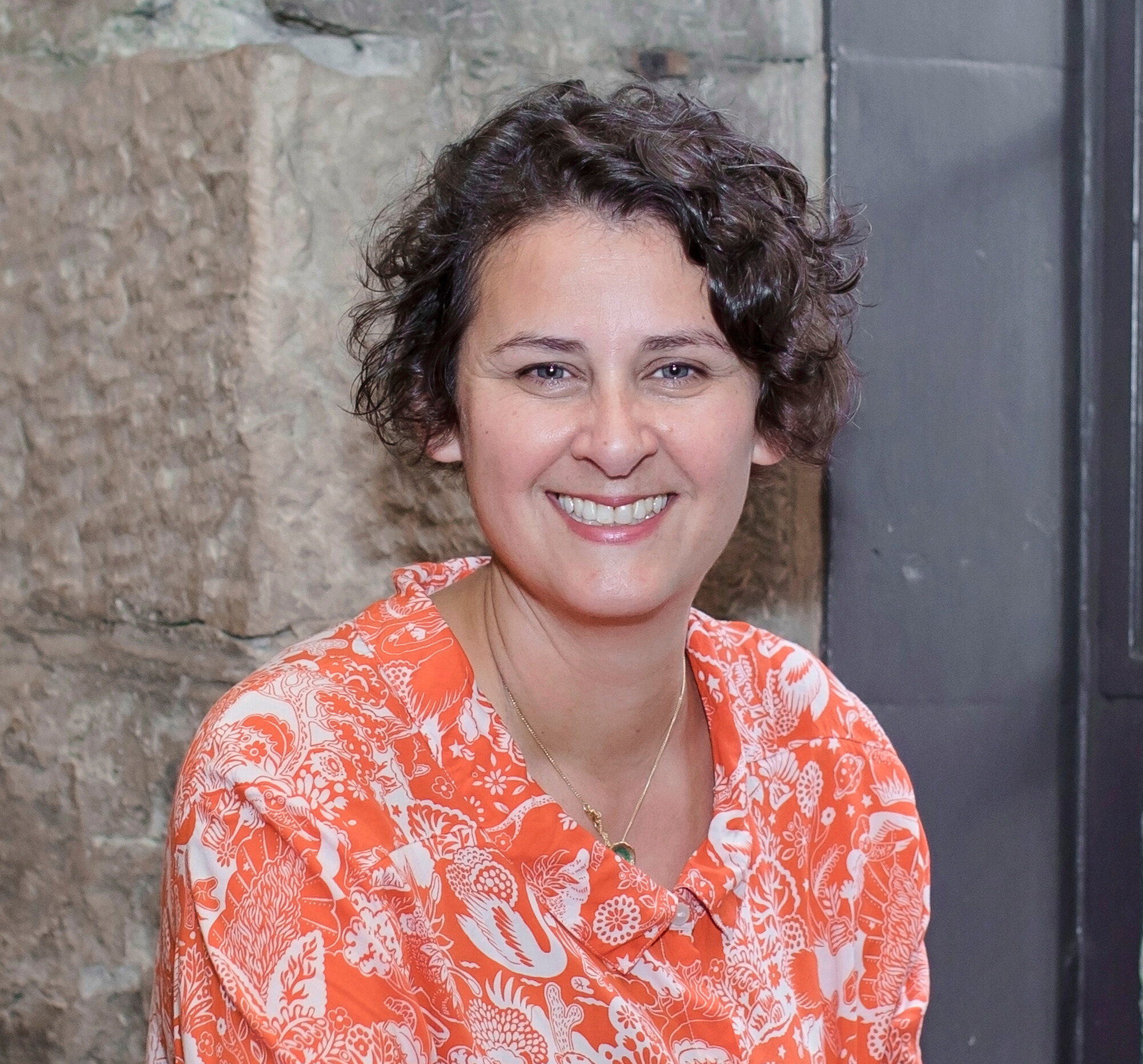
 

How to start a novel with Kat Caldwell

How to start a novel with Kat Caldwell

How to start a novel with Kat Caldwell

by Emma Dhesi | Turning Readers Into Writers

Interview with Kat Caldwell

Emma Dhesi  00:00

Hello, and welcome to today’s episode, and today I’m speaking to a writer and writing coach Kat Caldwell, who believes very strongly that each person on earth has a story to tell. Kat herself is a storyteller in her own right, having written and historical novel stepping across the desert, and a magical realism novel and audience with the king. In between coaching clients interviewing creatives for the pencils and pod sticks podcast, and writing her next novel, you can find cat travelling the world studying another language, reading a good book, or volunteering at her local church with a cup of cold brew close by. So let’s find out a little bit more about cat and how she became a writer. Welcome to the turning readers into writers Podcast, where we teach beginner writers how to find the time and the confidence to write their first novel. I’m your host, Emma Desi. And I’m very excited that you’re here. Thank you for joining me today. Because if you’ve been longing to write your novel for forever, then this is the place to be Think of this as your weekly dose of encouragement of hand holding and general cheerleading, as you figure out how you’re going to write your first novel. Trust me, as a mom of three young kids, I know how tricky it can be to tuck some time aside for yourself on a regular basis. And even when you do find that spare five minutes, you can feel so overwhelmed that no writing gets done. Trust me, I have been there. But this podcast is going to help you in practical ways. Because once a week, I’ll be delivering an episode that gives you steps to building a writing routine, encouragement to build your confidence and cheerleading until you reach the end. Okay, let’s start. Well, hello, Kat, thank you so so much for joining me today. I’m thrilled to have you here. 

Kat Caldwell  02:09

Thank you. 

Emma Dhesi  02:11

I wonder if you wouldn’t mind just sort of telling us a little bit about yourself and how you got you became a writer. And I know that you you’ve told me before that your childhood experiences had a quite a profound impact on how you grew up. And then were quite pivotal in you taking that step towards being a writer. So wanted to get on that. 

Kat Caldwell  02:34

Sure, absolutely. I grew up in the 80s and 80s kid in Wisconsin, very rural. But at 12 years old, I found out that the man who I called father was not my father, he was not my biological father. And that opened up a whole… 

Kat Caldwell  02:55

World for me. At the same time, I was hiding that I was being abused by a family member. And so my whole world was just it was pretty chaotic, I think in my head. So ever since probably that moment, I’ve kept a journal. Now some of them I have thrown away because I didn’t want people to know, you know what was going on. But I’ve always found that outlet of writing to be something of a therapy to be therapeutic and kind of my confidant. And so I really felt like, you know, I had to keep the fact that my parents were not really my parents, my mother was what my father was not a secret. They didn’t want anybody to know, my brother and sister were the biological kids of this man. He’s no longer in our family. And so I had to keep all these things, I wasn’t allowed to talk about anything to anybody, even to my friends, I just felt really trapped. And so writing was definitely a way for me to get out the anger that was in there, the confusion. And so it really started with journaling. But even before that, I really loved books, and I really loved writing. So I think the thing that the two kind of converged to get together. And my first book, which is not really on the market anymore, was really my biggest therapy of trying to get out this idea of like, how do you find your identity if you don’t even know you know, where you come from, or who your father is, and all these things. I can’t say that was a very well written book, but it helps me a lot. I’m glad the publisher sort of collapsed because I think it was the writing was a bit immature. But it was a fiction story, you know, trying to like get my story out without without telling people what it was because everything still was a secret at 20 years old where I wasn’t allowed to tell anybody So that definitely influenced me in my writing my journaling and and then, in my pursuit later on as I, as I really definitely decided I was going to pursue writing as a career route. Well, that’s interesting. I’ve spoken to a few writers actually. And, and it is amazing how, particularly those of us that write about quite dark subjects. It’s amazing how many of those stories have emerged from journals. And so as you kind of alluded to there, even though it’s not the therapy itself, and sometimes we come to, after we’ve been through that difficult situation, it’s amazing just how how I putting it down on paper, having it on in a journal can be and then fictionalised and it can just be such a release. It’s almost like saying goodbye to it in a way. Yes. Yes, I, I really love the idea of brain dumping. It’s a new thing, that new term I’ve heard, but I wish I had known about it as a kid where it’s you dump it all down, and then you tear it up, and you throw it away, but you get it out of your head. So I mean, I guess I did that a little bit when I threw away some journals. 

Emma Dhesi  06:12

That’s true. Absolutely. Yeah. It kind of follows that idea that you know, a problem shared is a problem. How do you know once you get out into the world that reduces its power over you true? 

06:24

Like that? 

Emma Dhesi  06:24

And so does your did those early experiences? Do they still influence your fiction writing? No? Or do you feel that you’ve been able to sort of move past that and look at other subject matter? No. 

Kat Caldwell  06:37

Um, yeah, I think they influence the idea that I am so curious about relationships between people. And that is, that’s pretty much the core focus of any of my books I am I have a historical I have a fantasy and I, I’m just finishing a contemporary and so I’m not really into a genre as much as just I just want to study these characters. I’m fascinated by humans, you know, by the fact that you can keep secrets or you know, like, we know things. And yet we, our actions do not follow what we know to be true of history, you know, and all these things. So I think it’s still influenced, I think I still want my characters to be as true to life as possible. I do enjoy a good chick foot, it’s like every once in a while, and which are chiclet, I guess, in which, you know, it’s just fun. But I do want my characters to have real issues and real problems, because growing up, I just saw just this idea of, as long as you put a facade out there, then your life is okay. And then the kids around me being like, life is not okay. Like, I don’t know, what’s going on here. And I, and I assume that hasn’t changed? No, I mean, we are humans. We’re all in this Pinterest era where, you know, an Instagram and filters. So I assume that the teenagers and the 20 year olds are still like, oh, why does reality not match what I see on my truck? Yeah, so I think it has I mean, I am not as as angry I guess, as a writer anymore. And I definitely cleaned up my the first one that I did publish, I call it my first one, because the other one does, to me, it doesn’t really count. I cleaned up a lot of the anger as I went through therapy. And I think that therapy has released me from possibly making this sketch of men as you know, in the worst light possible. 

Emma Dhesi  08:44

So tell us a little bit about your writing. And so you, I’m always interested in people’s routines and how you feel it’s kind of the writing life in amongst everything else. So presumably, you know, there’s other work commitments, family commitments of one description or another, you’ve got social life, all these things? How do you make the time in your life to fulfil this passion of yours? 

Kat Caldwell  09:11

Yeah, that is something that I struggled with for years. Honestly, when I decided to really pursue it. I was living in France, my husband’s company had moved us over Spain, and then France, and I had three kids. And it was really difficult. I studied a lot of habits, you know, books and podcasts and all these things. And I came to the conclusion A few years later, after lots of frustration is all the advice is really great. You just have to look at your own life and then look at that advice and put it together. So after years of trying to wake up at 5am with a newborn and all this, I scrapped that and I I know, I know why. Why do we do this? I I now when I am writing, I put five days a week 1500 Words, and I really am satisfied by my, my pencil and paper agenda where I put a little box. You know, if I get to check it off, I will feel really accomplished, you know, there, of course are days that I don’t always make those five days. And that is always still working through. Okay, did I do enough? You know, should I should I have made more time, I am still a full time mom, my husband works crazy hours, you know, so I basically have five and a half hours to get everything done. My kids are older. So thankfully, they, you know, will leave me alone for longer stretches. But I have really pared it down. Yes, I would love to be able to go away for a weekend and write all weekend long. That’s just not the reality. And so 1500 words, there are days that I can get more done. There are days that I don’t quite make it. I do though count. If I am journaling, if I really feel like I just need to focus on maybe self care, and I journal I count that you know what it was writing, it was part of my art. I do believe that you still have to practice other forms of writing, not just your book, because it keeps you sort of sharp. So, so yeah, it’s 1500 words for me, I if I’m really on a roll, I can get that done in less than two hours. Sometimes it takes longer to be up to think. But I also tell people, I include research, you know, so if I have to research then it’s not 1500 words, it is an hour of research, I’m going to read, you know what happened and take notes. And that’s still part of my work. And that’s something that I didn’t used to accept. But it’s true. It is it is part of our work. And it is part of the book, because your book would not be what it is if you don’t do your research. So I have learned over the years to be kinder to myself. 

Emma Dhesi  12:03

And I think that is a big part of it isn’t it is knowing that we can’t crank out a book every month, like some writers seem to be able to. But if we are just persistent, and we just keep going and we do a little bit every week, we’ll get there eventually. And the story will the marriage. Yes, yeah, I think that’s that’s a really good message to put out there is just keep going, keep going. Just keep going. 

Kat Caldwell  12:28

You know, in sometimes it takes three years. I mean, this contemporary novel I actually wrote seven years ago. And then I set it aside because a another baby came. And then I got the idea of my historical novel and worked on that. And then I revisited this one. And so, of course it needed a whole overhaul, you know, but you know, don’t give up on the things that you had. Maybe it just wasn’t the right moment for them.

 Emma Dhesi  12:54

Yeah. Yeah, that you’ve gone away from a project and then come back to it and still being passionate about it. So it’s obviously it was a good Yeah, idea. Yeah. 

Kat Caldwell  13:04

Yes. Yes. You know, give your characters another chance. I can’t say that. They were perfect. I definitely need to get them give them more depth. But yeah, I mean, it was a whole book just on my computer. It’s like, Well, why won’t why not go back. But I also think I got more confidence because I finished two other books. And I think the more you write, the more you finish, the more confidence you get a bit, you know, like, Okay, I got a little more hang of this, I’m going to go back to these characters and flesh them out a little bit more. 

Emma Dhesi  13:35

Yeah, no, I think I think yes, I’ve touched on something there that I always feel that it’s important to finish that first draft, especially if it’s your very, very first book, your first manuscript that I’m writing that first draft can without meaning to say too dramatic about it can literally change your life. Yeah, you view yourself, especially if you’re somebody who has wanted to write for a long time and has been putting it off and thinking or can’t do it or don’t have it in me. And then once you write that first draft, then you know you do have it in you. And you’re better placed to make that decision about Yes, I want to pursue this I really love it makes me feel great. Or actually, I’m really glad I’ve done this. And now I know it’s not for me, and I can move on to the next thing that yes, I want to try. But I totally 

Kat Caldwell  14:22

Yes, I totally agree of it. And I think we we need to remember that the great writers, anybody who’s your favourite writer, you are not reading their first draft. It’s just not it’s probably the 10th draft. And if it’s anybody who hasn’t, at least who hasn’t self published, they were working with an editor at the same time and I totally believe that self published writers should work with editors as much as they possibly can. But you know, the great classics they were working with, partners their editors on on making sure that their care actors that are in their head or as deep on paper? 

Emma Dhesi  15:03

Yeah, yeah. Yeah, I read with envy about, you know, in the olden days and 50s and 60s were an agent would take you on and mould you as a new young person and shape your career and help you grow. Whereas no feels like as a young writer, a new writer, you’ve got to have a fully polished manuscript almost before you even take it to an agent. It’s just like, it’s very changed days. Yeah, yes. It doesn’t feel very fair, does it? I think we’re probably losing a lot of great writers. Because of it. Yeah, in fact, it was a it was even as vile macdiarmid Actually, I was listening to an interview with her recently, and she very prolific claim writer, who’s not that much older than me. But um, but she said, Even then, in the 80s, she was writing in the 80s. And she was moulded and shaped and groomed by this agent, and then she didn’t even though you know, 20 years later, gosh, no, 40 years later, I know what happened? 

Kat Caldwell  16:00

No. I mean, I don’t think any great artist doesn’t study their craft, or doesn’t get help from a master. You know, I mean, nobody just does it alone. And I think the idea that we expect indie authors to just put out a book all by themselves, and we put that on ourselves, you know, like I should, if I were a great writer, I would I would write a great first draft. Well, not really, like I mean, we’re putting the pressure on ourselves that nobody else ever did. You know, it’s 

Emma Dhesi  16:31

no talking of kind of having mentors and stuff. And who are writers that you have admired or who have you turned to to help you with, learn your craft or even learn the business side as well? 

Kat Caldwell  16:44

That’s an interesting question. I have read almost forgot I am a multi genre reader. I adore classics, because I do actually like the description. I do. Like, how Jane Austen goes on and on about, you know, describing the room, which everyone tells you not to do anymore? No, I do love them. I know that you’ve asked me all that people’s names are going out of my head. One of my favourite books is the poisonwood Bible, Barbara Kingsolver. I do like how she writes, she also is very descriptive. But the poisonwood Bible made such an impression on me. I was probably in my early 20s. And she wrote from five different voices, five different characters who are all very different. And you could tell who was speaking each chapter, even if you didn’t, you know, read that each chapter was named by the name of the person and that, that was just fascinating to me that she could keep up with each character like that. And that made, you know, sort of a turning point in my writing. I mean, for a while, I thought, well, I would never be able to do that. But I came back around of like, Okay, how do you learn how to do that. I also read quite a few autobiographies or biographies. And the boys in the boat was a great one under Scarlet sky is one that I just read. And it also I guess, has a lot of description. It fascinates me to read people the way that they write, and then try to think, how would I use that just as an exercise? What do I love about it? Under Scarlet sky, I just love the way that they described the writers describing Milan at the end of World War Two, and you can just see it, you know, so trying to say like, what was it about it that made it made me see the mountains or see Milan, you know, what, what vocabulary did he use? And that makes me want to pursue, you know, learning new words, or how would I use them without sounding pretentious. But I’ve, I’ve interviewed quite a few indie authors on my podcast, and they each have just a different way of viewing the world. And so I love listening to their interviews and listening in and then reading their books and reading their blogs and just seeing, realising, especially as I get older and older, that there’s there’s nothing wrong with the way people see or write the world. It’s just different. And if we can just be very curious and very open. David Rawlings, who’s a writer in Australia, he talks about this too, and Vesper stamper, I find her to be fascinating. She’s an illustrator and writer and she illustrates her own books. The idea of curiosity with those two, just keeps going if you’re just curious about how people see the world even if you don’t maybe agree with the point of view, they’re they’re writing in their book, but where did they come from? What are they trying to tell you? You know? how might it be to be in their shoes? And those are the kind of authors that I really, I always admire, and I feel like I need to get to their, their area. Yes. Like, okay, if I could just get there. I’m David Rawlings is interesting, because he’s the first writer I’ve heard talk about a writer should have just sort of a motto or a theme. And just knowing that, he, he’s always going to take a story and have a full I guess, you would call them morals at the end. But But really, it’s not just a story. It’s about like really looking into life a little bit deeper through his characters. So I found that fascinating as well. And, and he definitely pulls it off in his books.

From time to time, I link to products or services I love using with affiliate links. This means that I may receive a small percentage or fee for referring you to any product you may purchase from one of those sites. It does not cost you anything. These small fees help sustain my small business. I truly appreciate your support.

Support The Show

If you enjoy the Turning Readers Into Writers podcast, you can now support my time in producing the show with Patreon.

If you find that the podcast adds value and you’d like to help support the show, please consider supporting me on Patreon for $3.00 per month and you’ll get bonus podcast content, as well as a personalised thank you from me, and a shout out on the show.

Emma Dhesi  20:58

So you see, we’ll see again, what he has, and he likes to have a sort of motto or he 

Kat Caldwell  21:02

has a motto. And he I could look it up for you. I think it’s taking readers deeper into books that take you deeper into life or something. 

Emma Dhesi  21:13

David tries to do with each of his right. So he said, 

Kat Caldwell  21:16

This is who I am as a as a author, and this is what you will get from my books. And so I had never heard that before. And I thought, well, that’s very interesting, which made me go back and think, oh, who am I as a as a writer, so I really study characters a lot. I really like to study people. Okay, well, that’s okay. But I had never thought of that before, like processing my own art in that in that way. 

Emma Dhesi  21:41

No, I guess maybe, yeah, that’s sort of part and parcel of that journey towards and finding your voice, and even kind of branding against just extrapolated to a more marketing or business trip. Auntie Jane. Sure. So that’s lovely. So some really nice and quite varied storytellers there. And what about sort of the craft side of it? Who do you turn to when you’re looking to just work on an aspect of storytelling? 

Kat Caldwell  22:09

Oh, goodness. So I have a mountain of books of story prompts. I particularly I have one editor in England. And she is a fabulous editor who is not afraid to tell me when I need to clean things up or go deeper with a character. I think it’s really important to find somebody who you jive with, most editors are not afraid to tell you that but I think just personality wise, it’s good to I think she was probably the third editor I looked into. So as you get to that, that you know, the finish and you need an editor don’t just go with the first one. You know, if you if you just don’t really like what they say to you, the way they say it is fine. Another one. I, I have started to branch out a bit in looking towards mentors and other arts and seeing what they do. I’m I’m reading Twyla Tharp’s book, just on creativity, she’s a choreographer, and realising that I should study more masters of other arts. And that’s a new thing this year, especially during quarantine as we all tried to figure out something to occupy ourselves with. But it makes sense to me, because I think just I can learn a lot from other writers with you know, how they did things, their habits, and how they develop their skills, and I have their writing prompts, and I use those as well. Or I try to imitate, you know, just as an exercise how they describe something and how I could describe the the world around me using, you know, try to follow in their ways, their footsteps. But I am branching out and looking at choreographers, musicians, and really the greats and seeing how did they see the world getting into their autobiographies, their, you know, what they left the world with, and trying to branch out a little

 Emma Dhesi  24:06

bit there. Yeah, yeah. What kind of talking of them looking at other art forms? You know, you host a post podcast and you mentioned this before. Tell us a little bit about that. Because I think you you’re keen to talk to creatives of all different types, not just fiction writers. 

Kat Caldwell  24:23

Yes, absolutely. So I started the podcast last September 2019. I can’t believe it’s the year so it’s called pencils and lipstick. At first it was just going to be pencils or something. But I realised You know, my brother’s a photographer, my sister in law’s a muralist. And I am quite fascinated by the fact that people can, you know, take clay and make something beautiful or my sister in law can look at a blank wall that’s giant and actually not get confused on what to paint. Like, I just find that that mind, the mind of the artist, fascinating. And so I wanted to expand it to other people. So I’ve had a lot of writers on because I do want to support as many writers as possible. But I’ve had painters I’ve had people who really dip into making handmade soaps and working with their hands. They’re a Master candlemaker. She calls herself. Another one. I’ve had bakers, musicians. I am hoping to get a dancer on soon. Because they’re little, they don’t like to be interviewed

 Emma Dhesi  25:35

by their writers, my goodness, yeah. Hi, guys. 

Kat Caldwell  25:40

So any, anything that you consider creative, I would love to talk to people about, you know, what was your journey? How did you become bold enough to to go out into the world and say, This is my creativity. And I want to show it to you, because I think all of us struggle at some point in thinking that nobody cares, or that it’s not a real job, or you know, that I should be doing something else. And I just don’t think that’s true. I think we’re all created differently. And some of us have art, creativity, artistic talents. And to keep those inside I think is just a shame. I mean, looking historically, artists were always revered. And now we’re just sort of like, Oh, go do your real job, and then go do that as a hobby. And even if it is a hobby, you should be allowed to speak of it, and to call yourself a master of the art, you know, if you pursue it. So it’s really a place. Yeah, and be proud of it. So it’s a place for people to tell their story. And then to encourage those who wish to do that as well. To encourage them to go for it. 

Emma Dhesi  26:47

Well, that’s a kind of fits in really nicely with the idea, I know that you and you feel very strongly that mindset is important aspects of a previous life. And I actually I believe that as well. And particularly with writing a kind of thing, if you get your mindset straight, you’re 50% of the way there. So what would you suggest suggesting a new beginner writers out there, if they’re, you know, doubting their abilities, if they’re having that comparison itis that we hear about? They don’t think they’ve got it in them. And maybe, you know, we do hear people do tell us that the family members or friends tell them it’s a waste of time, and we shouldn’t be doing it. And so they’re embarrassed about it. What words of advice or encouragement would you have for those raises to help them push past that and, and own it? Yeah. 

Kat Caldwell  27:38

But first, I would say almost every writer artist has that experience, unfortunately. And I think now you can find some encouragement, through podcasts, and through other people’s blogs, I would encourage you to find them. There are quite a few artists now who have their podcasts, and they just want to show that creativity is a real thing. It is a real job. I think all of us go through that idea of somebody and it’s usually somebody very close to us, claiming that they’re just looking out for us, and they want us, you know, to be happy or to be successful. I think in the end, you have to realise that you can have all the money in the world, if you’re not doing what you were created to do, you’re not going to be contented, you’re not going to be happy. And I really think a lot of people who are not happy but make quite a bit of money. It’s they’re just not doing what they’re supposed to be doing with their life. You know, if you were created to sculpt or to write or to sing, and you’re not doing it, there’s a part of you that’s not being used. And so I would say it is difficult, but everyday to just take one step towards your creativity and just feel like this fulfils me. And to start being bold enough to tell the people I understand how you feel. I understand that you love me assume always the best of the other person. But this fulfils me, it makes me happy and it makes me content and I would love it if he would support me in it. You won’t always find that but you can find other groups on Facebook, it’s not the greatest place but you can find it other podcasts people who are pursuing it. And I would say not to give up. I mean, I I am much older than than the person I was I’m turning 40 and it took me a long time to get that confidence up to pursue it. I think a lot of us do take that. Those decades to get there. We pursue other things. You know, I was a translator as a waitress I was secretary, you know, I need a career. But really in the end of it, whatever fulfils you is what what you should follow. And you’re just not gonna you’re just gonna be happier. It’s okay if you don’t have three iPads, if you’re happy. 

Emma Dhesi  29:58

Absolutely, absolutely. You mentioned there that finding a community can be a really integral part of finding your creative self. And I know that you have a an online community as well. I wonder if you could share a little bit about that with us? 


If you’ve been working on your novel for years (perhaps even decades) the maybe it's time to consider working with a coach.

If you have multiple versions of your novel and you don’t know which works best, are scared nobody will like your book and don't feel like a 'real' writer, then my guess is coaching is the right next step for you.

Find out more and sign up for your free Clarity Call here: https://emmadhesi.com/personal-coaching/


Kat Caldwell  30:15

Yeah, it’s something new that I’ve that I started in August. It is a group of writers, some of them, most of them are new writers working on their first book. And it’s a place where I spent so I published my first one, I hit the button, you know, that Publish button on in November of 2017. And then as many indie writers, as happens, you say, Well, nobody knows my book is there. What did I miss. And I was very much against social media, I didn’t understand email marketing, I just didn’t get I just wanted to write a book. And I just wanted to put it out. And I wanted that to be the end. And unfortunately, that’s not how things are anymore. And so I spent two years, probably two and a half years. And that’s part of the reason why I started the podcast is I read 50 business books in 2018. Realising that most of them were not for creative businesses, most of them were for other businesses, but trying to learn, I listened to probably hundreds of hours of podcasts on what what am I supposed to be doing? And where am I supposed to be going? And what is branding? And who am I as an author? And why can’t people just buy my book, and we not do any of this work? When I started the podcast, you know, I can learn from other people where they are, how did they get there? You know, are you making money from this? I want to make money too. And I want people to read my book. How do you get people to review your book, you know, and all these questions that I had. And so that, I mean, it’s been three years now, since I hit that Publish button and then spent all that time and I realised most people don’t have that time. I’m blessed to be a stay at home mom, other than a writer. And, yes, that’s still a crazy job. But you know, those five hours a day, I was just trying to figure out what to do next. And a lot of people don’t have that time, or they just feel lost. And I’ve heard a lot of writers just give up. And so I bring in at least two masterminds a month, we do lives. Just in two days, we’ll be doing a live on what your lead magnet is for email marketing, we’re really focusing on email marketing this month, because that confused me to no end. For a long time. Why should I start before anybody? Before I even have a book? I don’t understand this, where should I go? So we focus on different things, all the marketing you have to do I bring in masterminds this, this month, we’re going to have a mastermind with another author about book launching, and another artist about habits and how he has kept up the habit of drawing every day for eight years. So he does a lot of mindset. And so it is a paid membership. But it’s $47 a month you get live with me, you get to chat with me whenever you want. My hope is that we will grow as a community, we will be the beta readers for our book launches, we will support each other I think that’s what what people need more than anything. You know, when your book is done? Where do you find an editor. So I have three different editors coming in, in 2021. And then when your book is launched, you know, the more people who talk about your book, the better, you know, if they can read it, they can share it on their newsletter, and just sort of that spiderweb effect of trying to get your book launched as fast as possible. Because it’s not something I understood with my first one, I just didn’t get it. And I want to help as many writers as possible, get it and get their book into the hands of the people that should have it sounds amazing. 

Emma Dhesi  33:49

sounds like a fantastic group was the group called 

Kat Caldwell  33:52

it’s called the creative writing community. The pencils and lipstick Creative Writing community, it’s on Facebook. You can also find it on my website, KatCaldwell.com and you can go through the free mini course first if you want. So I have a free mini course on my website starts like that. So that’s just a little five day mini course because I think a lot of people have a hard time. Just starting, you know, the mindset. I think just like you and I were talking about, like, it’s hard to think that you’re even worthy of writing this book, who am I to write this book? You know, I can’t ever finish this. So we go through mindset, it’s a five day emails, one email a day you get worksheets, and the first thing we tackle is mindset. Yes, absolutely. You should write your book. It doesn’t matter if it’s a romance story. You know, that’s been written before. They’ve all been written before technically, but you’re a different person. You have a different point of view. Your story is different than anyone else’s. And by golly, I want to write I want to read another romance book. So please But, I mean, we’re always looking for more. And I even tell people, you know, as much as there are people who love classics, there’s a whole swath of, of people in the world who aren’t going to go back and read books from the 80s. They’re just not going to do it. But they might read your book, maybe they are your ideal reader. So if you don’t write it, they can’t read it. So we tackle mindset content, high, low content, how to really decide what your book is about. titles, how important they are, but covers how important they are your ideal reader, so you should write not to everybody, which is something that’s very hard to grasp, at first, but you should be writing only to specific people. And then we go into habits and characters. And then, and that’s all free. And I do live. That’s a free Facebook group, it’s start writing your book in five days. So you can sign up on my website as well. 

Emma Dhesi  35:57

All right, I’ll link to all of these in the show notes. Yes. And don’t worry, everybody, I’ll have that for you.

Kat Caldwell  36:03

I know, we’re always like driving in our car trying to write on the podcast. So yeah, I’m sure the links will be there. But you know, so you can always try and see the group on the free group is not as active. As you know, it’s Facebook 

Emma Dhesi  36:20

feed. And you know, the fact that paid content when you make that commitment and investment in yourself repeat content, you’re investing and so you’re much more likely to show up and get involved and get your money’s worth putting Yes, yeah, 

Kat Caldwell  36:34

yes. And you know what, I debated doing it for free, because I honestly just want writers to know that they you know, that there is help out there. But you’re right. A lot of people were not really being active when it was free. So I think just like anything, I’m I too am guilty of downloading free courses and never touching them. Yeah. 

Emma Dhesi  36:58

I think I’ve heard it said recently, and it’s maybe a Tony Robbins thing, you know, but the transformation happens when you make the investment. And because that true, you’ve not only financially but you’ve mentally made the investment as well. Sure. That’s true. What I love about your content, though, is that it’s quite, there’s a lot of it is very business orientated. And when I look around, and certainly when I was starting out, and I would look around and what’s out there for beginners, a lot of it is about the craft, a lot of it is about getting the first draft with it, which is what I focus on, but actually as an as, particularly if you want to be indie, but even if you want a traditional deal, you have to be so much more business aware now. So having somebody I mean, even despite the mini course, I mean, that’s a, that’s a jam, they’re just opening your eyes to what you do need to think about as a writer, it’s not solely about the work. It’s predominantly about that. But it’s not just that anymore. And we need to be at the very least aware of all the other things that go on. So I think that’s fantastic. A wonderful offering. 

Kat Caldwell  38:01

Thank you. Yeah, I think it’s it’s unfortunate sometimes in our heads, because the last thing we want to do is worry about LinkedIn. And I’m with you, I was there for a very long time. But the truth is, the more you brand yourself as an author, and I didn’t get that, but you You are a personal brand. You know, JK Rowling’s is a brand, then there’s Harry Potter. So there are two things that she has going for. But you are your brand, whatever your author name is, whether it’s a pen name, or yourself, people want to know about you, they want to know about your life, they want to see you they are not going to see your next book, most of us do not go looking, you know, I mean, Stephen King, and you know, whoever else, they’re all prominent on the Amazon line, or the Barnes and Noble line, if they’re actually open, you know, thinking back to normalcy in life. You know, it’s hard otherwise, to find that one book, you read that one time, and where are they? Well, if you’re on their newsletter, you’re following them and you’re excited by what they’re doing. And you see more of their life and their writing process. So just realising that you’re, you need to find the fans, and you need to find the fans by putting yourself out there. And it’s a difficult thing I think, for writers to comprehend because we don’t want to 

Emma Dhesi  39:25

just want to write the book. Yeah, what else do the other stuff just 

Kat Caldwell  39:28

find my book guys, you know, but yeah, and then to find the support through different authors. And there are great ways to to collaborate with other authors, which I think is fabulous, supporting one another. 

Emma Dhesi  39:42

what can i i’m just conscious of time. I just want to say thank you so so much for joining me today. I’ve really enjoyed talking to you. Can you just remind people where they can find you online? 

Kat Caldwell  39:53

Yes, it’s cat caldwell.com and cat with a K and called officee And on Facebook is cat Caldwell author Instagram cat Caldwell dot author. And apparently there’s lots of cat calls out there. You never knew that before social media. So I think the best place is my website you can find all my lead magnets there. You know, if you want to know what a lead magnet is, you can definitely DM me and I will gladly tell you what that is, or any business. I’m always open honestly, for people to ask me questions, whether it’s instagram, facebook, or you just get on my newsletter and you you literally hit reply to the email. I don’t profess to know everything. But I am somebody who researches a lot and have researched over the last two years. So yeah, they can find me on cat caldwell.com all the books are there. All the groups and everything.

 Emma Dhesi  40:47

Fantastic. Now I realised we didn’t actually name your books, but you wanted to just tell us the last one that was out and where we can find it.

 Kat Caldwell  40:56

Yeah, absolutely. The last one was a magical realm fantasy, you always need to find out the genres and all the sub genres of everybody. So it’s called an audience with the king that started out as a short story and quickly became a full book. You can find it on Amazon, you can find him Barnes and Noble on Kobo. And pretty much anywhere you find.

 Emma Dhesi  41:18

Fantastic. Cat. Thank you once again, and take care.

 Kat Caldwell  41:22

Thank you. Thank you for having me.

Alliance of Independent Authors

Shortcuts for Writers


Do you feel as if you don’t have the time or the money to invest in editing your novel? I know an online course that can help you to transform your manuscript WITHOUT breaking the bank. It’s called Book Editing Blueprint: A Step-By-Step Plan To Making Your Novels Publishable, and it was created by Stacy Juba of Shortcuts for Writers.