NaNoWriMo

NaNoWriMo

What is NaNoWriMo?

NaNoWriMo is a non-profit organisation that encourages and supports writers of all levels to write 50,000 words in the month of November.

They do this through online tools and forums, real life meet ups and daily emails throughout November to keep participants motivated.

Is there a NaNoWriMo prize?

The prize is that you have the basis of a manuscript.

The prize is that delicious feeling of achievement.

The prize is knowing you’re halfway to a finished product.

Priceless!

Have I ever done NaNoWriMo?

Yes, I have. In fact, it’s what got me to the end of the first draft of The Day She Came Home. I had been slowly plodding on with the manuscript and NaNoWriMo came along at just the right time to propel me to the end.

I loved logging on to their website and recording my word count. I enjoyed receiving their daily emails to make me get my butt in the chair. I adored getting my virtual badges whenever I reached a milestone (I’ve always been a sucker for a Gold star and a smiley face from my school teacher!) But more than that I was proud to reach 50,000 words and hold the first incarnation of my book in my hands.

Completing Nation Novel Writing Month has definitely been a defining moment in my career so far.

Did I ‘win’? Yes, I did. I wrote 43,844 words. I didn’t hit my 50,000 mark and although I’m a little disappointed, I’m also thrilled that I am just over halfway in producing that ever-elusive first draft of my next novel.


From time to time, I link to products or services I love using with affiliate links. This means that I may receive a small percentage or fee for referring you to any product you may purchase from one of those sites. It does not cost you anything. These small fees help sustain my small business. I truly appreciate your support.

Support The Show

If you enjoy the Turning Readers Into Writers podcast, you can now support my time in producing the show with Patreon.

If you find that the podcast adds value and you’d like to help support the show, please consider supporting me on Patreon for $3.00 per month and you’ll get bonus podcast content, as well as a personalised thank you from me, and a shout out on the show.

What are the 3 lessons learnt from doing NaNoWriMo?

1. Schedule Your Time

Writing 50,000 in 30 days isn’t easy. The more prepared you are, the better you’ll be.

Set aside the time you need. For example, if you know you can only write one day a week, make sure you’ve allowed enough time to jot down 10,000 words.

If you’re writing daily, allow enough time to write the 1,666 words needed. If you have 3 writing slots available, make sure you get enough words down.

If you need to, cancel other events so you can devote yourself to it for those 30 days.

If you schedule the time, it’s on your calendar, and you are in control. Rather than trying to fit your writing in and when, be in charge. Designate the time and step up for yourself.

Ring-fence your writing sessions and don’t let anyone else tell you to skip them. They are important and will skyrocket your writing life, especially if you’re writing your first novel.

2. Be mentally ready

If you are committed to writing your novel, NaNoWriMo will propel it forward, but that doesn’t mean it’s going to be a walk in the park.

When I’m taking part, I go through rollercoaster emotions.

Last year I kept a log of how I was feeling. Some days I couldn’t wait to drop the kids off at school, head to my local Caffe Nero, and get started. I was excited about what was going to happen next in my story.

Other days I lingered in the school grounds, nervous to go to my desk because I had no idea what I was going to write about. Once there, I’d order my coffee, take my time to unpack my stuff, and remember an urgent social media post I had to write!

When ready, I’d read the previous day’s work, and out of the blue I’d know how a conversation would continue, or how my protagonist could get themselves into more hot water and – boom! – I was off!

Life gets in the way

Last year I got off to a good start and banged out 15,000 words in the first week – Score!

Then life got in the way.

I had a few kids’ school activities to get involved with, my other business needed my attention and ill health reared its ugly head.

These meant I had to take time away from the office (i.e. my local Caffe Nero!) which had a knock-on effect on my word count.

At first this stressed me out because I was so desperate to get that word count down and get my 50k badge at the end of the month. #instagrammoment

However, I had to remind myself of what I teach others – you can only write what you can, when you can.

The important thing was that I turned up when I said I would and wrote the words I said I’d write.

I scheduled in the times I could work on my draft, sat down to do the work at those times, and as a result my word count kept mounting. I was proud to work hard.

3. Have a rough plotline to work with

If you’re a pantster, I recommend you have a basic storyline in place. This can be as simple as the beginning scene, middle scene and ending.

This will help you stay on track and know where each chapter or scene needs to lead toward.

If you’re a natural plotter, you can go to town with this! You can either do a bullet point outline, or a slightly more detailed chapter by chapter outline.

This will save a lot of mental procrastination about what happens next in your story.

It also saves time because you can get down to the writing almost immediately.

Either you can get your word count down quickly, or you can write more in one session.

Prep your story in October (also known as Preptober!). It will save you a lot of time and stress in November.

Why do it?

I encourage all of you, no matter where you are in your writing journey, to give it a go.

If you’ve never written before this is your chance to skyrocket your writing life.

Just think, in only 30 days you’ll have the first draft of your first novel written.

That’s no small achievement.

Even if you’ve started your first draft, use November as the impetus to get the draft finished. Perhaps all you need is the feeling of solidarity that comes with the NaNoWriMo team and community.

If you’ve written a whole first draft, use the month as a pacing mechanism to get you through to the end of draft two.

If you in the Northern hemisphere, November is a dark and cold time of the year. What better opportunity is there to stay warm and cosy at home while putting those long dark nights to good use and creating your masterpiece!

In addition, by the end of November you will have a good idea of whether writing is something you enjoy.

Will I do it again?

Yes, I’m doing it again this year and I don’t mind telling you I’m nervous. 50,000 words are a lot of words, and although there is no obligation to write that amount in one month, it’s the challenge I’ve set myself.

The reason I’m doing it this year is that I have a new manuscript brewing in my head, but I’m procrastinating – making excuses! – so need to make the commitment to get that first draft down on paper.

It doesn’t matter how bad the draft is, the important thing is to get it written. I can’t edit a blank page!

If you’ve been working on your novel for years (perhaps even decades) the maybe it's time to consider working with a coach.

If you have multiple versions of your novel and you don’t know which works best, are scared nobody will like your book and don't feel like a 'real' writer, then my guess is coaching is the right next step for you.

Find out more and sign up for your free Clarity Call here: https://emmadhesi.com/personal-coaching/


Alliance of Independent Authors

Shortcuts for Writers


Do you feel as if you don’t have the time or the money to invest in editing your novel? I know an online course that can help you to transform your manuscript WITHOUT breaking the bank. It’s called Book Editing Blueprint: A Step-By-Step Plan To Making Your Novels Publishable, and it was created by Stacy Juba of Shortcuts for Writers. 


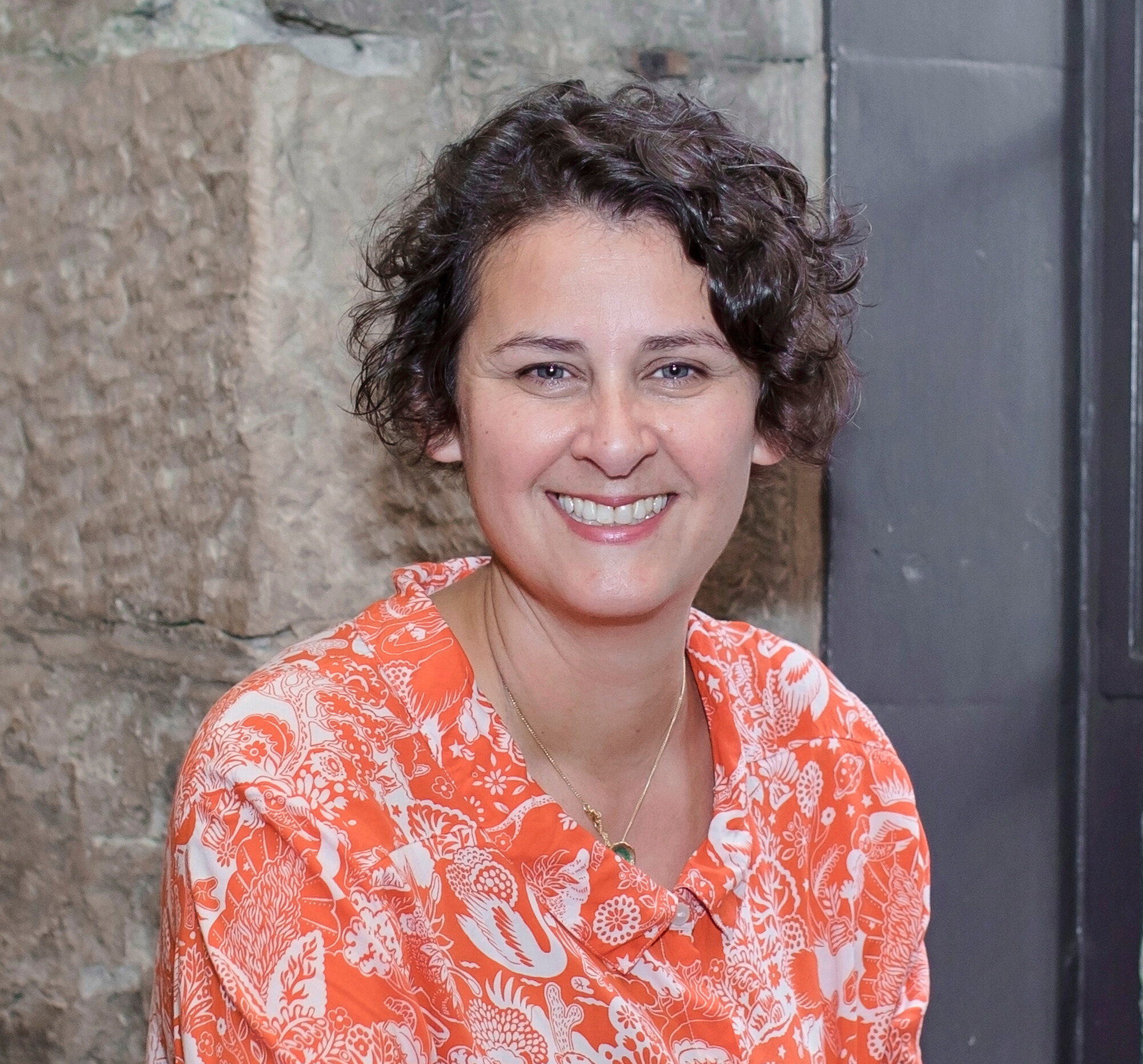
Photo of a woman with dark hair wearing an orange blouse

Emma Dhesi

Emma writes women’s fiction. She began writing seriously while a stay at home mum with 3 pre-school children.

By changing her mindset, being consistent and developing confidence, Emma has gone from having a collection of handwritten notes to a fully written, edited and published novel.

Having experienced first-hand how writing changes lives, Emma now helps beginner writers find the time and confidence to write their first novel.

She is a certified Author Accelerator Book Coach

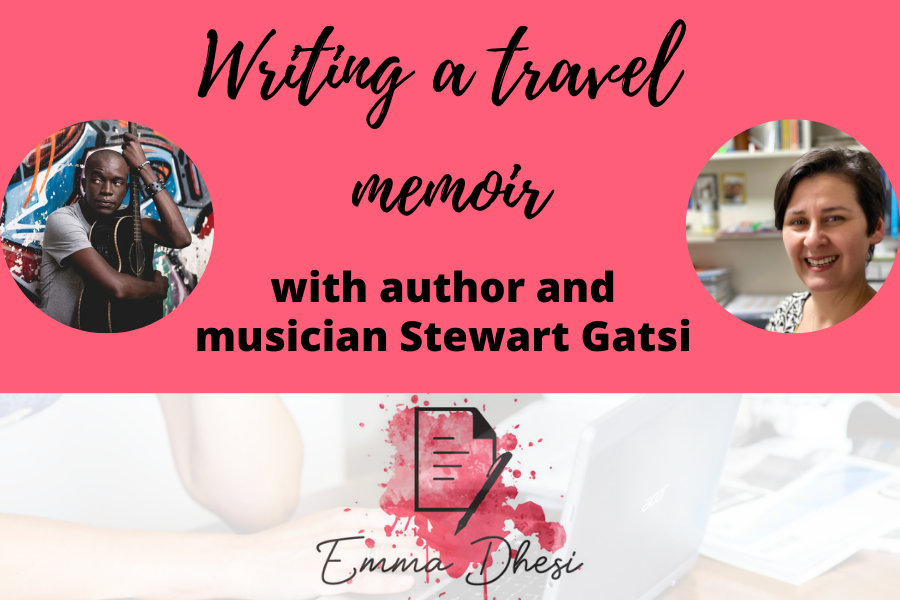
Writing A Travel Memoir With Stewart Gatsi

Writing A Travel Memoir With Stewart Gatsi

Writing A Travel Memoir With Stewart Gatsi

by Emma Dhesi | Turning Readers Into Writers

Stewart Gatsi

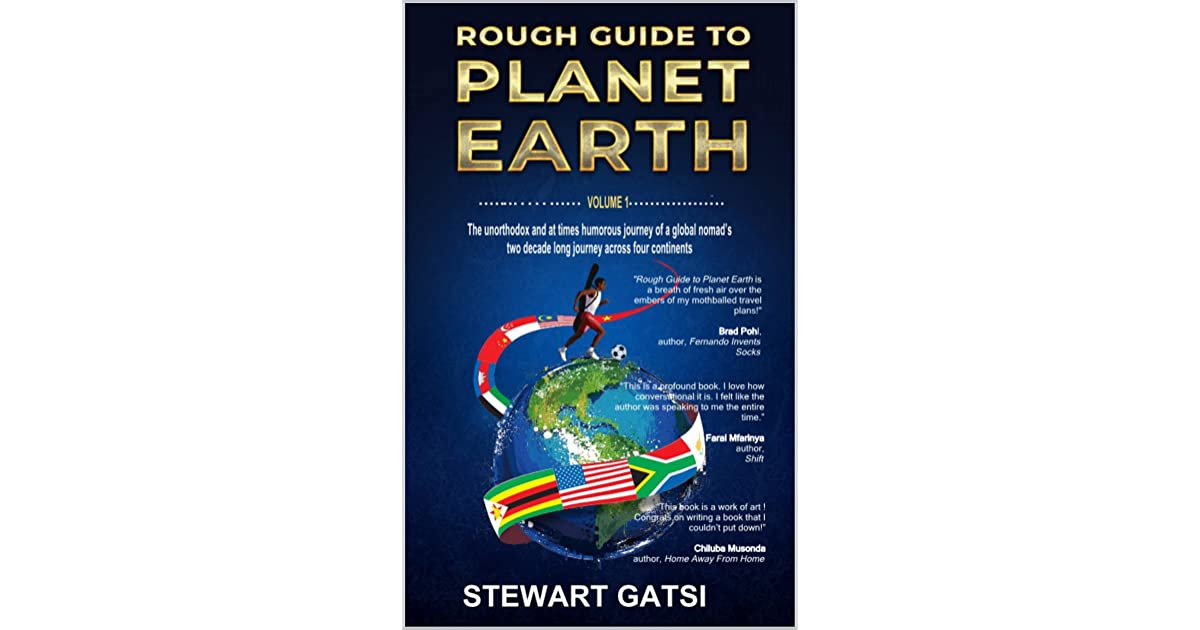
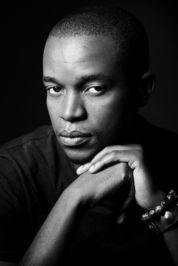
With a background in construction design and 3d modelling, Stewart Gatsi is an independent singer/songwriter, recording artist, educator, and author. Born in Harare Zimbabwe, his experiences across more than fifteen countries play a key role in shaping his outlook. In 2019 Stewart officially released his first fully professional recorded musical project, the seven-track E.P Songs On My Bike. Currently based in Ho Chi Minh City, his first book Rough Guide To Planet Earth is the first in a series of books chronicling his tumultuous twenty-year journey across four continents.

It chronicles his adventures and misadventures starting out in Zimbabwe, then subsequently migrating to the U.S, Cyprus, Dubai, and ultimately a return to Zimbabwe after almost a decade of living abroad. Ensuing events eventually lead to him traveling yet again, with experiences taking him through South Africa, Vietnam, Singapore, Cambodia, Hong Kong and Malaysia.


Interview Transcription

Emma (00:00):

Well, Stewart, thank you so, so much for joining me today, I’m really excited to talk to you about your, your book, your travel memoir, especially because you’ve traveled to, I’ve traveled to some of the same places as you. So, um, I’d love to hear about them from your point of view, but I wonder if you could just tell us a little bit about yourself, because I know you have a few different strings to your bull. You’re not solely a writer,

Stewart Gatsi (00:24):

Right? So, um, I am a travel writer we’ve talked about, and I’m also a musician. Uh, I’ve, I’ve worked, um, in architecture and construction. And, um, I’m also an educator

Emma (00:43):

And what’s tell us a little bit about your music.

Stewart Gatsi (00:46):

Uh, so I, I stopped recording and seeing in 2008, I believe that’s when I recorded my first kind of serious track. Um, and then after that, I, it grew and mushrooms is on thing that I eventually to traveling with and it became also an Avenue to, to travel and something I can share as I was traveling as well. So, uh, I’ve been doing that, uh, G it’s it’s yeah. Over a decade now. Yeah.

Emma (01:20):

And you mentioned there that you’re also an educator, so I do as part of your travels, are you teaching as well?

Stewart Gatsi (01:27):

Right. So this is something I started doing maybe more, uh, recently, uh, when I moved to South Asia, which is where I’m still at the moment. Um, I’m currently based in Vietnam. And, um, I went into that because that was something I felt I, um, I would enjoy more something that I could do to give back, uh, in some way, shape or form I’ve been working in construction design more, and that was fine. It was good. I was designing was, but I just didn’t feel like I was giving back enough. So I decided to switch to teaching when I moved to South Asia and I felt that it was more rewarding.

Emma (02:05):

And are you teaching English for example, or are you teaching more, something more construction based?

Stewart Gatsi (02:12):

Right. So I’m, I’m teaching English as a second language, um, and working with kids and adults. Um, but, but a lot of times I, I probably focus more on the corporate side of things.

Emma (02:24):

Okay. Okay. So you’ve written the same book called the rough guide to planet earth. So tell us a little bit about it. Tell us, you know, what is the, what is the book about what’s the memoir about?

Stewart Gatsi (02:36):

Right. So I guess as we were discussing for, I, I guess I, you know, it took me awhile to realize I’ve been, I’ve been fortunate to have been able to live in four different continents and still going. And, um, I felt that, you know, that there was something I had to share, uh, for sure. And throughout living in all these different, I had kept a journal and I just kept it stocked away for awhile. Um, and, and so the book is broken down into, uh, each chapter, basically each chapter breaks down, uh, in a different country. Um, and basically it’s just, uh, uh, essentially my audiences, um, followed by my reach and then my review of that country and what I, uh, or, or experienced, or, or have, or researched, uh, from that. And, and the idea was primarily to, to, to share with people, um, and, and to, to try, um, and paint the picture that different people can travel to this country, but have completely contrasting experiences.

Emma (03:51):

Yes, very much so. Very much so. And in their introduction to the episode, I’ve mentioned that you, um, are from Zimbabwe and you’ve traveled through South Africa, as you say, you’re in Vietnam. No, but you’ve also been to Hong Kong and Malaysia and Cambodia. So I’m wondering what was it that prompted you to leave Zimbabwe? Cause you could have, um, you’ve mentioned that you wanted to sort of give back in a way, and you’ve done that in Southeast Asia, but you could equally have done that in Zimbabwe. What prompted you to, to travel abroad?

Stewart Gatsi (04:25):

Um, well essentially by and large, I, I grew up in Baba in the nineties, um, and, and going into the late nineties, early two thousands. Uh, and so at that particular moment, Zimbabwe going through a transformation, um, I believe it still is. Um, and so the economy wasn’t, wasn’t doing so great. Um, even though Zimbabwe has still has a reputation of, you know, good edgy, consistent, and, and a good backbone to an Edison foundation, but when it came to actual opportunities and then furthering my education, uh, you know, beyond, um, being in Zimbabwe, I, I knew I had to, I knew I had to drill. So I, the first time I’d traveled, um, going, um, abroad, um, was, uh, traveling train with my mom who Botswana from Zimbabwe. Um, she decided, um, we need, uh, Botswana and groceries for some reason. So we went over there and did our grocery shopping and looked around tours for a few days and then came back. And I think from then the travel bug bitten, I always wanted to see different places. Um, and then the first place that I subsequently traveled to, um, after, uh, Zimbabwe was, was the U S and that in many ways also became my, my second home. I still have family there and friends there. Um, so, so yeah, that, that there were, I guess, multiple reasons for that, but, but I think that initially, uh, probably traveling the first time I’ve been back though,

Emma (06:05):

It’s exciting. And the travel bug is something that once it gets into your blood, that’s it, you want to see as much of the world as you can. So you mentioned that you mentioned that the you’re a book, rough guide to planet earth started as a journal. Um, and so then you, you, but then you decided to transition it into more of a memoir that would, would have a readership. So how did you decide to, um, well, first of all, you had a lot of things going on in your life, cause you’ve got your music, you’ve got your teaching role as well. So how did you on a practical level kind of fit in your writing time, as well as all your other, um, day to day responsibilities

Stewart Gatsi (06:51):

Fitting in my writing, uh, was for me very easy. Um, and I learned this from my music. Um, and so I, I didn’t initially know to play guitar. I still, I still say I don’t how to play guitar, but I can play bass and guitar. Um, but before I knew how to do that, I practice and I watched beginner videos. And what I did was I set myself a minimum time limit, say every day for five minutes, I’m going to practice guitar, at least at the very minute. And then before, you know, it, it was into something more. So I transfer that ethos to, to writing. And so every day, whether I was tired or annoyed or whatever, I would just ride for at least five minutes. And usually it turned into 30 minutes or an hour or hours. Um, so I think it’s just about being disciplined well, and just setting yourself that goal, um, and actually doing it and holding yourself to account that’s important as well. Like it’s important not to lie to you. So if you’re going to set yourself something, then do it.

Emma (08:01):

Yes, no, I absolutely agree. It’s one of the things that, um, I always teach my students is, um, especially when they’re transitioning into writing more regularly and with greater intention is to share it in and start small, start with sort of five, 10, 15 minute sessions and see where it takes here. Cause it’s, it’s about, as you discovered with your music, it’s about building a habit and getting into that habit. So it becomes part of your parts of your life and it’s not as scary anymore.

Stewart Gatsi (08:30):

Yeah. Yeah, definitely. I believe that. Um, if, if somebody says to me, uh, I want to do this or I’m passionate about this, but I don’t have time. I don’t believe that because you have five minutes, everyone has five minutes at some point in the day. So I think that’s, that’s important.

Emma (08:53):

Yep. Oh, good. Great to hear, love to hear it, but someone else who’s got the same kind of attitude towards it as well. It makes me think of all the way back. So you mentioned, um, as well that each chapter of your book is based on one of the countries that you visited. So did you decide to do it kind of chronologically or how do you decide to structure, which, um, which countries went into which chapter, which order you did it in?

Stewart Gatsi (09:24):

I organized it chronologically, but I wrote it in haphazard order basically. So for some strange reason, the very first chapter I wrote about was living in West and, and my experience living there, I’m an international student as a migrant and all these things. Um, so for some reason that ended up being my large after. And I think probably because it had the biggest impact on life and growing up and becoming an adult there. Um, and then I realized though that, that wasn’t the beginning of my life and I needed to create context. So then I wrote about, uh, Zimbabwe as a nation it’s brief history and then me growing up, uh, just after independence and, and then subsequently moving. Um, so structure doesn’t necessarily why I think structure is important. Yes. But I don’t which order you write it in is, and, and what I found also, uh, feedback from other people that given the book is that some people will look at the book and then choose a country they are familiar with, or they think they would like to read about. And then they read about that in my experience. Um, so it’s, it all depends, um, on you as a writer, but the thing for me is just actually do it just to actually do the, and then the organization in itself, um, can, can come at the end once you look at it as a whole,

Emma (11:02):

So kind of writing, um, the stories or the chapters as the momentum took you, and as you were kind of ready to write it and then get your manuscript down, if you like, and then restructure it and reorder it to fit, to fit your needs

Stewart Gatsi (11:16):

Yeah. To fit your needs or what you want. Right. It depends on what your main purposes, right. If you want to paint a particular picture, then you, you do it in a certain way. Um, but I think a lot of things maybe that people worry about, um, are just, I think, overcome in, in, in actually just taking the action. Sometimes you, you don’t know. I mean, I’m, I’m a first time author though. Many of the things I, I wasn’t off. So I had to learn about and research and, and, and wake up every morning and watch a video about marketing your own book, or, you know, basic things like that.

Emma (11:56):

And so, um, when you were writing it, when you were sort of taking the journal entries and turning them into the memoir, did you have a narrative arc in your head? Was there a story that you were trying to tell or where did you think of it as being more a series of, of almost anecdotes and that you would tell about each stage of your journey? Or did you have an idea that you wanted to be, that you wanted to have a through lane or narrative arc?

Stewart Gatsi (12:25):

I, well I’m, uh, and I guess maybe this goes back to my main aims and writing book, but w what I wanted to do was to tell a clear story, um, because one of the most common questions and common and most compute questions that I receive from people, where are you from? Because if somebody asks me, where are you from? I’m gonna say, okay, well, can you be more specific with your question? I mean, where was I born? Where do I live? Where have I lived? What languages do I speak or what’s worked? Do I hope so? What do you mean? Um, so it’s, it’s, it, it came from that. And, and I honestly thought to myself, um, when somebody asks me, are you from, I’m just going to give this book. And so that’s where everything came full circle.

Emma (13:22):

I’m. So it sounds like maybe, maybe you’re not sure yourself, you’re such a nomad that perhaps you kind of feel maybe a global citizen rather than a citizen of one particular country.

Stewart Gatsi (13:34):

Well, absolutely. I mean, um, and I think, I think I maybe find it less, less of a confusion and more, I see myself as a global citizen. I, I could certainly see myself fitting into different, different societies and different cultures, and that’s only through, you know, my past learning processes of course. Um, but, but I think the term global ad is, is, is very accurate.

Emma (14:02):

If I tell you if I didn’t have kids in the family, I wouldn’t mind being a bit of a digital nomad myself. I think it’s a good life, if you can get it. Um, so as you,

Stewart Gatsi (14:14):

And, and it’s, it’s not as far out there as you may think,

Emma (14:19):

Do you think, you know, I mean, actually it’s true. I do come across, um, more and more people who are probably younger than me, but are still enjoying, taking full advantage of what technology can afford as no in that. So many people can take their work with them wherever they go.

Stewart Gatsi (14:39):

Mm, absolutely. Absolutely. And I think that will probably grow more with, with time. Um, definitely I think, uh, as you mentioned, you have a family and, and, and your kids, I’m sure the way they work is going to be different to the way you work.

Emma (14:54):

Absolutely. I think there’ll be doing jobs that we haven’t even heard of yet. I’m sure. So you’ve mentioned that, you know, that you’re a DV writer. Um, so I wonder which rather other writers and perhaps other memoirists or travel writers you’ve come across that have influenced you, which wages have you enjoyed, and that gave you the kind of impetus to write your own book.


From time to time, I link to products or services I love using with affiliate links. This means that I may receive a small percentage or fee for referring you to any product you may purchase from one of those sites. It does not cost you anything. These small fees help sustain my small business. I truly appreciate your support.

Support The Show

If you enjoy the Turning Readers Into Writers podcast, you can now support my time in producing the show with Patreon.

If you find that the podcast adds value and you’d like to help support the show, please consider supporting me on Patreon for $3.00 per month and you’ll get bonus podcast content, as well as a personalised thank you from me, and a shout out on the show.

Stewart Gatsi (15:17):

Hmm. Um, well, uh, I’ll start out with my, my childhood, uh, as a kid. Um, I was, I was at a school called, uh, watershed college and, uh, it was a private school in Zimbabwe, a Anglican school. And so I remember my librarian. Um, she always recommended certain for me, I guess she could tell by the type of person I was, what type of books I may like. So I started reading these books, uh, simply because of my librarian, mrs. Nichols. So anyway, I used to read the Hardy boys. I read the Hardy boys when I was 13 and I was hooked instantly. And, and then I discovered, uh, Stephen King, um, who just scared the daylights out of me, but I couldn’t stop reading. Um, and then obviously, you know, I went into John Grisha, uh, and then I also started going into, uh, uh, nonfiction books, uh, as well.

Stewart Gatsi (16:23):

So I started reading autobiographies of my favorite actors or authors. Um, and, and then I also discovered, uh, a lady by the name of Alexa West, who is, um, she basically writes, uh, travel guides, uh, with an alternative point of view, um, for different countries. And she is a person that I graded from the U S and now has traveled throughout the whole of it. And, and, and I think you as well. So she was also very an inspiration as well. And when I viewed my, my memoir and what it, what I, when I could make out was, um, her profile and her books she’s written multiple books. Um, they definitely helped me to, to, to focus and understand what it is that I was what I was doing. So, yeah, just by being a reader of her books, she specifically around, um, traveling books for, uh, for women. And I found her, her format very, very intriguing.

Emma (17:31):

Yeah. I think it emphasizes how important it is that, um, particularly not just as beginner writers, but, um, if, if you’re changing genre, for example, how important it is for us to get to know that genre, whether it be fiction or nonfiction. So we understand it works and what readers like, and, um, sort of draw inspiration from that. We’ve kind of got to know our genre before we, we be in it. Yeah. Um, one of just kind of a beginner, right? Talking about beginner writers, a lot of, um, a lot of hers and we get scared at the beginning of not being good enough and not feeling that we have what it takes to write a book, either fiction or nonfiction. Was that something you worried about when you first started? Um, and if you did, what, what kind of made you push through that and write the book anyway?

Stewart Gatsi (18:25):

Well, um, to answer that, that sort of last bit first, I, I just, I think it’s partly because I had a chip on my shoulder, um, and that came from traveling to many different places and being asked lots of different questions, uh, that over time can start to start to get to it. So I felt in many ways I needed to, to share the knowledge and, and, and the education that I had from particular places. But, but you’re right about one thing though, um, there is that fear of not being good enough or not being LA you know, people not liking your work or, you know, being made fun of. Um, but there are a couple of things that I did that, that really pushed. Um, I’m, I’m fortunate that I know three different independent authors. So what I did when I completed my first manuscript, I just sent my manuscript to, to all these different authors.

Stewart Gatsi (19:39):

And I just said, Hey, just please let me know what you think. Give me an honest review and let me know if you think I should change anything, if you think I’m out of my mind. Um, so I sent that out and for about weeks, I just, I was very nervous. Um, and I even had a few regrets at that, in those moments. Uh, and then I got feedback from, from other, by the name of Chiluba Musonda is, is a Zambian American authors, the city. And, um, he, his, his review to me is one of the huge reasons why I published it. And the main thing that stuck out was that he gave feedback and he talked about errors and corrections, but then at int he said, when you were done doing this, publish this now, um, and I said, what, and, and he, he reiterated, you need to publish now.

Stewart Gatsi (20:44):

Um, and, and he kept pushing do that. And so when I heard that from somebody who’s already published a book, um, I was like, okay, well, I guess I better get to work. And, and then from that point, I then sent it out to different reviewers and people were willing to, to, to read the book. Um, and, and one of the biggest things also that, you know, not having a budget, it was hard to find people to review, um, for free and to take their own time, to read it and to give their feedback and to do all that. Um, so, you know, one person told me that the book was going to cost thousands of dollars, did it and fact check. Um, so I, I just didn’t have that money. So it did was I just sent it out to people. I don’t know people, I know authors and they all gave their back on any corrections or ideas or contexts.

Stewart Gatsi (21:42):

Um, and then from that, I put everything together. And I was also fortunate in that my, my, my girlfriend at the time, um, also worked as an intern, uh, for penguin. Um, so she had some editing and so she helped me out a lot. Um, and, and probably the book probably wouldn’t have come out as well, if it wasn’t for all those collective things. So it wasn’t just myself. Um, there were a lot of people that play, um, who, who helped for this to come to fruition. Um, and then also I had to go and get somebody to design the cover for a reasonable cost and finding what I want. Um, and through, uh, Fiverr, I found a guy from Sri Lanka who designed what I thought was an amazing cover.

Emma (22:39):

One thing I just wanted to come back to, I think, um, what you said about sharing your, sharing, the manuscripts with other people. I think that’s absolutely critical is really, really key. And I know a lot of people, um, Novelis in particular, I think get very nervous about sharing their work, but I think you’ve shown us there just how important it is to get feedback both constructive and to get people saying, you know, your work is good, it’s worth pursuing and keep going. Don’t give up. Um, and it’s never just, it’s never just the writer, as you say, there’s a lot of people kind of involved, whether it be a paid for editor, whether it be your bitter readers, whether it be the book designer, the cover designer, whoever it is, there’s a kind of a team, a team effort, isn’t it. But I’m interested because I know others will be as well. You know, where did you find your, uh, your readers, the people who were willing to read it for free and, and come back to you that they came back to you where their response cause sometimes that’s the hardest bit is to get people to, to give you comments.

Stewart Gatsi (23:42):

Right. Great. So, so what I will say is this, um, reach out to your network more, more likely than not, you know, somebody who knows somebody who knows something about writing, even if an academic, if it’s somebody, even a layman, I had just normal people who don’t have anything to do with reading, and they would look at it and give you some feedback as a reader. That’s also important. So, so I think it’s about finding within your network, you think would be of the most value to you. So, so in writing, in writing this book, I also used, I use my, my academic knowledge because I do have, you know, extensive research in part from my experiences that I put in there. Um, I also used my knowledge of, of, of, you know, attaining obtaining information from credible sources and making sure I, you know, like my sources and all that information. So I think that, um, it’s, you can, you can find ways around it, but within your network in some way, shape or form, whether you look through some of your friends on Facebook or Instagram friends, or your phone book or, or something, um, there’s someone that knows something, even whether it’s your mom or dad or someone that can give you constructive feedback, um, or your teacher either.

Emma (25:09):

So I wonder now that you’ve been through it once now that you’ve written your travel memoir and what would your kind of advice be, or what hints would you make to others who wants to write a travel memoir for the first time? You know, it was another kind of beginner. What would you, what would you recommend they do? Or what advice would you give them?

Stewart Gatsi (25:27):

I think you should practice the subtle art of not caring. And what I mean by it is when you’re writing, just write, forget about what people think for that moment, forget about the whole world for that moment, just right. You can always contextualize it when read it and go back. That was a difficult thing for me actually. And specifically, I’m talking, finding your voice. Um, that was hard me at first because it’s very easy to, to, to hide behind pretty language. Uh, from my perspective, it’s very easy to hide behind language and just kind of flow along, but I felt that I needed to paint a better picture. So I decided that my race was to be clear and honest and straightforward about situations, whether it was a good thing or a bad thing. Um, we always like on that with, with the lessons learned, you know, in that particular chapter in the book, but how I finally found my voice was just honest, just saying what I thought and about particular situations, and then taking the context of actually searching to check if, if I was right or as, you know, I’m making it up, so,

Emma (26:47):

Okay. Yeah. No, that’s great. Good advice. Just write what comes from the heart first so that you, you find your voice and then you can, as you say, contextualize it later. I like that. I like that. Um, you’ve said that there a rough guide to planet earth as part of a series. So are you working on the next one night?

Stewart Gatsi (27:07):

Right. So yes, that is a work in progress. So the next project probably for Ryan will be a rough guide to planet earth or for Vietnam. And that, uh, is probably purely based on circumstances right now because of COVID. Uh, we can’t really travel abroad, uh, as much, but, but we can travel within the country. So, and, um, as far as I’m concerned, VM is, is very diverse and as far as cultures, latches and landscapes, so, so there’s a lot to see and do over here. So absolutely. I’d love to give my perspective on it anyway.

Emma (27:44):

Yeah. And a lot of history and the food is excellent. So you’re, you’ll be enjoying that. And so where on your travels, cause you have been around the block, where, on your travels, have you enjoyed the most? Where have you find to be one of the more interesting places and then what’s still on your hit list for when we are allowed to travel again?

Stewart Gatsi (28:07):

Oh, okay. So, um, there is a small village, uh, in the Northern Turkish part of Cyprus and I traveled there. Um, it’s been more than 10 years and I’ve never felt so welcomed. So, so loved by random people. Uh, you know, I went over there and people were inviting me into their homes. They want to introduce me to their family, give me tea. And they want to know where I’m from. It was an overwhelmingly positive experience to me that I have never experienced anywhere else.

Emma (28:55):

And so, whereas still, where do you still want to go to? Cause I’m, I’m guessing that you, your traveling book has not left yet. I’m guessing there are still places you want to go to.

Stewart Gatsi (29:05):

Absolutely. Absolutely. So let’s see. Uh, let’s see if I can give you my top five it list. Um, number one is let’s start with number five. Uh, number five is, uh, new castle, England,

Emma (29:25):

Very random. Is that to do with?

Stewart Gatsi (29:27):

Well, when I was, of course when I was thinking old, I grew up, I grew up and I have also friends from Newcastle as well. Um, I’m like a Jordy living outside of Jordy land, but, um, I’ve been supporting Newcastle United, uh, since I was six years old, I grew up watching that. So I’m like I have to do that. That’s on my bucket list at least. Um, I know that’s so random. Um, fourth, uh, uh, number four on my list. I’m going to have to put, uh, Canada I’m I’m I’m, I’m still very curious about, about Canada. I haven’t, even though I spent some time inside, I never made it up to Canada. Um, I know there are many similarities with the U S but it’s a place that fascinates me. Um, number three, um, I’m going to say, uh, Kenya. Um, I haven’t, uh, I’ve been to Kenya and I’ve heard great things about it.

Stewart Gatsi (30:32):

I could name the endless stories and nations as well. Um, so, but I imagine myself suffering and United some point, um, and number two is Burma. And the reason for that is, uh, I went to a random Spanish restaurant, which had been city. And then I received a phone call a few days later to me, I won a trip to Burma, so I, I wanted to day trip to Burma. Um, so now I just have to book the rest of, um, once, once we get traveling for us, it’s me and Mar now I need to say the right thing. And number one is Japan. Um, and the reasons for that are just endless. I mean, the technology, the culture, the, you know, the people and, and just seeing how such a small country can be so effective.

Emma (31:35):

It’s one of my favorite pieces and the hall is one of my favorite places I’ve visited is Japan. I would love to go and live there. Uh, I hope you make it. I think you’ll love it.

Stewart Gatsi (31:45):

Alright. So maybe you can give me some tips as well.

Emma (31:47):

Yes, definitely. Definitely. Well, listen, thank you so much for your time today. Where can listeners find out more about you online?

Stewart Gatsi (31:57):

Alright. Um, so you can find me at Stuart Gatsi, uh, on Instagram. Um, I’m also on Facebook. I have a page on Facebook, uh, and then I also have a YouTube channel, so just type, uh, Stuart gutsy, and you’ll find me there,

Emma (32:14):

All the socials. Well, that’s brilliant. I saw appreciate talking today, had some lovely advice for everybody and I look forward to seeing the next in your series.

Stewart Gatsi (32:23):

I, yeah, I, I certainly appreciate it. And thank you for the time. I also neglected to mention, uh, yeah, my book is all available on Amazon, so you can pretty much get it anywhere in the world.

Emma (32:33):

I’ll be sure to link to it in the show notes. Don’t worry.

Stewart Gatsi (32:36):

Awesome. Thank you. Thanks. I appreciate it.

Contact Stewart Gatsi

You can buy the Rough Guide To Planet Earth HERE.

You can follow Stewart on IG here: https://www.instagram.com/stewartgatsi/

And of Facebook here: https://www.facebook.com/stewart.gatsi

You can listen to Stewart’s music here: https://fanlink.to/stewartgatsi

If you’ve been working on your novel for years (perhaps even decades) the maybe it's time to consider working with a coach.

If you have multiple versions of your novel and you don’t know which works best, are scared nobody will like your book and don't feel like a 'real' writer, then my guess is coaching is the right next step for you.

Find out more and sign up for your free Clarity Call here: https://emmadhesi.com/personal-coaching/


Alliance of Independent Authors

Shortcuts for Writers


Do you feel as if you don’t have the time or the money to invest in editing your novel? I know an online course that can help you to transform your manuscript WITHOUT breaking the bank. It’s called Book Editing Blueprint: A Step-By-Step Plan To Making Your Novels Publishable, and it was created by Stacy Juba of Shortcuts for Writers. 


Photo of a woman with dark hair wearing an orange blouse

Emma Dhesi

Emma writes women’s fiction. She began writing seriously while a stay at home mum with 3 pre-school children.

By changing her mindset, being consistent and developing confidence, Emma has gone from having a collection of handwritten notes to a fully written, edited and published novel.

Having experienced first-hand how writing changes lives, Emma now helps beginner writers find the time and confidence to write their first novel.

She is a certified Author Accelerator Book Coach

How to write the Uncomfortable with Devon J Hall

How to write the Uncomfortable with Devon J Hall

How to write Uncomfortable with Devon J Hall

by Emma Dhesi | Turning Readers Into Writers

Devon J Hall

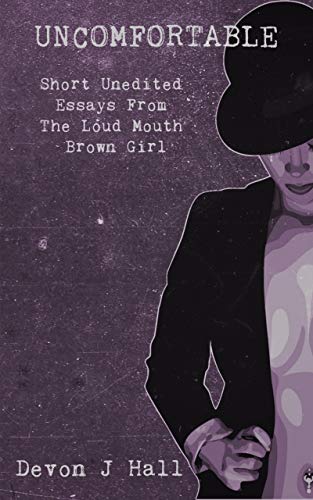
She is the author of Uncomfortable: Short Unedited Essays From The Loud Mouth Brown Girl. It’s a collection of essays written from the perspective of a Canadian Black woman. 

While the essays contain parts of her story, at the core the book is about how she see the world and why she believes her view of the world matters.

Devon’s dream has only ever been to be an author and despite the distractions life threw at her she knew, in her core, that she was always going to be an author.

She takes pride in how raw and rough her writing is. It’s not supposed to be comfortable or easy to read. It’s supposed to make you question the way you see the world and push against how you believe others see the world. 

It’s her in a nutshell, says Devon, and she’s excited to share her journey with you.

Uncomfortable

Uncomfortable reminds you that your life matters, regardless of your skin colour, be even more so if you are a Black woman, man or child because you have been told, for hundreds of years, that your life doesn’t matter. 

For too long, Black children have been told, by those who love them, that they can be anything they want. Simultaneously, they’ve been told they’re not allowed to dream because of the colour of their skin.

Latasha Jimerson said it is like an emotional slap to the face. Kim Rhodes said it was like the exhibits of dead bodies without skin, only for emotions. Descriptions that Devon relishes and hope you will resonate with too.

From time to time, I link to products or services I love using with affiliate links. This means that I may receive a small percentage or fee for referring you to any product you may purchase from one of those sites. It does not cost you anything. These small fees help sustain my small business. I truly appreciate your support.

Episode Transcript

Emma (00:00):

Well, Devon, thank you so much for joining me today. I’m really delighted to have you here. I wonder if we could just start with you telling us a little bit about yourself? Cause I know that you’ve got quite a few strings to your bow. You’ve got a website that you run as well. So you’re not, you’re not just a writer, but you also run the Loud Mouth Brown Girl website as well.

Devon J Hall (00:23):

Loud Mouth Brown girls started because I was on a, I was volunteering at CJSF radio here in Canada and I, they sent me on a work trip and it was my first adult trip and I was really excited to go and I got there and everybody around me was drinking and I don’t drink. And so it was very difficult to kind of make some real connections with people, with folks. And there was a lot of racism in the town that we were in and I had never, like somebody actually came up to me and said, you’re black. I was like, yeah, I know this is not news to me. And so there’s a lot of stuff like that, where it was just over, like somebody broke into my room and there was all kinds of stressors and triggers. And then on my way home, I had a panic attack and I got arrested for having the panic attack and forced to go to the hospital and had to deal with doctors and take a bus home.

Devon J Hall (01:22):

And I came home and I was just angry and I thought the cop called me a loud mouth Brown B. And I remember telling him I was going to make that the most famous brand in the world. And I was so I was so galvanized that I just started writing about everything that had happened on the trip and everything that I had been through. And the more I started writing, the more everything started coming out, the abuses from when I was a child and dealing with an abusive priest and white supremacy and on and on and on. And I realized very quickly that I didn’t just want it to be an anti-rape site. I wanted it to be something that actually helps people and where they could come to it and have it be a resource. And so it’s definitely in the last two years, evolved from just being a blog about my experience to my blog, about my experience as a black woman, living in a country that is just starting to understand that we actually do have a race problem. And that has a huge effect on our mental health as

Emma (02:29):

When I was looking on the website, you are inviting other people to come in. I don’t know if it’s predominantly women, but you’re, you’re looking for submissions from other writers. Is that correct?

Devon J Hall (02:40):

Yes. We’re looking for submissions from other Brown girls and I use the term Brown girl very loosely. If you have Brown hair and you are a loud mouth and you don’t care what people think about you, we want you to submit your work. We want it to be a place where other Brown girls can come and share their experience and their story. And it was always meant to be that it was always meant to be a collective. So now we’re looking for people to come and share about their experiences trying to be a writer or what their experiences are with politics, or maybe it’s about sexual abuse. Maybe it’s about marijuana use, whatever it may be, as long as it’s from your perspective and your voice.

Emma (03:23):

Fantastic. Well, I’ll definitely put a link to that in the show notes for if anyone’s interested in putting in a submission now you’ve, you’ve touched on it before that you’ve experienced a lot of abuse in your life. And I think that’s one of the reasons that you wrote your book called uncomfortable, short unedited essays from the loud mouth Brown girl. And so I just, because it’s a series of essays, I wasn’t sure how you would describe it. Do you feel about it that it is a memoir?

Devon J Hall (03:55):

Oh, I don’t know if it’s a memoir because I don’t go into detail into detail about my abuse stories. And I specifically don’t do that because I don’t want to contribute to what I call trauma porn. But it is definitely about some of the lessons that I learned and the experiences that I’ve had that have brought me to be where I am today. So I stick with just, it’s a book of essays because that’s sort of what fit.

Emma (04:21):

Okay. Okay. So but based based on your life, so maybe some kind of be sort of an creative non-fiction like that’s better. That’s better. So when we’ve spoken before, before we started recording, you mentioned that these stories just sort of came pouring out of you. This was just something that had to be written. And so how did you get started with your writing?

Devon J Hall (04:49):

When I got home from having the panic attack, I could feel another one coming and I knew I was going to have an emotional breakdown, show it to my friend. And I said, give me weed. And she said, you don’t smoke weed. And I said, Nope, I don’t give me weed. And it was specifically because I knew that it was coming in. I needed something to balance me out to help. And I thought about seriously thought about drinking because I was at that point where I was like, I need something to dull the pain. And she said, this is not going to dull the pain. It’s going to force you to deal with it. And as it turns out, they really did. I had a long conversation with my mom. I said, this is what I had been through. And once I was able to say it out loud, there was about a three-day period where she went away and I stirred in my house and I looked around and I said, no, one’s home.

Devon J Hall (05:48):

And I started screaming and I started screaming about all the things that had happened. I mean, how unfair it was and how miserable I was and poor me and on and on it way. And then I heard a voice say, okay, now go write about it. And I sat down and I started writing and everything just came out and it was such a release of emotional baggage that I’d been holding on to. It was like, this is what I needed. This is people say that marijuana is the drug, but for me it’s the writing is the drug. That’s what I need every day. I don’t need marijuana every day anymore, but I do need to be writing every day. And so that’s kind of how it started. I don’t think that I would be writing. I think I’d still be painting. If I hadn’t, if I hadn’t started smoking pot and I don’t recommend it for everybody, it’s certainly not for people under the age of 18. And those with severe mental health issues. It’s just that, that’s what worked for me. It opened the flood Gates.

Emma (06:47):

I’m just trying to think, you know, for our listeners who might be going through something similar or have been through something similar, you know, difficult time in their life, and they’re wanting to write about it. Did you, at that time, when you started writing, did you have any idea of structure at that time or was it literally just an outpouring of whatever came into your mind? You put down on paper?

Devon J Hall (07:09):

I had a little bit of structure. I want to say that it was a complete outpouring. But it mostly, it was, it was, yeah, it was, there was a little bit of like, it has to be an essay format because this is what I’m comfortable writing. It has to be under a certain amount of words cause I don’t want to drone on and on and on. There’s only so much you can say about a specific topic before you start repeating yourself. So there was a little bit of structure, but for the most part, it was just write what you need to write today and see how you feel about it tomorrow. And the more that I wrote, the more I was like, okay, I don’t actually hate the essays I wrote yesterday. I’ll leave them for now. And then before I knew what I was publishing it, and I remember everyone was all excited for me and I was still sitting there going, I’m not quite sure how that happened.

Emma (08:01):

I love it. I really admire that. I think it’s a lot of people are very scared to press publish and we’ll procrastinate a lot and put up a lot of barriers against doing that, you know, for understandable fears. So I love that you kind of just decided, no, I’ve got to do this. This is a came from the hearts and I had to be pre-typed into the world. And and now you’re sharing your story with, or elements of your story with a lot of other people who will need to hear it. And so I really admire that. Thank you. And so when you sat down to write those essays, did you have an objective for each writing session? Was it perhaps write a certain number of words, you know, you’ve mentioned you didn’t want to go too long on each essay or do you find it better to have a set period of time or do you just kind of as the takes you, you just right. For as long

Devon J Hall (08:57):

I just write as amaze takes me, I would love to say that I’m structured and organized and that everything is where it needs to be in my house, but that’s just not the case. I thrive in chaos. When I sit down to write it’s it’s, there is a feeling that comes over you like, you know, this is, this is the one right now, I’m writing an essay about my journey with smoking weed and writing. And I just know that this is going to be in the book because this isn’t a story that I’ve told before and it just feels right. And that’s how, you know, it’s a gut instinct for you. It absolutely is.

Emma (09:36):

And so I was going to ask, you know, what, whether you plots or your pants, if you’re a plotter or a pantser, but it sounds to me like that you’re more of a pan stir that you just go with your guts and whatever comes on the page, you can move it after, after you’ve written it.

Devon J Hall (09:55):

Yeah, absolutely. And it’s, it’s, that’s what makes writing fun is that it’s a bit of an adventure because I never know what’s going to come out. I have a fictional blog that I’m working on as well, and I call it my it’s sort of like my writer’s workbook. This is where you can go to learn about the characters and the backstory. And the hope is that one day that I’ll actually write a book based on this fictional blog. But the idea is that it’s my way of actually plotting the storylines. And so I’m training myself how to be a plotter, but in my non-fiction writing, I’m definitely just like whatever comes in emotional and literal diarrhea of thoughts. And it’s, it’s a beautiful way of seeing how I change my format depending on whether I’m writing fiction or nonfiction.

Emma (10:47):

So I love the idea that you as a way to become a plotter, you’re actually blogging about your, your characters and their backstory. And so do you also are you putting in kind of plot points as well and seeing how people respond to those?

Devon J Hall (11:07):

Yeah. there’s like this whole society of women who rule the world in the shadows, they’re called Creo Hannah. There’s this part where it is. Cause all the blog posts are written from the character’s perspective. So one character, for instance, she’s about ready to become queen of this society. And so she has to go on this trip to all the other tribes and get their approval before she can ascend the throne. And so it’s neat because I’m sitting here and I’m like, that’s interesting. What if some of the characters aren’t happy that other characters are going on the trip and there’s Goya’s, which are outsiders and it’s very gypsy based. And so it’s really allowing me to stretch my muscles when it comes to fiction writing, because I’m starting to see that like this, as the story is unfolding, it’s just coming to a natural head and that’s really cool.

Emma (12:01):

Oh, that’s nice. You can feel that the kind of tension and everything building naturally. Yeah. I like that sounds like a great story. I love the kind of gypsy element, lots of room for sort of color and music and things like that. Lots of sort of texture.

Devon J Hall (12:17):

Yeah. That’s what I love about it. The most, my mom is actually gypsy, and so that’s where the story came from. It’s something I’ve always thought about. I’ve been working on it since I was a kid and now I’m like actually coming together. Wow.

Emma (12:33):

That’s interesting because you mentioned before that she’s from the UK, but no, she she’s in Canada, so she really has gone traveling and not just within Britain, but taking her gypsy, her gypsy need to travel a bit.

Devon J Hall (12:48):

Definitely gypsy. She’s got all the traits. Can’t sit still. She’s very vibrant, loves the colors and the shoes and the blame. Like she’s very, she won’t admit it because a lot of English people don’t want to talk about gypsies, but she’s very much got the gypsy spirit inside of her.

Emma (13:06):

Oh, good. She’s just held onto it. Good for her. Absolutely. now I did want to ask you a little bit about the structure of the story of the book and the different essays. And I wondered how you decided upon that when you were kind of looking at the different essays you had, did you, was there a narrative that you wanted to follow or perhaps there were different kind of topics that you wanted to divide it into. How did you go about organizing the structure of your book? I didn’t

Devon J Hall (13:40):

Absolutely no organizational structure whatsoever. I do with my second book, the one that I’m working on now, there’s definitely in the, you know, uncomfortable, there’s about five pages of helpline phone numbers. And so the second book kind of continues on where that ends and it starts with an essay about why I choose not to commit suicide and why I am choosing to fight with my fight for my life. And that was very intentional because I very much wanted to feel like these two books were connected. This book is going to be a lot more uplifting than the last book, I think, because it’s going to be a lot more about personal power. And so there’ll be a lot more organizational structure to this one. Then there was the last one, but for the first one,

Emma (14:29):

Sorry, I’m just going to ask what was, what would you say you’ve, you’ve said that the second book is more uplifting. It’s about being more empowered. What would you say was kind of the theme or then perhaps the underlying message of the first book of uncomfortable

Devon J Hall (14:45):

Chaos, absolute undilated chaos. And I say that not joking because I was in such a chaotic space when I wrote the book. Artists are like that when we are feeling emotionally unbalanced and we’re creating at the same time, we don’t necessarily know, especially like if you’re a painter or something who, somebody who doesn’t write does not create with words. It’s very abstract. And I think that uncomfortable is very abstract. There’s it kind of jumps all over the place and there’s different topics. It’s not about one specific theme which is kind of cool because most self-help books are, they have a theme and they have a structure, whereas uncomfortable is like, it’s the Devin Hall version of John Malcovich is mine.

Devon J Hall (15:46):

Kim Rhodes compared it to the the body moves exhibit, which is like the dead bodies without the skin. She was like, your book is the psychic equivalent of that. And I went, is that a good thing? She’s like, no, it’s amazing. And I love it. And she was wonderful about it, but I guess only a television demon Slayer could come up with such a comparison.

Emma (16:09):

So I’d like to move on to writers that have inspired you. It sounds like you’ve been writing for a little while now. And so what, what writers have inspired you? Not necessarily to, to write this book of essays, but just generally who have you read that you’ve enjoyed and you thought, yes, I can do that too.

Devon J Hall (16:35):

JD Robb or Nora Roberts is one of my favorite writers of all time. I think that she, she does in her nor Roberts. She writes a lot of trilogies and so everything is love and magic and how you need the power of three and all that kind of stuff. And then as JD Robb, she writes very scientific, very futuristic, very scifi kind of stuff. And so the two, the fact that she writes so differently into different genres and she’s successful at both equally has always made me go, like I could do that. I could, I could write in in more than one John or I don’t have to stick to just met more is I don’t have to stick to just fiction. I can do a little bit of both. Kim Harrison is my favorite of all time. I bow to the altar that is Kim Harrison.

Devon J Hall (17:30):

She writes a series of books and I, for the life of me, I can’t remember it right now, but there it’s about a demon Hunter and ferries and there’s demons and angels and two different kinds of worlds that she’s brought together into one. And she’s just funny and effervescent, I talked to her on Twitter all the time and I swear I feed her ego, but it’s worth it. Josh Weeden, I don’t know if you guys have Buffy out there, but Josh. Yeah, yeah. You wrote a line for angel and it goes live as if the world were what it should be to show what it can be. And the first time I heard those words, I like audibly gasped. And I was like, that’s, that’s what I want people to feel when they read my writing like that, that moment of, Oh my God, that is profound and beautiful and heartbreaking.

Devon J Hall (18:28):

And that whole scene was just, so it was everything that I wanted in a vampire show about a man who loves his son and wants to see his son succeed and be the best of humanity. And it was just like, that’s the kind of writer that I wanted to be. That was the moment that I knew I was going to be a writer because I had to, my goal is to make enough money to meet Josh Sweden and say, thank you, that’s it like, that’s it. I know he’s a white guy and I’m a black chick and we’re supposed to like hate each other or whatever. But when somebody makes you feel a moment of, Oh my God, like, I want to cry just thinking about that scene and all the people that, that came together to make that happen. I want that moment. I want to be standing on my own film set and be like, that’s my character just said that. And somebody is going to hear that and feel that. And yeah, those are my three favorites.

Emma (19:27):

Well that’s, and that’s quite a nice broad spectrum there, no Roberts who kind of writes about love and romance and positive things where all the way through to vampires and the, I love it all. Yeah. now a lot of beginner writers in particular, I think maybe this is something that we all struggle with, but when you’re starting out, it can really, really feel very intense. And it’s that idea of not being good enough. And I’m wondering at the beginning, or even now, perhaps do you ever worry about that? And if you do, you know, how do you find a way to either live with it or push it to one side, those kinds of feelings of insecurity that comparisonitis that we often get, that we’re not good enough to be writing the spirit. We’re not good enough. Or we’ll never be Harrison.

Devon J Hall (20:22):

I hate that mentality and I have divorced it. I think because I’m such a stubborn pain in the butt and because I’m English and Irish and Scottish and Jamaican, and I genuinely believe that because I’m like these cultures are some of the most stubborn cultures on the planet and they’re all a part of who I am. I used to say I was to drink because I’m English, Irish, Scottish, and Jamaican. And now I say I’m born to create, because I come from such amazing cultures that are filled with art and love and philosophy and romance. And I mean, like what’s more romantic than Scotland in the summer, nothing, nothing. And that’s where I come from. I come from those people, right. And my mom she’s, she lives in a wheelchair. And I remember once I won this contest for her, where she got to go pick out a pair of shoes.

Devon J Hall (21:21):

And I remember thinking like those are too high, she’ll never be able to walk in them. And she goes, they don’t have to walk in them. I just have to look pretty because that’s what makes me feel good. Writing makes me feel the way that she feels when she’s dressed up. Right. It makes me feel powerful and secure. And I know that I do it well because I’ve had people say to me, you’re part of my healing journey or your work has really helped me. But more than that, it’s helped me. And it sounds really selfish, but I don’t write for other people. I don’t write because I want to make people feel good about themselves. I write because I need to write to live. That’s how I exist. So the idea of being insecure about, excuse me, about my writing. It just doesn’t occur to me.

Devon J Hall (22:08):

Like it, I don’t care if Josh, we didn’t hate to my writing. He doesn’t have to like it. I like my rate. I’m proud of the content that I put out there because I know where it comes from. I know how much pain I’ve endured to get where I’m getting. So to anybody who sits there and goes, I’m not good enough, or nobody cares. There is somebody in the world that needs your story besides yourself. And I think that’s the thing that we forget. Our experiences are meant to be shared. They’re meant to be passed along to the next generation, the next group of people so that they can say, okay, well, Devin went through this. This is what she learned. That’s what I’m learning from what she’s learned. And you know what I mean? Like we’re supposed to be sharing information with each other to make it easier.

Devon J Hall (22:58):

So I feel like saying the days where I’m like, I’m not good enough, or I’m a hack, which I went through when I wrote uncomfortable. As soon as I published it, I was like, this is terrible. It’s never going to sell. Everyone’s going to hate it. I started crying. I like, I curled in a ball and I was like, I’m such a hack. I’m such a loser. And then three days later I sold 18 copies and I was like, okay, what would have happened if I hadn’t, if I hadn’t tried, I would’ve sold no copies. Right? It’s better to sell one than it is to sell nothing.

Emma (23:33):

I think that’s a really important message for people is that it’s, you’ve got to try, you’ve got to do it and see how it goes and not get to a point where you kick yourself and think, ah, I never even tried. What was, why didn’t I even try it’s because once you do it, it’s, I’m a really big believer that once you write that first draft, it can really change your life. And either you’re going to know that, okay, this isn’t for me, or you’re going to know, I love this writing. I’m passionate about this. It fulfills me in a, in a way that nothing else does. And then you will have the bug and you’ll carry on from there. But I do feel that one of the most important things is just to complete that first draft and give yourself that chance to make a decision from that.

Devon J Hall (24:16):

The thing that I’ve learned, I, for this new book, I started writing it the day after Chadha Bozeman died. And so for black people, that’s kind of like, I don’t want to say he’s like our black Jesus, but he’s pretty close. You know what I mean? Like he, he matters that much to people. And I read over what I was writing last night and I started to cry. And that was the moment where I realized like beyond anything else that I thought I could do this. When I read my own writing and I started to cry, I was like, I was born to be a writer. And I think people think that when you have those moments of, I can’t do this and I sock and it’s terrible and you start crying about it. I feel like people think that’s a bad thing. That’s a great thing because you’re releasing all of that negativity so that you can start making room for the idea that maybe you can do this. You just have to try, like you said,

Emma (25:15):

I love it. I love it. Again, kind of another one of the questions I was gonna ask you, but I think you’ve, you’ve sort of answered. It really is. I’m very much a believer that there is an audience for every story out there. And it sounds like that’s something you feel as well that we have stories to share. And it’s almost our duty to share them.

Devon J Hall (25:35):

It absolutely is. I feel like keeping your story to yourself when you’ve experienced trauma and we’ve all experienced trauma. It, the degree of trauma doesn’t matter. Every human on earth has experienced. Some kind of drama is in a, in a way, very selfish because there is somebody out there that needs to hear your story. Whether it’s the 14 year old kid down the street or the African girl on the other side of the planet, wondering if she’s ever gonna make it as a writer, there’s somebody else there that needs your story. And I don’t think we have the right to keep them to ourselves. I think it’s important that we share them because that’s how this is. That’s how society grows. That’s how we evolve is through the sharing of stories.

Emma (26:18):

Yeah, no, that’s a really lovely way of reframing that. It’s it’s not that you’re being self-indulgent to tell your story is that you’re helping somebody else by telling your story. Absolutely. So you’ve you’ve mentioned that you’re writing another book and so this one is going to be a more uplifting read. You’ve said how far are you along with it now? How’s it coming

Devon J Hall (26:41):

Along? I started, so it’s brand new. It’s brand new. I don’t want to say too much about it, so I don’t know what to say about it yet because it hasn’t, it hasn’t unfolded yet. I haven’t figured out what the story is behind the stories yet. Marriage organically. That’s right. And I wondered if you have any sort of words of advice or something that you would suggest to any, anybody out there who’s thinking about writing their, their memoir about a period that was difficult for them. What would be your words of encouragement to help them get started?

Devon J Hall (27:26):

Woo, easy question, because it’s different for everybody. For me, and again, this goes back to using marijuana medicinally for me, when I first started thinking about writing uncomfortable, one of the other things that I did was I, I, I don’t live too far from Vancouver. I’m about 45 minutes away. And Joyce spent a lot of time just wandering through Vancouver, drinking a lot of Starbucks coffee, probably more than is good for me. And just spending, I spent time just getting to know myself. And so I would go on these dates and I would take myself for coffee and go for gelato and go for lunch. And people might think that that’s not part of the writing process, but it really was very much about spending time getting to know my own mind. I would talk to myself out loud, I’d plug in my headphones and listen to music and have full-blown conversations about the things that I wanted to write, because it was short of my way of bouncing ideas off of my own head and any, you know, what do you think about if I wrote this and what do you think if I wrote about that and just expressing all of the things that I wanted to write about, and it was very much like talking to my very own best friend I recommend doing that.

Devon J Hall (28:45):

I recommend taking herself out on dates, getting to know who you are outside of your husband, your wife, your partner, your kids, your friends, spend time with who you are as an individual, because you can’t write about the hard stuff. Unless you start thinking about all the good stuff that came with the hard stuff. Yeah, it really sucks that I got arrested, but as a result of getting arrested, I started this amazing website. I wrote a book I’m writing a second book, good things have happened on top of that. And that’s made it easier to sit down and write about the tough stuff. That’s lovely advice. Wonderful. I’ve never heard anybody else give that before the idea. Well, I’m crazy. I love it. There’s somebody I follow called Joanna Penn. And I think she would sort of liken that to refilling your crease as well, taking yourself, taking time out, go to a gallery, as

Emma (29:42):

You say, go for coffee, go for walks. Yeah.

Devon J Hall (29:44):

Just spend time getting to know who you are like who is Emma outside of your family and your work and your podcast and everything else. And that’s not something that you have to necessarily share with the world. You can keep that part to yourself, but those moments of spending time alone and getting stoned by the ocean and listening to really great music. Those are the moments. When you look back in a hundred years, you’re going to be like, yeah, I had fun. And, and nobody else like, especially now with the way the technology works, nobody else needs to know that nobody else is on the other side of the phone. You can have those out loud conversations without worrying about other people, judging you or deciding whether or not you’re mentally stable. It doesn’t matter. As long as you’re having a good time getting to know who you are.

Emma (30:37):

That’s so true. It’s so true. Well, listen, tell listeners where they can find you online, where they can connect with you.

Devon J Hall (30:45):

So I’m on Twitter at Devin J hall, and you can find me@loudmouthbrowngirl.com and I’m on Amazon and good reads and Instagram. And I’m all over the place

Emma (30:58):

As Devin G hall as Devin, Jerry Hall. Yeah. Great. Well, I’ll link to those in the show notes. Well, Devin, listen, thanks. So, so, so much for joining me, I find that really really enlightening. And really, even though you’ve been writing about a dark subjects, I found talking to you very uplifting and I love your very positive approach to tackling those difficult times of life, those great areas. So thank you very much.

Devon J Hall (31:25):

Thanks for having me.

 

Contact Devon J Hall

You can contact Devon via linktree: http://linktr.ee/DevonJhall

Her website is https://loudmouthbrowngirl.com/

If you’re interested in submitting your story to Loud Mouth Brown Girl, you can do it HERE. https://loudmouthbrowngirl.com/2020/09/27/submissions-are-open-writerslift-blackwriters/

If you’ve been working on your novel for years (perhaps even decades) the maybe it's time to consider working with a coach.

If you have multiple versions of your novel and you don’t know which works best, are scared nobody will like your book and don't feel like a 'real' writer, then my guess is coaching is the right next step for you.

Find out more and sign up for your free Clarity Call here: https://emmadhesi.com/personal-coaching/


Alliance of Independent Authors

Shortcuts for Writers


Do you feel as if you don’t have the time or the money to invest in editing your novel? I know an online course that can help you to transform your manuscript WITHOUT breaking the bank. It’s called Book Editing Blueprint: A Step-By-Step Plan To Making Your Novels Publishable, and it was created by Stacy Juba of Shortcuts for Writers. 


emma dhesi

Emma Dhesi writes women’s fiction. She began writing seriously while a stay at home mum with 3 pre-school children.

By changing her mindset, being consistent and developing confidence, Emma has gone from having a collection of handwritten notes to a fully written, edited and published novel.

Having experienced first-hand how writing changes lives, Emma now helps beginner writers find the time and confidence to write their first novel.

How to edit your novel with Stacy Juba

How to edit your novel with Stacy Juba

How to edit your novel with Stacy Juba

by Emma Dhesi | Turning Readers Into Writers

This interview was recorded as part of my Author Accelerator season, hosted in my free Facebook Group, Turning Readers Into Writers, in August 2020.

Who is Stacy Juba?

Stacy Juba has written sweet and sassy chick lit novels, mysteries about determined women sleuths, and entertaining books for young adults and children. 

She has had novels ranked as #5 and #11 in the Nook Store and #30 on the Amazon Kindle Paid List. Her books include the Storybook Valley chick lit series and the Hockey Rivals young adult sports novels. 

Stacy is also a freelance developmental editor, online writing instructor, and an award-winning journalist. She is the founder of Shortcuts for Writers, and her signature course, Book Editing Blueprint: A Step-By-Step Plan to Making Your Novels Publishable, empowers fiction writers to think like an editor so they can save time and money. 

She also runs the Shortcuts for Writers: Editing Made Simple group on Facebook.

Early starter

Stacy talks to me about how she got started in the world or publishing and she has her own Cinderella story there.

She won a competition at the age of 16 and had her first novel published. It’s still in print and now has a sequel.

Stacy has written across many genres, including chick lit, YA and Mystery. She’s been very proactive and when she can’t find a story she wants to read, she writes it.

Shortcuts for Writers

Stacy has a website and Facebook group call Shortcuts for Writers. Through her website you’ll find her online programme, Book Editing Blueprint.  

Learn more about the programme and how it can help you get your book into the best shape possible, before you spend money on a professional editor, or send it to an agent.

Listen to the podcast to find out exactly how it can help, and why investing in this one course will save you hundreds later on down the line.

Developmental Editing

When you have gotten as far with your manuscript as you can, then is the time to hire a professional editor.

You can go to somewhere like Reedsy to find an editor, but Stacy also offers an editorial service, and it’s well worth checking out before you look elsewhere.

From time to time, I link to products or services I love using with affiliate links. This means that I may receive a small percentage or fee for referring you to any product you may purchase from one of those sites. It does not cost you anything. These small fees help sustain my small business. I truly appreciate your support.

Find out more

You can learn more about Stacy Juba on Facebook and on her website, Shortcuts For Writers.

If you’re ready to dive straight in, you have access to Stacy’s FREE editing course HERE

Join Stacy’s mailing list and be the first to get her Energize Your Writing Toolkit.

If you’ve been working on your novel for years (perhaps even decades) the maybe it's time to consider working with a coach.

If you have multiple versions of your novel and you don’t know which works best, are scared nobody will like your book and don't feel like a 'real' writer, then my guess is coaching is the right next step for you.

Find out more and sign up for your free Clarity Call here: https://emmadhesi.com/personal-coaching/


Alliance of Independent Authors

Shortcuts for Writers


Do you feel as if you don’t have the time or the money to invest in editing your novel? I know an online course that can help you to transform your manuscript WITHOUT breaking the bank. It’s called Book Editing Blueprint: A Step-By-Step Plan To Making Your Novels Publishable, and it was created by Stacy Juba of Shortcuts for Writers. 


Finish Your Novel

Finish Your Novel

Finish Your Novel

by Emma Dhesi | Turning Readers Into Writers

Finish your novel

If you want to finish your novel, there are three things you need to do. None of it is rocket science, but it does involve consistency and you must honour your creative self.

If you want to finish your novel, you need to do these three things:

1. Figure out why you want to write a novel

Figure out why you want to write a book, and what it means for you to finish your novel.

Is it just a hobby, or do you have a burning desire to see your name in print? 

Do you want to earn an income or win a literary prize?

Once you are clear on why you want to write your book and how important it is to you keep at the forefront of your mind.

On days when you really don’t want to write, or are feeling completely uninspired, it will be imperative to remember why you want to write.

That ‘why’ will give you the strength to dig deep and do the work. It will spur you on even when it’s a drag to take yourself away from friends and family and put words on paper.

But remember, too, what finishing your novel will do for your confidence. Imagine how proud of yourself you’ll be when you type The End.

Even if you never redraft the novel, the very fact you’ve written a full manuscript, from beginning to end, will change you in ways you don’t yet know.

Non-Fiction

The same goes for non-fiction. Why are you writing this book?

Is it because you’ve been through something difficult and you want to help others going through the same situation?

Focus on them when things get tough.

Will your book be a business card for your startup? Will it help you sign new clients? Then keep in mind how much you’ll be able to share with prospective clients with your book.

They will be so impressed with your knowledge and expertise, they won’t be able to help themselves and want to work with you.

It will be worth it for your business to keep going and get to the end. 

Picture it

If you want a visual motivator, why not go to somewhere like canva.com and design your own cover? Here’s a little video to show you how to do it:

2. Find an accountability partner

Some people work best when they know others are relying on them. If you are someone who likes to meet outer expectations then using an accountability partner or NaNoWriMo will work magic for you.

NaNoWriMo is coming up next in November. You can even get ready for it in October, with Preptober! You can find out more details here.

Alternatively, you can go to a website such as CritiqueCircle and find somebody who is writing in the same genre as you, or who is at the same stage in their writing life as you.

That person will not be offering you a critique, but will be reading your work, keeping you motivated and giving you something to strive for.

Don’t underestimate the power of having a buddy who is rooting for you. Equally, you will be their accountability partner and it’s amazing how being the accountability buddy for someone else, will compel you to work harder. It’s a win-win.

3. Schedule your time

This is the tool I come back to time and time again. It’s one of the first things I recommend my students do.

It doesn’t matter how much time you have available to you, or how little time, it’s vital to schedule your writing time otherwise it won’t happen.

I’m guessing you pretty much schedule everything else in your life. Your working hours, your children’s school hours, their playdates, your drinks night with friends, trips to the cinema and even date night.

Your writing time is no different.

When you schedule something into your diary, you are ten times more likely to turn up for yourself and do it. When you see it in your diary, it will bring it top of mind and so you’ll be thinking about your story in between writing.

Does this mean that you have to sit down and write for 40 or 50 minutes at a time?

No, absolutely not. If you only have 20-minutes and a day to write, then that’s the time you use to write.

Do you need a fancy desk to write? No, you can use a table in a cafe, a desk in your local library, the steering wheel of your car or even a hardback book in your bed.

Wherever you choose to write, set your timer and get cracking. You might not feel you’re writing very much, but when you add it up over a month, you’ll be amazed at how much you get written.

If you want help finding time to write, download my free cheat sheet which will give you lots of ideas.

Conclusion

Ultimately, it’s up to you. How much do you want this book written? How long will you let life stand in your way?

It’s hard to write a full length, there’s no doubt about it. But you have it in you. You have the ability. 

You’ve just got to find a way of making it work for you. And if you employ one of or more of the three suggestions above, you’ll have no problems reaching The End. 

When I first started writing I was a stay-at-home mum with three children under the age of 5. I was overwhelmed with postnatal depression and didn’t think I had it in me. 

But, I watched an interview with The Historian author Elizabeth Kostova. She was also a stay-at-home mum with three young children.

Kostova said that with three young children she didn’t have long periods of time in which to write. She had to write what she could, when she could. If she had 10 minutes here, 20 minutes there, she grabbed her opportunity.

That was the lightbulb moment for me. You can only write what you can when you can. Do that on a consistent basis and you will finish your novel. 

What will you do?

If you’ve been working on your novel for years (perhaps even decades) the maybe it's time to consider working with a coach.

If you have multiple versions of your novel and you don’t know which works best, are scared nobody will like your book and don't feel like a 'real' writer, then my guess is coaching is the right next step for you.

Find out more and sign up for your free Clarity Call here: https://emmadhesi.com/personal-coaching/


emma dhesi

Emma Dhesi writes women’s fiction. She began writing seriously while a stay at home mum with 3 pre-school children.

By changing her mindset, being consistent and developing confidence, Emma has gone from having a collection of handwritten notes to a fully written, edited and published novel.

Having experienced first-hand how writing changes lives, Emma now helps beginner writers find the time and confidence to write their first novel.

Alliance of Independent Authors

Shortcuts for Writers


Do you feel as if you don’t have the time or the money to invest in editing your novel? I know an online course that can help you to transform your manuscript WITHOUT breaking the bank. It’s called Book Editing Blueprint: A Step-By-Step Plan To Making Your Novels Publishable, and it was created by Stacy Juba of Shortcuts for Writers.