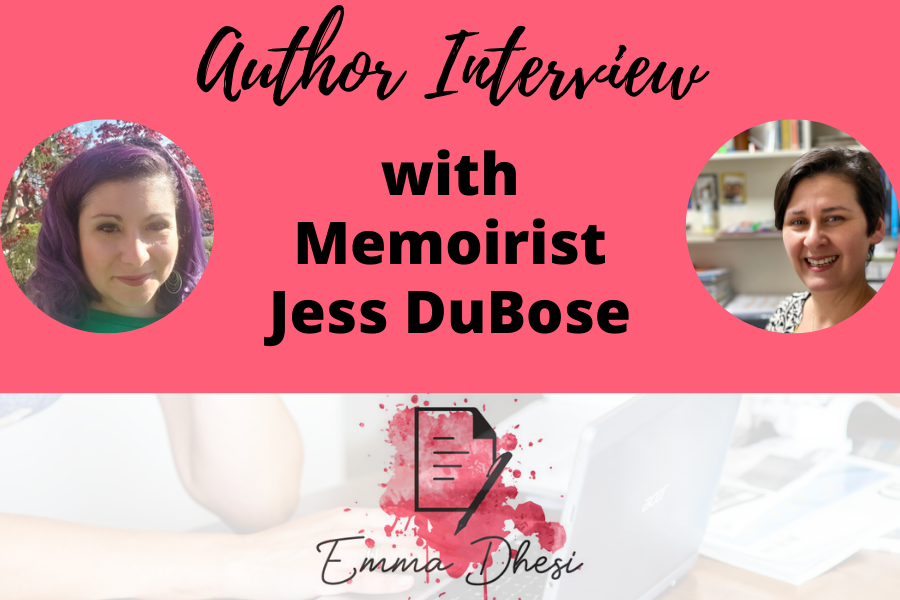
Author Interview, Jess DuBose

Author Interview, Jess DuBose

Author Interview, Jess DuBose

by Emma Dhesi | Turning Readers Into Writers

Author Interview, Jess DuBose

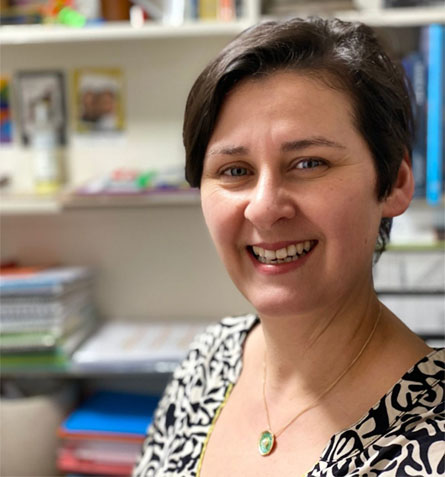
Jess DuBose is an expert space holder. Through her business, Coaching with Jess, she helps women who struggle with relationships to connect deeply with themselves so they can step into their power and stand in the highest versions of themselves.

Jess has helped dozens of women grow in their self-love, understand their worth, create boundaries, hold the vision for their dreams and more.

Jess is a certified Big Leap Coach through the Hendricks Institute. Attending several seminars on relationships, play and self-development have molded Jess’s style of coaching.

She has been influenced by the works of Brené Brown, Glennon Doyle and Preston Smiles (to name a few). Jess is really a personal development “junkie” so feel free to ask her for a book recommendation. She will probably give you three!

Jess is a coach for KaBOOM Coaching where she serves coaches on their journeys to growing their businesses. She also creates personalized meditations and edits content and books for her colleagues.

Jess’s highest value is growth. She strives to grow each day. Above all, Jess emulates love.

From time to time, I link to products or services I love using with affiliate links. This means that I may receive a small percentage or fee for referring you to any product you may purchase from one of those sites. It does not cost you anything. These small fees help sustain my small business. I truly appreciate your support.

Starting out

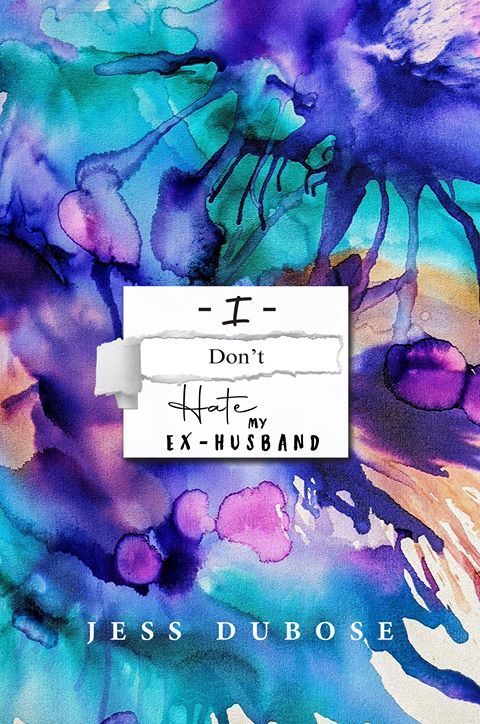
In her first book, Jess shares her incredible journey through the deep pain of her divorce and her ultimate path to self-love. I Don’t Hate My Ex-Husband will guide you toward a deeper level of love from within.

The idea to write about this difficult period first popped into her head about 18 months ago. She mulled over the idea, jotting down stories and memories about her relationship with her ex-husband the subsequent demise of their marriage.

It was a friend who asked if she was every going to write the book and that question prompted her to set a deadline and meet it!

As a new writer Jess didn’t know what she didn’t know but made the decision to write the book, anyway. That decision shifted something inside of her and, as happens when you decide to do something, ‘time expands’.

Despite building and running a business, Jess made room for her writing and used a mixture of typing and dictating the content to ensure she got her words down.

Imposter syndrome

Despite encouragement from her ex-husband and friends, despite writing a lot of blog posts, newsletters and articles, Jess still struggled with imposter syndrome.

Even though she is a coach and has worked hard on her own self-development, she still doubted she had what it took to write a book.

The mantra that got her through that self doubt was ‘This is for me’. Writing the book was for Jess and if anyone else benefitted from it, that was a bonus.

That is such a healthy way to think of your writing journey, whether you write fiction or non-fiction. Knowing that you are writing for yourself first and foremost is a wonderful way to ease the pressure and make the whole process more enjoyable.

And it’s paid off – not only did she finish and publish her book, but at the time of recording our conversation her book was #46 is the Amazon store.

Find out more

If you’re interested in learning more out Jess’s work, you’ll find her on Instagram, Facebook and at her website, www.coachingwithjess.net.
If you’ve been working on your novel for years (perhaps even decades) the maybe it's time to consider working with a coach.

If you have multiple versions of your novel and you don’t know which works best, are scared nobody will like your book and don't feel like a 'real' writer, then my guess is coaching is the right next step for you.

Find out more and sign up for your free Clarity Call here: https://emmadhesi.com/personal-coaching/
 

emma dhesi

Emma Dhesi writes women’s fiction. She began writing seriously while a stay at home mum with 3 pre-school children.

By changing her mindset, being consistent and developing confidence, Emma has gone from having a collection of handwritten notes to a fully written, edited and published novel.

Having experienced first-hand how writing changes lives, Emma now helps beginner writers find the time and confidence to write their first novel.
When should you let others read your work? 

When should you let others read your work? 

When should you let others read your work? 

The answer to when you should let others read your work is as soon as possible. 

The sooner you get a second pair of eyes on your work, the sooner you get over your insecurity and take advice offered. 

When should you let others read your work?

by Emma Dhesi | Turning Readers Into Writers

From time to time, I link to products or services I love using with affiliate links. This means that I may receive a small percentage or fee for referring you to any product you may purchase from one of those sites. It does not cost you anything. These small fees help sustain my small business. I truly appreciate your support.

Why should you let others reach your work?

Believe it or not, feedback from other readers really can increase your confidence.

As new writers, you always think people will focus on what’s wrong with your work in progress. It’s easy to forget there are people out there who will like what you write and want to read more!

Sure, your story might need some improvement, but that’s okay. Whose work doesn’t?

But that’s the very reason you want people to read your work, so they can see it with fresh eyes and make helpful comments so you can ensure your work the best it can be.

When you allow others to read your work it can open a discussion. The discussion may not necessarily be about your piece in particular, but about the writing craft more generally. From that you learn either a fresh perspective or a new way of approaching your craft and thus become a better writer.

By sharing your work you’ll find others who write in the same genre as you, or who have a similar temperament and approach to writing. There’s every chance you’ll find a writing partner, or accountability partner.

Don’t forget, too, that when people read your work, they get to know you. They get to know your writing and, believe it or not, they may even become future readers.

And, as uncomfortable as it may be, if you want to be a published novelist, you have to let people read your books!

It’s scary!

So true, there’s no getting away from it. When you first offer your work out into the world it can be scary. After all, you’re letting people into a world you’ve spent months dreaming about and sculpting out of thin air.

It’s natural to be worried someone will stamp all over it. Some even feel it’s the equivalent of letting somebody into your soul!

But this is a natural insecurity on your part. You’re new to the writing world, you’re new to being critiqued.

It will be scary but with practise and with experience you will overcome this insecurity and learn not to take comments personally but as a way of improving your work in progress.

When should I show my work?

Don’t show your first draft to a third person. I think all authors agree on that.

This is the draft you have spilled your guts into. Anne Lamott doesn’t call it a ‘dirty draft’ for nothing!

Depending on how confident you are, you may choose your second draft to show a reader and get feedback on. Maybe, just maybe.

Certainly by your third draft I recommend you get a new set of eyes on your work. This is when you know your story well, have worked on sentences and paragraphs to a standard you’re happy with, and you should be confident enough to let a trusted reader have a look.

The other reason this is a good time to let someone critique your work is because you don’t want to spend another six months on it only to have somebody at that point tell you the structure isn’t working or that the characters need more depth, or that there are too many characters or even that there are too few characters!

Getting a developmental edit on your novel at this time is hugely valuable, whether that be from your trusted reader or from a professional editor. Only your budget will give you the answer to that.

Understand, though, that the more your work is critiqued, the more confident you’ll become. Not the other way around.

When will you feel confident?

This depends a lot on your personality. If you are a true introvert and shy into the bargain, it may take quite a while for your confidence to grow.

If you’re an introvert who is confident, then it won’t take as long. And if you are an extrovert who is energised by the feedback from others, it will take no time at all!

One way to break this cycle of insecurity is to share your stories with just one trusted beta reader. Once you realise that not all criticism is bad your confidence will grow and you’ll be inclined to share your work more widely.

Equally, you can use websites such as www.critiquematch.com to get feedback.

The benefit of these websites is that you are unlikely to know anybody there and so anything you put out into the world is done anonymously.

You can also try posting on sites such as Inkitt or Wattpad. There you’ll get a feel for what readers like and don’t like about your work without directly asking for a critique.

If you get very few readthroughs, you’ll know you’ve got more work to do. If you get a lot of readthroughs, then you’ll know you’re on the right track.

It’s not personal

Any critique you receive about your work isn’t personal. This is an enormous mindset obstacle to overcome.

Once your brain realises your work is not you, and that any quality criticism is not a criticism of you but given in good faith and with the truest of intentions, you will stop taking it personally and start taking it professionally.

After you make this connection, you’ll be surprised at how quickly you slough off this particular insecurity.

As somebody else once said, it is your choice. You can let fear and insecurity stop you from fulfilling your dreams. Or you can swallow your pride, take the leap and see where it leads you.

If you’ve been working on your novel for years (perhaps even decades) the maybe it's time to consider working with a coach.

If you have multiple versions of your novel and you don’t know which works best, are scared nobody will like your book and don't feel like a 'real' writer, then my guess is coaching is the right next step for you.

Find out more and sign up for your free Clarity Call here: https://emmadhesi.com/personal-coaching/


emma dhesi

Emma Dhesi writes women’s fiction. She began writing seriously while a stay at home mum with 3 pre-school children.

By changing her mindset, being consistent and developing confidence, Emma has gone from having a collection of handwritten notes to a fully written, edited and published novel.

Having experienced first-hand how writing changes lives, Emma now helps beginner writers find the time and confidence to write their first novel.
What does it take to be successful?

What does it take to be successful?

What does success mean to you?

by Emma Dhesi | Turning Readers Into Writers

What does it take to be successful?

Before you ask that question, you must first of all know what success means to you. Is success attending a weekly class in your local area? Is success finishing a first draft and leaving it there?

Or is success drafting and redrafting before either finding an agent or publishing your book?

Once you know what your idea of success is, the next step is to be intentional about your writing.

Comparisonitis

It’s scary when you first start writing. 

You have such high expectations of yourself that really there’s no way you can live up to them in the early stages of your career. You’re setting yourself up for failure.

You are pitting yourself against well-established authors who have been writing for possibly decades. Writers whose books have been edited time and time again before they hit the market.

Remember, too, that agented (is that even a word?!) novelists have to get buy in from their agent before they even start writing a book. Sometimes they need to provide the synopsis for two or three potential books. The agent will then decide which is the most commercially viable, and then the writer will write the book.

You and I do not have the power of an agent to determine what we should write before we write it. You write the stories you enjoy reading. You write what you love. How can you compare yourselves to novelists who have that kind of commercial clout behind them?

You can’t and so you don’t. 

So the first thing you must do if you want to be successful is to stop comparing yourself to your literary heroes. You’ll immediately remove all the pressure. You cannot compete with them.

Not yet, anyway! 

Face your fears

Now you’ve stopped comparing yourself to established authors, it’s time to face your internal fears. Those feelings of vulnerability. The ones that wipe out any faith you once had in yourself.

After all, what’s the worst that can happen? The worst that can happen is you don’t find an agent for this manuscript. The worst that can happen is that you decide not to publish it. Or that you press publish and nobody buys it.

None of these will kill you. You might be a little embarrassed if nobody buys your book (although I doubt that will happen!) But that’s better than being a famous author who gets a bad review in the national press!

But even if all these things do happen, stop seeing it as a negative and reframe it as a positive experience. 

With every manuscript you write, you are improving your craft and setting yourself up for future success.

No more apologies

Before I made the commitment of finishing my first novel I was very apologetic for my writing. Before I’d written my first book I had already told myself I wasn’t good enough, and at the end of my first draft I was convinced it wasn’t very good and I should just start again.

I was embarrassed by what I’d written. I didn’t give myself the chance to to work on the writing or improve it. I squirreled it away and tried to forget about it, as if my thoughts and stories were unworthy.

I encourage you to stop apologizing for your writing. I encourage you to accept that you’re at the start of your journey and there is a lot of fun and a lot of challenges ahead. Just like in your novel!

Stop feeling unworthy because you’re only just starting. You have stories worth telling. Only you can tell them. 

Acknowledge and accept that you are at the beginning of this journey. I am at the beginning of my journey. And what a great place to be! The only way you can go is up, and that is exciting.

You don’t have the pressure of being at the top of the literary ladder and the pressures of staying there. You don’t have the pressure of justifying all the publicity and expense that placed upon you and your book.

By being at this stage in your writing career you have an enormous amount of freedom. You can write what you want and be as playful as you want. Nobody is watching. 


emma dhesi

From time to time, I link to products or services I love using with affiliate links. This means that I may receive a small percentage or fee for referring you to any product you may purchase from one of those sites. It does not cost you anything. These small fees help sustain my small business. I truly appreciate your support.

No more overwhelm

Step up to the plate, face your fears and get your manuscript finished. You won’t regret it, I promise.

There are a lot of moving parts to a novel and it can feel very intimidating trying to put them all together. 

By being organised and intentional with your writing you will reduce all the overwhelm because once they are in place, you will know what needs to be done. You will know what needs to be included in your story.

How do I know this?

I know because I know you are a reader. I know you have read millions of words, possibly thousands of books. For this reason, I know you can write a compelling story.

The difficulty at the moment is, you don’t trust yourself.

Trust yourself

If you want to be successful, you need to trust your instincts and your talent. You must take the next step, and that next step is finishing your manuscript.

You must finish your first, rough, draft. That’s the hardest bit. Once you’ve done that you’re off to the races.

Now you have something to edit. Now you have something to improve. This is where the magic happens. 

So trust yourself and write your first draft.

How do you do that?

Trusting yourself and writing your first draft starts with understanding what it is you are working towards, what success means.

It means being intentional with your time and your creativity.

Not writing as and when the mood takes you, but being organised and happy in your work.

So if you are a plotter, this means plotting out your novel, which might simply be a list of bullet points.

Or you could be at the other end of the spectrum, like P. D. James. Her plots were so detailed, so thorough, that by the time she had finished, she had more or less written the novel. All she had to do was join the dots and make the story cohesive.

If you are a discovery writer, it’s about having a basic idea of your character and a feel for what might happen in the story. Even though you don’t know exactly what will take place you have a rough idea.

Maybe it’s your character you start with. You need to understand that person very well to know how they will react in all the tough situations you put them in.

What about where your story is taking place? Is it a large part of the story and can be described as a character? Or is it very much a backdrop to the story?

By being intentional with all of these elements, you put yourself in a better position for success. 

Conclusion

So think about what success means for you. Think about what you want for your writing, and for yourself.

Why are you writing? Is it a hobby?  Or do you have ambitions for yourself? Do you want to earn an income from your writing?

What will that income do for you? Will it help pay down your mortgage? Will it pay for your holidays? Or maybe you just want to pay down your credit card?

There are a myriad reasons you want to write a book so think about what success means for you and what you need to do to be successful.

Imagine putting all those moving parts into order, reducing your overwhelm and being free to write your book.

How Can I help?

To help put these moving parts into place, I have devised a free checklist for you. It’s super simple and can be used either before you write to ensure you’ve got your ducks in a row. Or, you can use during the editing phase to guarantee you’ve included all the key elements.

Grab your FREE copy below.

If you’ve been working on your novel for years (perhaps even decades) the maybe it's time to consider working with a coach.

If you have multiple versions of your novel and you don’t know which works best, are scared nobody will like your book and don't feel like a 'real' writer, then my guess is coaching is the right next step for you.

Find out more and sign up for your free Clarity Call here: https://emmadhesi.com/personal-coaching/


emma dhesi

Emma Dhesi writes women’s fiction. She began writing seriously while a stay at home mum with 3 pre-school children.

By changing her mindset, being consistent and developing confidence, Emma has gone from having a collection of handwritten notes to a fully written, edited and published novel.

Having experienced first-hand how writing changes lives, Emma now helps beginner writers find the time and confidence to write their first novel.
If you’re ready to upgrade your writing tools, the first place you should look is Scrivener. It is tailor made for long projects in particular.

No matter what you write, Scrivener provides everything you need to start writing and keep writing.

Why Authors Need A Mailing List

Why Authors Need A Mailing List

Do you need a mailing list?

Every author needs to have a mailing list. Fact. 

Even if you’re still writing your first draft, you need one.

Even if you are a debut author, with no published novel, you still need to have a mailing list. 

Perhaps it’s only your mum on the mailing list, or your spouse or your sibling. That’s okay, it’s a start. 

Do you need a mailing list?

by Emma Dhesi | Turning Readers Into Writers

But why do you need a mailing list? 

The first reason for having a mailing list is so you can build a relationship with your readers. But I don’t have any readers, I hear you say. Not yet, you don’t, but one day you will. 

Through your mailing list you will keep your readers up to date with how your draft is coming along. You can inform them on the editing that you’re doing.

Later, if you are indie publishing, you can tease them with cover reveals, snippets from your novel and behind the scenes glimpses into the “exciting” world of being an author. 

Using email is a very personal way of getting in touch. Write to your mailing list as if you are writing to your best friend. Use a conversational tone that makes them feel part of the family and not just a faceless reader. 

It’s this personal touch that encourages readers to reply to your email with encouragement or anecdotes from their own life. For example, if you’re researching WWII, tell your readers. Someone may just respond with a tale about their grandparent that will fit beautifully into your novel.

Ultimately, having a mailing list is a direct way of letting your readers know that your book is available for sale. You can encourage them to purchase it from their preferred retailer, to share it with their friends and leave a review after reading it. 

What about your privacy? 

I know a lot of you will be concerned about maintaining distance from your readers and having a degree of privacy. That’s absolutely fine. There is no need for you to share pictures of your kids or your family holidays or where you live or anything else you deem too close to home. 

What you can share is photographs of your desk, the notes you’ve taken, interesting facts you’ve discovered while researching, inspiring quotes from other authors, books you’ve enjoyed, even times when you’re feeling frustrated and a bit lost with your writing. Readers enjoy these aspects, especially if they are not creatives themselves. 

The life of a writer can seem very glamorous from the outside! 

From time to time, I link to products or services I love using with affiliate links. This means that I may receive a small percentage or fee for referring you to any product you may purchase from one of those sites. It does not cost you anything. These small fees help sustain my small business. I truly appreciate your support.

Where do you start? 

When it comes to building your mailing list I recommend using an email platform such as Mailchimp or Active Campaign. There are others out there, but I know that these two platforms offer free subscriptions in the beginning. 

The next thing you need to do is have something to offer future readers in exchange for their email address. 

Most writers use a short story to do this. You can also use a prologue to your novel, or even create a fun gimmick around your book.

For example, perhaps you have had drawings made up of the characters in your fantasy novel, or even a map. Perhaps you have a love letter somebody wrote before your romance novel begins. Perhaps there was a news clipping that led to a murder in your crime story. 

I use a prologue as my “reader magnet” and send that to anyone who gives me their email address. Not only is it a free way of growing my mailing list but it also gives the reader a taste of my writing style and the type of story I tell. Hopefully, they will enjoy the short story and go on to read the novel.

What do you do with your mailing list? 

I recommend you send a newsletter to your list once a month. This is often enough to remind them you are still there, still scribbling away.

But it’s infrequent enough so as not to intrude upon their mailbox. You know how it feels to receive too many emails in one day so you don’t want to bombard your new subscriber in the early days. 

As you get closer to publication date you can increase the frequency with which you contact your list and tease them about your upcoming release. 

The one thing you do not want to do is email them only when you have something to sell. 

Remember that you are trying to build a relationship with your reader and turn them into a “raving fan”. 

What about other social media? 

In addition to your mailing list I highly recommend you choose one social media platform as a way of connecting with your audience. I predominantly use Facebook and nearly all of my social media is done there. 

Perhaps you prefer Instagram or Twitter? Use either of those platforms to introduce people to your writing and you as a person. 

Don’t try to do too much, stick with one platform for the time being.

Do you need a website? 

The answer to this question is yes. You do need a website. 

But it doesn’t need all the whistles and bells. It can be a simple one page website that contains all the information your readers need. 

For example, a little bit of a bio, a photograph of you, the name of your upcoming book and how they can get in touch with you. 

When your book is published, you can use your website as a way of either redirecting to an online seller or selling your books directly from your website (but that’s not something you need to worry about yet).

Where can I build a website? 

Depending on your level of technical skills, you can either build one yourself using something like WordPress or one of the other providers.

But if you don’t want to have any involvement in the technical side, you can always ask a friend to do it for you (a millennial is always a good bet!) and it can be done easily on websites such as GoDaddy or Wix. They are easy to use and even have templates you can update with your own information. 

You can then leave the page alone and not touch it until you are ready to update it with your first published novel. 

How do I tell people about my website? 

In the early days, before you are ready to invest in any advertising, you can simply put it on your social media bio or at the bottom of your email signature. That way you can let it grow organically.

Having an online presence and a website you can redirect people to is the perfect start and doesn’t involve too much work. 

Still not sure why it’s important? 

Relationships. That is the number one reason you must have an online presence and a mailing list. It doesn’t matter if you are going for a traditional publishing deal, or you want to be an indie author. In both circumstances you want to carve out and nourish an audience. 

For example, if you are writing a non-fiction, how to book, a mailing list demonstrates to an agent or publisher that you have a following. Thi is a big help towards getting that deal. 

If you are a fiction writer, being able to demonstrate you have readers keen to read what you produce is a bonus. It might not guarantee representation, but it won’t do you any harm either. 

Schedule in some time to research a website host. Give yourself an hour to research some website hosts and then another hour to create your page. Remember, it doesn’t need to be complex, it just needs to be one page with your bio, your photograph and an email address.

If you’ve been working on your novel for years (perhaps even decades) the maybe it's time to consider working with a coach.

If you have multiple versions of your novel and you don’t know which works best, are scared nobody will like your book and don't feel like a 'real' writer, then my guess is coaching is the right next step for you.

Find out more and sign up for your free Clarity Call here: https://emmadhesi.com/personal-coaching/


emma dhesi

Emma Dhesi writes women’s fiction. She began writing seriously while a stay at home mum with 3 pre-school children.

By changing her mindset, being consistent and developing confidence, Emma has gone from having a collection of handwritten notes to a fully written, edited and published novel.

Having experienced first-hand how writing changes lives, Emma now helps beginner writers find the time and confidence to write their first novel.
Author Interview, Elisa Menz

Author Interview, Elisa Menz

Author Interview, Elisa Menz

by Emma Dhesi | Turning Readers Into Writers

Author Interview

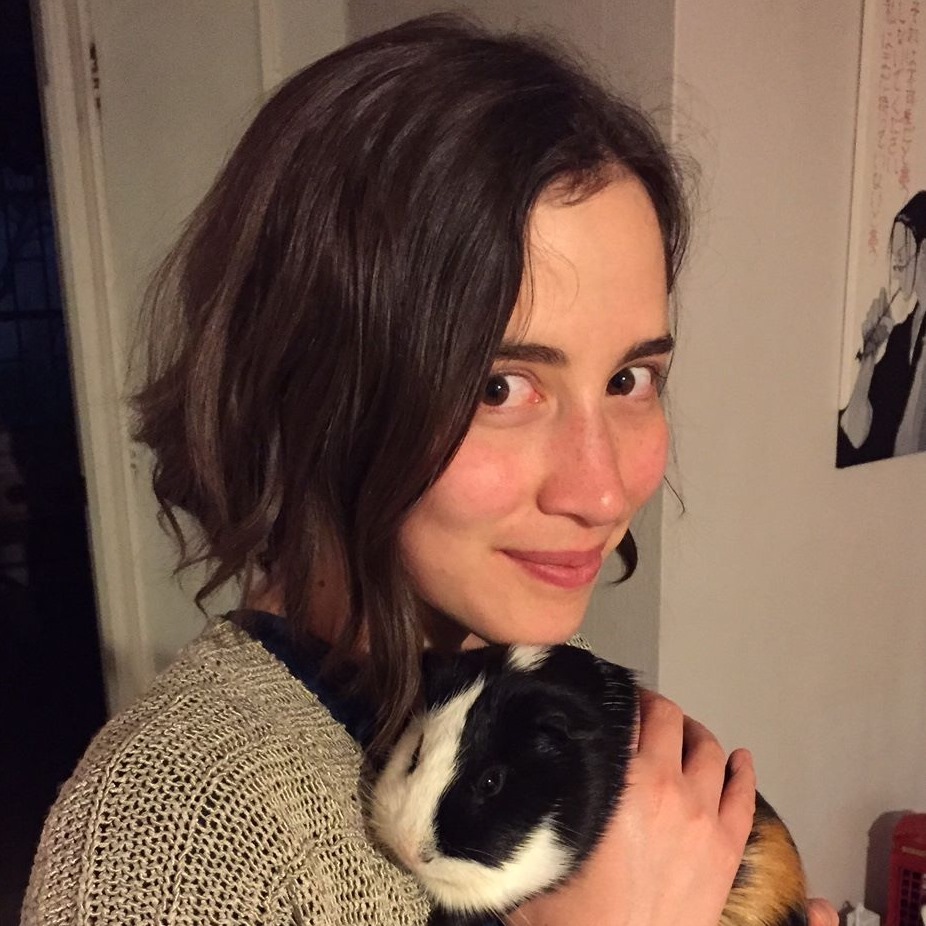
Elisa Menz is a beginner author I met online. She told me she was close to finishing her novel and I thought she would be a marvellous person to chat to because she’s in the same position as many of you – close to finishing your elusive first draft!

She kindly joined me from lockdown in Chile and we chatted about how she got started and why she writes Fantasy. 

Free time isn’t always productive time 

She was very honest and admitted that now she is in lockdown, and has all the time in the world to write; she is far less disciplined than when she has to fit it in around her working life. I think that is something many of us can relate to!

She recommends the website Inkitt if you need to find friendly beta readers. There are readers and writers of all genres and Elisa says it’s been very helpful in boosting her confidence and maintaining momentum.

Writing in a second language 

Elisa also talks about why she choses to write in English and not her native Spanish.

We discuss why resilience is so important for writers. At some stage someone will read your work and not everybody will like it, and that’s okay. It’s your story, you must write it your way.

If you’d like to find out more about Elisa and her work, you’ll find her under the pen name of Mayaserana on Instagram and Inkitt.

Author Intervie Elisa Menz

From time to time, I link to products or services I love using with affiliate links. This means that I may receive a small percentage or fee for referring you to any product you may purchase from one of those sites. It does not cost you anything. These small fees help sustain my small business. I truly appreciate your support.

If you’ve been working on your novel for years (perhaps even decades) the maybe it's time to consider working with a coach.

If you have multiple versions of your novel and you don’t know which works best, are scared nobody will like your book and don't feel like a 'real' writer, then my guess is coaching is the right next step for you.

Find out more and sign up for your free Clarity Call here: https://emmadhesi.com/personal-coaching/


emma dhesi

Emma Dhesi writes women’s fiction. She began writing seriously while a stay at home mum with 3 pre-school children.

By changing her mindset, being consistent and developing confidence, Emma has gone from having a collection of handwritten notes to a fully written, edited and published novel.

Having experienced first-hand how writing changes lives, Emma now helps beginner writers find the time and confidence to write their first novel.