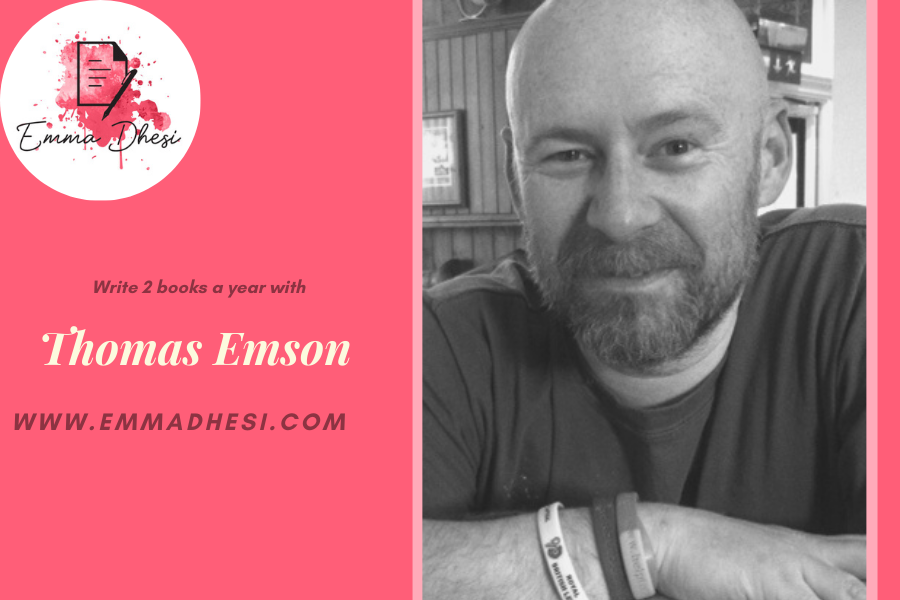
How To Write 2 Books A Year With Thomas Emson

How To Write 2 Books A Year With Thomas Emson

How To Write 2 Books A Year With Thomas Emson

by Emma Dhesi | Turning Readers Into Writers

Interview with Thomas Emson


Emma Dhesi  00:00

Hello, I’m Emma Dhesi and welcome to another episode of turning readers into writers. If you’re brand new here, welcome. And here’s what you need to know. This is a community that believes you are never too old to write your first novel, no matter what you’ve been up to until now, if you’re ready to write your book, I’m ready to help you reach the end, I focus on helping you find the time and confidence to begin your writing journey, as well as the craft and skills you need to finish the book.

Each week I interview debut authors, editors and industry experts to keep you motivated, inspired, and educated on all things writing, editing, and publishing. If you want to catch up, head on over to emmadhesi.com, where you’ll find a wealth of information and tools to help you get started. Before we dive in, and this week’s episode is brought to you by my free cheat sheet 30 Top Tips to find time to write.

In this guide, I give you 30 ways that you can find time to write in the small gaps that appear between the various errands and tasks and responsibilities that you have in your day to day life.

Now, you might be thinking that you don’t have any time to spare, but I can guarantee these top tips will give you writing time you didn’t think you had. If you thought writing always involved a pen and paper or a keyboard. Think again. If you thought you needed at least an hour at a time to write your manuscript. I help you reframe that you won’t be disappointed. Get your free copy of 30 Top Tips to find time to write by going to emmadhesi.com/30 TopTips. Okay, let’s dive in to today’s episode.

A former journalist Thomas Emson has been involved in writing and publishing for nearly 30 years. He worked for local and national newspapers during his career, but 12 years ago took a chance he gave up work and focused on fiction. Since 2008. He has had eight horror novels published by snow books, one of Britain’s leading independent presses, his novels have received widespread praise.

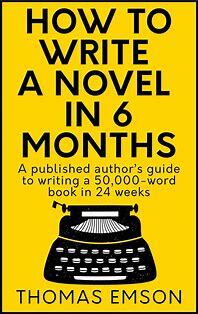
Publishers Weekly said that in Scarlet, Emson fed fresh blood to the vampire genre in this visceral hybrid of plague, panic and the paranormal, which launches a series worth watching,the same magazine set of pariah with discipline to dexterity, amps and volts among three time periods, while presiding over a sizeable and dissimilar cast. All of them integral and none underplayed. Emson has also self published the acclaimed how to write a novel in six months.

Based on the method he used to write two books a year when he was contracted to snore books. So let’s chat to Thomas today about his novels about his horror novels, and how you do write a novel in six months. So let’s find out more about the method he used. Well, Thomas, thank you so so much for joining me today. I’m thrilled to have you on the show. 

Thomas Emson  03:19

Oh, thank you very much for inviting me. It’s, it’s lovely to be here.

Emma Dhesi  03:23

Now, I mentioned in the introduction that you were a journalist by trade. So what attracted you to that particular field of writing in the first place? 

Thomas Emson  03:33

Well, I don’t always so many years ago, I started when I was 21, which is more than 30 years ago now. And I think it was just always something I wanted to do. I had to I’ve been doing a lot of writing as, as a youngster, I used to create little comic books when I was young, mostly football ones and sport ones. So it was it was I think that kind of writing was always something I wanted to do.

And another time I was thinking, Well, I suppose I was thinking how to get into writing and journalism seemed quite sort of an normal and thing to do so. So yeah, so I started on weekly newspapers and moved on to the regional daily papers work mostly on the production side afterwards because one thing about reporting is that you sort of you have to you you deal a lot you have to deal a lot with with sort of writing stories but you know, people but I was more interested in instead of in the words themselves instead of handling other people’s words, really.

So it was going on to do a lot of editing and writing headlines and you know, trimming tightening other people’s work, which really, really helps you with your own writing, because you you can by looking at other people’s work and sort of working on… that copy, you can see then what needs doing to your own copy. So, you know, I thought that certainly did help. And yeah, I spent many years doing that till about 14 years ago when I sort of gave that up full time to focus on writing.

Emma Dhesi  05:29

And so it sounds like I was because I was gonna ask you, what’s one of the things that journalism taught you most about writing generally, but it’s feels that you’ve sort of answered that a bit, it’s looking at…

Thomas Emson  05:40

Yeah, that there are other things as well, you know, it teaches you to be tight, it teaches you to get to the point, okay, which is really important that you get to the point of a story. It teaches you not to waffle, because if you if you’re if you’re if you, if you was a reporter would send a story that waffles on it, you’d get it slashed a bit, you know, by a sub editor. So it teaches you to be to be tight and concise, to get to the point.

It teaches you to write simply, that what you know, which is very important, you know, because the point of writing is communication. If you don’t communicate and get your story across, then you know, you’ve you’ve failed, basically. So it does a lot of things that it teaches you a lot of things and a lot of things it taught me. Yeah.

Emma Dhesi  06:32

I like that point that you’ve made about it teaching you to get to the point and being concise. If you’re like, I was talking to somebody recently about short stories, and I, I have a fear of writing short stories, then you have to be concise, you have to get to the point, you have to choose your words carefully.

Whereas a novel writing like that longer form gives you more space to walk with a bit and take your ticket, take more of a scenic route, perhaps with the story then then journalism or a short story might alone.

Thomas Emson  07:04

I think novels as well, you know, I think you should get to the point with novels, because yes, you can spend more time you can spend more time on character on plot, but if what you’re writing is not relevant to what to the plot itself, then you know, it, it shouldn’t be in there. So that that’s my view anyway.

And, you know, journalism again, did that to me, you know, that taught me that? You know, if it’s not relevant, cut it out, you know? So, so yeah, I mean, I understand what you’re saying. And of course, you do have a little bit more space in a novel.

Sure. But I think it applies. I think there’s a great, there’s a guy I don’t know, who said it’s not me, but it’s a little thing that those you know, know the chase and cut to it.

Emma Dhesi  07:55

Oh, I heard that before. I know the chase…

Thomas Emson  07:58

It’s not mine. It’s not mine. I read it somewhere. So yeah, know the chase and cut to it. And that’s, that’s good. That’s a great way of, you know, sort of, if you apply that to your stories, you know….

Emma Dhesi  08:08

I like that. Now, whilst you were doing the, your journalism whilst you were having that career, where you also writing fiction on the side, and what made you decide to make that transition into into fiction, rather than not? 

Thomas Emson  08:24

Yeah, Yes, I was. I mean, I started, you know, as I said, when I was a kid, I was sort of writing little stories or comic books and things. And I really, I really did want to write, but it was kind of, you know, you kind of didn’t know how to go about it, and where to send the for what to do. I started as a student, I was student of writing place and things like this, and trying to write place and trying to write little stories.

Try and write horror, at that time as well. But you know, it so I was always always writing really, and but yes, as I was when I was a journalist, I was writing and sort of, you know, published initially then as well. So definitely, it’s just been something I’ve always done, to be honest.

Emma Dhesi  09:18

So a question I get a lot from people are one of the things that my audience tell me that they struggle with the most is finding that time to write their fiction in and around their day job, their family, all the other things that go on. I’m pretty sure as a journalist, your hours were fairly erratic, you went where the story was, you had to stay if there was a deadline, that kind of thing. So how did you manage that? That that sort of practical element of doing the pay job but then making time for the writing that you loved, the passion? 

Thomas Emson  09:50

I, when, when I was sort of properly starting to write I would I tended My my day job, the journalism was not a day job, I, it was more of an evening job. So I didn’t start till the afternoon. And, and finished later. So I would write in the morning when I was at home. Also, I worked in Newcastle for a while on a on the journal newspaper up there, and I was working there from 6pm till 2am in the morning, very late, shift the production shift. So I would then get home and I would write until about five or 6am. And then I hope go to sleep. So, so you know, you kind of you try and fit it in and find the time.

And if you even if you even have half an hour, you know, you, I’m sure people could find half an hour in their day to do something. But I think I think we probably going to talk about this later on sort of how to sort of be attempt to be more productive and hit goals and things. But definitely, you know, people can you can find the time you you know, in your lunch break. You know, if you really want to do it, you’ll you’ll find the time to do it, I think
Write a novel in 6 months with Thomas Emson

Emma Dhesi  11:15

Yeah, yeah, it sounds it’s nice to hear you sort of say that because you were your working hours weren’t the traditional 9 to 5. And I think that’s encouraging for other people who maybe do shift work could do those unusual hours. That again, it’s just about adjusting your time to fit your needs. And you can do before or after, or even as you say, you know, find that 20, 25 minutes in your lunch hour to… absolutely, something done.

Now, I’m going to change tack just a little bit because you you write horror stories. And I wonder what it is that you love about that particular genre?

Thomas Emson  11:54

Well, I think I think that harks back to childhood as well. You know, we all love being scared, don’t we, you know, in the safety of our own homes. And I think that’s where horror comes from i think it’s it’s it’s allowing us to feel that terror but in a safe kind of environment. I’ve always loved horror. When I was when I was young. I was reading Stephen King, James Herbert’s, Clive Barker, I love you know, also liked horror films a lot.

My, my, my books are quite visual and move quite quickly. So you know, the film influence comes in there. So yeah, I just always loved it really and and it seemed to me the most natural thing to write so so I did write horror I I’m sort of the I that I like thrillers and mysteries as well, which is probably all wrapped up in horror, really. So so you know that there has been some writing in those genres, too.

But yeah, horror, horror is, you know, horror is kind of the the genre I enjoy, I enjoy writing is kind of fun. And I think it sort of just helps you get things out, really, you know, the sort of things that go on in your head. So I think, I think is very helpful in that regard. Yeah.

Emma Dhesi  13:23

So do you think it takes a particular type of brain perhaps that kind of plugs into that darker side of our imagination? And… 

Thomas Emson  13:34

I think we all have, you know, horror, horror, you know, if we’re talking about it in a series where I think, you know, we all have, we all have sort of, you know, moments, darker moments, and, and I think that, that, expressing those feelings, expressing those emotions are important. You don’t want to bottle them up. So I think writing generally does help in that regard.

And particularly a horror, I think, you know, me Stephen King writes horror, based on his, what he calls the 10 bears, which are his greatest fears, you know, and I do the same I, you know, I think we all horror writers, you know, whatever level we’re at, or whatever success we’ve had, I think, I think it all comes from there from our own fears. And, you know, I do find myself sort of writing about, you know, my fears, so, and I think they can help deal with these things.

And I think it’s very therapeutic. Really.

Emma Dhesi  14:38

Yeah, definitely. I I agree with that. I write in a very different genre. I write women’s contemporary fiction. And, and I’ve noticed I was talking to someone the other day, and I realized I’d no longer journal as much as I did, because a lot of banks and things are going on in the back of my brain, come out in those drafts. Yeah.

Be quite interesting to observe that you Now you’ve mentioned some of the kind of classic horror novelists that we all know like Stephen King, but I wonder if you’ve come across any newer writers and in the genre that you think it might be worth our listeners checking out?

Thomas Emson  15:14

Well, you know, I stick I stick with the with the with the old school of horror, really. I mean, it’s kind of you know, I still I I like, I like Stephen King. I like James Herbert’s, Jack Ketchum, I like his American author. I like him. There’s, you know, the horror is kind of, it’s been, it is Niche. It’s very, it’s a very niche genre. And there’s a lot I think, of, sort of small independent publishers publishing horror these days.

And if you, you know, if you’re looking for it, there’s there’s a lot out there. But yeah, I stick to the kind of the, the old sort of the old school horror, really, that’s, that’s what I like, that’s what I enjoy. I really like Clive Barker. Clive Barker, I think is incredible. Not just as a horror author, but as a, as a creative generally, is somebody with a, you know, with an incredible imagination. So, yeah, that’s, that’s where I, that’s where I go, I’m afraid.

So I can’t read I can’t make any recommendations, I fear. Unless you get all go back to the, you know, to start with Clive Barker, again, to start with Stephen King, you know, people who haven’t read the early books, certainly, you know, she go back to them, you know, Okay, great, great.

Emma Dhesi  16:41

Well, I’ll link to those in the show notes. So people can go and check them out for themselves, you. Now, one of the reasons I was very keen to chat to you is I’m always looking to be more productive in my writing. And you have written a book called How to write a novel in six months.

And you’ve said that this is the method that you used when you were writing two books a year. So as I got to talk to the sky, then must find out what the what the method is. So I wonder if you wouldn’t mind sort of talking us through the basics of this method. And so that we so that listeners can get a feel for it before they go and read the book. 

Thomas Emson  17:20

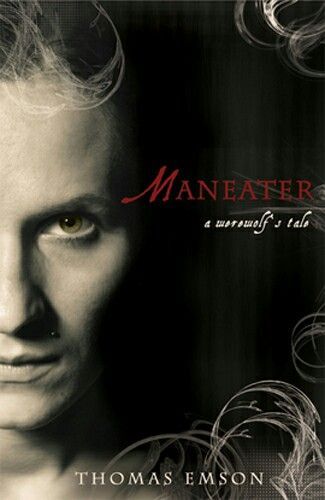
Sure. Yeah. Well, it was the book came out of it was a case of needs must, really the whole thing. Because I wrote my first novel Maneater, which is a werewolf novel, in 2006, published 2008. And then I signed the contract we publisher called snow books, and I agreed naively to write two books a year, which I thought, you know, is very exciting.

So I thought, yeah, I’ll do that. And then I was writing a second book. And sort of, I was in into it, and just writing it and I thought, I’m just never going to do this, this just is not going to work. So I just thought, how, how am I going to do it? How am I going to do it? So I just came up with this process of writing. And I, that’s what I used to write all my books for snow books, and the contract, which was two books a year for 4 or 5 years, three books one year, I wrote three books in one year.

So what it is basically is it’s, you know, you write a book in six months, right? You write it in six months. So that’s those six months have broken down, and you’ve got it, you know, you’ve got to, you’ve got to have goals, you’ve got to stick to them. You know, again, you know, no, the chasen cut to it kind of thing. Okay. So, um, the, it starts with the first draft, obviously, and the first draft, I encourage people, and I do it myself, I just, I have an outline, which which I spend about two weeks doing, then I start on a first draft, and I just plow through it.

I just really I do not stop to make corrections. I don’t stop to check spellings. I don’t if there’s something there’s some kind of research I need to do, I’ll just pull need to check this out. I just write and write and write and I, I usually have like 70 to 80,000 word draft in in 8 to 10 weeks. I just plow but how I do that. The goal setting is I think is the kind of the, the engine that drives it.

And how I set goals is I set weekly word targets for myself. Not that you want I think Yeah, well, you know what I think it goes back again to the you know, full time job stuff and you know, full time life, right? And all the kind of advice you get, and I tried this myself all the advice you get is all you got right? Every day you got right every day.

Okay? So you know, so imagine, okay, you’re, you’re starting right? And you say, right, I’m gonna write a novel, I’m gonna write 1000 words every day. So Monday, you get there, and you write, why write 1000 words, great. Tuesday comes along, right? And just life gets in the way. You’re somebody’s deal, or, you know, you’ve got to take the dog to the back toy, you know, you’ve got to, you know, somebody’s work has been a pain, and then you miss that day of work, you missed those 1000 words, and you and psychologically, you just go, you know, what?

I miss a day, that’s pointless, right? And then it’s so hard to get back into it. And I did that myself, you know, missed a day or two of my supposedly right everyday routine. And it was kind of golf start again now. So I thought like it, just it, that’s just, it’s not practical. When you’re trying to work full time, lead a life, you can’t do it. So I thought write weekly goals, right.

So I set weekly goals, my weekly goals on first draft is between 8 and 10,000 words, you can set any goal really want. But because I I needed to finish the novel in in kind of six months, I need that draft done in about 8 to 10. So it was it was it had to be like eight to 10,000 words. So it with, with weekly goals, it doesn’t matter if you miss 1 day or 2, it doesn’t matter if you have to take the dog to the vet, or you know, the the baby sick or you know, you have to take shopping to your mother in law, you know, it doesn’t, during COVID You know, it doesn’t, it doesn’t matter if you miss a day or 2 days.

You can so long as you hit your goal in those seven days. That’s it, it’s fine. You know, and I’ve done it I’ve, there’s, if you see the book, if you read the book, I use this grid, right, where I track the words every every day, I track away. And so and there are examples of the grids I’ve used for some of my novels in the book. And you’ll see, you’ll see some days with lines through them where I didn’t write, but you see, like, you know, some some weeks, I might work just 3 days, but I still hit the word goal.

And so psychologically, that keeps you going forward, that keeps you going forward. Yeah, you don’t think I missed the day, I missed my writing, I wanted that my everyday writing has gone to pot, you know, so it keeps you going psychologically. So weekly word goals, that was the, that was the kind of little that was the crux of everything. And then it all kind of worked itself out, you know, out from out from there from that center point.

And after that, I use like that crack that I cracked it just with that little, little nugget really, so we could work goals.

From time to time, I link to products or services I love using with affiliate links. This means that I may receive a small percentage or fee for referring you to any product you may purchase from one of those sites. It does not cost you anything. These small fees help sustain my small business. I truly appreciate your support.

Emma Dhesi  23:31

No, I like that. It’s certainly something I agree with that you don’t need to write every day I feel the key is consistency as you do you do need to write regularly. And I like this with your weekly goal. That means that although you don’t need to write every day, you do need to write regularly to keep on top or weekly goal and, and that could That’s enough, that’s all you need to do is just be regularly consistent.

Thomas Emson  23:54

I mean, you could you know, if you don’t like we could go set monthly goals. I mean, you know, just just so long as in that period of time that you hit your goal that that’s you know if that’s that’s the only thing that’s important you know, so I mean we could goals, you know, fortnightly goals monthly just you set the amount of words or pages that you intend to do in that time.

And you know, I mean I have there are examples on on my grids, which are in the book, I’ve hit my weekly word goals and then during the week when I’ve gone on holiday away on holiday, so there’s the whole block of the week apart from like two days mark holiday, but in those two days, I did hit the the word count that I had to do because I thought it did. I’ve got these days to do it.

You know, and it just that work for me that Weekly Work goals and from you know, from reviews and from people I speak to, you know, who’ve read the book, it seems to work for them as well, you know, so, you know, you know, I, that’s, that’s how I work still.

Emma Dhesi  25:15

And so you get your first draft time? and what happens after that?

Thomas Emson  25:20

First draft is done very quickly, as I said, in I’m a bit, I’m a bit sort of weird about these things. So I do it in Arial Arial font, right? So, and then it’s all it’s a mess, right to mess. And then I got back on screen and second draft. It’s, it’s on screen, and I start going through it and tidying it up, tightening it, chiseling it away.

And then when I’ve done a section, I change it to Times New Roman. So it starts to look, yeah, it’s against, you know, just the thing I do. That’s not you know, that’s not a tip. That’s just, that’s just something I do. 

Emma Dhesi  26:05

Oh that’s great. Because then you you know where you’re up to, you can see clearly where you’ve gotten your editing up to where you’re happy with so far.

Thomas Emson  26:12

Yeah, yeah. So it’s, it looks cleaner, you know, that’s just me. So that’s what I saw. I go through the whole, the whole manuscript doing that. And that will usually take you know, two or three weeks, four weeks. No, no, see, ya know, more obviously, yes, it takes more than that. It takes about six weeks. Yeah. I think yeah. So yeah, about six, seven weeks. So I just clean it up, and then then I will print it off.

And then I’ll read it and prove it and correct so, you know, Scrabble again, and it goes through another change then. And so when I was writing, like 2 books, see, I, I only really had the, I could only sort of have about, you know, three, four drafts. But you know, because I was up against a deadline, but that’s okay. I you know, I mean, deadlines.

I love deadlines anyway, because I’ve lived with them for all my working life anyway. So deadlines are great for me, I’m happy with them. So you know, that again, pushes me forward. So, so yeah, so so then I go through it again, and you know, correct it. And then sort of until you know, it’s just a process then of going through and through and through and then until it till you’re happy with it.

You know, you can never say until it’s ready. I’m sure you know that. You know, because oh, you just go on and on and on when you but until you’re you know, you think yeah, this is this is ready to go all this is done happy with this. Yeah. But yeah, so that’s the process, really, you know.

Emma Dhesi  27:47

I like it, I like it. I wonder if I can just take you right back to the beginning of that process and ask him about the plotting.

Thomas Emson  27:54

Oh, yeah. Okay, sure.

Emma Dhesi  27:54

How, You said that takes you about two weeks, I’m wondering, for your own process for your own your own writing? Are you very detailed in your plots? Or do you have a kind of just a maybe some bullet points or an overarching plot? Or do you go down into detail, but with each chapter and what’s going to be in each chapter?

Thomas Emson  28:13

So yeah, so I spend about two weeks trying to come up with an outline, and I write my books in scenes. So all my all my chapters are very short. So so my novels usually have between like 60 and 80 scenes, which, which eventually, you know, when it works out, but 100 chapters, but anyway, yes, so it’s not, it’s not hugely detailed. It’s, it’s, you know, two or three sentences per per scene, really.

And obviously, there are scenes so they’re self contained actions. As opposed to chap, the the traditional chapter where there’s a few scenes that make it up, but yeah, so it’s so. So yeah, two or three, two or three sentences, just a rough idea I start off with, I start off with plot points. So I’ll start off with what the what the opening images, what the end is, and then with the sort of the first back switch first perhaps, you know, a turning point, a mid point, and sort of a second act turning point.

So I’ll know those and then I’ll sort of, you know, are they in, seems to build up to those. So it’s quite tight, tightly structured, I mean, you know, I’m, I quite like structure and shape to the story. But then once I saw I’ll have the, the, I’ll have the sort of outlines.

There are examples of some of my outlines in the book and how to write a novel in six months as well. Couple of outline examples. And then, so I so then, I’ll have The outline and then I’ll start writing my first draft. I often, you know, often the case is that I will veer away from the outline, and that’s fine. That’s okay. You know,

Emma Dhesi  30:12

Are you trying to come back to it, are you happy to let the story go and see where it? 

Thomas Emson  30:17

Yeah, I mean, if I mean, I usually sort of get to the end, because my ending is quite clear, sometimes I’m pretty clear on how I want to end, sometimes not always, but I’m pretty clear on sort of the kind of ending I want. And my books never ended cleanly, you know?

So, so I would, you know, it’s like, having been going on a journey, isn’t it, and you, you know, your destination, and you have, you know, you have Google Maps telling you how to get there, but, but you might take a side road, you know, but you know, as long as you kind of get there, so it’s kind of, it’s kind of like that, so I don’t really mind, you know, veering away from the from the outline, it’s, it’s like a little it’s a little map, isn’t it a little map to get you there in the end?

That’s how I, you know, do it, but it’s, they don’t, it doesn’t. It’s not, it’s not a completely different book, by the time I finished, but it you know, it can change and, you know, I let characters do what they want, you know?

Emma Dhesi  31:27

And if you always be happy to do that, or is that freedom with your storytelling comes from experience and knowing and knowing how you work? Because I think some new writers get caught up in having their plotline and sticking to it and fearing that if they if they follow their instinct, they might end up who knows where, so is that ever been for you? has experienced taught you just to trust your instincts with this?
book cover

Thomas Emson  31:56

Yeah, just just Yes, I think so. Yes. Because you’re going to get somewhere in the end, you know, and the thing is, anyway, if if you do completely go off track and start writing, and your story goes on a completely different route? Well, that’s fine, isn’t it? You know, just keep going with it. Because no one’s going to see it until you decide it’s ready for somebody to see.

So you know, no one’s gonna criticize you for doing that until you decided, you know, here it is, take it away, criticize it. So you know, just just, just just go with it. Really? I mean, I would kind of, I think, I think it’s, I think it’s a good idea to kind of know where you want to end, vaguely kind of a, you know, I think you know, and I think that’s why that’s why structure is is important to me, especially, you know, beginning, middle, end, I think that that’s kind of, I like to have an idea of beginning, middle and end, but you also did within those parameters. I mean, you know, you can go anywhere and do whatever you want.

And if you don’t end up there, well, you know, just Okay, so that’s your first draft. So just go just second draft, then it just, it’s just don’t panic, isn’t it?

Emma Dhesi  33:22

Yes. Don’t panic. Now, you mentioned there that for most of your stories, you knew what the ending is going to be? You know, where your end point is, when you get there? Yeah. So do you think that’s one of the one of the ways to make sure that a writer finishes their novel? Is that one of the…?

Thomas Emson  33:41

Yeah, I think so. You know, I know a lot of people are a seat of their pants writers. And I’ve done that myself. I’ve written without having a clue where I’m going. I know that Stephen King by select that, you know, a lot of people write like that. And that’s fine. That’s great. You know, and it does work. But I think if you, I think if you’re starting out.

And, you know, even for those of us who’ve done it a few times, you know, I think it just feels it’s a bit of a safety net, you know, it’s just a safety net. And it does drive you forward. Because you because what can happen. I know that this can happen if you’re, if you haven’t maybe written a novel before and you’re doing seat of your pants, is that you will, you might hit wall and you don’t know how to break through it.

And you might just give up. But if you’ve got that out la, well, you kind of know what the next scene is. So even if, if you’re stuttering with one scene, you think this isn’t working? Well, you can always move on to the next one, you know and see how it kind of moves along. So So I think, you know, I’m not gonna say I, I definitely recommend it because people have got to find their own way.

But, you know, I, I think that having outlines is is, is certainly helpful and helpful, especially if you if you’re kind of newish new right to kind of thing you know, I think it helps. 

Emma Dhesi  35:22

Yeah, I certainly wrote my first book with no plot, no plan whatsoever. And I did exactly as you described, I went down some side tracks, and I had to then just go back to back right back. four chapters, and then Okay, start again.

Thomas Emson  35:39

I think outlines just just save you time. Especially, I mean, if you, especially, you know, because I have to write two books a year, you know, I had to find, find ways to save time and having having outlines. You know, it helps. for sure.

Emma Dhesi  35:58

I’m slowly moving towards them, I see the benefit of them. I’m just trying to find the right way of doing it for me. So it’s Yeah, an error at the moments. 

Thomas Emson  36:06

Exactly. I mean, that you know, that there are different ways of doing outlines as well aren’t that, you know, I mean, you could just have, I mean, you could just have vague ideas of what you want in each part of the book, or you can have detail chapter breakdowns, you know, so I mean, yes, finding a way of doing it, I just just scribble, scribble a few sentences is what I do, that’s what I do.

And that gives me, that gives me both that kind of structure that I need. And also it gives gives me the lead way to divert if I need to, because it’s not such a strict breakdown of what’s going on. So you know, it sort of kind of a middle ground reality. Yeah.

Emma Dhesi  36:59

I love that. So just to recap for our listeners, give yourself a plot or an outline something that’s got some structure to it to keep you on the straight and narrow, so you don’t go too far wrong. Then get that dirty first draft down, as it’s sometimes called… 

Thomas Emson  37:15

the first draft. That’s important. Yeah, yeah. Yeah.

Emma Dhesi  37:17

And from there, you’ve got, you can do your revisions and your edits from there until you are ready to show somebody somebody the story.

Support The Show

If you enjoy the Turning Readers Into Writers podcast, you can now support my time in producing the show with Patreon.

If you find that the podcast adds value and you’d like to help support the show, please consider supporting me on Patreon for $3.00 per month and you’ll get bonus podcast content, as well as a personalised thank you from me, and a shout out on the show.

Thomas Emson  37:25

Yeah. Yeah, it’s, you know, the thing is, it’s better to have, it’s better to have a crap first draft and no first draft at all. 

Emma Dhesi  37:34

Exactly. I couldn’t agree more. Yeah. And even with a crappy first draft, there’s still an element of I think writers should still feel an element of what’s the word? I’m looking for achievement from that, because you’ve created something out of nothing, even if it’s not brilliant? Absolutely, yeah.

This world in the story and these characters, and that’s, that’s not to be sniffed out at all? 

Thomas Emson  37:58

No, it’s like, it’s like having a piece of marble, isn’t it? And then you start chiseling it. And it takes shape. You know, that’s what it is, or just any, any old piece of clay and you start to shape it, that’s what it is, you know, I mean, just think of it as just a piece of clay and then you start shaping it. So you know, yeah. 

Emma Dhesi  38:16

It’s nice, a nice analogy there. And so in your experience of working with, with writers, new writers, what are some of the one or two of the sort of bigger mistakes that you see?

See them make, we’ve mentioned not having a structure and not having an outline, I wonder if there’s one or two other things that you could suggest to our listeners that they might want to consider?

Thomas Emson  38:39

One of the things I see is over writing, and the need to the need to show off how you know that they’re writing. Just let just tell the story, and let the characters speak. Don’t nobody, you know, nobody really cares what you think. We just want to hear what the story is and what the characters think, you know. 

Emma Dhesi  39:08

That’s funny. I used to be I used to act and one of my directors used to see that all the time as well. And it’s don’t overwrite don’t over act. Just Yeah, the story is what you’d see just…

Thomas Emson  39:21

Read the line… Elmore Leonard says you know if I if I, if I see writing I rewrite it.

Emma Dhesi  39:32

Okay, I think I get that 

Thomas Emson  39:34

I know. Yeah, well what he means is obviously if if if there’s too much you know, if it purple prose and you know, sort of just this need to kind of just this need to show off you know, just this need to kind of look how clever I am, you know, just just tell the story straight and that there is a lot of this and also another thing is that one thing I see is the first session So the first bit of a story, you know, you can from stories I’ve seen from new writers who you know, did teach, teach some, a little bit of creative writing.

So what I see often is that you could cut out half the first page, you know, just just doesn’t necessary just again, you know, cut to the chase, you know, just cut to the chase, get into the story, you know, don’t, I always like to drop readers right into the middle of the story, drop them in, you know, and then they’re, then they’re there, you know, don’t kind of, you know, don’t sort of wave at them from a distance and say,

Come here, because they might get bored by the time they get to you, you know, just drop them in, you know, so I see that a lot, that people are totally unsure about how to start. And that’s hard, isn’t it? Right, in those first words, again, you know, the first draft, just put anything down, but that those first words are so hard. And then you end up, then you can end up sort of just waffling on and describing, you know, describing the weather and describing all kinds of things.

You know, don’t, don’t, don’t tell me about the weather, you know, just get into the story. You know, that’s…

Emma Dhesi  40:44

Do you think, though, that sometimes, as writers, we need to do that, we need to get that description down. We need it because we’re trying to ground ourselves in the story. And so…

Thomas Emson  41:37

I think that, yes, that’s right, I think that’s good to do it in the first draft, isn’t it, that’s where you do it, just do it there. And then, then you you get a feel of what you’re doing, then you get a feel of where you are. And then you realize, then you know, that you don’t need as much as your you’ve actually written, you know, you can always pare it back at you.

And, you know, you have to be, I think, I think, I think new writers who are not critical enough of their own writing, you know, they write something and they look at it, and they think it’s, it’s all neat and beautiful, you know, but what you need to do you need to get in there with, you know, with scissors and blades and start hacking away at it.

You know, that’s what you need to do. 

Emma Dhesi  42:25

And that skill that comes with time being able to do that. Top skin. Yeah.

Thomas Emson  42:28

Well, yeah, that I think that does. I think that, you know, I find that with with students, and you know, that they are so reluctant to touch even first drafts that they do you know, that they’re there, they’re sort of concerned about, they think that they’ve created this thing that they love so much, you know, but you know, what, what piece of advice, you know, kill your darlings.

You know, that’s, that’s another piece of writing advice, you know, these little, you know, aphorisms are great, you know, and they are helpful, but you know, so you’ve got to just you look at it, and you think that’s just not good enough, you know, just dive in there and start hacking and just, you know, make it good, you know, make it good.

You know, luckily, you know, but learning Yeah, you’re right, learning that learning to be critical of your own work is hard. It’s hard, which again, was journalism helped me without, to be critical. Yeah. You know, because you you had to be, or somebody else would be, and they would tell you, as well, my… Yeah. You know.

So yeah, so you know, you have to learn to be critical. It’s hard, but try.

Emma Dhesi  43:40

When I told my son, we’re just aware that we’re out of time. And I said, but I wanted to ask you, you know, what are you working on? Now? I know that you’ve got quite a back catalogue these days. Are you? Are you working on anything? And you fiction that we should know? Right?

Thomas Emson  43:55

Yes, I’ve just finished a novella called I am bones, which is about a writer’s creation that seems to come to life and take sort of very nasty vengeance on anybody who’s critical of her writing. And I so I finished that. And then I’m now about three quarters of the way through of redrafting, a West wild west horror novel.

It’s called Beasts came up, it’s called and so I’m sort of I’m, I tell her technical titles is that I have to have a title before I can really start writing. So, so, so yeah, so I’m working on that. So I should have that hopefully finished by Christmas or early New Year, then I’ll I’ll send both together off to my agent to sort of see what she thinks. Yeah.

Emma Dhesi  45:05

Fantastic. And now just thinking as well. So for anyone who’s new to your work, which of your books do you think is a good? A good starting point, a good introduction to your style and the type of story you tell? 

Thomas Emson  45:18

Well, I’m on my first novel MANEATER to it’s a werewolf novel. So that that’s probably a good place to start. Although sort of one of the most one of a book that was one of my books that was most it’s a Marmite book. Really.

People either love it, really love it, or really hate it. And it’s it is it kind of epitomizes what the kind of thing I’m trying to do. It’s zombie Britannica. So it’s my zombie novel. And it’s it, you know, it, I intended it to be, throw the reader into the story and just go, so it’s it’s really kind of fast paced.

So you know, that kind of epitomizes the kind of thing I do, but you know, yeah, it’s always good to start with money to the first one, then go on to the second one. And the third one, you know, but yeah, continue. Yeah.

Emma Dhesi  46:14

Well, I’ll be sure to link to all of your books in our show notes. Now, where can listeners find out more about you online? 

Thomas Emson  46:22

Okay, so yeah, mywebsite is Thomasemson.com You can sign up to a newsletter there, you get a collection of horror stories free. You can also find me on Twitter at Thomas Edison. And, yeah, that’s where I’ll be, unless I’m writing.

Emma Dhesi  46:44

Fantastic. But Thomas, thank you so much for your time today.

Thomas Emson  46:48

Thank you, Emma, thank you very much.

Emma Dhesi  46:51

Before you go, I want to tell you about my Patreon page, whenever anyone supports the show, it expresses just how much you’re enjoying the content and how much you want it to continue. Your support helps maintain the podcast and keeps it going. It means I can create better resources for you, when you’re listening to the podcast or checking out the web page, it means I can focus on getting a higher reach of audience.

And when we get a higher reach of audience, we can get more guests, guests that are really going to help you and then who knows where it will go from there as a new podcaster and someone who’s starting out and finding their feet in the podcasting world. Just as I’m helping you find your feet in the writing world. I can’t do it alone. I always need help.

So I’d love it. If you would support the show by signing up. There’s just one to $3 a month. And for that I’ll make sure that each week I’m delivering the best podcast I can for you. And as a way of saying thanks.

I’ll give you a personal shout out on the show. So check out the page  patreon.com/EmmaDhesi  that’s  p a t r e o n . com / EmmaDhesi

See you next time.

If you’ve been working on your novel for years (perhaps even decades) the maybe it's time to consider working with a coach.

If you have multiple versions of your novel and you don’t know which works best, are scared nobody will like your book and don't feel like a 'real' writer, then my guess is coaching is the right next step for you.

Find out more and sign up for your free Clarity Call here: https://emmadhesi.com/personal-coaching/
 

Alliance of Independent Authors

Shortcuts for Writers

Do you feel as if you don’t have the time or the money to invest in editing your novel? I know an online course that can help you to transform your manuscript WITHOUT breaking the bank. It’s called Book Editing Blueprint: A Step-By-Step Plan To Making Your Novels Publishable, and it was created by Stacy Juba of Shortcuts for Writers.


emma dhesi

Emma Dhesi

Emma writes women’s fiction. She began writing seriously while a stay at home mum with 3 pre-school children.

By changing her mindset, being consistent and developing confidence, Emma has gone from having a collection of handwritten notes to a fully written, edited and published novel.

Having experienced first-hand how writing changes lives, Emma now helps beginner writers find the time and confidence to write their first novel.
Murder in Hollywood with TV Producer Mark Grenside

Murder in Hollywood with TV Producer Mark Grenside

Murder in Hollywood with TV Producer Mark Grenside

by Emma Dhesi | Turning Readers Into Writers

Interview with Mark Grenside


 Emma Dhesi  00:00

 Hello, I’m Emma Dhesi and welcome to another episode of turning readers into writers. If you’re brand new here, welcome. And here’s what you need to know. This is a community that believes you are never too old to write your first novel, no matter what you’ve been up to until now, if you’re ready to write your book, I’m ready to help you reach the end, I focused on helping you find the time and confidence to begin your writing journey, as well as the craft and skills you need to finish the book.

 Each week I interview debut authors, editors and industry experts to keep you motivated, inspired, and educated on all things writing, editing, and publishing. If you want to catch up, head on over to emmadhesi.com, where you’ll find a wealth of information and tools to help you get started.

 Before we dive in this week’s episode is brought to you by my Patreon page over@patreon.com. for supporting the production costs of the podcast each month, you’ll receive additional conversations with each week’s guest, you’ll receive a personal thank you for me, and of course a shout out on the show. It’s an exclusive community of writers who for only $3 a month wants to support the show and ensure it continues.

 If you’d like access to additional material and a shout out on the show, go to patreon.com/emmadhesi So come on over to patreon.com/emmadhesi where I’ll be waiting to welcome you into the family. Okay, let’s dive in to today’s episode.

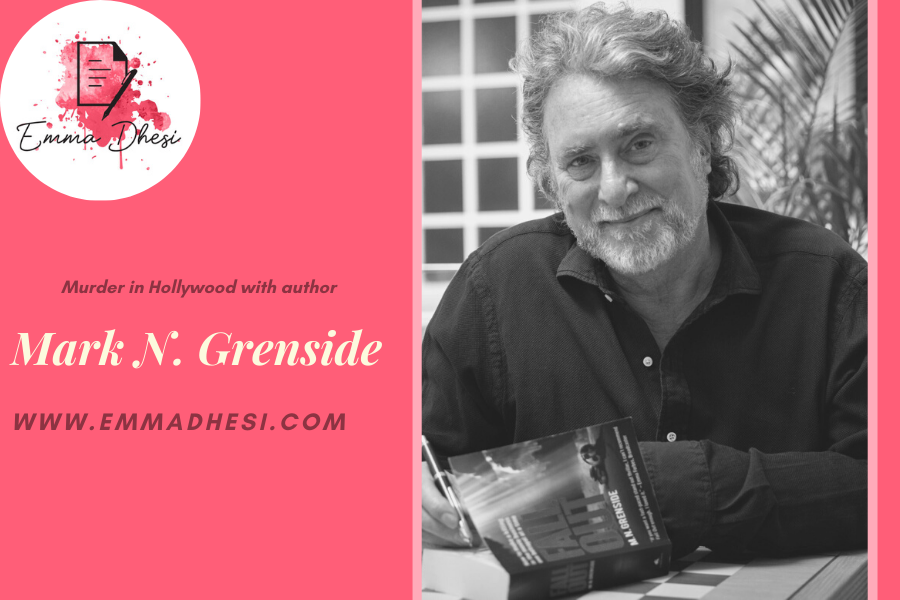
 Mark Grenside, born and raised in London, began his working career straight out of school at Lloyds of London, specializing in kidnap ransom and extortion insurance. At 25. It was time for a career change and to dump the suit and tie. So he started his media career working for Jim Henson and the Muppets.

 From that moment on, he has been involved in entertainment and in nearly every aspect of it. He went on to create and produce several television series and miniseries, and at the same time, he started a music management company, launching million seller artists Naina charing in 2004, he arranged the $250 million buyout of the Hallmark Channel International, which was then successfully taught to NBC, he returned to producing a number of movies and miniseries.

 But more recently, he has morphed into a serial entrepreneur, and is now a co founder of seed to shelf CBD producer, dragonfly bio sciences, and I found her in two separate digital companies, in addition to his love of cooking, and unhealthy amount of time and money is lavished on a collection of classic cars that he has raced all over the world.

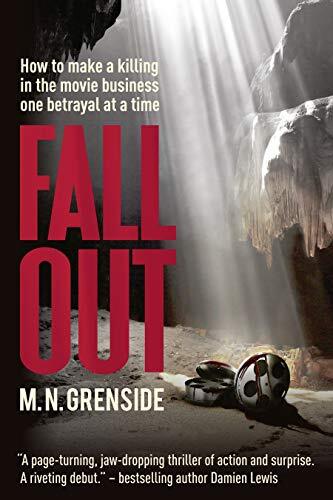
 He enjoys risk and has parachuted in New Zealand scuba dived in the Pacific hang gliding in the Himalayas, and even Tuborg into down the Cresta run, in nearly every case, chasing after his wife, who he says is utterly fearless Fallout was Mark’s debut novel and was published in May of 2020.

 And he’s now writing the follow up in titled The Bastion. In addition, he writes a humorous blog with subscribers in more than 40 countries. He has two grown sons, two daughters in law, three grandchildren, and now lives in Malta with his wife and two French Bulldogs.

 So let’s find out a little bit more about Mark’s varied career and what he’s up to now. Well, Mark, thank you so much for joining me today. I’m really thrilled to talk to you.

 Mark Grenside  03:55

 You’re welcome. Thanks for asking. 

 Emma Dhesi  03:57

 And I want to say first of all, congratulations on the release of your debut novel, Fallout. And that was released to me this year. So congratulations on that. That’s a really big thing. 

 Mark Grenside  04:07

 Yes. 

 Emma Dhesi  04:08

 Tell me about it. Tell tell the listeners about your book and who it’s about.

 Mark Grenside  04:13

 Well, my background has been mainly film and television. And I decided it was timeto try to create a franchise with the backdrop of movies and I’m not comparing like for like, but in the same way that John Grisham uses law in the light deck Francis used horse racing although his son is continuing it, I thought it was time to try and writewith some degree of knowledge, a background in the film and television industry, which obviously, I’ve been involved in for sort of 35 years.

But the stories themselves, actually, although they always open in the film industry, and not actually about when you get to the end, you realize it’s not about the film industry. So in this one, the story starts with a very successful screenwriter, sending out five copies of his latest screenplay to a group of people.

He is murdered in a break in. And the five people who get the scripts were all involved in a movie that stopped shooting 25 years earlier. And they begin to understand slowly, that inside his new blockbuster movie, are clues as to what happened and to why that movie stopped being made.

And to lead protagonist as a producer, and someone who builds stands down in can, which is a huge business. And eventually they follow the leads and avoid getting murdered themselves. And the discovery of why the movie stop shooting has nothing to do with the movie industry. In fact, it’s based on probably the greatest crime in the last century, the very few people know about it, so I’m not going to go into any more. 

 Emma Dhesi  06:19

 Oh, okay. Not many of us… 

 Mark Grenside  06:21

 Have read the book…

 Emma Dhesi  06:22

Yeah. So well, I was thinking of the Great Train Robbery, but clearly, you know….

 Mark Grenside  06:25

 Oh, no, no, no, no, no, it was in current, current values in the trillions. 

 Emma Dhesi  06:32

 Wow, okay. Oh yes.

 Mark Grenside  06:34

 It’s all historically. Correct. So, I like to think that when you read the book, it’s quite like I wrote it, obviously, of the background of movies. It’s very visual. And the dialogue is quite short and as web smart, I hope. So it’s very much like reading a movie. I brought all that knowledge of producing movies into writing the book. So hopefully, you know, it’s an easy fun, fast read, and in an environment that everybody thinks they know about. But they don’t…

 Emma Dhesi  07:14

 Get to get the behind the scenes. Oh, it does sound interesting. I really like it and I love the cover. I think the cover is great as well. 

 Mark Grenside  07:20

 Yes, that was designed by a lady in Ireland. It was wonderful. 

 Emma Dhesi  07:23

 Lovely. I’ll put a link to that in the show notes. So listeners can go and find it. Now, you’ve mentioned that you you’ve obviously you’ve you’ve worked in production, screenwriting in Hollywood, so you’ve made a number of pivots. I’ve, in the introduction, I sort of outlined your your background, so people know that you’ve had quite a mixed back background.

And you started in the City of London, with Lloyds of London. So very pinstripe, very. I want to say rigid, but certainly very proper, shall we say Lloyd’s of London. But then you pivoted out of that into the Mad cap world of the Muppets and Jim Henson. What made you want to make that move? And how did you make that pivot? 

 Mark Grenside  08:10

 Well, within the confines of Lloyds and insurance, what I was actually doing was very much on the ragged edge. I did kidnap ransom insurance, I did products extortion, ie when companies get rung up, and people have infiltrated somewhere and put something nasty in their product.

I used to do arms insurance for major arms, manufacturers like General Motors. So I was always on the sort of raggedy edge of of that business. And I was always considered a bit of a maverick in what I was doing. And it just happened that a guy that I shared an office with his brother in law, worked for Jim Henson.

And I always wanted to be involved in film and television. And I had no desire to spend the rest of my life wearing a suit and tie. And, you know, in life if you’re persistent, it gets you a long way. And I was very persistent. And I got to know this guy who sadly died. Now a man called Peter Orton very, very well.

And he sent me out with an interview with Jim Henson. And they were just starting a new company called Henson international television. And they were just about to they were just finishing the Muppet Show, and about start on Fraggle Rock, and I got the job, and I never looked back.

And although it was, you know, looking back, it’s strange. But you know, if you’re the master of your own destiny, and without sounding arrogant, I’ve always walked to the beat of my own dram, as far as I’m concerned, I’m going forward. It’s only when you look behind you. And you see the zigzags. Right? As far as I was concerned, it was a logical step.

I didn’t want to be in the city anymore. And, you know, I went to work for the Muppets, which was very cool and great fun. 

 Emma Dhesi  10:09

 Very cool. Indeed. Yes. I remember Fraggle Rock a very well.

 Mark Grenside  10:14

 Very clever show Fraggle Rock. And I’ll tell you something that many of your listeners may not understand. Fraggle Rock is a jigsaw show, in fact, in the same way as Sesame Street. Now, if you’re English. All the scenes underground require no lip sync, and it’s just puppets. But when the character gobo comes out of his hole in the UK, it was originally Fulton Mcki, in a lighthouse.

But we reshot those things. So in France, it was a chef in Germany, it was a garage mechanic in United States, Canada, he was a Beachcomber. Now, what happened, then, was that if you sew the pieces back together, if you have a French actor interrelating with gobo, and then everything else, you don’t require lip sync to dub it.

The audience in France thought that show was 100% made in France, and they won’t believe you when they say, No, no, no, it was all shot in Canada, which is where we did those sequences. So it was a very, very clever show, because for a broadcaster, all he had to reproduce is the costs of the scenes.

As I said, with the whole it was the same hole, and then introduce a different character. And then the postcards from traveling map was shot in all the all the territories that we did those co productions in was a very, very clever show. And Sesame Street is the same. 

 Emma Dhesi  11:50

 Yeah, yeah. Oh, lovely. So that was the kind of pivot that you made, right at the beginning. And then more recently, you’ve moved into the entrepreneurial space, because I’m guessing that when you were working for the Muppets, and Jim Henson and then Hallmark and some of the other big companies, you know, that was sort of M corporates, very corporate.

So now you’ve moved into the kind of more entrepreneurial space. And you’ve co founded a CBD producer called dragon fly bio sciences, as well as two separate digital companies. So I was really interested in this particularly and the CBD dragon fly bio sciences, what’s, what’s drawn you to first of all to that, and then also to entrepreneurship. 

 Mark Grenside  12:38

 Well, I think I mean, if I got back a little bit on what you says, in the terms of entertainment industry, I was, I wasn’t really that. Again, like, I was like, in Lloyds. I wasn’t really that conservative. I never worked for a major like Warner’s or Disney. I never worked for a network.

I was always an independent producer in the sense that I wasn’t part of a major outfit. And, in fact, the reason I got into writing a book is that when you make a movie or a television show, it’s very collaborative. Whereas if you write a book, there’s only one person to blame. As for the dragon fly, I mean, it’s in boots and tescos and Harrods and Sainsbury’s and God knows where that came about.

I just finished a miniseries for universal and sky called Neverland, which was the backstory of Peter Pan with all sorts of people in Anna Friel and Risa fans, in fact, they met on that set and they fell in love. Bob Hoskins was in it because he was recreating the role of Smee he did for Spielberg. Anyway, I finished that finish that I was in Los Angeles.

And a friend of mine, who was a also a producer who produced the movie, The Butler, and I, we were having lunch, and he was talking about, you know, marijuana and all this stuff. And, you know, he’d like to export it into Europe, and I knew nothing about it. So Charles, you’re out of your mind.

They’re not going to regulate, they’re not going to do the criminalize it. And I didn’t think very much of it. But I spoke to another friend of mine, who just sold his business for a couple of 100 million to John Malone. He was a very successful cable and satellite operator, and he was looking for something to do and I said, Hey, listen, you know, why don’t you talk to my friends? bla bla bla, and I left it alone. And about six months later, I rang him and he said, Listen, I think there’s something in this.

The only thing I don’t understand is why on earth would we buy stuff grown in America when we can do it for a 10th of the price if we do it in Europe, nobody knew what CBD was then so we all threw some money in. And blinders backs are full of hope we jumped off a cliff. And I don’t know, we, we harvested last year, nearly 2000 acres.

It’s probably 500,000 kilos. And I think we’re the biggest now in in Europe. And, and it was just something different. I mean, I, it you can either say it’s a plus or a minus, I’ve never actually done the same thing for more than five or six years. And even when I worked in film and television, I was involved in records for a while at none a charity, for example, I worked in TV production, then TV distribution, then I ended up buying the Hallmark Channel internationally.

So I became a network owner. Then I went back to producing and I wrote a book, then I did so that’s kind of who I am, I’m sure it’d be a lot richer, if I stuck type thing, but I’d be bored 

 Emma Dhesi  16:03

 Excessive, it wouldn’t be as much fun with it.

 Mark Grenside  16:06

 No. And wouldn’t be as much fun. 

 Emma Dhesi  16:11

 So you’ve you’ve, as you mentioned, you know, you’ve done a lot of different miniseries and TV series. And I’m just wondering, just kind of thinking about the entrepreneurship. When you start a new project, a new TV or film project, is that like starting a new startup is a new cast a new crew there.

 Mark Grenside  16:29

 Very, it’s very, very similar. It’s very similar. I mean, look, I’m not talking exclusively here, because it depends. Who you are, you know, if you’re a major talent, like a writer, director, a showrunner, who are the people who really control Hollywood now, because all the money is in television, not movies. You can dictate terms and get things made.

But I was just, you know, one have lots of what they call executive producers. And my role was to find a project, package it finance it. And as soon as the money was in place, I would kind of step back. In fact, in the book, for light, there’s a scene where two of them are saying, she’s talking about reading credit, saying I’ve never understood the difference between executive producer, producer, associate producer, co producer.

And he goes through and explains it to her in a very funny way. I hope but. But as an executive producer, that’s what I used to do. So for example, on Treasure Island with ideas I did for sky, the starting point was I think Eddie would make a great silver. And it started from there.

And then we put it together a bit went to sky and they were interested, they put up some money. And then we went to the again, universal in the United States, and they put up a bit of money, and then we find out some of it ourselves through tax deals. And that’s how you how it goes…


Emma Dhesi  18:13

Of problem solving…

Mark Grenside  18:14

It’s very much like Star and it has the same success rate. You know, you know, you’ve only got a back 51. You know, you don’t have to battle 100. And, yeah, it’s very similar. 

Emma Dhesi  18:30

So it’s, it’s I mean, I, you know, I think from that we’ve gotten a real great sense of how varied your working life has been, you’ve tried so many different things, and you’ve got a lot of things going on at the one time. And I know that one of the things that my audience tells me they battle with a lot of the time is, is managing all the things, you know, how do you fit in writing around a paid job around family, around a social life?

So how do you manage all of the other things are going because I know that you love doing adventure sports, and you live a very active life. So how do you fit everything in and then managed to squeeze in that solitary time to do your writing?

Mark Grenside  19:11

Well, as someone who’s totally undisciplined, I’m afraid, boils down to discipline. You know, there’s always the time if you are willing to sacrifice doing something else. Now, that’s easy to say, when my kids are all grown up and everything and I understand it’s very difficult. But the truth of the matter is where there’s a will there’s a way I mean, look at JK Rowling she came out of an unhappy marriage.

She started writing it in a coffee shop, but the Harry Potter books, plenty of other writers come with all sorts of monkeys on their back. I think the truth is, you just have to face the hard fact that you got to do I mean, I hate writing. I love editing. I hate writing. And when I am writing, I’ve got the cleanest nails, the most polished shoes, the cleanest office.

Anything other than actually having to face a blank page. But the truth of the matter is it doesn’t write itself you have to do it. Now, I mean, people have different methods of doing it, which, you know, might make a difference. Um, I don’t. I don’t start with a skeleton and build it out. I’m as in the dark as the reader is.

When I start a book, I have absolutely no idea. What’s going to happen. I have a rough idea what the MacGuffin is, and that’s about it. So, you know, in the back of my mind when I’m writing, without overdoing it, I always say to myself, okay, what’s the most unexpected thing that you would expect to happen now, if that makes sense, is a bit of a reverse tautology.

But, but, but that’s what I try and do. Also, I find that subconscious is an amazing thing. It, he put in little details about something, you’re not quite sure why you’ve put it in. And then as I got closer to Danny Meyer, in the book, there’s a whole load of stuff that all hooked up together, that I had no understanding why I put them in.

But it made sense when I got to the end. So don’t don’t fight the subconscious. It’s a it’s a really great asset. And I suppose the only other thing from my point of view, as I said, I hate writing, I love editing. You just got to plow on and get to the end of that sentence or that paragraph. Even if you know, it doesn’t work. Put it down for because for me, it’s much easier to edit something that’s not very good, than to stare at a blank piece of paper. 

Emma Dhesi  21:52

Yeah, absolutely. 

Mark Grenside  21:53

I think you have to do that. But that’s just for me. I mean, I you know, for other people, it could be something totally different. But most writers, most professional writers, you know, I say that very loosely. But you could talk about, you know, Jeffrey Archer, or who’s the American guy sells, God knows how many bloody books, Peters anyway, any of those writers, usually they set aside, and a very disciplined, they’ll write from eight to 12.

Then they weren’t, they weren’t, they weren’t, they weren’t right for the rest of the day. Some people do a little bit more, some people do less. Some people are regular, some people are irregular, I used to, if I put aside some time to write, I was lucky. I didn’t have to go into an office or anything. And sometimes I would write for two days, sometimes I’d write for two hours. 

Emma Dhesi  22:50

Because that’s gonna be a question. Yeah. When you are writing, what does that routine look like? But it sounds like it’s not a specific routine. It’s….

Mark Grenside  23:01

But that’s just for me. I mean, I, you know, you can’t presume to understand how everybody else. You know what their rhythm is, mine’s very irregular. But, again, from years of being involved in film, and television, I’m very used to writing certain things in a linear sense. And then stopping and changing chapters around and moving things around.

I mean, in the movies, you basically work on something called a three act paradigm. So nearly every movie you see has three acts, the first act can be only 5-10 minutes, and it has a telescope of time. Usually it can be, it can go over an enormous period of time. The second act, which is the bulk of the movie is chasing the heroes up the tree, whether it’s an emotional tree, or an action tree, or whatever, that’s the second paradigm.

And it’s spread over a slightly more compressed time. And then the third act of the paradigm is the journeyman it’s nearly always current time. 

Emma Dhesi  24:17

Right? Okay. 

Mark Grenside  24:18

And that’s how most movies are written. Unless you’re Quentin Tarantino, who was the first person to break the three act paradigm. And if you look at his movies, they are actually linear. It’s just the way that he cuts them up when he’s writing them. So if you look at Pulp Fiction, and it opens with the honey bunny scene, you know, in that restaurant, that’s actually the end of the movie.

So what he did was, instead of keeping the three at paradin, together and changing the chapters within those acts, he would move them from one to the third act. And that’s basically how I would run I’d try and keep them to the paradigms.

Although my paradigms were parts of the books, if I had five parts of the book, I usually keep them within those five and move them around. But sometimes I’d move something from book one or part one to Part Four, if it made sense.

Emma Dhesi  25:19

This is with The TV stuff your TV scripts. 

Mark Grenside  25:22

It’s No no, if we’re if I’m writing a book now, I would usually follow the three act paradin formula, which is within those acts, those scenes, you change them around, except when you’re writing a book, it’s not a three act paradigm is usually done by the actual parts of the book, if you see what I mean.

So usually, I would change things around in parts of the book to see if that would make the narrative more interesting. But sometimes I would pull out a chapter from the opening of the book and put it in Part Five. But usually, I kept within the books, but I never never never ended up with any chapters in the place that I wrote them.

Okay, all move, they all moved back, which is very complicated when you come to a thriller with clues. Because there’s obviously it’s kind of Da Vinci esque in the way the clues are revealed, etc, etc. So that’s incredibly irritating. Because if you move things around too much, then the whole thing comes on done. So you have to be careful that.

Emma Dhesi  26:32

Yeah, no, I’m it because I was interested, when you were saying before that you don’t, you don’t, you don’t plot it out in advance. And so as someone who’s writing a murder story, a mystery story, I would have imagined that be quite a key part of the process, so that you know, when you are seeding clues when you’re doing the foreshadowing, and that you yourself know how it’s going to end. But sounds like you’re more of a discovery writer, and you sort of lose

Mark Grenside  26:58

I mean, I knew various, obviously, otherwise, you just go off into the desert, and you just, you know, you drive yourself insane. But much more than, again, without sort of sounding pretentious. If you read the book, you wouldn’t guess it. Right?

Just go this flows. And that’s clever. And yes, it flips through time a bit. There are basically three storylines going on the interviewees, and then we’ll meet at the end, but but I hope you won’t think it was disjointed, when you read it, but it was when it was being put together. It was definitely knit one, purl one stitch one.

From time to time, I link to products or services I love using with affiliate links. This means that I may receive a small percentage or fee for referring you to any product you may purchase from one of those sites. It does not cost you anything. These small fees help sustain my small business. I truly appreciate your support.

Emma Dhesi  27:41

I am. So what was my question that came into my head there? Or is it gone now? And well? Yes, I wanted to ask you about dialogue. So obviously, coming from a screenwriting at ground, I imagine that your, as you alluded to earlier, very good with dialogue very sharp with it, know how to write it, did you find it more of a learning curve when it came to doing them?

The narrative bits of the story to fill in those bits around the dialogue? Because I don’t think scripts have very much exposition in them or direction in them. 

Mark Grenside  28:16

They do a bit. And you’ll see it in here because there are excerpts from the screenplay that the guy wrote. And it’s printed like, you would print a screenplay. It’s completely different from a book, you do have directions on scripts. Yes, I suppose if there’s one thing I brought with me, is that first of all, great dialogue is usually short. Secondly, great scenes with dialogues, certainly in movies and television, you come into the scene as late as possible.

You very, very rarely set up a dialogue, if you see what I mean, you’re usually coming in on the back of the dialogue. And thirdly, you know, it’s a cliche, and I’ll come on to the descriptive bits in a minute, but it’s a cliche, but character is action. ie, who the person is, is actually there’s a great example in Chinatown.

When Jack Nicholson is sitting in the car with Faye Dunaway, and she’s telling him she’s having an affair with Houston of place her father. Now in the original script, Nicholson is just sitting there listening to this, but jack decided to take out a cigarette with a lighter but didn’t light. And suddenly, that scene took on much more edge because he’s listening to something that you realize he doesn’t want to listen to.

And his frustration is being taken out as he repeatedly tries to light cigarette. So that character is action in that, in that scene Jonestown. So you have to bear that in mind when you’re writing dialogue as for exposition, you know, obviously, try not to use too many adjectives. You know, keep it short. You know, it’s a trick you can overwrite, and then edit back and choose the right adjective.

The pace of the sentence often reflects that the, the actual scene that you’re looking at surface, something peaceful and quiet. You can write in a more lyrical way. If you’re describing an action scene or a fight scene. It’s short, sharp and choppy. Does that make sense? 

Emma Dhesi  31:04

Yeah, no, that makes perfect sense. Yes, yes, it does. 

Mark Grenside  31:07

And that that’s how you do it. There’s a rhythm to how you read. A lot of people say there’s a rhythm hire writers, right? I’m not sure. I’m sure that’s true. But the reality is that the rhythm should match the environment of what you’re reading backs. That’s true rhythm. And I, you know, I look back on all the days, I’ve been so rude to Rice’s in my life.

And and I apologize to all of them that because it’s unbelievably hard, and has some of them did, what they did, is beyond me, I’d never have the skill to do it. But again, it just depends on what you’re writing. I mean, obviously, thrillers are different from a romance from a different from a pure action are different, or even from a biography or whatever A memoire. But rhythm in your sentences must match the environment. 

Emma Dhesi  32:05

I’m guessing that as well, that’s something that comes with practice, part of the craft that comes over time, and you just have to keep doing your 1000 hours or 10,000 hours, you know, where you have to put in the the, the groundwork first before you’re able to fully understand that or fully communicate it with the language that you’re you’re using?

Mark Grenside  32:25

Yeah, I think it’s all to do. As I said, in my case, it’s all to do with the Edit, it doesn’t really matter, what you throw down to start with, it’s like a piece of clay, you just throw it down, and you roughly make it into a face or whatever. The craft comes later, when you when you pare that down, when you edit it down, when you pull it back to the basics.

And then you’ll get a sense of, of, as I said, If sentences are too long, or it’s too descriptive, you know, obviously try and avoid as much exposition as possible, because people hate it and slows everything down. You know? Also, it’s how you talk to the reader. You know, in my case, I was hoping to do with a wry smile, but also make them feel inclusive to the film and television industry.

So that they would go, I never understood that, rather than feel I was making a reveal because I’m more intelligent than they are. Do you understand what I mean? 

Emma Dhesi  33:36

Right? Okay. Yeah, aha.

Mark Grenside  33:38

You’ve got to have that. But it depends. You know, it depends how you do it, you know, Sherlock Holmes permanently made Holmes feel inferior. In my book, the two characters once a man and once a woman, they complement each other, which is quite unusual, because usually in a in a thriller, you have one whose superior intellect is drawn by a less intelligent partner, or in this case, because it’s also a love story, you are permanently battling with how they complement each other, and they make the other a better person.

Okay. So when you’re doing a romance, which is all about making, usually, you know, both of them better people than they were on their own. If you do that in a thriller environment, you can’t have one be more intelligent than the other. Does that make sense? 

Emma Dhesi  34:46

Yeah, they’ve got to be good partners, equal partners, both professionally and in life.

Mark Grenside  34:51

Certainly. You can get away with it professionally. You can get away with you know, poro and whatever is kept in Hastings, or whatever, you can do that. But you can’t. But first of all, it’s very odd. You know, it’s slightly old fashioned. But But secondly, you can’t do it when there’s a relationship between the people. And you know, the woman in this book.

The heroine is a Chinese American lady who’s very strong, much stronger than the guys actually originally. She’s very tough. And she’s very smart. And they have cracking dialogue between them. I mean, even I laugh, which, you know, all that hard. Somebody’s got to, but I hope that makes some degree of sense.

Emma Dhesi  35:39

It does do is I like and I think it’s I’m I’m guessing i’m not i i like thrillers, but I’m not a huge, hugely knowledgeable about the genre. But I’m guessing that element of having both the personal the romance between the partners as well as the working relationship is quite a nice spin on it. But it’s slightly more unusual telling. 

Mark Grenside  35:58

Yeah, I think it’s, well, I think there’s a number of of, of things going on here. But, you know, if you’re looking for a similar sorts of feel, and tempo, I suppose the remake, the Thomas Crown Affair is quite good, right? relationship between Rene Russo and piers, both of him work for me at some time. Now, it’s very interesting that because of COVID, there is a massive sea change going on in the thriller genre.

In that, essentially, from seven onwards, thrillers became very dark, you had a very damaged hero, right? The journey was very painful. And the crimes on the whole were pretty dark. It was mass murder, kids, abduction, drugs, obviously, it was very, very dark. And it’s interesting to note, that when that started, was the last Lethal Weapon moving. You just couldn’t do that kind of lightness of touch anymore.

Now, interestingly, the one of the most successful movies on netflix was a movie with Jennifer Aniston, which was a sort of caper movie in the south of France. With a very well known comedian, his name escapes me now. Nobody thought anything of it. But it was a huge success.

And that, okay, it’s called reveal. I can’t remember. Ah, I can’t remember it’s a silly little caper movie with the guy who should have got an Oscar nomination. Adam Sandler. And it sent all sorts of tremors through Hollywood, because it showed that we were coming to the end of a very dark period of thrillers. And I’m proved right because they’ve just signed lethal. The next Lethal Weapon movie. Wow, Danny and Mel have agreed to do it.

It just wouldn’t have happened five years ago, just so that leitmotiv I’m not saying My book is like lethal weapon or like it is quite In fact, we’re talking to the guy who wrote the screenplay for the Tom’s Cranford to because I’ve optioned this to do it as a series to see if he’ll write it as a as a 10 hour series. But there is a change going on at the moment. And I was lucky because I just had to write something that was kind of light and funny a bit. But that’s just lucky timing.

But I think the very dark, very introspective. stuff is coming to an end. It’s just a cycle. 

Emma Dhesi  39:02

Yeah, that’s it. So what made you make the move from writing scripts to writing novels? What was it that attracted you about?

Mark Grenside  39:10

I didn’t I didn’t write scripts as a producer. I worked on the scripts. 

Emma Dhesi  39:14

Right. Okay. 

Mark Grenside  39:15

I wasn’t able to write a script. I think as I mentioned, I think it’s because working on film and television are very collaborative. And unless you’re, you know, Steven Spielberg or somebody, you know, or in, in television, one of the great show runners, you don’t get your way you have to compromise all the time.

That’s a good thing. But it’s also, you know, after a while you go well, actually, I want to do it myself. And you the only way to do something yourself is write a book. You know.

book cover

Emma Dhesi  39:48

it’s just get on and do it. So…

Mark Grenside  39:51

you know what else to blame?

Emma Dhesi  39:56

So you’ve mentioned that it’s part of a series so first, one came out this year, and I think you are currently working on number two?

Mark Grenside  40:04

Not enough. But I have, yes, I’ve put myself, you know, in a very difficult position because I put the first three chapters of the next book in the last book. And now I’m really stuck. I’ve got to do it. 

Emma Dhesi  40:18

So what’s the course?

Mark Grenside  40:19

I sorted, I know what I know, what the what the extents of the extensive crime is within the film industry. And I know what the backstory crime is. So I’ve got that in place, on

Emma Dhesi  40:38

And it is the same characters? 

Mark Grenside  40:40

Two the same characters, the man and the woman return. Although there are some characters who do survive and follow that I would love to bring back and I’m sure I will. And the locations are set, I have a thing about location. So the first book was Los Angeles, London, just that side, interlocken and the Philippines. And this book is going to be the Aleutian Islands, which have like a string of pearls going across to Russia, and from Canada, or Alaska. So the Aleutian Islands, San Francisco, countryside in France and Malta.

Emma Dhesi  41:31

Lovely weather that fits nicely with all the traveling that you’ve done bringing in all those places you’ve been to. Yeah. It’s called the bastion, is that right? Yeah. And do we have an expected date for that release yet? Or are you playing about it? 

Mark Grenside  41:47

No, I’ve been a bit busy at work recently. So I would like to deliver it sometime next year. 

Emma Dhesi  41:54

Fantastic. 

Mark Grenside  41:56

Probably probably probably, under the summer next year, it just depends when I can, you know, deflect from from my other interests. 

Emma Dhesi  42:06

And do you envisage it being an ongoing series? 

Mark Grenside  42:09

Yeah. It’s written as a franchise.

Emma Dhesi  42:12

Lovely.

Mark Grenside  42:12

Those two characters will keep on coming back. And they will keep on getting drawn into something that happened. On the movie, they were making financing writing, asked to help on whatever, hmm. And so the, in a similar way to two more like, I’m not too much star, but more like, Francis, that there was always something about horse racing sort of in the background.

But they weren’t about horse racing all the time. Do you know what I mean? So it’s the same thing here? Yeah, you get an insight into movies. And hopefully, you know, because I’ve used some real people from movies in the book, of being nice enough to say, Fine. So when you’re reading it, it should be very difficult to split reality from fiction.

Because when you’re reading about the Cannes Film Festival, which I’ve done, more times, you want to shake a stick out? You know, a lot of that is real, because that’s what it’s like. So when you read it, you go, did that happen that Film Festival, or not? Because that person’s real. And that movie was real. But I’m not sure about that bit. And that’s, hopefully the fun of the book. 

Emma Dhesi  43:34

So that glass interesting. So I got two follow up questions to that. One is, as you’ve written this, you know, it’s a series you always knew you wanted it to be optioned and to be a franchise. So I’m guessing you had at least the two main characters in mind who might play those parts when you were writing it. And I wondered if you are able to share that with us?

Mark Grenside  43:57

I didn’t i didn’t i didn’t except, you know, if you want to be very cynical about writing, and you want to get something made, you have to accept what target groups you’re you’re writing to. So the male protagonist is probably in his early 40s. The woman is probably in her mid 30s.

So that was it optimized in my mind as the characters now I didn’t. I think if touchwood it ever gets turned into a TV series. Books are impossible to do as movies. I’ve done a few and it’s very difficult. But if it’s done as a 10 hour series, I’m certain that we will probably have a shortlist of cast and the guy who writes the screenplay, I will skew what I’ve written towards a specific x. Okay. You know what I mean? Yeah, I think that happens.

But I didn’t know I didn’t write it with anybody in mind. I mean, you know, sometimes people do. I mean, like, there’s a great story isn’t there about twins, which that was an idea by a guy from the male who flew to Hollywood. And so I’ve got moving back twins, Arnold Schwarzenegger and Danny DeVito. And he sold it on that they hadn’t even asked them yet. Right. However, that doesn’t happen very often.

Emma Dhesi  45:35

That’s brilliant. And but my I guess my, my second follow up question is, 

Mark Grenside  45:40

Yes?

Emma Dhesi  45:40

You’ve mentioned that you taught you you mentioned real people, real movies, real things have gone on. Is there? Did you have to be careful about what you said about who and what you used?

Because I know that’s something a lot of people worry about is this kind of idea of libel and being sued about something and using real people in their stories. But does that something…. 

Support The Show

If you enjoy the Turning Readers Into Writers podcast, you can now support my time in producing the show with Patreon.

If you find that the podcast adds value and you’d like to help support the show, please consider supporting me on Patreon for $3.00 per month and you’ll get bonus podcast content, as well as a personalised thank you from me, and a shout out on the show.

Mark Grenside  46:02

I can’t say who it is because it’ll give away? Some of them MacGuffin. But some of the references to real people actually come from books that they wrote about themselves. You see what I mean? Since I know reading them in a situation, yeah, yeah. Movies are different, because you can refer and relate to movies. And, you know, there’s a line they’re talking about.

The protagonists, I think they’re in bed probably at the time, but they’re talking about or she says, All movies are the same to me. And then he says, well, there’s only five stories anyway, which is quite well known. And she said, Yeah, but they all sound the same to me. And he said, Do you know what the most popular line in a movie is?

And she goes, you know, that’s all folks. There’s no, and there’s that. And it’s actually try and get some rest? It is Yeah. Yeah. I love it.

Emma Dhesi  47:07

Get some rest? Yeah. Well, I’m really looking for… I will be looking out for it now. Yes. Well, I think they sound fascinating. I am someone who has sort of has an interest in Hollywood and loves to follow all that kind of thing and the background and how it all works. I’m really looking forward to reading them. And I can think of a few people who will be getting that as a Christmas present this year. So that’s cool. 

Mark Grenside  47:32

Well, that’s very kind. Thank you. I hope they enjoy it. Enjoy, and thank you for your time.

Emma Dhesi  47:38

Not a problem. Now, before you go off. Tell us where can listeners find out more about you and your books? 

Mark Grenside  47:44

Ah, well, I have a website, www.mngrenside.com And the book is actually under MN Greenside Mark. And it’s available on Amazon and shops and goodness knows what else. The website has details about me personally. And it has details about my life and things that interest me.

There’s some fairly amusing photographs from various from skydiving to racing cars to I don’t know all sorts of stuff. My wife, platinum. She’s braver than I am. I spent my life jumping out of planes following her. But yeah, I do like adventure. I love travel. I love cooking cars, as you mentioned, cars in the 50s 60s, and 70s. And good friends.

Emma Dhesi  48:44

Nice, all the important things, important things. Well, that’s lovely. Thank you so much for your time today. I’ve really enjoyed listening to you and your stories. Thank you. 

Mark Grenside  48:53

Well, you’re very welcome. And you’re welcome. Anytime. Thank you very much.

Emma Dhesi  48:58

Well, I hope you enjoyed that interview with Mark brand side. And I hope you’ve been inspired to read the book. I loved listening to his anecdotes about Hollywood and the movie business, and how things work behind the scenes. But in terms of writing, my biggest takeaway from what he said today was that character is action.

And I love the example he gave with Jack Nicholson in Chinatown, and how it’s what a character does their mannerisms, how they respond to a situation, physically, not necessarily with words. But when we get that from the character of then we’re really seeing below the surface, we’re seeing the depths of the character, and what’s going on behind the eyes behind the words behind the voice.

So I really love that that was my biggest takeaway from my conversation with Mark certainly in terms of writing fiction. What was your biggest takeaway? What has he managed to convey to you that’s really resonated with you? and that you’ll take forward in your own writing life. Hit the comments below and let me know.

Alright, Take care for now and I will see you again next time. Bye

If you’ve been working on your novel for years (perhaps even decades) the maybe it's time to consider working with a coach.

If you have multiple versions of your novel and you don’t know which works best, are scared nobody will like your book and don't feel like a 'real' writer, then my guess is coaching is the right next step for you.

Find out more and sign up for your free Clarity Call here: https://emmadhesi.com/personal-coaching/


Alliance of Independent Authors

Shortcuts for Writers

Do you feel as if you don’t have the time or the money to invest in editing your novel? I know an online course that can help you to transform your manuscript WITHOUT breaking the bank. It’s called Book Editing Blueprint: A Step-By-Step Plan To Making Your Novels Publishable, and it was created by Stacy Juba of Shortcuts for Writers.


emma dhesi

Emma Dhesi

Emma writes women’s fiction. She began writing seriously while a stay at home mum with 3 pre-school children.

By changing her mindset, being consistent and developing confidence, Emma has gone from having a collection of handwritten notes to a fully written, edited and published novel.

Having experienced first-hand how writing changes lives, Emma now helps beginner writers find the time and confidence to write their first novel.
Great short stories with Ruby Peru

Great short stories with Ruby Peru

Great short stories with Ruby Peru

by Emma Dhesi | Turning Readers Into Writers

Interview with Ruby Peru

Ruby Peru has been a ghost writer specializing in memoir for 15 years. She also has a witty novel it’s called bits of string to small to save. She has traveled far and wide to research and write memoirs for her clients, including everything from cult escapes to African Wildlife Research, from Epic romance to prison memoirs.

She has innumerable interesting and funny stories and insights on the essence of memoir, as well as tips on how to write your own. She describes herself as a sloppy workaholic and independent operator. Ruby drives a beat up pickup truck and restores old houses.

Some are pine she’s a little bit of a badass, having studied with Kurt Vonnegut’s in the 80s and David Foster Wallace in the 90s. she’d love to be a person who surfs, climbs cruises around looking cool on a motorcycle, and never runs out of adventurous weekends. But she isn’t. And she doesn’t. She’s a writer.

Her first novel bits of string too small to save, which came out in 2017 is a witty illustrated fantasy for adults that asks, What’s really the difference between animals and people? And aren’t magic and technology the same thing? And what’s the relationship between seduction and just plain manipulation? And what makes a place a home?

Well, let’s chat to Ruby and find out the answers to all of these questions. And of course find out about her own writing.

Well, Ruby, thank you so so much for joining me today. I’m absolutely delighted to have you on the show. 

Ruby Peru  03:16

Thanks for having me, Emma. 

Emma Dhesi  03:17

Pleasure. I wondered if we could just start off by asking, you know, what brought you to writing? What was it? That… was the inspiration for you, you know, is that something you’ve always wanted to do? Or did you come to it a little bit later in life? 

Ruby Peru  03:31

Well, I’ve always been a writer, ever since I was a kid. And through growing up, it was always a big focus for me. But then I, I became trained as an actor. And that was, that was something I became very involved in. But didn’t really make it as an actor. So it led me back to writing but with a new perspective, because, because I use a lot of techniques that actors use in my writing. 

Emma Dhesi  03:58

Ah, could you give us an example? 

Ruby Peru  04:01

Well, yeah, sure. Well, I do ghostwriting, I do memoir ghost writing. That’s, that’s the primary type of ghostwriting that I do. And that means that other people have their life stories that they want to tell sometimes very complex, epic stories. Sometimes it’s a romantic story, sometimes action story, you know, sometimes it’s just like, I want to teach you all about my business techniques, all kinds of different things.

But with my acting background, I’m able to really sort of embody their life and experience their, their emotional experience… experiences, personally so that when it comes out on the page, it feels like it was them. What you look for when you’re plotting when you’re when you’re analyzing a script as an actor, and also when you’re plotting a book as a writer, you’re looking for moments where the, where the person changes where they have a moment, and it changes their outlook on life permanently, you know, and after that moment, you’re different.

So as an actor, you go through the script, and you get to a certain point and you go, boom, that’s a big change. And that means everything is different. Now, now, I’m viewing things differently.

I’m trying to achieve different goals with the things that I’m saying and doing. And so you have to stop. And you have to realize that, that internally, you have changed as a person after this moment.

So as a writer, I do the same thing, I try to find those moments of change, and emphasize them in the book and show how the person has like, become a different person because of an event that happened. 

Emma Dhesi  05:45

Mm hmm. That’s fascinating is it really, it’s, it’s really delving into that character development that we might think of in fiction, but actually applying it equally to, to nonfiction by someone’s life.

And those, those key points, as you see that, that, that change their self belief or the beliefs about the world, and then ultimately change kind of how they how they progress with their life and the decisions they make about their life going forward.

Ruby Peru  06:11

Yeah, because ultimately, fiction is, fiction wouldn’t make sense unless it was based on people’s actual lives. You know, we’re just making up people, but we’re putting them through the same things that real people go through. So…

Emma Dhesi  06:25

Yeah, I think it’s a good a good reminder about that, when we’re developing our fictional characters to remember that they are people. 

Ruby Peru  06:33

Yeah, the same depth of character that real people have, you know, and, and one thing that I learned a lot from ghost writing is everybody is a massive contradictions. Everybody I have ever interviewed, and I do interviews like 30 to 40 hours of interviews with these people, it’s very intense.

And what I learned about everybody is that they’re very much one way, and yet, they are the total opposite. Also, on alternate Tuesday’s, you know, everybody’s a massive contradiction. And one of the things that happens a lot when I’m talking to beginning writers, is they worry that their character doesn’t seem realistic, because they have these different conflicting things.

And I’m like, no, that makes it more realistic. You have to understand people, the more conflict in their soul, the more conflict in their behavior, the better. It just has to make sense to them. You know, they have to have both of those sides of them, because that’s how people are. 

Emma Dhesi  07:29

Yeah, I love it. So you’ve mentioned that it’s memoir ghost writing that you do what what was the particular draw to, to memoir ghost writing as opposed to fictional ghost writing, for example? 

Ruby Peru  07:43

Well, I… It okay. ghostwriting is a weird thing, because you’re writing for somebody else, and you’re not getting credit for it. At this point in my career, I get credit for stuff. But for 15 years, I wrote books for people without getting any credit.

And I’m happy to do it when I’m writing somebody’s memoir, because it’s their story. It’s their life story. I’m just the technician who’s helping them get it on paper. And I don’t mind not getting credit for it, because I just feel like I’m helping them tell something that already belongs to them.

But when it’s fiction, I would have to make it up. I would have to like it would all be me It’s me. My story. My writing everything is me. Why would I not get credit for that? That doesn’t that would not seem fair to me.

Whereas memoir ghostwriting seems fair, a fair exchange, you know, if they pay me, I hope to put their story on paper. 

Emma Dhesi  08:32

Oh, I see. I see. Um, and so I’m wondering what, you know, apart from the fact that you are writing about somebody else’s life, are there any kind of key differences or key approach, a key difference of approach when you’re writing somebody else’s memoir, as opposed to your own either fiction, or if you’re writing memoir, as well for yourself?

Ruby Peru  08:56

Yes, I’ll tell you this. Um, okay, when I write memoir for other people, I do this intense interview process, I organize all the information, I write a synopsis that is like a very detailed outline of the characters, their external conflicts, their internal conflicts, their relationships with each other, I plan it all out.

And then I write it in sort of paint by numbers at that point, because everything’s planned out. And that way, the client knows exactly what they’re getting. Right? Whatever I for myself, I don’t do that. No way, way too much work takes all the fun out of it. I also find I’ve also taught classes recently in memoir writing, and I, what I started doing is really encouraging my clients to write short stories instead of trying to write long books.

It’s not that it’s easier. It’s just that it helps you get to the meat of what you’re trying to say when it’s a short story because what what will happen is you’ll be like, Oh, I want to tell a story about the time I went to the beach or whatever. And so you’re writing about Okay, this happened, this happened and then I’m going okay, so But where’s the, where’s the main conflict of the story?

What is the main thing where this character wants something that’s difficult to get, or the characters up against some kind of difficult challenge. And then they realized that actually several challenges in this story, and they realized they actually have four stories, you could write for stories about that trip to the beach, because each one focuses on a different conflict, whether it’s internal or external.

So when you break it down into short stories, you get more bang for your buck story wise. And also, each story is more focused and more interesting, because it’s less scattered. 

Emma Dhesi  10:37

Hmm. Did you like short stories yourself? 

Ruby Peru  10:40

Yes. So I’m writing my own memoir now. And it’s in short story format. I’m a huge fan of David Sedaris, who’s written numerous, hilarious memoir books that are all a short story based.

And that I think, is also the funniest way to write. And I want it to be funny. So it’s about growing up on a horse Ranch, and going, everything that happened before that everything happened after that, and various things, and it was sort of an interesting transitional phase of my life.

So I’m writing and, and because it’s memories, you know, they kind of come in chunks. So it works better to me to write it as short stories.

Great Short Stories with Ruby Peru

Emma Dhesi  11:27

Mm hmm. So, so that’s interesting, then, so you’re not writing your own memoir, in the same way that you do other people’s, you’re not planning it out, you’re in the same way.

But as one continuous story, it sounds like but breaking it down into those key moments that, that helps you transition from one phase to the next or one thought, thought change to the next. 

Ruby Peru  11:53

Yeah, like it’s, you know, when you’re writing a coming of age story, something about when you’re a child, then it’s always, it’s always a story about change, because that’s children are constantly going through change. That’s what makes them adults. So looking back on that period of my life, I’m able to realize how much that changed me in a very short time.

And then I’m able to pick out the specific memories that were key to those changes, not just changing me, but changing by relationships with people making me understand things about my parents and other people and sort of having revelations and going, Oh, so that’s the way things really are, you know, and each of those moments of change is interesting enough to have a short story around it.

You know, rather than trying to put it into one, one big, but I don’t really think that I have a big book in me as far as my life has. Its i don’t i it you have to be like 80 years old to be able to look back and see, well, what was the grand theme of my life like it? But I can and I think anybody of any age can look back and go, you know, this specific memory sticks with me?

For, for a reason. What is that reason? Stop and think about it? What is that reason? Why do you remember that weird little thing? That seems like nothing seems like just like, Oh, this day that I was having breakfast with my dad or whatever? And like, why do you remember that? Think about it?

Because whatever the reason is, it’s because something changed in you. You realize something and it made you look at the world differently forever. And that’s what makes a short story.

Emma Dhesi  13:34

 Yeah. Well, I’ve never thought about short stories in that way. I confess, I’m one of those people who really struggles with short stories, I find them very find them harder to write than 80,000 words for whatever reason, but I’m making them concise making them impactful making them in the small container. I find it really, really challenging. 

Ruby Peru  13:54

It is hard, because it’s forcing you to be better. It forces you not to ramble on it forces you to get to the point, it forces you to realize what is this about? You know?

Emma Dhesi  14:08

Yes, I need to work on that. And I did have a question that was going to come out of that and it’s completely gone out of my hand.

Maybe it’s important, it will come back to me… Okay, Now, you mentioned and I mentioned it in the introduction into the the episode that you have worked under or studied under two very well known, well respected writer is Kurt Vonnegut and David Foster Wallace.

So that must have been amazing experiences. And I wondered if there were any particular takeaways that you have from your time studying with them and that you still use to this day and that you you might be willing to share with our listeners.

Ruby Peru  14:53

I’ll go backwards. Dave Wallace I studied with in graduate school and he was such a stickler for grammar. I mean, it was like he would just absolutely come to class infuriated if people if people said, this is one of his things. You’ve got another, you’ve got another thing coming.

The expression is you’ve got another thing coming. Apparently, according to Dave, and he would get so angry if somebody used that expression. In a book, you’ve got another thing coming. And he was like, No, the expression is, you’ve got another thing coming.

And I related to that, because I am, I care about these things as well like grammar, punctuating things, right. Getting getting, you know, we’re, you know, understanding what words mean.

So that you can be concise and using them properly, you know, so he was, he was he gave me permission to be as uptight as I want to be, you know, because he was very uptight about this.

Emma Dhesi  15:59

You worked well together, then that was a good thing. 

Ruby Peru  16:01

Yeah. And Kurt Vonnegut gave a lot of lectures when I was at Carnegie Mellon, and, he was sort of give these grand sweeping lessons on plotting, you know, he was like, really the opposite of Dave in a way. And he was always comparing everything to Hamlet. Because he, this was this is his big thing that he was always coming back to.

If you take a you know, like a fairy tale, you know, Cinderella or something, something happens and it’s bad. Oh, she’s has to work as a scullery maid, then something happens and it’s good. Oh, she gets an invitation to the ball. And then she loses her slipper. And it’s bad. And he would like make this graph and he would graph it on the graph up as good down as bad off as good downs, but he would make it like on an xy axis, graphing the story.

So you can see in a, in a typical story, like a fairy tale, good things happen and bad things happen. And they are followed one by after the other. But in a story like Hamlet, Hamlet is kind of like, well, I wonder if my uncle actually killed my father? Is it good? Is it bad? Is it true? Is it a lie? I don’t know.

So it’s not good or bad, sir, in between? And then like, well, I don’t know, maybe I should take this action. But then again, I know is the ghost real? Is the ghost not real? I don’t know. So how much light is kind of like a straight line across the middle, where you never really know if anything’s good or bad. And he’s, that’s a good story.

Emma Dhesi  17:34

Okay.

Ruby Peru  17:35

Never quite know where you’re at. 

Emma Dhesi  17:37

So quite different to what we sort of get taught by most, most people most, in most classes that normally we’re looking to stretch up to the highest of the highs, the lowest of the lows, really emphasizing the conflict going on in the story.

But he was kind of suggesting actually, the more ambiguous, the more ambiguous it is almost the better. 

Ruby Peru  17:59

Yeah, sort of like, I think what he was stressing was that the conflict is internal. There’s so much internal conflict in Hamlet, that, that it’s impossible for Hamlet to really know, if he’s in a situation that’s good or bad. So I think what he was emphasizing was to keep the internal conflict really high, you know, so that the reader never feel safe.

They never feel like Oh, I know that good things are happening, or bad things are happening soon as you think it’s good, it’s actually bad. As soon as you think it’s bad now is actually good.

Emma Dhesi  18:29

Well so to great kind of takeaways, then from your time with both of those people, that necessity to be precise with your grammar and your punctuation and, and the word choices that you’re using, and then really delve down into that conflict of your character.

And the more and conflicted they are, the more interesting and unsafe I like that word unsafe that your reader feels, keeps them keeps them going. Now so talking of plots and character and grammar.

You wrote your you published your first novel in 2017, called bits of string to small to save. And I wonder if you could tell us a bit about it.

Ruby Peru  19:13

Well, okay, so this book started because at one point in my life, I taught Montessori school to little kids, and I used to tell them a story every day, that was our initial circle time, I would just extemporaneously just start telling the story. And they were all participants in the story.

And if somebody was wearing like a side ponytail, I put the ponytail in the story and whatever was going on, they loved it. I mean, it would just sit there, totally quiet, behaving just waiting to see when they were going to appear in the story. You know, it was really fun. But I left that job.

And I really missed that creative bursts that I got every morning from doing that was hard work. And it was and it was fun. And it was a really great workout from my mind. So that’s what made me start writing bits of string and so the rule was, I had, I ended up going to this corporate job that I hated.

So I said, Alright, I’m gonna keep my soul alive by writing a novel. And the rule is, you spend an hour a day, and you just have fun, I have to be having fun, not allowed to do anything that’s not fun during my writing time. So I started creating these fun characters, crazy dialogue, and just gave them these weird quirks and just had them interact in ways that was like, I didn’t care what the plot was going to be, I just wanted to have these interesting characters, and I would take characters from my real life.

And I would take, there’s one character in there, that’s a combination between my landlady and my boyfriend at the time, and I was like, they’re the same person. That’s fun, you know. And so, uh, so I had a lot of fun with it. And then I created so many weird subplots and scenarios, that it was a giant mess.

And then I spent many years trying to make sense of all of it and make it into something that made sense. But I wanted it it’s not, it started out with this kind of very sing song, almost like a children’s book, sound to it, because I just come from working for the children. But then it sort of morphed into something that wasn’t a children’s book.

And so then I kind of didn’t know what it was, I was just having fun. And that’s sort of the problem with marketing it. Nobody knows quite what it is. But it’s their call it up or why a new adults or upper young adults. And I wanted it to look like a classic like a classic children’s storybook like Alice in Wonderland or 1001, Arabian Nights where they have these illustrations.

It’s not a it’s not a it’s not a comic book, it just has an illustration at the beginning of each section. So there’s four beautiful pen and ink illustrations inside, in addition to the one on the cover. So it’s meant to look kind of classic in that way. 

From time to time, I link to products or services I love using with affiliate links. This means that I may receive a small percentage or fee for referring you to any product you may purchase from one of those sites. It does not cost you anything. These small fees help sustain my small business. I truly appreciate your support.

Emma Dhesi  22:02

It certainly does. It certainly doesn’t. I’m gonna put a link to it so that people can can go and look, it’s absolutely beautiful. It’s beautiful. I’m just really interested in the origin of of the book. I think you’ve given us all there a good reminder that writing is supposed to be fun.

And I think when we’re newbies, particularly, we’re so intent on getting this finished product, we’re so intent on finding an agent we’re so intent on and getting this, this piece of work out into the world that we forget that this is something we we enjoy, and it’s supposed to be fun, and it’s supposed to be and our downtime, often because it’s something we do in and around our paid work.

You know, it’s supposed to be that rejuvenation, that we’re looking for that creative stimulus. And so I love the fact that your book has come out of come out of Montessori, essentially, and been influenced by that. And that, although as you kind of said, at the end of putting all those images and stories and characters together, it was a big old mess.

You had fun doing it. And it was joyful, and it brought you a lot of happiness. And I think this is something we often forget about. And so I love the fact that you’ve reminded us that that’s important. But you’ve also sort of highlighted something else. I think a lot of new writers mentally struggle with the idea that this first draft, this first coming together of characters and story ideas, is a big mess.

It is a jumble that even even if you’re a big plotter, you’ve got to start with this jumble of ideas and jumble of characters before you put them into some kind of order. And it’s certainly something that students have said to me before that it’s it bogs them down, it worries them and possibly unnecessarily, but it does feel like this big old mess.

I wonder if you can speak to that a little bit. You know, does it is it just through reading and re-reading the work through revising the work continuously that those those sort of tangles strings kind of begin to unravel?

And the storyline and the character development eventually comes? rises to the top? 

Ruby Peru  24:10

If it’s different for every writer, so there’s no like, set answer I can give you and also, it’s weird because when I wrote that book, I knew nothing about marketing. And now I do publishing and marketing for people on books and I in a way I wish I was still that person who knew nothing about marketing.

Because the that book was a pure expression of creativity was no absolutely no compromises being made for the sake of attracting any particular reader. People say Who was your audience? I say my audience is myself. I wrote it for me. I wanted to have fun. I did have fun.

I hope other people have fun when they read it, you know? But then when you’re looking at it from a marketing perspective, and a lot of writers have looked into the sale, the potential sale of their book, way before they’ve actually written the book, and that, it I’m not gonna say it’s a mistake, I’m gonna say it does inhibit your creativity.

But it could be helpful for you for sales. So who am I to say that you shouldn’t do that? You know, because obviously you want to sell, it sort of depends on whether you have a purist mindset where you just want to be a person who has a pure creative expression.

Or if you want to gear towards sales, and there’s a lot of research, you can do that to give you an idea of exactly what people are looking for, and, and to write towards a market, you know, but if you’re, to answer your question, if you’re working from a place of pure creativity, and you’re just putting all these ideas on the page, it helps to be familiar with all the different formats that are out there.

Because if I had known, like, part of the reason my book doesn’t qualify as a, as a, as a children’s book, is because it, it has way too many subplots, you know, it’s also 100,000 words. That’s another reason it has way too many subplots, and children aren’t expected to be able to follow that many subplots they do all tie together, but you have to remember some things as you go through because it sort of alternates the different characters until the characters start to coalesce in the story and come together.

And if I had known that there are formats out there, you can write a series of novellas you can write, you can write animated stories that you post on online on certain sides, you can write so many different formats exists nowadays, other than the classic novel. And the shorter formats tend to sell better, especially if you have a series, if you think of it as, okay, I’m writing all these, these crazy different threads, right?

But instead of thinking I’m gonna don’t do, okay, don’t do what I did, which is you take all these threads, and it’s like at the end of this 100,000 word book, all the all the subplots are gonna coalesce and it’s gonna be one big dramatic ending. That’s great, but it’s hard to sell a book that long.

So if when you’re writing, you think of it, you think of it in terms of creating endings within the story, creating an ending, wrapping it all up into an ending way before you get to the point where it’s a huge book, you know, say you’re at 30,000 words, create an ending, wrap it up a little, write another 30,000, create another ending, wrap it up, that will enable you to, to break it into pieces, and market it as a series.

You know, right? If you let all the threads drag out and drag out and never coalesce, you’re going to end up with a very long book, which is not intrinsically bad. That’s what I ended up with. And I love it. But you’ll get more readers if you write a series of short books. 

Emma Dhesi  28:14

Mm hmm. It does seem to be the big way at the moment, are loving series, especially fairly rapidly released. And series. it’s enjoyable. No, the one thing you haven’t done though, is tell us what the story is about. I’d love to hear maybe one or two of these subplots.

Ruby Peru  28:31

Okay, so I started out with this theme almost like Alice in Wonderland, but in a kind of post apocalyptic. Not apocalypse. It’s kind of like a futuristic world, where Elizabeth Ann’s, his 10 year old character, and she’s in this world where it’s a police state. It’s it’s futuristic, there’s a lot of control.

Her grandma’s this wild and crazy hot rod driving lady. She’s the character that is a combination between my landlady my boyfriend, and and they have this dog. I don’t know why I included that I just wanted to because I was just thinking, what would the kids like? Oh, a dog, you know?

And they go through, they go through a whole kind of like Alice in Wonderland going through the rabbit hole, right? So they go through this portal into another world. And in this world. The scenario is grandma has been to this other world before. It’s called Bumble green. And grandma has been there before and they had this was not a pandemic story.

I wrote this in 20… I finished it in 2017. But it’s a pandemic story, because there was a blight on the land and it killed people and animals and everything. And they were trying to figure out what was causing it. And grandma was brought there because she was a scientist to help them figure it out. And she figured it out.

But nobody believed her and everybody thought a different thing caused it and so she trained Elizabeth and her whole young 10 years old life to come to Bumble green and somehow save this world. And so it, Elizabeth Anne had no idea she was being trained for this. So she gets there, and she’s on her own.

And she has to solve some very big problems finding people that have been in hiding, because they know the true secret of the land, and how to solve the problem and how to save everybody. And she has to go around finding clues, meeting all these people trying to figure out who will be her ally who’s against her.

And there’s this, one of the diseases is that animals turn into people. And that’s also a theme. That’s one of the silly bits that’s in there, but it’s also very deep. Because, um, because animals are so serene, they don’t ever worry about things, you know, and I just envy them so much, but that’s why we have pets. They’re just so great. There’s, there’s so much better than us.

They just hang out and have fun every moment never think about the future or the past, you know. And when these animals become people in the story, they’re tortured by all these neuroses that humans have. And it’s so horrible. And they’re like, Oh, God, when will I turn back into an animal?

You know, so. And yet, and yet, there’s also one animal, and I won’t tell you who, who chooses to become a person, for the sake of true love. 

Emma Dhesi  31:28

Oh, romance never goes back. There, you have mentioned that you wanted to have this beautiful look to the book and reminiscent of Alice in Wonderland and 1001, brilliant Arabian Nights.

And so you find an illustrator and beautiful, the gorgeous, the illustrations, and a couple of questions around that would be how did you find your illustrator? And then how, what was it like working together? Was it? Did you give them a brief and they went away? worked came back? Did you work together? How did that relationship evolve? 

book cover

Ruby Peru  32:06

Okay, so it was interesting. I found this guy on Etsy, I was looking for somebody to do pen and ink. And I didn’t know where to go. But I found myself on Etsy, and I, and I found him there. His name’s Philip Harris. He’s brilliant. He’s British. And now he’s with an agency.

But I asked him if he wants to do these illustrations. And I said, Yeah, but what I did not realize was he’s dyslexic. I was hoping that he would read the chapter and then be like, here’s what I’m inspired to draw. But he said, like, we had this, like, weird conversation, where he was like, I’m not gonna read the whole chapter. And I was like, why, why not? Why it makes such a big deal of it.

And so finally, it was like, well, I, I guess I got somebody read it to me. And I realized, Oh, my God, this poor guy, you know, that’s why he’s such a brilliant illustrator, because he’s very focused on that side of things. So he got somebody to read to him. And then we discussed it, and I, and then I had to come up with there’s a Elizabeth and as a 10 year old girl, and then there’s another girl who’s a queen, who’s 13.

And they are very different. And so he wasn’t getting it, right, and the illustration, so I just went online, and I created a Pinterest page of pictures of little girls who are the right age, you know, and to have the right kind of look about them, for each girl so that he could sort of amalgamate these different images and go, Okay, I get the idea.

And then also, costumes, like the Queen wears is very elaborate costume. So I described it, but I also tried to take pictures, take images from things that I found online and put them into a Pinterest page for him. So he could see all of my ideas, and then just put them together in his own way. 

Emma Dhesi  33:51

What a great idea because clearly, he’s he’s much more visual person than kind of a words person. And so having those visuals there to inspire him or take ideas from imagine that were Yeah, worked really, really well. A great idea. 

Ruby Peru  34:06

But one thing that I did in the book, I have a fan club for people who love the book. And if you read the book, and then you decide to join fan club, you get a free little PDF that I created two of them, actually, that show you the process of creating these illustrations, the first illustration Philip did for me, and then how I asked him to change it, and then he changed it.

I mean, even the bad ones are great, you know, they’re amazing. And so you can watch the changes in the character through these, these, the sequence of illustrations that he did, and that, even though there’s another one, the other PDF is about creating the cover which has many of the characters on it.

And so we went from his initial idea to like, tweaking every little character on the cover and so that you can see all the phases that it went through before it became the ultimate. That’s really cool.

Emma Dhesi  35:02

Oh, that’s lovely. Well, I’ll put a link to the, the fan page if people are interested as well, so they can check it out. And yeah, cool. Um, no, I want to just slightly change tack and move on to the other thing that you do when you’ve mentioned it briefly at the beginning, but I know you help writers, kind of with their own writing through editing.

And then also you mentioned that you help them to publish their books. So can you tell us a little bit more about the services that you offer for writers and how in the ways in which we’re able to help them? 

Ruby Peru  35:34

Yeah, I have a I have a small imprint called pangloss Press. And that has a website that you can see from some of the books that I published. But not all the books are on the website, because I also help people who don’t want to be necessarily published through my my thing.

And so essentially, when you’re, when you’re doing indie publishing you, you need to sell but you can’t just stick it up on Amazon and expect people to buy it right that you have to go through a launch process where you do a big push to you to promote the book at a discounted price, get it out to a lot of readers who will then hopefully recommend it to their friends.

And then you do overtime, you do more promotional things, where you, what people typically do is you raise it back up to a normal price. And then you’ll have a phase where it’s like for one week, it’s only 99 cents, and then you do a special promotion.

And there are lots of different promotions out there that appeal to lots of different email lists that exists for people who have expressed interest in ebooks of different types, you know, so I’ve created this giant database of promotions, so that whatever type of book you have,

I can find the promotions that will seek out the the lists of people that are interested in that particular thing. 

Emma Dhesi  36:51

Okay, excellent. You help people in all different genres?

Ruby Peru  36:55

Yes, all different genres. Yeah. nonfiction is much easier to sell than fiction. Because if you need a book about such and such, you already know, you know, you go and you look at all the books about panda bears, or whatever it is you want to buy, and you go, Oh, this is a good one.

And you buy, you know, fiction is something where you have to like really pique somebody’s imagination, and you have to, you have to appeal to them emotionally and get them to be like, Oh, I really want to know about that. Or, you know, it’s not a real thing. It’s a fictional story.

But, and of course, there are people who are just absolutely love romance or who absolutely love science fiction. And that’s one way of appealing to people when you’re in a genre like that.

But if you have a book, that’s not really a particular genre, it’s just really interesting book, those are harder to sell. But because of a glue for punishment, those are the kinds of books I love to sell. Because I like to help writers like me, find readers, you know, it’s really great. And when you succeed, it’s amazing.

Emma Dhesi  37:55

And but you also do editing as well? 

Ruby Peru  37:58

Yes, well, I mean, I go straight, I edit, I do all that stuff. And typically, when you have, when you have a book that’s seeking publication, I’ll look at it. And usually it’s like, okay, we need to do some editorial stuff. If it’s all ready to go, maybe all you need is a proofread. And that’s, you know, very simple, just make sure all the T’s are crossed, and all the i’s are dotted.

Or you might, you know, as a person with as much experience in writing as I have, I often will give somebody a developmental edit, where it’s like, Okay, let’s try to work on this plot a little bit and make it a little bit more suspenseful, or make it a little bit more, take out some of the slow parts and tighten it up a little bit, you know, so I help people with that, to get the manuscript ready for then the publication phase. The next phase.

Emma Dhesi  38:45

Yeah, I’m just out of curiosity. So from your experience, how long do people need to? How far in advance should people be thinking about if they want to hire an editor? Because it’s not one of those things? You can say, Okay, I finished my draft.

I’ll send it to an editor tomorrow, roughly kind of how long do you need people people need to plan for that? Is it three months, four months, not just for your own services, but your own experiences of hiring editors as well? And what’s the kind of what’s the word? I’m looking for the…

Ruby Peru  39:19

Well, I mean, um, no, it’s not three or four months. It shouldn’t take that long. Well, I did have somebody hire me recently, like three or four months in advance, because I didn’t. I was busy. But there are a lot of editors out there so that the time situation is just depends on how busy any given editor is, you know, it means just different for different people.

You may find somebody who’s having a lot in their business and they can start right away. The main thing is to look at work that they’ve done, you know, and say… Okay, would I like my book to turn out like this? Do I like the way that you want to know what not a lot of people don’t know what type of editorial help they need.

And let me just give you a really quick rundown. proofreading is just like grammar and punctuation. A proofreader will not fix your plot, if it’s slow or drags or whatever. There’s just grammar and punctuation. You have a copy editor, which is sort of the next step up, who will look at your sentence craft, look at your paragraphs and go, yeah, I think I could rewrite this paragraph, make it a little bit tighter.

So they’ll rewrite things for you. And then you have a developmental edit, which is where somebody who knows how to write books and plot books, and create stories will look at your whole story, read the whole thing, and give you advice in terms of like, Okay, look, this chapter, you don’t even need it, cut it up, or like, either the ending should be at the beginning, the beginning should be at the end, or this character is flat, they should either cut them out or give them a little bit more depth.

And here’s the way to do it. The thing about working with a really good editor, especially in terms of developmental is that then they can not only pinpoint your problem, they can tell you how to solve it. So it’s much better than working with a writing group of other amateurs. Oh, sure.

They’ll pinpoint your problems, but they don’t know how to solve it. So when you’re working with an editor, it’s just a lot quicker process, they’ll pinpoint your problem, and they’ll teach you how to solve it.

And you can get as much help from them as you want or can afford. Or you can have them just give you advice, and then you do it. You know? 

Support The Show

If you enjoy the Turning Readers Into Writers podcast, you can now support my time in producing the show with Patreon.

If you find that the podcast adds value and you’d like to help support the show, please consider supporting me on Patreon for $3.00 per month and you’ll get bonus podcast content, as well as a personalised thank you from me, and a shout out on the show.

Emma Dhesi  41:44

Yeah, when I had my first book, edited, that was the biggest surprise to me, I knew that they’d be highlighting what was wrong with it. But it was also an amazing lesson in craft and structure and all of those things because of the advice and the suggestions that were given by that editor as well.

I think I learned more in that one report than I did in, you know, three years of evening classes. It was Yeah, amazing. Ah, so people can find more about that editing service and publishing service on your website. Is that right?

Ruby Peru  42:17

 Yeah, rubyperu.com

Emma Dhesi  42:19

Cool. Well, we’ll link to that, too. So you mentioned that a little bit earlier on that you are working on your own memoir? How’s that coming along? Can we expect that anytime soon? 

Ruby Peru  42:30

Ah, I don’t know about. I don’t know about anytime soon. I have to do it in my spare time. But I’ve got to have the stories written and it’s, you know, it’s probably gonna have 20 stories in it or something.

So it’s called sleazy peach. And it’s not it’s not out yet, so don’t go looking for it. But if you’re interested in finding out just join my fan club, and then I’ll update you on all the next upcoming stuff. 

Emma Dhesi  42:55

Fantastic. Fantastic. So tell us where can where’s the best place for listeners to either find out more about the work that you do or connect with you online? 

Ruby Peru  43:05

Rubyperu.com, r u b y p e r u .com. And then that’s where you can join my fan club. If you like bits of string too small to save, or you can get on my newsletter, which just tells you gives you updates on whatever blogs I put out.

You can read about my work as a ghostwriter. You can, you know read all about whatever I’m up to. And then if you get on get on either of those lists, I’ll update you on everything I’m doing. 

Emma Dhesi  43:35

Fantastic. That’s lovely. Well, Ruby, Peru, thank you so much for your time today. I really loved chatting to you. 

Ruby Peru  43:42

Thank you, Emma. I’ve really enjoyed this as well as I really appreciate you giving me a chance to talk to people.

Emma Dhesi  43:50

Thank you for listening to today’s show. Now if you’d like to find some more ways to write, you can download my free cheat sheet 30 Top Tips to find time to write by going to emmadhesi.com/30 top tips.

If you’d like to connect with me, you can find me on Facebook at Emma Dhesi Author. And if you’re enjoying the podcast so far, please don’t forget to leave a review wherever you download your podcasts.

It really does help new listeners find the show and of course I appreciate your support. Until next time, keep writing.

If you’ve been working on your novel for years (perhaps even decades) the maybe it's time to consider working with a coach.

If you have multiple versions of your novel and you don’t know which works best, are scared nobody will like your book and don't feel like a 'real' writer, then my guess is coaching is the right next step for you.

Find out more and sign up for your free Clarity Call here: https://emmadhesi.com/personal-coaching/


Alliance of Independent Authors

Shortcuts for Writers

Do you feel as if you don’t have the time or the money to invest in editing your novel? I know an online course that can help you to transform your manuscript WITHOUT breaking the bank. It’s called Book Editing Blueprint: A Step-By-Step Plan To Making Your Novels Publishable, and it was created by Stacy Juba of Shortcuts for Writers.


emma dhesi

Emma Dhesi

Emma writes women’s fiction. She began writing seriously while a stay at home mum with 3 pre-school children.

By changing her mindset, being consistent and developing confidence, Emma has gone from having a collection of handwritten notes to a fully written, edited and published novel.

Having experienced first-hand how writing changes lives, Emma now helps beginner writers find the time and confidence to write their first novel.
Accountability is key with gothic novelist Jo Buer

Accountability is key with gothic novelist Jo Buer

Accountability is key with gothic novelist Jo Buer

by Emma Dhesi | Turning Readers Into Writers

Interview with Jo Buer

Emma Dhesi  00:00

Hello, I’m Emma Dhesi and welcome to another episode of turning readers into writers. If you’re brand new here, welcome and here’s what you need to know. This is a community that believes you are never too old to write your first novel, no matter what you’ve been up to until now, if you’re ready to write your book, I’m ready to help you reach the end, I focus on helping you find the time and confidence to begin your writing journey, as well as the craft and skills you need to finish the book.

Each week I interview debut authors, editors and industry experts to keep you motivated, inspired, and educated on all things writing, editing, and publishing. If you want to catch up, head on over to emmadhesi.com, where you’ll find a wealth of information and tools to help you get started.

Before we dive in this week’s episode is brought to you by my Patreon page over patreon.com for supporting the production costs of the podcast each month, you’ll receive additional conversations with each week’s guest, you will receive a personal thank you for me, and of course a shout out on the show.

It’s an exclusive community of writers who for only $3 a month wants to support the show and ensure it continues. If you’d like access to additional material and the show notes on the show, go to patreon.com/Emmadhesi. So come on over to patreon.com/Emmadhesi, where I’ll be waiting to welcome you into the family.

Okay, let’s dive in to today’s episode. Jo Buer is a gothic and ghost fiction writer living in New Zealand. She is a sucker for the supernatural, she says, as well as time travel and all things to wool.

From an early age, she came to realize that sometimes truth is stranger than fiction. And what we think we know isn’t always true. Jo lives in an ordinary house in an ordinary time with her muggle hobby, feline familiars, Atlas Gaya and Zeus and ghost kitties, Locky Rhea and Odin when not doting on her cats devouring self help books or gorging on chocolate, she writes slightly dark, sometimes scary, often ghostly stories with a smattering of romance.

Well, welcome, Jo, thank you so much for joining me today. I’m thrilled to have you here.

Jo Buer  02:41

I am absolutely thrilled to be here. So exciting. 

Emma Dhesi  02:45

It’s particularly exciting, because you’re on the other side of the world, quite literally, I’m here in Scotland, and you are in?

Jo Buer  02:50

I am in New Zealand. And it’s the very early hours of the morning right now, so…

Emma Dhesi  02:56

I appreciate you getting up early. I really do. 

Jo Buer  02:59

Oh, I’m just thrilled to be here. 

Emma Dhesi  03:02

Now I’m going to go right back to the beginning of your writing life and ask you, you know, when was it that you realized that you wanted to be a writer? When did that happen for you?

Jo Buer  03:13

Well, that’s kind of funny. I’m one of these, one of many writers and authors has always known that they’ve wanted to write. And I very clearly remember when I was about six years old, it was my sixth birthday. And I got one of those little my little ponies and I was so thrilled. It was my first My Little Pony toy. And so I went to school. And I had a for some reason, I had decided that I was just going to write the most spectacular story about it.

And my story was going to be so amazing that I was so sure the teacher was just going to be so proud of me and want to share it with the class and give me the gold stars. And it was just going to be the best. And I remember this very clearly, I had decided the way my story was going to stand out was I was going to write all of it, which I’m sure was probably only two sentences at the time.

But all of it and uppercase letters and capital leases. And I’m not sure why I decided that I don’t know if I saw an adult do that once or or what but I thought kids don’t do this. So this is going to make me a real writer. And so I wrote my little story all in uppercase letters, and put my hand up and waited for the teacher to come around.

And I was I must have had the biggest smile on my face because I just I honestly knew she was just going to applaud me as the most amazing writer and my little hat broke, because she actually told me off in front of the class because you don’t write stories and capital letters and that’s not what we do.

And yet, it never turned me off. So I Keep that passion. Obviously, she didn’t know anything about writing. So I kept that passion. And I continued writing lots of stories as a kid. And anytime I could convince my teacher to let me share them with the class, I would do that. Yeah, so I had that confidence, strangely enough. And then, in my teen years, I transferred change to writing, you know, really angsty poetry, about heartache and life and death and philosophizing about everything, you know, and.. isn’t it that?, absolutely.

And then something shifted. And as an adult, I stopped writing really, I talked about it all the time, anybody that would listen, I was always talking about how I wanted to be a writer. And I was going to write lots of books, and I was going to do it as a living. And I really didn’t write a lot, I did a few courses on writing and started a good few novels. And then it wasn’t really until about three years ago, when I started to notice, or didn’t start to notice.

But really, notice that there were so many unhappy people out there who were just living their lives, but not really loving their lives. And they weren’t following their passions, and they kind of fallen out of love with their life. They weren’t going after their dreams. And I was beginning to feel that way myself. And I didn’t want to be one of them. Um, so yeah, I started to I think I stumbled across Joanna pins, creative pin podcast, which, you know, she’s just amazing. 

Emma Dhesi  06:59

That’s wonder isn’t it?

Jo Buer  07:01

Yeah. And and learned all about indie publishing, self publishing. And that just blew my mind. You’ve got so much control over everything with that. And then, so I managed to get a couple of short stories published and local literary magazine.

Emma Dhesi  07:22

Oh Congratulations!

Jo Buer  07:24

Yeah, so that was kind of I came out, maybe I can write because something happens between being a kid and being an adult, I think sometimes your confidence shifts a little bit. And then it wasn’t, in January 2020, which is so strange.

But 2020 was my year that I decided now I’m going to do this, I’m going to go all in around the day job, but all in behind the scenes with my writing. And so I put together some of my other short stories and sent them off to my first editor, which was very exciting, and got them back into January.

And then the crazy of January, the crazy of 2020 kind of hatch. And they sat there for a while. And it wasn’t until just at the end of our lockdown here in New Zealand, I think in May, that I sit in the mat into the world as a reader magnet, and to attract people to my newsletter and everything and dove into reworking one of my NaNo Writer novels into a real novel.

And so, yeah, and so that went out into the world on January 1 2021. This year.

Emma Dhesi  08:42

Well, we’re gonna come back to that, but big congratulations for that. That really is a real milestone in any writers career. But I’m going to take us back a little bit because I understand you’ve completed a BA in creative writing, is that right?

Jo Buer  08:56

So I’ve got a BA in English, which had a specialization in creative writing. So a big component of that was in creative writing, which was really great. That That was amazing. I had some phenomenal teachers, when Catherine Shoji is quite a well known author, a traditionally published author here in New Zealand.

And there was a lots of workshopping, so you’re expected to bring a piece of your writing what you’re working on to class every week. And your seemed it ahead of time for your kind of peers to critique and raise, and then you’d sit in a workshop and they would give you feedback.

And I just found that amazing. You learn so much from here from reading other people’s writing and from offering feedback and from the feedback you got as well. So that was really cool.

Emma Dhesi  09:56

I wonder because I have not been part of a critique group like that before? And I confess, I am very nervous about giving feedback to other people. Did you? Did they kind of teach you the sort of protocol of doing it? How do you give feedback without? Because we’re very protective of our written work? 

Jo Buer  10:17

Absolutely.

Emma Dhesi  10:18

Very sensitive about it. So did they give you any sort of instruction on how to give that feedback without upsetting your fellow classmates? You remember…

The Authorpreneur life with Jo Buer

Jo Buer  10:27

Have to think of it. No, they didn’t. Not that I remember anyway. But we were all very, I think, because it was a very small group, we had had to kind of apply to get into the program, I think, and we were all there for the same reasons.

And I mean, it was going to be our writing out on the table, too. So I think we just naturally found ways to give feedback and feed forward and positive ways. So yeah, it worked well. 

Emma Dhesi  11:01

Good, good sense, I can see that it’s not traumatized you anyway, at all? 

Jo Buer  11:07

No, No!

Emma Dhesi  11:08

And so what might be one of the biggest takeaways from doing that? BA Do you think that you you might have had whether it be on their kind of literature side? The love of classics, or the love of foreign language? Or? Or even on the the creative writing side? What’s kind of one of the things that you you still use to this day, do you think?

Jo Buer  11:29

To be honest, I think the biggest takeaway was the confidence it gave me, like I said, I think when you get older, you tend to lose confidence in your abilities. And I having some of my peers say I really enjoyed your pace, I want to know what happens next. And my particular tutor at the time, Katherine, she fell in love with one of my, I’d written it as a poem.

And she didn’t, she said, I think it might be better actually, as a bit of prose and had me rework it. But she really fell in love with it, and kind of contacted me outside a class to say as much, which was that huge confidence boost. And so I always kind of keep that in mind.

Because if somebody who’s writing I really admire it, she enjoyed something I wrote, well, then, you know, on the bad days, when you’re feeling like, the biggest kind of imposter, even though Yes, but you know, there’s a published author that’s traditionally published, and it’s not easy to do, particularly here in New Zealand that liked my work.

So that was actually a huge takeaway. 

Emma Dhesi  12:41

Yeah, it shows the importance of a good teacher at doesn’t matter if you’re in primary school, or if you’re going as a young adult, you have someone to have someone believe in you and what you’re doing and what you’re aspiring to is. It’s such a, it’s such a wonderful source of validation, that you’re, you’re doing the right thing and to carry on and keep plodding on. So I love that. 

Jo Buer  13:04

Absolutely. Yeah. 

Emma Dhesi  13:06

So you mentioned that 2020, I think it might have been in the same article or piece that I read that you did mention that 2020 was a very pivotal year for you. It was like you decided this was going to be your year. And so what was it about 2020 that made you decide this was going to be the year because given everything that has been going on.

I think it’s been kind of easy for a lot of people to say, you know what, this isn’t the right year for me to start a business, publish a book, do something new, or wait till the pandemics gone? Or wait till everything’s calmed down? What was it about this year that you thought or what was it about you that said, No, no, this is my year, I’m going to carry on regardless.

Jo Buer  13:51

I think the lead up to it. So like I said, it was about three years ago, 2018 that I really, like it really hit me hard that so many people were living lives that they weren’t loving. And I knew that when I sat down and forced myself to do some writing, I just felt like a different person. It just lit me up inside. And if I felt that way, then I probably was a better person.

And wouldn’t it be better to have that version of me out in the world? And there was a couple of things in the lead up to that a couple. You know, I saw a friend lose somebody incredibly close to her. And we lost a couple of furbabies kind of over that time. And it was that stark reminder that life is so short, if we don’t go after our dreams now, you know, when when will we and we might not be given the option to wait until you know we’ve got more money or we’ve got more time or we’re retired or anything like that.

So there was almost this sense of urgency to just get on with it and probably like a lot of people, I went into 2020, with huge optimism of what an amazing year it was going to be. I’m one of those people that love New Year’s, just for that sense of renewal and starting again and yeah, and then about midway through January, it proved that it was going to be a little bit different and I don’t know, I just had this huge sense of commitment to I’m going, I’m going all in as far as I can, around a day job.

But I’m, I want to see how far this will go and there’s also that dream that maybe it’ll lead on to creating that life for myself and my family this will want you know, self publishing allows for a lot of freedom and a lot of ways it gets rid of that glass ceiling on what you can make financially.

It’s the idea of being able to work from home and be around loved ones and work from anywhere really appealed to me and I think during our lockdown here in New Zealand, I realized that I am disciplined enough to to meet deadlines and to work from home.

I was fine with that. I actually enjoyed it. So yeah, I think all those things kind of just said, yeah, this is the the path, so yeah…


Emma Dhesi  16:42

Yeah! And I think for a lot of writers, I’ve heard a lot of other writers say actually, there was elements of the pandemic in particular, that worked in our favor because we’re naturally reclusive anyway, I happen to be at home not necessarily not necessarily reclusive, but more introverted, each other

I think, Yes, absolutely going to be writing and doing what we love. And I knew that I for one was really glad not to do a lot of this stuff. And sort of being having my husband kind of hustled me out the door to be more active, I could say, well, I’m not allowed out. So leave me alone. Exactly.

But I think that she was a real kind of genuine entrepreneurial personality that you’ve got the you know, that you can do set these deadlines for yourself, that no matter what else is happening, the matter that you’re having to start working from home, you’re able to kind of keep going, and yet we’ve got a bit of a problem here, but I’m going to pivot I’m going to adjust, I’m going to still pursue my dreams and and what’s important to me, so I think it fits you already and kind of good stead for for being an indie publisher I think so

Jo Buer  17:44

Yeah, well. Thank you!

Emma Dhesi  17:46

Now, it’s part of being an indie entrepreneur or an entrepreneur, you’ve set up a website for, for yourself, what how did you find that? Was that easy or difficult? And what kind of advice might you have for any new authors who are thinking of doing the same?

Jo Buer  18:04

With that ammm So I did Mark Dawson’s self publishing formula 101 course, which I highly, highly recommend. I cannot recommend that enough to anybody starting out on this journey. And of course, he talks about having your own web website, it’s your your real estate really out there in the web or sphere. So, so I am not all that or wasn’t back then anyway, all that tech savvy.

And I had no idea really had a start up website. And it was actually my husband that had suggested I’ve heard of Squarespace, why don’t you check it out. And it was perfect. It’s really easy to work. It took me a very long time to do it myself. But I was determined to do it myself. I figured when I was in the big box, then I can maybe pay somebody to do it.

But in the meantime, I can I can work this out. And so a bit of that stubborn tenacity and, and I got it done. So I think finding a platform that you’re either familiar with, or is easy enough to work. And there’s this thing Squarespace is is pretty easy. You just choose a template and away you go. I have heard of Nick Stevenson’s author cats, which I think is I’ve looked into that it’s a bit more expensive for I think, beginning author.

But it’s it’s done for you. And it has everything that an author site can need. So you can get your books up there and you can change it up as you need to or get them behind the scenes to do that for you.

Emma Dhesi  19:50

And so what was the advice from either from Nick Stephenson or from Mark Dawson? What did they kind of suggest to you that you need to have on your author website? What did you put on yours?

Jo Buer  20:01

So I looked at a lot of other author websites to just to see what they were doing. And I wanted room to add to it down the line as well. So I think it’s really important to have a bit about yourself a bio. And whether it’s got your own photo, or if you’re using a pen name, maybe you might not want your own photo, but something that’s like a logo or something that is kind of the same across all the platforms that you use.

So I do need to change it up. But my photo on my website is the same and I think for Facebook, and social media and kind of every other kind of author thing that I’m not platform that I’m on

Emma Dhesi  20:48

Something, because then people recognize Oh, yeah, I recognize Jo’s face. Yeah.

Jo Buer  20:53

Yeah, absolutely and so I’ve got my bio up there, I have links kind of everywhere, too, if you want to sign up to my newsletter, you can get this free book between the shadows, which is my collection of short stories. So that is pretty bold. And one of the first things you see, I also decided to put on some of the links to some of the short stories I had published in the literary magazine, because it was online, and they were available online.

And I did that because at the time, I didn’t have any books written. So I thought, well, I’ll put that up there. So there’s also a contact sheet and when I was ready to put out my debut novel, I also put up put out a excerpts of the prologue on there as well, that could, that I could send people to check this out, have a read, you know, if you like this, then just so you know, coming soon is Rest Easy Resort.

So yeah, and I have been, have been thinking about adding to it. So there’s a for readers section, which I’d like to expand out a bit. But I would like to do a for writers section as well, where there’s just tips on mindset, and that toe for beginning writers, beginning authors. So yeah.

From time to time, I link to products or services I love using with affiliate links. This means that I may receive a small percentage or fee for referring you to any product you may purchase from one of those sites. It does not cost you anything. These small fees help sustain my small business. I truly appreciate your support.

Emma Dhesi  22:20

All for that. I think that the more information out there, the better for, for people to come and discover so that they can, you know, find what they need to make sure that they write their book to. 

Jo Buer  22:32

Absolutely.

Emma Dhesi  22:34

Thank you for sharing that with us. Because an author platform, I think is very important. And I’ve sort of certainly within my community, I’ve been talking a little bit more about that, and the importance of it, even if it’s having a very simple website, but it’s a home base, it’s where people can come and find out about you and everything you do, it’s really, really needed.

And now I want to move just a little bit, you’ve mentioned already that you do have a day job. And one of the things that my audience has kind of said to me is that time management is something finding the time to write is something that they struggle with a lot and it really can be quite prohibitive in some cases.

So I’m wondering, you know, you’ve got a day job, you’ve got a family, you’ve got a social life? How would you manage your time to ensure that you can still have all of that, but you get your writing done at the same time? Do you have a routine for example? 

Jo Buer  23:29

Ah, yes and no. So it is a real struggle. I am I lucky in some respects, that I probably have a little bit more time and that I don’t have children. I have cats and a husband. But I so I’m actually so I am a teacher.

And so I think anybody that’s been in education knows that it can be quite time consuming. Even outside your normal teaching hours, it can also be quite emotionally taxing. And so that, to be honest, has been one of the biggest struggles and finding and scheduling time to write is that sometimes that the the emotion that kind of comes up through the day with the ups and downs of being a teacher, you’re just not feeling as it can.

You just don’t quite have the headspace to kind of get into the what’s required of you to sit down and write. So that’s been a little bit of a struggle. I would love to be one of those people who could get up really early in right before going to work. But I make the commitment to myself to get up really early to go to the gym. And so I’m usually up at about 4.30 most mornings and there’s just no room.

There’s no room in the morning to fit anything else and it’s ridiculous..

Emma Dhesi  25:00

 Oh my goodness, how long are you in the gym?

Jo Buer  25:03

 Well, not that long. But it’s so we the gym is not too far from from us, my husband goes with me. And so our classes generally sat around five in the morning. And then by the time you know, we get home and ready for work, and then I have a bit of a drive through the countryside to to get to my school that I work at.

And then it straight into it. So I find that my writing tends to take place at the evenings. So I do try as much as I can, when I’m at work to kind of work through my morning teas and lunches and and try and make the most of that time.

So that if I can leave early, then I will. And I am somebody that feels like I need a block to sit down a block of writing time. So I need at least half an hour just in my office to really focus. And I have a calendar kind of on my wall of word counts or deadlines that I need to meet. And then that’s what I do. So…

If you’ve been working on your novel for years (perhaps even decades) the maybe it's time to consider working with a coach.

If you have multiple versions of your novel and you don’t know which works best, are scared nobody will like your book and don't feel like a 'real' writer, then my guess is coaching is the right next step for you.

Find out more and sign up for your free Clarity Call here: https://emmadhesi.com/personal-coaching/


Emma Dhesi  26:22

You give yourself that accountability and that calendar, you can see the words mind, which then makes you feel good and… yeah, encourage, encourages you to continue.

Jo Buer  26:33

And you know, there are some days where I just I just can’t I’m just exhausted or you know, books gone on for longer or something’s happened and saying what, say my word counts up on their calendar, I’m like, Okay, well, I’ll just have to put on a little bit of extra effort and the weekend or shuffle things around or on the odd occasion, or miss the gym so I can get up early and get into the office.

But it really does come down to being really committed to those goals. And one of the best ways I have found to be committed to those goals is to hold yourself accountable and to find others to hold you accountable. And I don’t like to disappoint people. So I booked my editor asked in advance, and then put that pressure on myself to get it done.

And because I pay a deposit to for for her services, she’s amazing. But there’s also that, you know, financial kind of accountability, I’ve paid in advance a deposit. So I need to meet those deadlines. And having a newsletter go out every two weeks too. And I tend to talk about what I’m doing. I feel like all those, those people that don’t open the newsletter and read it, I’ve told them, you know, where I’m headed and what I’m doing.

So I owe it to them to do it so there’s all those things that keep me accountable. I also, a lot of writing, I think, is really just thinking, I find for myself, I have like a 35 minute drive through the country, which is really lovely to my day job. And I use that time to listen to the playlist that I always have created for whatever book I’m working on, to kind of inspire me for the scenes that I’m going to write or working out problems.

Or I use it to listen to podcasts like like your own to, you know, kind of fuel up on that excitement of other people were doing this to you can do it, or just learning new things. So I make use of those times with other ways to kind of keep on track with the writing buzz. So yeah…

Emma Dhesi  28:55

Yeah, no, I absolutely agree with you that a lot of the writing a lot, a lot of the creativity, I should say does happen away from the dance, and the quiet moments, either on a drive or in the shower or doing the dishes or something like that. That’s when an idea will spark a solution to that or that scene that’s been bugging you for ages and can’t find a way out of it.

And suddenly it comes to you. Yeah, I agree with that. I love that you You’re so open with your accountability in that you’re very public with it. I’ve told my mailing list this is what I’m doing. I’m editor, so I’ve got to do it and and it gives you that spirit to go on. I really love that and I really admire that you’re far braver than me I never did that far in advance.

Jo Buer  29:42

I just I don’t trust myself to get it done. Otherwise, I you know, like I can come up with any excuse under the sun not to write it as easy, but I do not want to disappoint anybody. And the idea of yeah, disappointing somebody. Somebody else even if it’s somebody that I don’t know, I yeah, I don’t want that. So I’ll get it done.

Emma Dhesi  30:04

I’m really impressed. Well, then you, now, talking of your book, as you mentioned, Rest easy resort has published two days ago. Was it two days ago?

Jo Buer  30:18

So on the first of, first of January, it was, yeah, yeah. Well, so that’s when I said, Yes, it is launched to the world and I managed to slip it in there, just actually at the end of December. So I could say, well, I published two books and 2020. But um…

Emma Dhesi  30:35

So tell us about it. Tell us about the book.

Jo Buer  30:40

Alright, so it is a little bit of a gothic ghost story with supernatural elements. Yeah, so it’s about the the main protagonist is Hannah Connor. And she is sitting off on her honeymoon with her husband, Mike. And he kind of decided that they were going to go to this little island with this resort, called rest is a resort that’s newly revived, it was a resort that kinda fell into abandon in the in his family and vested in it and brought it back to life.

And it’s a week before its grand darkening. So he decided, wow, honeymoon work trip, we can do this. And Hannah’s not too impressed with it. She’s not too fond of large bodies of water, either. She’s had some childhood trauma from that. And so being on a little island surrounded by the sea is not ideal. And then her husband keeps getting pulled away with things that are going a little bit sideways at the resort, leaving Hannah on her own more and more.

Only, she’s not really as alone as she thinks she is. And so there’s some, you know, there’s some things that start happening. There’s some protests about land ownership. With that the resort’s built on, she discovers that the land is actually cursed. And her husband, his demeanor, his whole demeanor starts to change, which brings up a lot of questions for her and the marriage.

And she has to end the interview, she really has to decide what’s most important to her and what she’s willing to sacrifice for, for love. So, there’s a little bit of a love story in the air. I love writing about ghosts, there’s a little bit of that kind of ghost kind of thing. Yeah, so it was so much fun to write.

Emma Dhesi  32:54

That’s good!. And you mentioned in your bio that you do like to you do like things that are kind of have a supernatural element or a bit of a time travel element. What is it about ghost stories and the supernatural that you enjoy?

Jo Buer  33:14

I think it encourages people to think about the world a little bit differently and to think outside of themselves. And I just love that I love the idea that maybe everything we see in front of us is not everything. Maybe there’s more to life than Yeah, then then we first think or see or believe events. So I think a little bit of that supernatural just just makes us reconsider and question. Yeah, what we know about life and what we know about ourselves. And yeah, I think that’s that’s kind of fun.

Emma Dhesi  33:53

Yeah, it is. It is it is. So I don’t know why I’ve got this question. And I’ve obviously read this somewhere. Do you have plans to turn the book into a podcast?

Jo Buer  34:07

Well, not the book into a podcast, but I have. So now that I’ve kind of began this journey into the world of writing and what not, I want to just do all the things I just want to do at all. So I’ve got some more while I’m working on another novel now and I’ve got some other ideas of novels and different states I want to work on.

But I have been thinking more and more about kinda sidebars to the writing biz, where it just delves a little bit deeper and to mindset particularly with beginning authors. It’s the difference between whether you get something written or you don’t it really does come down to how you deal with things like that imposter syndrome, and your your own self doubt and goal setting and all of that and I have been just playing Melling the idea over, so that might be something that I look at a little bit more in depth later on this year.

Emma Dhesi  35:08

Okay. Yeah, it’s good fun. I really enjoy it. So I recognize.

Jo Buer  35:12

Okay, thank you.

Emma Dhesi  35:15

And now you sort of touched on that there with the mindset stuff, but I know that you’re interested in self help books. And I wonder if you could mention one or two that have been your favorites, and you think my might help other listeners out there?

Jo Buer  35:28

Oh, gosh. So that is really hard to narrow down to just a few. And I think my teen years or my early 20s, I really got into Julia Cameron, and her artists way series. And they are still just absolute Bibles. I just love them because they go, not so much into the business of writing, but about keeping that your creativity fueled, keeping that fire lit, and moving past those, those kind of boundaries that hold you back.

Because you you know, you’re concerned that you’re not good enough, or who am I to make art or who am I to take the time to make art. So highly recommend all of her books, she has won the right to write, which is so right the right to write, as we do with pins and what not. And that for a very long time, I used to re-read, re-read that one over and over. I also look at there’s been a few recent books that I just think are so great for inspiring you to get on with living the life that you want to live.

Kathy Heller, who has a podcast as well, I think it’s something like don’t quit your day job or not do quit your day job, something like that, or something about or don’t keep your day job or something like that. But she has a book by the same title.

And she pulls on a lot of other personal development kind of gurus out there and and how you make those moves towards making your passion livelihood, or at least a side hustle. And that is another really brilliant, brilliant book. I haven’t really. Yeah. Cool. Thank you.

Emma Dhesi  37:30

Yeah, I would agree with Julia Cameron. I’ve read the the most famous one that she’s got the artists the artists way. Yeah, I haven’t read the others, though. But certainly the artists wave is. It’s funny you say that? I think I was in my early 20s as well.

And I find that unlocked that. But I haven’t come across Kathy Heller. So I’ll be I’ll be looking her up as well. Yeah. Great. So you briefly touched on it. Just before that you’ve said that you’ve got another idea that you’re working on? So is this going to be some more short stories or another novel? 

Support The Show

If you enjoy the Turning Readers Into Writers podcast, you can now support my time in producing the show with Patreon.

If you find that the podcast adds value and you’d like to help support the show, please consider supporting me on Patreon for $3.00 per month and you’ll get bonus podcast content, as well as a personalised thank you from me, and a shout out on the show.

Jo Buer  38:02

Both. Like I said, I want to do all the things. So at the moment, I’m working on another novel. So similar genre to Rest Easy Resort takes place in a school environment, but is in the 1940’s and and present days. So it’s kind of over to split time periods. So…

Emma Dhesi  38:27

Your stories with a jewel timeline.

Jo Buer  38:29

Yeah. So this is a really fun, and then it’s got Of course, a little bit of the the ghost kind of aspects to it. So that’s fun. So I’m working on that at the moment and to keep myself accountable, accountable and putting it out there. Then I have it booked with my editor for the first of March. So here we go. Yeah, yeah, no pressure. So getting it done.

And then I have been playing around with putting together another small collection of short stories. And I would like to look at audiobooks as well. And maybe changing between the shadows and to audiobook for a reader magnet as well. And, and yeah, just looking at some of those things. 

Emma Dhesi  39:18

And do you think that you would narrate, lose yourself or would you be looking for someone to do that for you?

Jo Buer  39:24

I think at this stage sitting out I’d probably narrate it myself. I did I think back in I don’t know if it was October or something a webinar by I’m gonna get his name wrong, but it’s Derek. Dopcare or something like this.

And yeah, and yeah, and he might eventually I want to say maybe I first heard of him on Joanna pins podcast or something. Possibly, I’m not sure. But I signed up for his course on narrating it yourself. I haven’t delved into it yet. But I’m looking at maybe Giving that a go as a possibility, So… 

Emma Dhesi  40:06

It’s Exciting! so I’m where can people find out about you? If they want to find out more about you and your books? Where can they find you? 

Jo Buer  40:15

Alright, so there is my website, which is just www.jobuer.com. So that’s j o b u e r. And then I’m also on Facebook and Instagram. And that’s Jo Bouer author for both of those as the handles. So should be pretty, pretty easy to find on those.

Emma Dhesi  40:36

Lovely. Well, thank you so much for your time today, Jo I’ve loved chatting to you.

Jo Buer  40:41

It’s been so fun. Thank you so much for having me. It’s awesome.

Emma Dhesi  40:47

Well, thank you so much for joining me today. I hope you find that helpful and inspirational. Now, don’t forget to come on over to facebook and join my group, turning readers into writers. It is especially for you if you are a beginner writer who is looking to write their first novel. If you join the group, you will also find a free cheat sheet there called 3 secret hacks to write with consistency. So go to emmadhesi.com/turning readers into writers. Hit join. Can’t wait to see you in there. All right. Thank you. Bye bye.

Alliance of Independent Authors

Shortcuts for Writers

Do you feel as if you don’t have the time or the money to invest in editing your novel? I know an online course that can help you to transform your manuscript WITHOUT breaking the bank. It’s called Book Editing Blueprint: A Step-By-Step Plan To Making Your Novels Publishable, and it was created by Stacy Juba of Shortcuts for Writers.


emma dhesi

Emma Dhesi

Emma writes women’s fiction. She began writing seriously while a stay at home mum with 3 pre-school children.

By changing her mindset, being consistent and developing confidence, Emma has gone from having a collection of handwritten notes to a fully written, edited and published novel.

Having experienced first-hand how writing changes lives, Emma now helps beginner writers find the time and confidence to write their first novel.
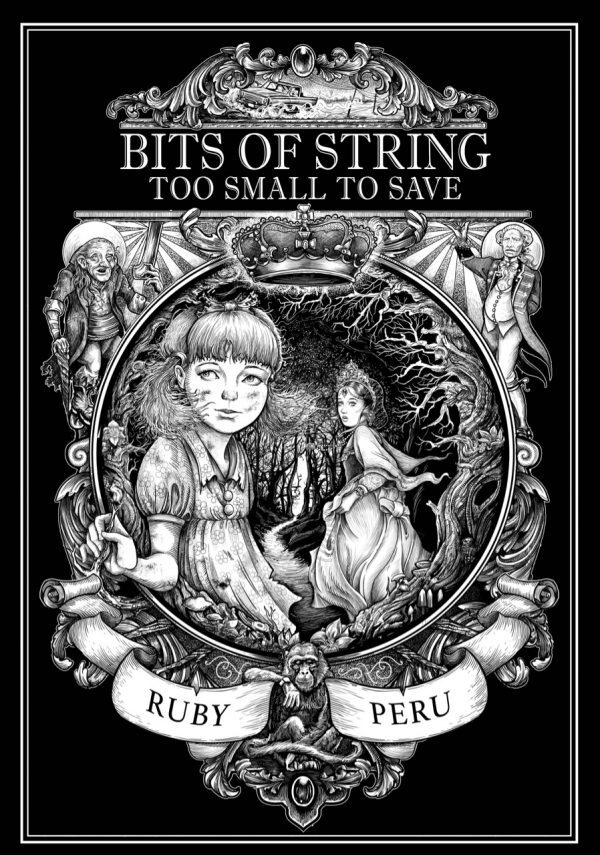
Lewis Jorstad

Lewis Jorstad

Interview with Lewis Jorstad

Emma Dhesi  00:00

Before we dive in this week’s episode is brought to you by my Patreon page over patreon.com for supporting the production costs of the podcast each month, you’ll receive additional conversations with each week’s guest, you’ll receive a personal thank you for me. And of course, a shout out on the show.

It’s an exclusive community of writers who for only $3 a month wants to support the show and ensure it continues. If you’d like access to additional material and a shout out on the show, go to patreon.com/emmadhesi. So come on over to patreon.com/emmadhesi, where I’ll be waiting to welcome you into the family.

Okay, let’s dive in to today’s episode. Well, hello, and welcome back to another episode of turning readers into writers. And I am so excited because today is the 52nd episode of the show, which means this show has been officially going for its first year, I can’t leave it. The years flown past. The podcast itself has gone through a few different transformations. as it grows, and it matures and I become more growth and more mature. Here’s my podcasting life.

I want to say thank you to everybody who has taken the time to listen to the show, who has commented and who has given their support. I so so appreciate it and I’m absolutely thrilled to be here still doing it. It’s been such fun and and long may it continue. So I just wanted to jump on at the beginning here and say thank you so much for supporting me. I really appreciate it.

And I hope you enjoy today’s one year anniversary edition with Lewis Jorstad let’s crack on with today’s show. Lewis Jorstad is a best selling author and certifiable history nerd who helps others tell compelling, memorable stories over at the novel smithy. When he isn’t working on his next book in his 10 day novelist series, you can find him playing old Gameboy games and trying to explain the nuances of feudal Japan.

You can also check out his free ebooks in the novel Smithy resource library, and grab some for yourself. There is a best selling author and editor, a lover of reading and travel and a child that hides, he hopes to visit every country in the world before he dies. But for now, he spends his time working on a sword and sorcery novel called ‘The child hunters’, and teaching up and coming writers from the comfort of his blue couch.

So let’s dive into today’s conversation with Lewis. Well, Lewis, thank you so much for joining me today. I’m really thrilled to have you on the show, because I’ve been following you for some time now. So I’m glad to have the excuse to chat to you.

Lewis Jorstad  03:09

I’m very excited to be here. Thank you for getting in touch.

Emma Dhesi  03:12

So you run the novel Smithy. But I’m interested to know kind of before that, what brought you to the world of fiction and the world of writers?

Lewis Jorstad  03:24

So I was a nerdy kid who loves books, I mean, forever. And never really took it seriously. I you know, every kid who’s an avid writer, you know, they jot down their stories, what they think they’re going to write, you know, you get a chapter in and you usually give up with it. I had a drawer full of notebooks.

And then in college, I sort of realized that I had a moment where I was like, you know, I need to figure out what makes me happy, like what what will I pursue professionally, so that I don’t get stuck in a rut that I was seeing some of my friends get stuck in. And I decided that writing seemed like a natural fit. And I dove into taking my fiction more seriously.

And in the process found that I had a knack for teaching that two others as in in sort of an editor’s capacity, and realize that maybe that was a good fit for me. And that’s how I kind of slowly snowballed into eventually starting the novel Smithy and writing a bunch of books and, and working with a bunch of writers and it’s been a blast, the best I’ve ever made.

Emma Dhesi  04:32

It’s good fun and but it’s quite kind of departure from what you mentioned in your your bio, which is having a love of feudal Japan, and traveling kind of more generally. So where some of your favorite places been, and do you manage to incorporate those into your fiction at all, because what type of fiction do you write?

Lewis Jorstad  04:54

I primarily write fantasy, but one great part about Mostly writing nonfiction for a living is that I can kind of write whatever I want. For my fiction, I don’t worry as much about speaking to a genre, which is nice. I actually currently have a fantasy novel in progress and a cyberpunk novel in progress, which is not related to each other.

But it’s just stories I’m excited about. And yeah, I think my, my traveling earlier in life has influenced that I would love to be traveling more, but obviously, with the state of the world, that it’ll be a little while. But um, I got to spend a lot of time in England actually, as a younger person. I lived in Oxford for a couple months, which was fantastic.

One of the best experiences of my life. I’ve actually, ironically, never been to Japan, it’s on my bucket list. But I’m in college, my my degree was actually in feudal Japanese history, and cold war politics of all things. So I’m not not closely related to my professional work now, but it definitely influences a lot of my fiction, that kind of political aspect.

And just the general sense of, I don’t wanna say doom and gloom of the Cold War, but like that feeling of oppressive oppression, you know, there’s that always that threat hanging over things I find fascinating from a historical perspective. Glad I don’t live in that, but fascinating to write about, I guess.

Emma Dhesi  06:26

Yeah, certainly a little conflict, which is key for novel writers

Lewis Jorstad  06:30

Yeah. Yeah, lends itself well, to fiction.

Emma Dhesi  06:34

So as I’m we’ve kind of mentioned, you run an amazing resource called the novel slippy. And I’m wondering, you know, when did you start that? And what prompted you to go from writing your own fiction, to helping other writers get started and publish their fiction?

Lewis Jorstad  06:51

So at first, the novel Smithy. The idea was that it would be a way to help me in a, in a kind of strange way. Sometimes the best way to learn something is by teaching it to others. And I had, I mean, I had read every book on fiction writing I could get my hands on for years at that point, I had just anything I could, I could find i was i was reading and enjoying.

And I was helping other sort of friends and classmates and some acquaintances with their fiction. And started to realize that that might be the path I wanted to take in life professionally, if I could. And I decided to start the novel Smithy as a way to take what I had been learning and teach it to others as a way to both further my own understanding and maybe make some connections get in touch with some people and and sort of see what was out there in terms of the possibilities.

And then, yeah, it I enjoyed that aspect of it so much, you know, I, I love writing fiction. But I also found that I was really enjoying writing these blog posts, and I started getting emails from readers asking questions, and, you know, corresponding with them was so rewarding, that I just sort of put more and more focus into that and ended up ended up making it my day job.

Emma Dhesi  08:15

So the dream for many of us Yay!

Lewis Jorstad  08:18

Yeah, it’s, it’s a dream come true.

Emma Dhesi  08:21

So did it start off as a simple blog, and then it’s kind of gathered momentum from there and expanded into what it is now?

Lewis Jorstad  08:29

Yeah, it started out as just just a blog. I think about eight months, in six or eight months in, I started, I started offering just sort of consultation services, which was similar to what I had already been doing with people in person. But just sort of formalized it and, and did it online. And, you know, early on, I just got a few people, it was very young.

And at that point, I decided that I would love to write not just the blog posts, but turn that into an actual, you know, book, like a make a process. You know, blog posts tend to be very specific, you know, how to choose the right point of view. But that is part of such a larger writing process, that I decided I wanted to write a book that would walk people through that more clearly.

And so about a year in to writing the blog, I published the first book, and after that, things started to take off, I started to do more and more consultations and write more books and, you know, turn into courses and a whole bunch of stuff. But early on it, it was just a blog, until I started, started to see where it, it might take itself.

Emma Dhesi  09:40

Mm hmm. I think that’s a great sort of parallel for anyone listening who’s writing their first book, you know, you start with, in your case, the blog post, in our listeners case, it might be the first few chapters, we keep going, you keep going and eventually the story starts to unfold. The character starts to develop. you produce your book, you know, It’s a great kind of summary, what’s the word I’m looking for metaphor, maybe.

But how you just got to start somewhere, you’ve got to be consistent, keep going, keep producing. And eventually you get your book, you get your first your first book, and then your first published book, and then your second and so forth. So it’s a really nice, sort of parallel there. I really like that. And you mentioned that you started getting responses from people who are reading your blog posts.

And so what were some of the more common questions you got, or some of the more common struggles that you saw new writers come up against?

Lewis Jorstad  10:38

So I found that early on, most of my blog posts were geared towards like the craft of writing very much like character development, story structure, point of view, very technical, in a way. And so early on most of the questions I got were related to that, you know, that’s how people found me.

And so they would ask really often granular questions like, you know, well, I have two main characters, and, you know, one has a positive arc, and one has a negative arc, and how do I weave the two together, like very specific stuff, which was really rewarding for me, because it, it forced me to think about things that I might not have otherwise, because they were so specific. And then I found that, you know, oftentimes, people will just send me a one off question, and I’ll answer them, and it kind of ends there.

But I’ve had a handful of people where they’ve gotten in touch, and we started going back and forth more. And I almost always find that it starts with a really granular question. And then it as we email back and forth, it, it almost always comes back to I’m really intimidated. And I have writer’s block, and I’m not sure. And it’s almost like they’re, they’re hiding behind that, like, specific craft focused issue.

And, and almost getting caught up in that. And letting themselves worry about that when really what they’re struggling with is they’re intimidated by their story. They’re intimidated to actually start writing. And so you know, I answer all the craft questions. And then I almost always come back to, but you just got to write it, get your first draft down, because everything can be fixed in editing. And that’s, that’s when you want to worry about this complicated stuff. Just let your story be what it is, for your first draft.

And I’ve had a couple people after a bunch of emails back and forth, come back, you know, months later and be like, I just finished my first draft. Like it all came clear. You know, now let’s talk about the specific stuff because now I have to start editing. And it’s been great. It’s been fantastic. Yeah. So yeah, I find that most questions come back to that.

Emma Dhesi  12:43

Oh, I’m a big believer in that myself and kind of what and, and the more disgraces that, you know, dirty first draft, and getting it down and getting it written, and then worrying about all those little details, as you say, and, and kind of delving under the surface of the story. A little bit color overwrites.

I’m one of those people that actually underwrites. And I have to, with each revision, adding a layer, adding a layer, add another layer. And either way it works. You just got to get that first draft done.

I wholeheartedly agree. Yeah. Now you have a number of great resources on the website, but one of them is your complete story structure series. And I wonder what you can tell listeners about that series?

Lewis Jorstad  13:29

Yeah, that was, ironically enough, one of my most popular series of blog posts, and also the first ones I wrote. So when I started the blog, like I was deep in story structure at the time, personally, in my own writing. And so I was like, well, this is a natural place to start. So I wrote, I think it’s like a 14 article series, like the first thing I ever posted on the blog. Just because that’s what I was reading at the time.

That’s what I was studying. And I found people really liked it. And this past summer, actually went back and updated all those articles, obviously. And, you know, in two and a half years, I’ve learned a lot, my writing style has improved, you know, in terms of how I present stuff, so I completely overhauled all of those. And yeah, they they’re by far one of the most, most popular things on the blog.

Which is nice, because it’s hard to cover that much information in a single post. So having it as a big series, you know, story structure, you can get so granular into all of this. And it’s really valuable. I think, even for people who don’t like structure, I think story structure is valuable, because even if they don’t get into the real specifics, and that’s something I talked about in the series, you know, there’s an introduction post, that’s just the basics.

I mean, just high level like, sort of the the patterns of stories. And then you get into the specifics later on. But even for someone who doesn’t like structure, just to know that basic pattern, like the way a story flows, is so valuable. So I’ve been thrilled to see see the response to that and see that it’s, it’s been beneficial to people, especially considering it was my first series of posts. Knowing that those still hold up has been quite nice.

Emma Dhesi  15:17

Yeah, and just knowing that you’re giving your listener your readers what they needed, and they were kind of with you at that stage. Now, one of the things that my audience have told me is that time management is one of the things that they grapple with.

And it can take time to kind of, to be to carve out that time on a regular basis to write, and I know that you’ve also got a book that can help with that, or a series of books, I should say, isn’t it? Can you tell us about that as well?

Lewis Jorstad  15:50

Absolutely, um, so I mentioned that about a year, year and a half into writing the blog, I published my first book called The 10 day outline. And so that was, you know, I, I’m, you said that you’re a bit of an underwriter I am by far and over writer I am, you know, I have people email me saying that they’re getting caught up in their story, and they just need to write and I’m like, me, too.

You know, it’s, that’s very much the way I am. I love outlining, I love the planning side of writing. I find it very rewarding. So I I created, you know, I had created a process for myself for outlining, to stop myself from overdoing it, if that makes sense, you know, to stop myself from outlining forever, and never writing, which, for me is very easy to do. And it was about a 10 day process.

And I and I decided that makes sense as a book, you know that that wouldn’t make sense as a series of blog posts, I’m going to write this as a book. And then the response to that was so positive that I decided I would do a whole series based on that. So there’s currently three books in the series, the 10 day outline, the 10 day draft and the 10 day edit.

And then the fourth book is actually coming out in March of this year, which is really exciting. I’m having, I’m actually writing it right now, and having a blast. But the idea behind the whole series is that you take all the different aspects of writing a novel, you know, outlining it, planning it, writing your first draft, and then actually editing that first draft into a polished final product.

And you break those down into about 10 days worth of work. That was much easier when I was writing the 10 day outline, because planning a story in 10 days is very doable. Whereas writing a first draft in 10 days is very difficult. But the idea behind it was that I had so many people coming to me saying I just don’t have time, I feel so intimidated by this, that I wanted to write a series that said, you do have time, it will be hard, but it is not impossible.

You know, writing I mean, writing a novel is difficult. I don’t like to sugarcoat that for people, but it’s not impossible, it’s, it’s absolutely doable. You just have to, I mean, the idea behind the book is you just have to carve out 10 days where you just focus on writing, that’s just your writing day, you know, find a babysitter for the kids, you know, beg your mom to watch them for you, you know, take take the day off anything else you need to do.

And just get up, eat breakfast, sit down and write, you know, get 5000 words out in a day. And do that for 10 days, and you have a first draft. And after that everything falls into place. Once you have that draft, it’s so much easier. Which, you know, I’ve had people come back to me and say that they they love the 10 day draft, but of the three, it’s the by far the most difficult to do.

And you know, they’ve said I took that process and just stretched it across 10 weeks. And I’m like, that’s fantastic. You know, however it works in your schedule. It’s just, it’s trying to take the, I guess the intimidation out of it. Which I’ve been, I’ve been thrilled to know has worked for people because, you know, I also absolutely, when I had people beta reading the book, they were like, this sounds good.

But this is difficult. I’m like I know. But I did it twice before I published the book to make sure it was possible. And I’m like it is possible. It’s just it’s meant to be hard because writing a novel is hard. But it’s not. It’s doable. And that’s the important part. It is what you’re talking about a minute.

Write a book in 10 days with Lewis Jorstad


Emma Dhesi  19:35

Yeah, I imagine as well, you know, if you put that kind of in and really knuckle down and do those 10 days and get that first draft down. When you come to do your second book, it’s never going to be as hard because as you as you do it and then also you know you can do it.

So that in itself gives you that impetus and that confidence that you can go on and do it a second or third time. So wonder exactly right. I wonder if you just give us a quick just a quick synopsis of your outlining what’s your outlining process, that kind of top level of how you outline a book?

Lewis Jorstad  20:11

Oh, certainly, um, well, for the outlining process, the idea is that you start with just the vaguest idea. Some people come into it, and they already have a really clear picture of their story. And it’s just a matter of kind of fleshing that out. But for me, at least, when I start writing a novel, I’ll just kind of like, wake up in the morning and be like, that’s an interesting idea.

You know, but it’s so vague, it’s so general, it might just be like, Oh, that’s a cool building. What can I do with that? You know? So the idea is that you start with a super vague idea, and then you establish, what’s the conflict? General? I mean, very top level, like, what what is what is going on here? Who is my protagonist? And what do they want? And from there, you can kind of build everything else.

So, you know, I kind of go through a process of brainstorming, you know, thinking about all the possibilities I structure it is like a, almost like a Socratic method, questioning yourself. So writing down a series of questions about your story, you know, say you have a very vague idea of your conflict. Okay, why is this conflict happening? How, how will it play out? Who has a stake in this conflict? Why do they have a stake in this conflict?

And then you answer, you know, you answer those questions, and then you take your answers, and you ask two more questions about each of your answers. So it forces you to kind of dig deeper and dig deeper. And it doesn’t let you get away with just just taking your first answer at face value, because there’s always more under the surface.

And generally, I just do that twice. So I do the first set of answers and another set of questions based on that. But technically, you could go forever. And I’ve occasionally had a couple sticky parts that I just haven’t figured out yet. And I’ll go five, six levels deep with it until it finally clicks into place. And from there, it’s just a matter of lending some structure to that.

So you have now these, these answers, you know, this sort of scattershot understanding, and now it’s a matter of organizing that, you know, I start by organizing around the plot, just because I find that tends to be easier for a lot of people. And then once you understand kind of the basis of your plot, you can go in and say, Okay, now how do my characters interact with that? Who’s my cast? You know, why do they care? How do they fit into all this.

And then just sort of ended Off with you know, final details, world building details. I’m one of those people who likes to outline all of my scenes ahead of time. When I write my, my drafts, I write them scene by scene, I don’t write them by chapter like a lot of people do. So that’s a big part of my outlining process.

I know a lot of people don’t like to go that granular. So even in the book, I told people, you know, this is pretty optional. Some writers just don’t mesh with this. And that’s completely fine. But here’s how to do it, if you think this would be valuable.

And so yeah, the idea is that you start with a very fine, vague idea, and then expand that out, and then make it more specific, again, kind of like a diamond shape, you know, you get a bunch of ideas, and then you organize them down into something structured, is the idea.

Emma Dhesi  23:36

I like that because I from what you how you’re describing, it feels like actually, for those that consider themselves to be pastors, and don’t like the feeling of being constrained by an outline.

And you could actually just use the top half of that diamond to start with your initial template and kind of brainstorm all those different ideas, and then kind of go from there. So they work quite well for both plotters and Panthers. It sounds like

Lewis Jorstad  24:02

I find that in a way. Yeah, I think you’re absolutely right. And, and I think to some extent, for those of us who do like to plot and you know, who are big planners are outlines are kind of our first drafts.

Because you’re going through that that same discovery, you’re just doing it in shorthand, which, for me, I find that valuable personally, because, you know, I’m doing all the same brainstorming, I’m doing all the same problem solving, I’m just doing it in bullet points, rather than in paragraphs, which, you know, as someone who, unfortunately doesn’t write fiction, full time, you know, I write my nonfiction full time, and then my fiction is something I have to carve out time for, you know, saving that little bit of time is is really valuable because it allows me to write more.

And then when I get to my first draft, it’s just a matter of kind of putting that outline, you know, sort of my my shorthand first draft into prose I can focus more on the words I’m using, rather than on getting the story down. Because I already know my story, if that makes sense?

Emma Dhesi  25:06

Yeah, it does. And I like that I hadn’t thought of it quite in that way before. But I do kind of like the idea then that your, your outlining is detailed enough that there’s your first draft right there without even knowing it. It just happened to me as you’re working through all these questions that are in the outline book.

And I’m going to move on a little bit, because you’ve mentioned them, that and you for kind of professionally, you write your nonfiction and you manage the novels maybe, and then for the fun side, and you do your fiction writing. So how do you fit all of that in, because I’m guessing you’re pretty busy with all of these things.

And, and, and having to wear different hats from your business hat running the novels, maybe your nonfiction half for the work that you do for us, or your leaders? And then your fiction hats as well. And so how do you manage that both kind of mentally, but then also, in kind of routine wise? How do you balance out those three, those three elements of the job?

Lewis Jorstad  26:14

So I, I know a lot of people who swear by like blocking out their day, and they’ll write in the morning and do emails at night, and I am just not that person. I am, I refer to myself as a binge writer, like, I can’t focus on multiple things at once. So, you know, I mentioned that I’m writing the fourth book, in my 10 day novelist series right now.

And when I say that, I mean, like, literally, I am doing nothing but writing the fourth book, in my second novel series, like, I’m not focusing on anything else, you know, I’ll have four days a week, where I do nothing, but write that draft. And then one day where I take care of business stuff that has to happen, you know, I have to, you know, make sure my emails are going out on time answer emails from readers, you know, just make sure everything’s working.

But every other bit of time I can carve out is just focused on that. Which for me works, because I just can’t split my attention that way. You know, if I’m, if I’m trying to do multiple things in a day, I just, I lose it, and I end up wasting most of the day. So, you know, normally, I’ll start the month out by writing all my blog posts for that month, you know, I’ll just sit down and spend a couple days, getting all those written, getting everything set up and scheduled.

So I can basically spend the rest of the month just doing whatever I’m working on whatever my project is, whether it’s a book, you know, I was writing course lessons last month, you know, next month, I’ll be editing this draft of my fourth book. And so fiction is the hard part of that. Because mentally, you know, I’ll carve out a day for just business stuff.

And then a bunch of days were just nonfiction. But fiction is a very different part of my brain. For me, at least I find it very difficult to switch between the two, you know, I’ll sit down to write my fiction and be like, you know, you should do this. And I’m like, Nope, that’s that’s nonfiction, you know, that’s a, that’s a different writing style.

And to be honest, I’m actually still working on that, I’m still finding the right way to fit that into my routine. You know, the, the pressure of needing to pay the bills. And also, I’m genuinely just so excited about these nonfiction books, I’m having such a great time writing them, that it’s easy to just get caught up in them.

And to not carve out time for my fiction, just because, you know, oh, well, I need to get this out. And I’m having a good time. So I’ll, I’ll do that next month. And it never happens. And so I’m, I’m experimenting, my, my new year’s resolution is I’m going to try to once a week, you know, just like I carve out a day for business, I’m going to carve out a day for fiction.

And I’m just going to, I think with practice, I’ll be able to make that switch easier. Whereas It used to be that I would spend a month doing nothing with fiction, and then a month doing nothing but nonfiction.

But now that my my business life is changing, that’s just less realistic. So the hope is that I’ll be able to, to sort of retrain myself a little bit, make that switch easier. But yeah, I’m just not one of those people who can like switch between things in a day. I am a mess. I have to be focused, you know, so…

Emma Dhesi  29:29

but it’s good that you recognize that you you’ve sort of realized that this is how you work best and most efficiently and productively. And so you’ve made you’ve kind of worked around that to your advantage to make sure you get done what you need to get done. And I think that’s sort of, I guess, lesson that our listeners could take form it is that no matter if you’ve got family, if you’ve got job, you’ve got a social life, all these things, you still have to kind of work out a way of clothing that’s a moat in your week.

And I often say to people at doesn’t need to be hours and hours at a time is amazing. Or even, you know, maybe even an hour a spread over a week, you can actually achieve a lot in that meeting and much you can write in 20 minutes, because you’ve only got two minutes to sit down and you write it. So it’s important to be conscientious about making that decision to write your nonfiction do the admin the business side.

And now, as you’re going through, yeah, you’re going to incorporate your fiction into that too. Great. And one of the other services that you offer is a one to one services, not editing and coaching, can you share a little bit with the listeners, how that works for you how you work with your students and your clients?

Lewis Jorstad  30:44

Absolutely, um, early on, I think I mentioned I started out just doing sort of consultation services, because that’s what I was used to, that’s what I had already been doing with people in person. And I sort of shifted that online. So it was kind of a natural starting place.

And then actually, you know, I, instead of just diving into doing like, full on developmental editing, with people’s manuscripts, I was actually kind of nervous to start that at first. So I instead started a writing contest, where as part of the writing contest, you know, the first place winner, I would, I would do a full developmental edit of their manuscript, which was, I think, kind of probably doing it backwards, but it was my way of being like, I’m nervous, you know, you know, that fear that like, I’m not going to do a good enough job that imposter syndrome, like I had, I hadn’t done that, in a professional capacity before I had been doing it for, you know, writing partners and critique partners and friends for ages.

But actually doing that professionally, it was a different thing. So that first, that first year of this writing contest, you know, was my first time sort of professionally developmentally editing someone’s manuscript. And it was, it was a blast. I mean, you know, it helped me get over that sort of fear that I wouldn’t, I wouldn’t be able to do well enough. And I found that, you know, I was working with the writer and, and at the end of it, they were like, I learned so much, this was so helpful.

And I was like, Okay, good. We got this, you know. And so that was also something I offer for a long time. And I’ve actually scaled that back recently, just because other priorities have come up within the business, I’ve actually gone back to just doing the consultations now. And basically, the consultations are just, you know, usually people will send me an outline, or sometimes a section of their manuscripts, depending, you know, not everyone’s an outliner.

And that’s fine. And I’ll sort of review that, and sort of compile my first thoughts based on that, I’ll, I’ll ask them a couple questions through email, and we’ll sort of correspond, and then we’ll sit down for a meeting, over zoom, and have an hour to sort of hash things out, talk things out, you know, and I review all that stuff ahead of time to make sure I’m not wasting their time in the meeting, you know, I want to have some ideas already ready.

But inevitably, you know, through talking, we’ll find stuff that, you know, that I didn’t pick up on, they’re in on in their outline, and, and they’ll sort of go into more detail. And it’s almost like a brainstorming session, in a way, you know, oftentimes, I’ll I had a writer I worked with a couple months ago, that sticks in my mind, because, you know, he had sent me the first two chapters of his manuscript, and I had a bunch of thoughts about it.

And he just outright disagreed with me. And I was like, awesome, let’s do this. I mean, let’s talk this through. It was great. You know, a lot of people feel like they have to agree with me, because I’m the professional. And I’m like, No, no, no, you know, I, I am a professional, but I’m just one opinion of many, you know, you’re the author.

You know, let’s let’s fight about this. Let’s debate this, and ultimately come to a better conclusion than either of us would have on our own. So he and I mean, I’m I our consultation ran way long. You know, we just sat there just sort of going back and forth. He was like, No, I think that’s a terrible idea. And it’s like, but why he couldn’t put it to words.

And, and finally, at the end of it, he finally figured out like, it just clicked for him what he was having trouble with. And in the end, he ended up disagreeing with me, but it was that that process of debating that was so valuable, and at the end of it, he was like, I know, I know where I’m going. Now. I’ve got my story.

He was one of the ones who emailed me a couple months later, like I have my finished first draft. He actually apparently got an agent last month, got in touch with me about that, which was so exciting and thrilled for him. So that’s what I do now, just because the developmental edits are You know, to really give someone’s manuscript, the time it needs is a is a two week process for me at least.

And between my own fiction, and my nonfiction in the business, I don’t have the time to commit to that. And, and I don’t want to shortchange people, you know, whereas the consultations is, it’s a day, you know, today of me going over their stuff, and really sitting sitting down and hashing things out with them. So I’ve been glad I’ve been able to continue doing that, amid all the other things going on.

Because that’s been really enjoyable. That’s been my focus lately.

Emma Dhesi  35:38

So talking of competition, kind of you You do have a competition called the first chapters writing contest. Is that open to anybody? And genre? What What’s that about?

Lewis Jorstad  35:52

Yeah, so I run that every year, every December, the ideas that usually people who just finished Nano WriMo will submit their the first chapter of their Nano WriMo draft. So the idea is for the contest, you submit, and it doesn’t have to be a Nano WriMo draft, I mean, it can be anything that that you’re working on, you submit just the first chapter of whatever manuscripts you have, even if it’s not finished, just the first chapter.

And the idea is that that kind of, you know, the first chapter has a lot going on, you know, you have your your hook, you have to set up your conflict, you have to introduce your protagonist, you have to get all these balls rolling. But it’s also relatively short. So for someone who wants to submit, I generally tell people, don’t worry about the rest of your manuscript, you know, at least for this contest, you know, obviously worry about it later on.

But for this, just take that, you know, that two 4000 word, first chapter and just work on it, just turn it over in your mind, get, get your hook, solid, you know, get your introductions in place, and then submit it. And, you know, the first year I did it, I got six or seven submissions. The second year, I got about 14, and then this year, I got like, 35, which was very exciting.

This was the third year. So next December will be the fourth, the fourth annual first chapters contest. But it’s always tremendously exciting, because for me, as an editor, that first chapter tells me so much about the story, but it also leaves all these mysteries. So I find that the the submissions that tend to win are the submissions that I read that first chapter, and I’m like, I, I care about this character, I’m very interested in this conflict.

And I have no idea what’s going to happen next. In a good way, not in a, this is scattered, but in a I’m engaged in this, I’ve actually had a couple people. The one of the winners last year, I got in touch with her. And you know, and we did the the consultation, and I did the critique of her submission that I do for the winners.

And afterwards, I kind of messaged her, and I was like, so when is this gonna be done? Because I really want to read it. And she’s still working on it, heard the manuscript actually wasn’t done, she had actually just finished that first chapter because she wanted to submit it. And so she’s still working on the manuscript.

And I’m like, as soon as you get this published, like, I want to read it, which is, is tremendously enjoyable. Yeah. And I find that people, it’s less intimidating, whereas something where you submit your whole manuscript, it’s so intimidating to get that all polished and ready. Whereas this, it’s like, it’s it’s a very specific focus. And I find people get a kick out of it.

From time to time, I link to products or services I love using with affiliate links. This means that I may receive a small percentage or fee for referring you to any product you may purchase from one of those sites. It does not cost you anything. These small fees help sustain my small business. I truly appreciate your support.

Emma Dhesi  38:49

And it’s open to all genre types as well?

Lewis Jorstad  38:53

Yeah, the only genre is I don’t take submissions from her horror and erotica, just because that’s not my wheelhouse. And I, I know, it’s not something I enjoy reading. And I know I won’t be able to provide as much valuable feedback for those genres as, as for say, fantasy or sci fi or we’re even thrillers.

I’ve had a few really awesome thriller submissions. So yeah, other than other than those two exceptions, it’s it’s open to anybody. The only requirement is that unpublished so unpublished manuscript, and not horror, erotica. And beyond that, it’s free game.

Emma Dhesi  39:34

So you’ve talked about your nonfiction and we look for is coming out soon. But why don’t you tell us a little bit a little bit about the fiction that you write what kind of stories do you enjoy writing and what what book or what manuscripts Are you are you working on at the moment? What’s going to be your 2021 fiction?

Lewis Jorstad  39:55

So fingers crossed, all goes well, my fiction book, I’m currently working on a sword and sorcery fantasy novel called the child hunters. And that should be coming out fall of this year. You know, I need to send it to editors and give them time. You know, it’s just like a dentist can’t do their own teeth, an editor should not edit their own books.

So I’ll be sending that out soon, and starting to get feedback, and then working on that from there. But my fiction is kind of weird. I’m very fortunate that my nonfiction is my day job. Now, it wasn’t always, I actually only actually recently quit my old day job to do the novel Smithy full time, which has been tremendously rewarding.

But because my nonfiction is my my day job, so to speak, I don’t worry about you know, writing in a specific genre for my fiction, I am not much of a series writer, I’m very much a one off sort of standalone novel writer, I just get an idea, and I want to complete it. And then after that, I go on to something else, which I know for a lot of fiction writers, you know, fiction authors series are kind of the name of the game in self publishing, at least.

So I’m fortunate that my nonfiction allows me to just do that. My fiction is more creatively for me. So I have this sword and sorcery novel coming out this year. And then, so long as there’s no unforeseen delays with that, I’ll have a cyberpunk novel coming out in 2022.

And then after that, I have a couple projects sort of in the works, sort of in the planning stages, but I’ll likely be doing a historical romance after that, just because these are the ideas I’m excited about.

And they’re completely unrelated. So I know not everyone can do that. But I’ve been, I’ve been really lucky to be comfortable being able to do that and just write completely cross genre and not worry about it.

If you’ve been working on your novel for years (perhaps even decades) the maybe it's time to consider working with a coach.

If you have multiple versions of your novel and you don’t know which works best, are scared nobody will like your book and don't feel like a 'real' writer, then my guess is coaching is the right next step for you.

Find out more and sign up for your free Clarity Call here: https://emmadhesi.com/personal-coaching/


Emma Dhesi  42:00

So just out of curiosity, because I mean, especially cyberpunk to historical romance, though different. Would your and we be self publishing those or pursuing a traditional deal? And either way, would you be using the same pen name? Or do you think you might change pendings for the different genres?

Lewis Jorstad  42:20

I will most likely be self publishing them, I would like to pursue traditional publishing at some point in the future. But these projects, I don’t necessarily think are a good fit, just because they are kind of cross genre and away, like even historical romance has some like, fantasy elements, and it’s kind of out there.

So for now, I plan to self publish, that’s also just my expertise. You know, I’m, I don’t have experience with traditional publishing. You know, I mentioned that, that I have the fourth nonfiction book coming out this spring.

And it’s about self publishing. And I’ve had a couple people ask, like, you know, oh, I’m interested in traditional publishing, will there be anything for me in this, and I’m like, there will be but you know, I don’t want to, I don’t want to make it seem like I’m an expert in traditional publishing, because I’m simply not, were a self published, much more experienced then.

So I plan to self publish those. And I actually plan to use the same pen name. So my nonfiction is under Lewis Jorstad, and then my fiction will be under just my initials, L.A Jorstad. Just to separate the two, you know, the people don’t looking at my nonfiction are looking for something different than the people who would be reading my fiction.

But because my fiction is all over the place, I’d have so many pen names they’d be it’d be too much to manage. And also, to some extent, you know, from the business side, because, you know, I pay my bills with the nonfiction, but there is a business side to the fiction, I do want people to be able to find it, I do want people to get to read it, who will hopefully enjoy it.

I found that the first, at least in self publishing, traditional publishing, again, I’m sure is a bit different. But at least in self publishing, the first book you publish, rarely gets much traction. Whether it’s a series or a standalone, it’s once you get your second and third out, then you have then you have your feet under you to an extent. In the business side.

You have something to offer readers who read one of your books and are then interested in what else do you have to offer? So having a bunch of different pen names, you know, one for fantasy, one for sci fi one for romance. I might only ever write one historical romance. You know, I’m not sure it depends on what idea comes to me next.

So I’m hoping that readers who end up being a fan of my fiction will forgive me for not sticking to a genre and will maybe find the like other genres. In the process, but that’s the that’s the intent, at least right now.

We’ll see down the road, it’s possible I’ll end up finding a genre I really love and write a bunch in and we’ll start another pen name. But for now, I plan to just sort of collect all the fiction in one place. 

Support The Show

If you enjoy the Turning Readers Into Writers podcast, you can now support my time in producing the show with Patreon.

If you find that the podcast adds value and you’d like to help support the show, please consider supporting me on Patreon for $3.00 per month and you’ll get bonus podcast content, as well as a personalised thank you from me, and a shout out on the show.

Emma Dhesi  45:17

Well, I hope you’ll come back and talk to me when your book is released, and you can tell us all about it. But for the meantime, where can listeners find out more about you and the novelist living?

Lewis Jorstad  45:29

So the novel Smithy.com is my website. It’s where basically everything goes on. I’m an old man at heart. I don’t have a lot of social media. I, I’m very active on Pinterest. So you can find the novel Smithy on Pinterest. There’s a link to it on my website.

And I’m just getting started with Twitter. I’m sort of feeling out how Twitter works. Not quite positive yet. Yeah. So for people who like Twitter, they can find The Novel Smithy on Twitter. But really the place you know, if if someone’s interested in what I do, then my websites definitely the place to look, sign up for my newsletter. my newsletter gives people access to my free resource library.

So I have a bunch of different ebooks and guides and other resources in there. They’re completely free. It’s you just sign up for the newsletter. And then as a part of my newsletter, you know, I send out emails once a week, once every other week, when I have a new blog post, or when I have a new article live.

And then occasionally, you know, if I have a book coming out, I’ll send out a few extras. But I try not to bother people too much. I know everyone’s busy. But yeah, so that’s where that’s where people can find me if they’re interested.

Emma Dhesi  46:46

Wonderful. Well, I’ll put links to all of those in the show notes. That’s great. Well Lewis, thanks so much for your time. I’ve really enjoyed chatting to you and getting to know more about the novel Smithy and about you as well. So thank you very much.

Lewis Jorstad  46:58

It’s been great. Thank you so much for for getting in touch. 

Emma Dhesi  47:03

Well, thank you so much for joining me today. I hope you find that helpful and inspirational. Now, don’t forget to come on over to facebook and join my group, Turning Readers into Writers. It is especially for you if you are a beginner writer who is looking to write their first novel. If you join the group, you will also find a free cheat sheet.
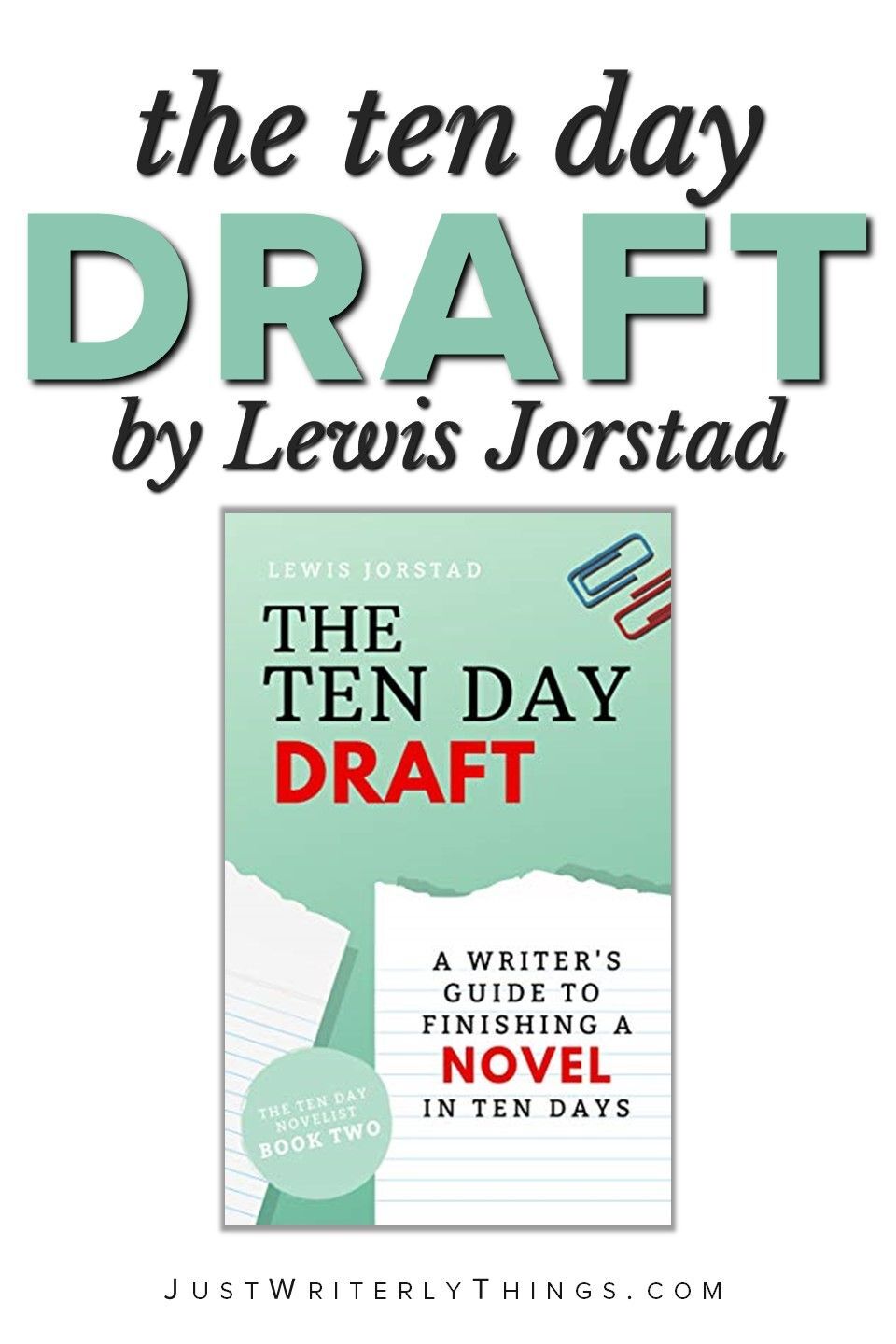
They’re called three secret hacks to rate with consistency. So go to emmadhesi.com/turning readers into writers. Hit join. Can’t wait to see you in there. All right. Thank you. Bye bye.

Alliance of Independent Authors

Shortcuts for Writers

Do you feel as if you don’t have the time or the money to invest in editing your novel? I know an online course that can help you to transform your manuscript WITHOUT breaking the bank. It’s called Book Editing Blueprint: A Step-By-Step Plan To Making Your Novels Publishable, and it was created by Stacy Juba of Shortcuts for Writers.


emma dhesi

Emma Dhesi

Emma writes women’s fiction. She began writing seriously while a stay at home mum with 3 pre-school children.

By changing her mindset, being consistent and developing confidence, Emma has gone from having a collection of handwritten notes to a fully written, edited and published novel.

Having experienced first-hand how writing changes lives, Emma now helps beginner writers find the time and confidence to write their first novel.